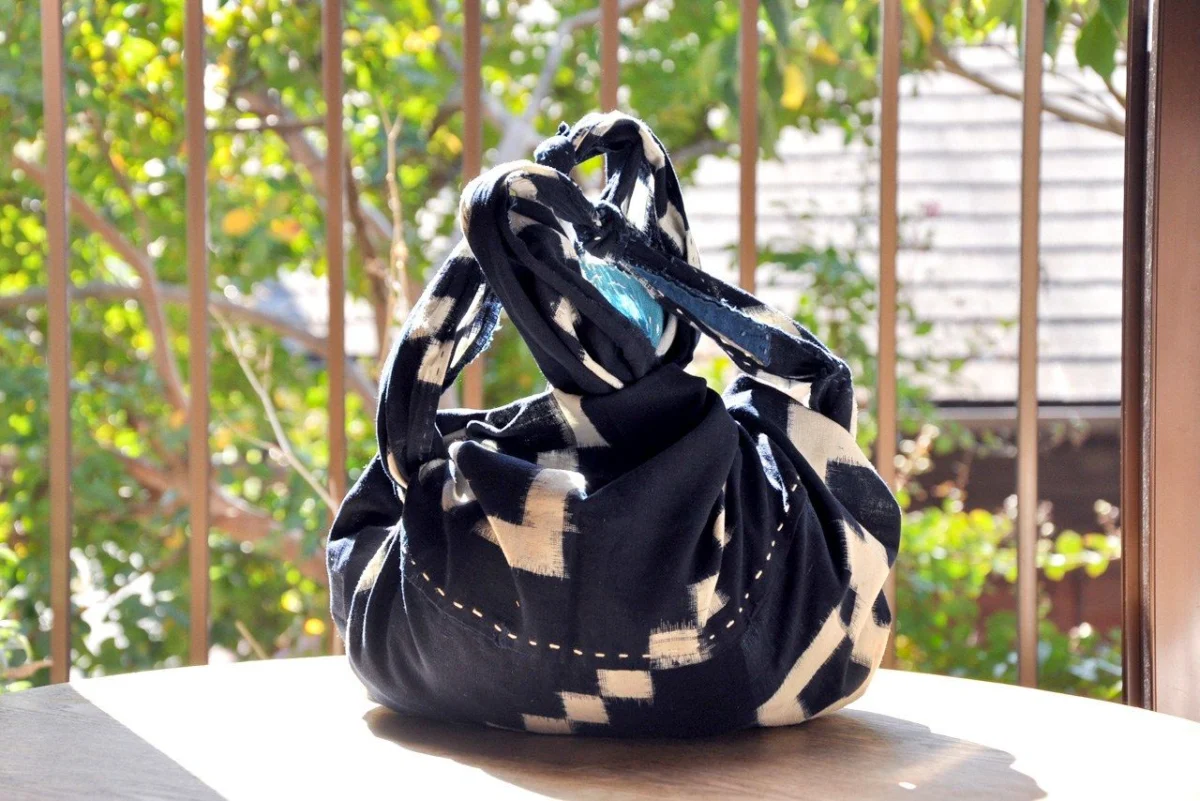
Long before the invention of synthetic technical fabrics like Cordura, internal aluminum stays, and Fidlock magnetic buckles, human survival hinged entirely on a fundamental engineering challenge: how to efficiently transport heavy loads across impossible terrain. Across continents and millennia, the core question remained identical—where does the weight sit? Civilizations worldwide devised radically diverse ergonomic solutions tailored directly to their environments, ranging from flexible plant-fiber netting and woven birch bark to bamboo frames and singular squares of fabric. These methods reflect not only regional geography and locally available resources, but also an intricate understanding of human biomechanics. Examining these historical systems reveals foundational principles that continue to challenge modern assumptions about ergonomic design, load distribution, and material sustainability.
Historical Evolution and Chronological Development of Traditional Carry Systems
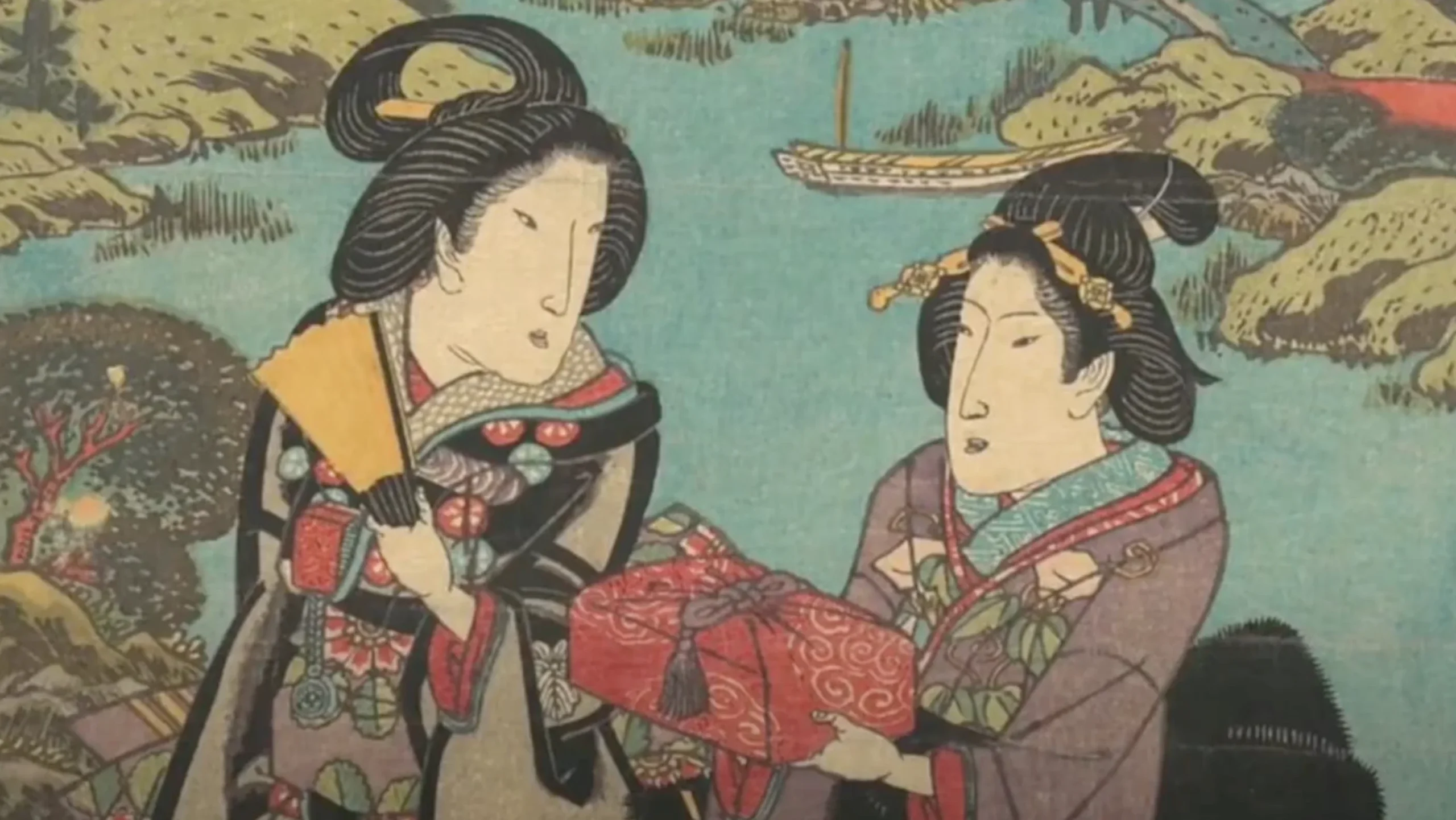
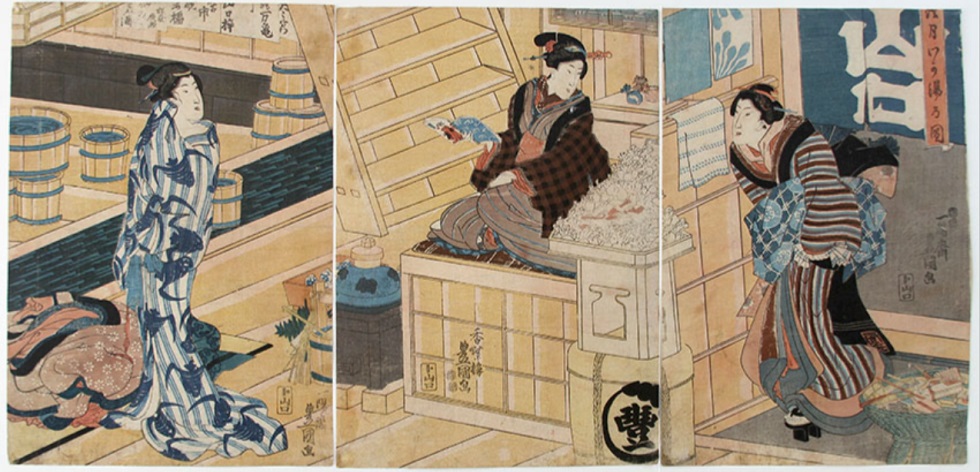
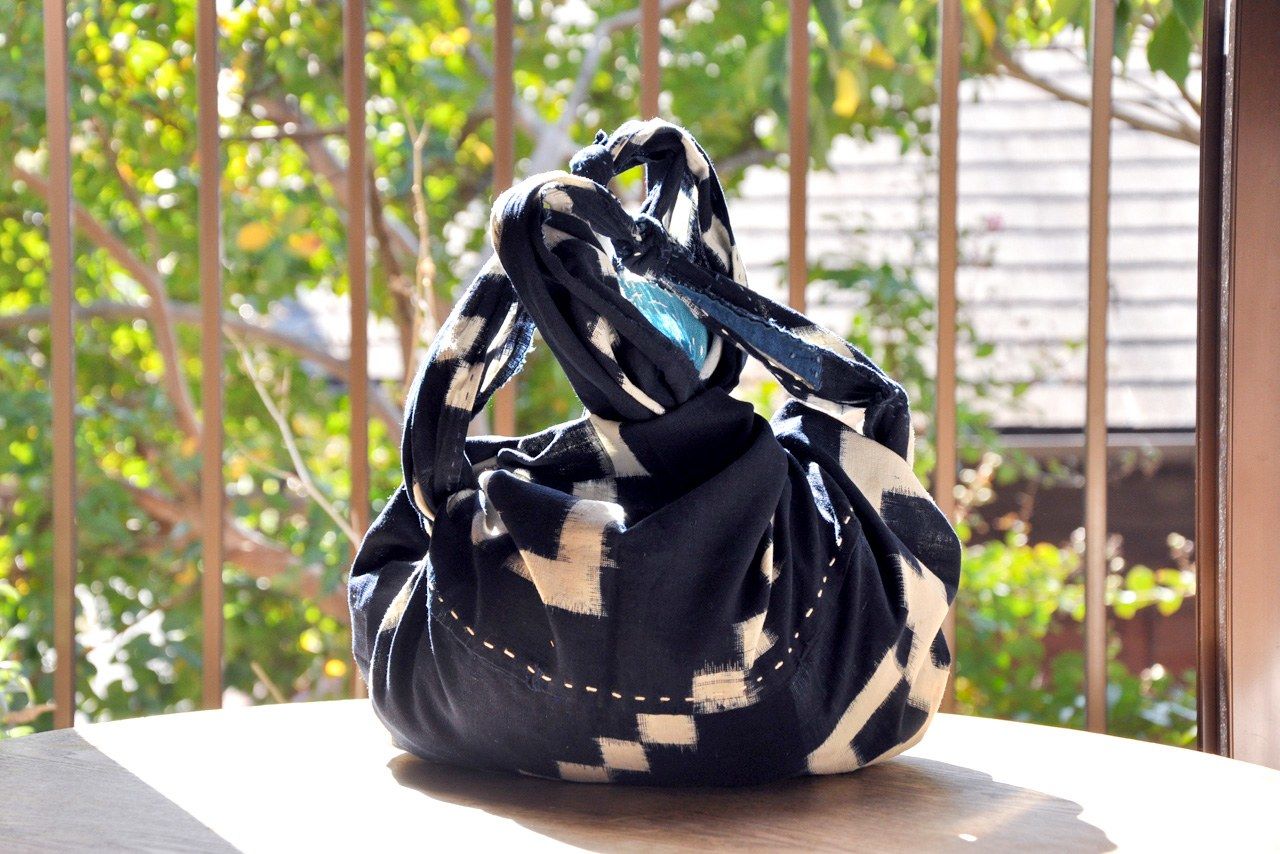
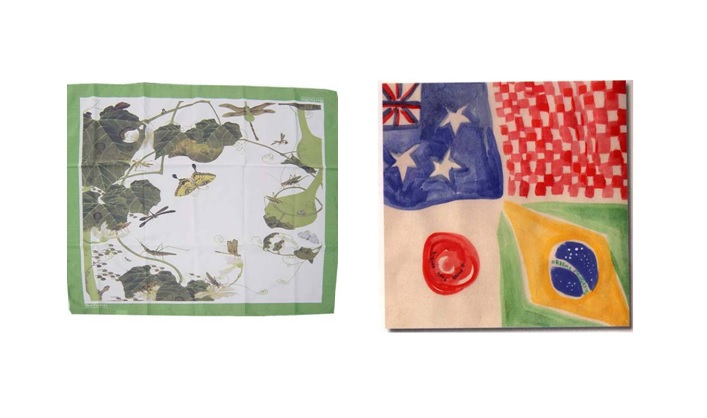
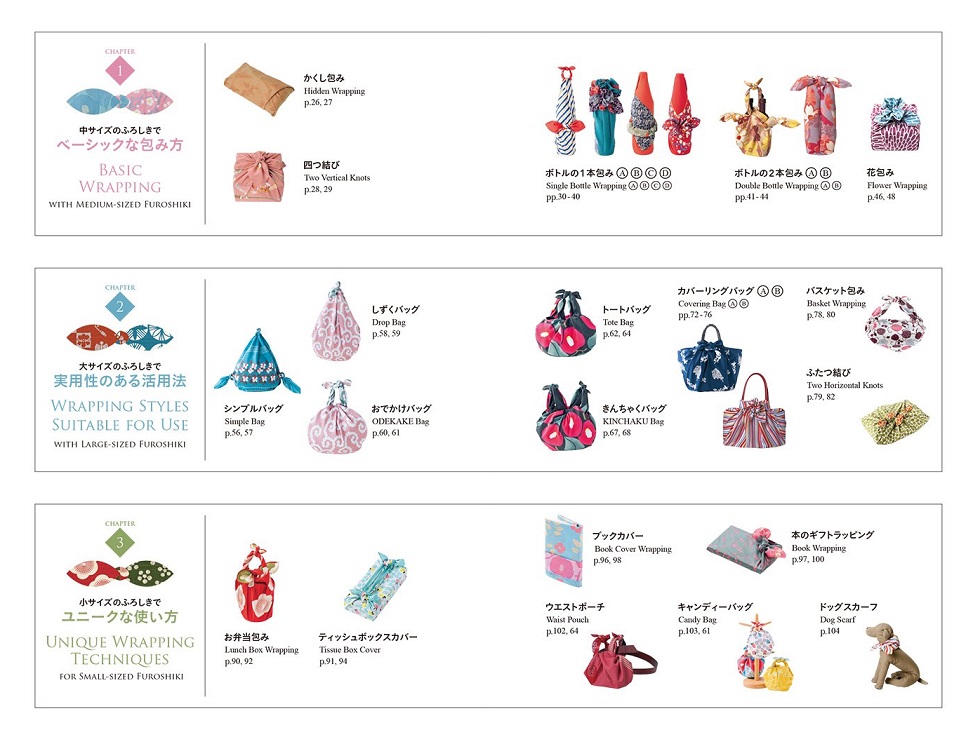
The lineage of human carriage spans thousands of years, evolving alongside agriculture, trade, and migration. In ancient Japan, particularly during the Nara period (710–794 CE), early wrapping cloths known as tsutsumi were utilized to transport sacred religious artifacts safely to and from temples. This practice matured during the Muromachi period (1336–1573 CE) into the furoshiki, a versatile square of cloth initially used by elite samurai and nobility to bundle garments during visits to communal bathhouses. By the Edo period (1603–1867 CE), the practice democratized, becoming a universal method for transporting goods of all shapes and sizes.
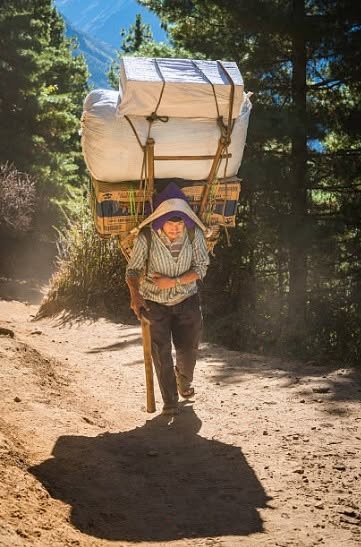
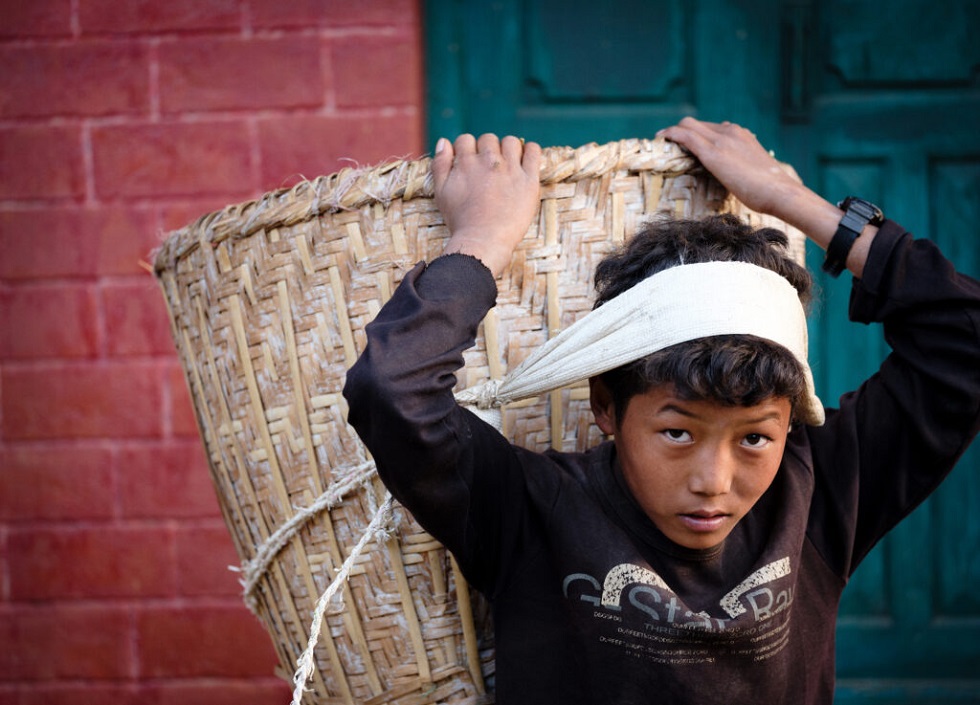
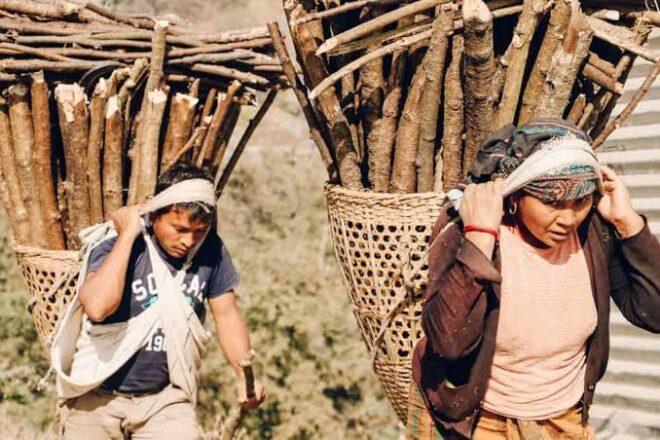
Similarly, in the mountainous terrain of the Himalayas and the tropical landscapes of Papua New Guinea and Sub-Saharan Africa, indigenous populations developed specialized structural frameworks. The Nepalese doko basket, paired with the namlo head strap, emerged over centuries as a rugged transport mechanism designed for high-altitude portering along vertical trade routes. In Scandinavia, Sápmi and Nordic communities engineered rigid, waterproof birch-bark backpacks known as kont or kontti, designed specifically to withstand sub-zero temperatures and high-moisture environments during hunting and reindeer herding. In South America, the gauchos of the 18th and 19th centuries mastered minimalist equine transport, integrating storage directly into their garments and belts rather than relying on bulky external luggage.

Ergonomics and Physics: Body Alignment Versus External Hardware
Modern commercial backpacks typically rely on padded shoulder straps, rigid internal frames, and load-bearing hip belts to transfer weight to the pelvis. In contrast, many traditional systems prioritized biomechanical alignment, integrating the load directly with the human center of gravity.
The Himalayan namlo and doko system exemplifies this approach. Rather than resting weight on the shoulders—which can restrict breathing and cause fatigue—the namlo strap distributes the load across the cranium and upper spine, allowing the carrier to lean directly into steep inclines. This leverages the skeletal structure as a primary load-bearing pillar.
A similar biomechanical phenomenon occurs in African head-carrying traditions, frequently studied by human kinesiologists. Research into the "free-ride effect" has demonstrated that highly skilled porters can transport loads weighing up to 20 percent of their body weight with virtually zero additional metabolic cost compared to walking unladen. By balancing the weight directly over the vertical axis of the skeleton and optimizing their gait to conserve kinetic and potential energy, these carriers achieve a level of efficiency that modern technical daypacks struggle to replicate. However, biomechanical studies emphasize that this efficiency is a highly specialized motor skill acquired through lifelong practice, rather than a universal physical attribute.
Material Science and Environmental Integration
The material composition of historical carry systems highlights an advanced, empirical understanding of material science. Where modern manufacturing relies heavily on petroleum-based polymers, historical cultures utilized immediate, biodegradable, and renewable resources.
The Scandinavian kont utilizes water-resistant birch bark, rich in natural oils that repel snowmelt and prevent rot. Crucially, birch bark is breathable, a vital feature for cross-country skiers and herders navigating sub-arctic climates. Traditional synthetic packs often trap perspiration against the spine, where it can condense and freeze into a hazardous layer of ice. The kont’s porous, rigid structure mitigates this risk while providing structural integrity.
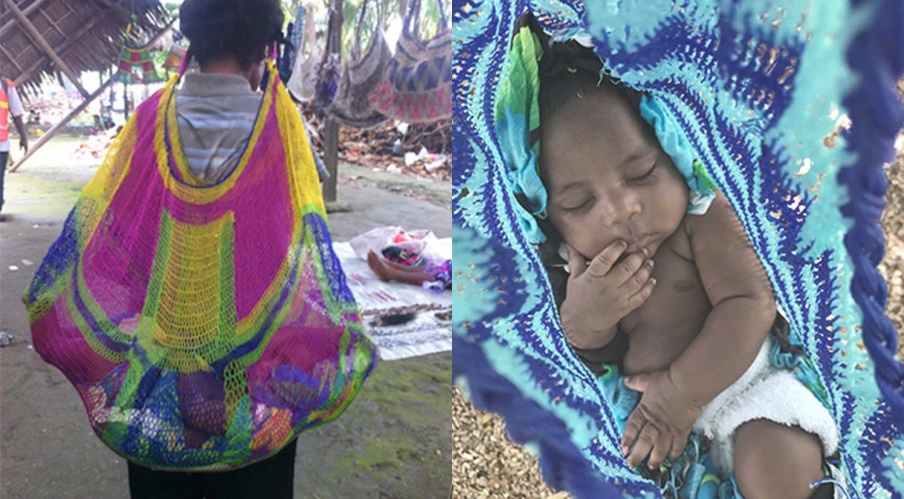
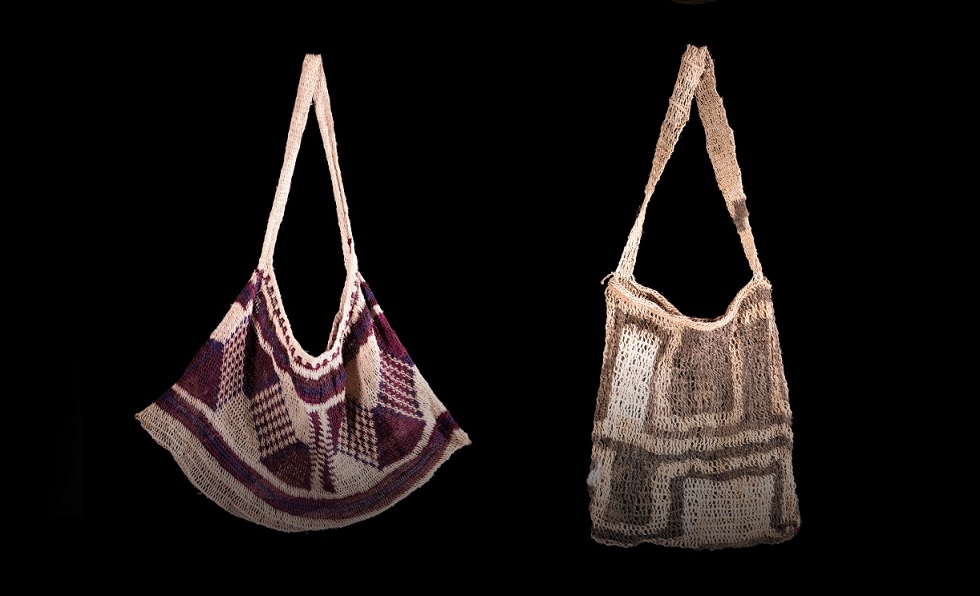
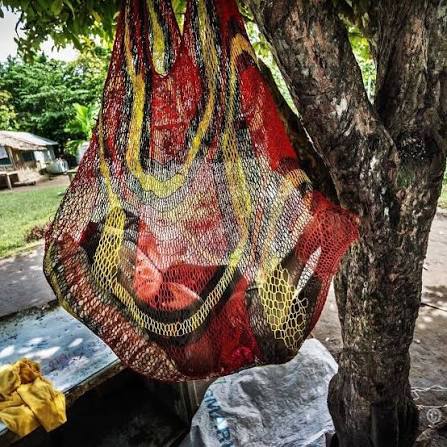
In Papua New Guinea, the bilum—traditionally translated as "womb"—is crafted using a distinctive looping technique rather than standard weaving or knitting. Utilizing fibers harvested from tree bark, pandanus, and native grasses, the bilum possesses an open-weave architecture that dynamically expands and contracts based on its contents. This elasticity allows a single bag to transition seamlessly from a compact personal carry item to an expansive receptacle for firewood, harvested crops, or infants.
Cultural Identity, Modern Adaptation, and Sustainability

Beyond raw utility, many traditional carry systems serve as profound markers of cultural heritage, familial lineage, and socio-economic status.
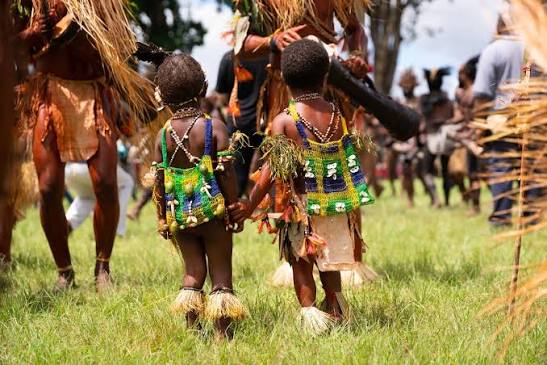
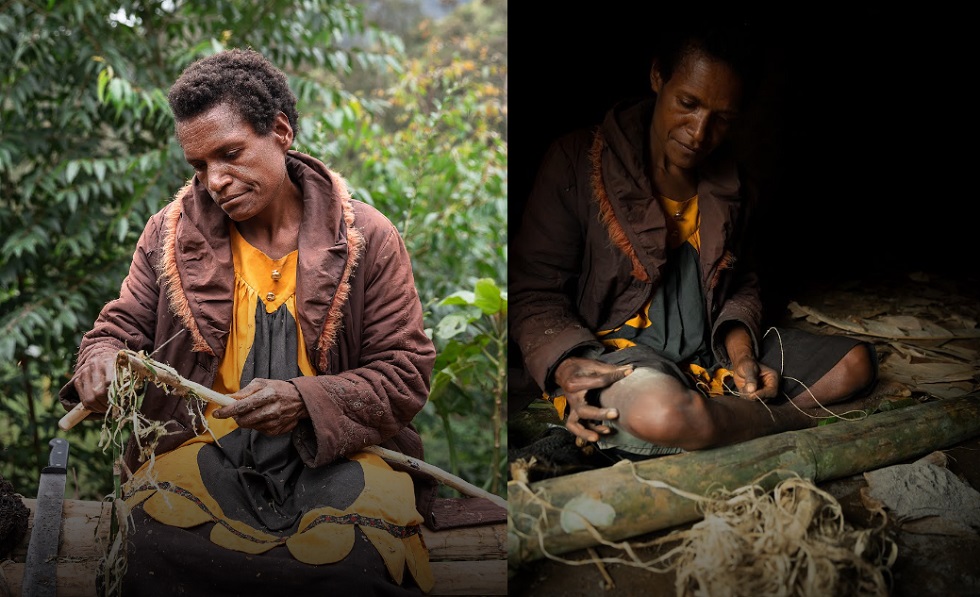
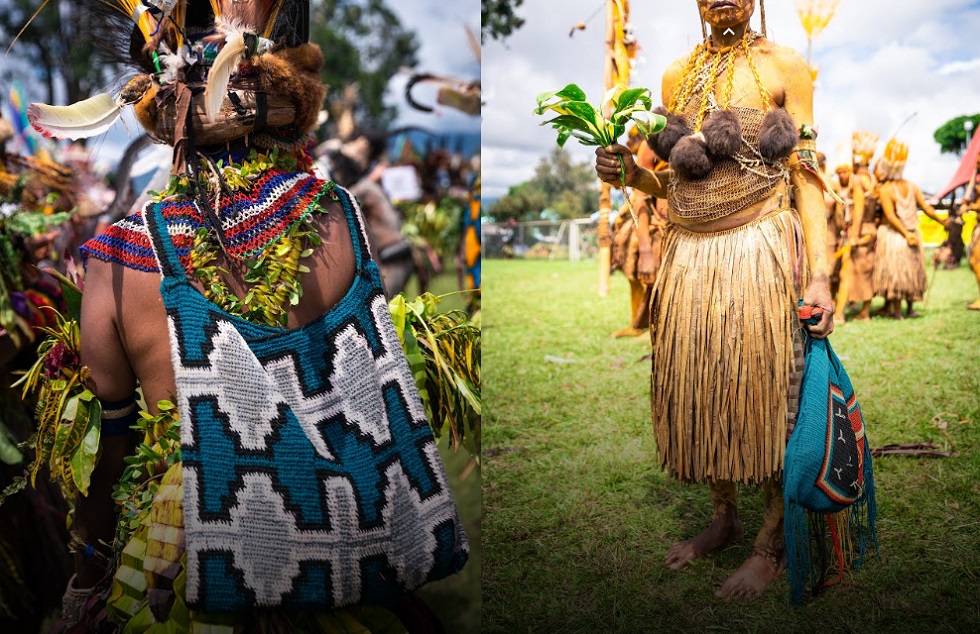
In Papua New Guinea, the creation of a bilum is an intricate, multi-step artisan process. Fibers must be hand-stripped, dried, and spun against the artisan’s leg before looping begins. Distinctive patterns and color palettes often denote regional affiliation, family heritage, or the individual maker’s signature. Contemporary artists, such as Florence Jaukae Kamel (widely known as the "Bilum Meri"), have modernized the craft by adapting traditional techniques into contemporary garments. This evolution has transformed the bilum from a utilitarian utility bag into a recognized cultural emblem, supporting women’s cooperatives and securing a presence on international design runways.
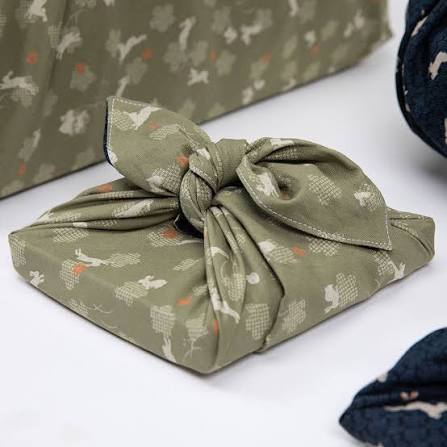
In Japan, the furoshiki has experienced a significant modern renaissance driven by environmental policy. In 2006, Japan’s Ministry of the Environment launched a national campaign promoting furoshiki as an eco-friendly alternative to single-use plastic shopping bags. Emphasizing zero waste, infinite repairability, and flat-pack storage, the traditional wrapping cloth has re-entered contemporary commercial spaces as a symbol of mindful consumption.
Implications for the Future of Carry Design
The juxtaposition between ancestral carry methods and contemporary technical luggage highlights two divergent philosophies in gear engineering. Modern industrial design frequently treats a backpack as an independent, highly compartmentalized machine strapped to the human frame, optimizing for organizational pockets, water-resistant zippers, and specialized tactical webbing.
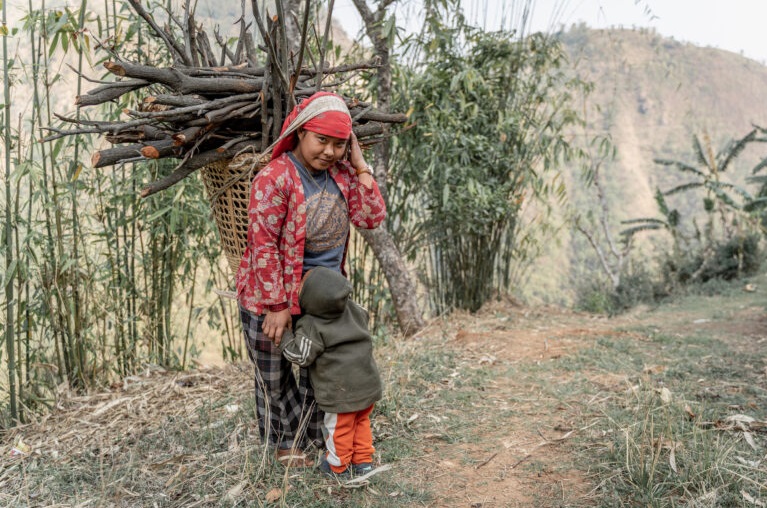
Conversely, traditional systems approached carriage as an extension of the human anatomy, emphasizing radical simplicity, multi-functionality, repairability, and seamless kinematic integration. While modern materials science offers unmatched weatherproofing and abrasion resistance, contemporary designers increasingly look to ancestral wisdom to solve modern ergonomic and environmental challenges. By re-evaluating how weight is distributed, how materials interact with climate, and how gear can be repaired rather than replaced, the modern carry industry may find that the next great leap forward relies on rediscovering principles established centuries ago.