Dell has remained a cornerstone of the personal computing industry since its inception, with its hardware evolution mirroring the broader trajectory of the digital age. From the ubiquity of the Inspiron series in the early 2000s to the high-performance refinement of the XPS line, the company has consistently positioned itself as a primary supplier for students, professionals, and enterprise-level organizations. As of 2025, the manufacturer is undergoing its most significant structural branding change in years, moving away from legacy model designations toward a simplified, tier-based naming convention reminiscent of mobile device ecosystems.

The 2025 Branding Transition: A New Era for Dell
In January 2025, Dell announced a pivot in its nomenclature to simplify the purchasing experience for consumers and business clients alike. Under the new architecture, the familiar Inspiron, XPS, Latitude, and Precision monikers are being retired in favor of a cohesive "Dell" umbrella. This move is designed to clarify the product hierarchy:
- Dell: The entry-level tier, formerly known as the Inspiron series, catering to budget-conscious users and basic productivity needs.
- Dell Plus: The evolution of the Inspiron Plus, offering enhanced performance for mid-tier tasks.
- Dell Premium: The successor to the iconic XPS series, targeting power users, creatives, and professionals who require high-end build quality and processing capabilities.
- Dell Pro, Pro Plus, and Pro Premium: Replacing the Latitude lineup, these business-grade machines are now tiered by performance capability and professional features.
- Dell Pro Max: The new identity for the workstation-class Precision line, designed for intensive engineering, 3D rendering, and data science applications.
While the exterior designs and internal components remain largely consistent with previous generations, this branding shift signifies Dell’s attempt to align its marketing with the expectations of a modern audience that prioritizes simplicity and direct comparisons to competitors like Apple’s MacBook lineup.
Top Performers in the 2025 Catalog
The current market landscape is defined by the integration of AI-ready processors and the maturation of ARM-based Windows computing. Based on extensive lab testing, several models have emerged as industry leaders.
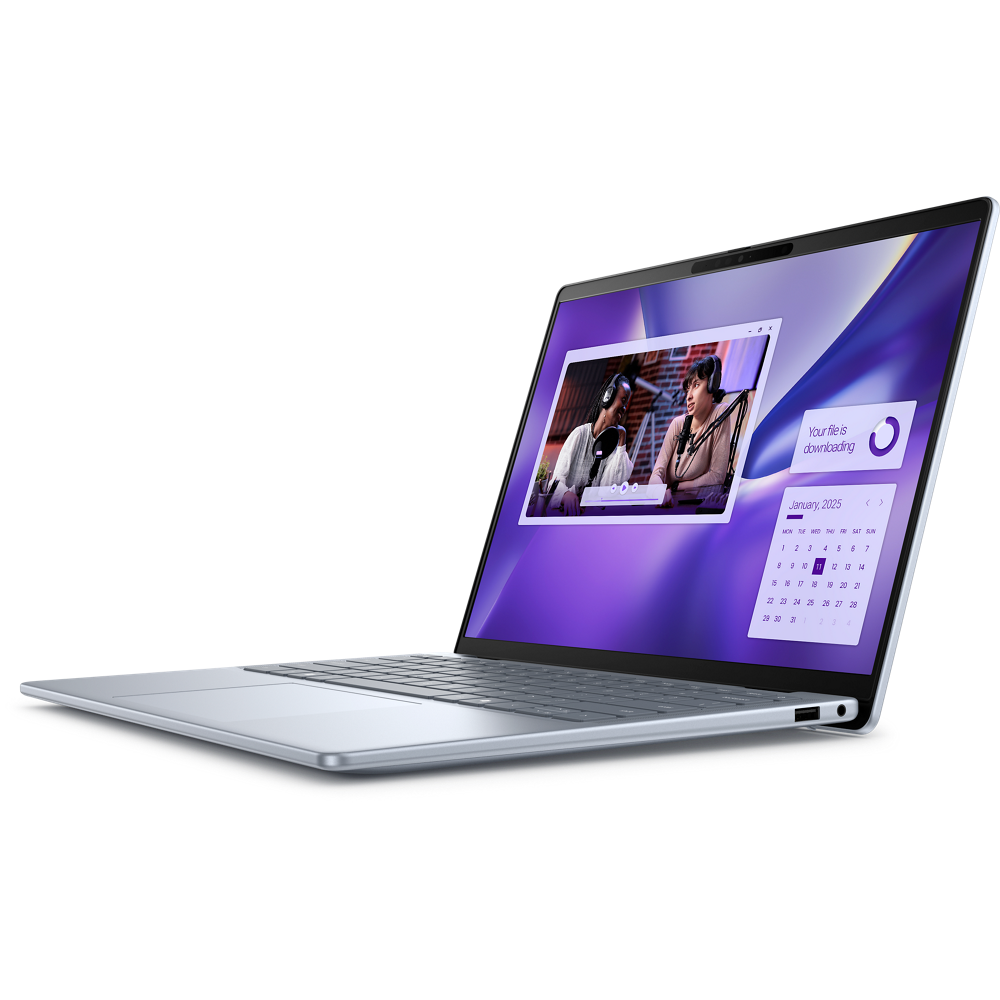
The Versatility Leader: Dell Inspiron 14 Plus (7441)
The Inspiron 14 Plus, powered by the Qualcomm Snapdragon X Plus, currently represents the best all-around value for the average user. With an exceptional battery life exceeding 18 hours, it addresses the primary pain point for modern mobile workers. In benchmark testing, the device achieved a multi-core score of 13,281 on Geekbench 6, surpassing the MacBook Air M3. Its integration of AI-capable hardware makes it a robust choice for multitasking, though its color gamut coverage (69.1% DCI-P3) suggests it is better suited for office tasks than professional-grade color-accurate creative work.
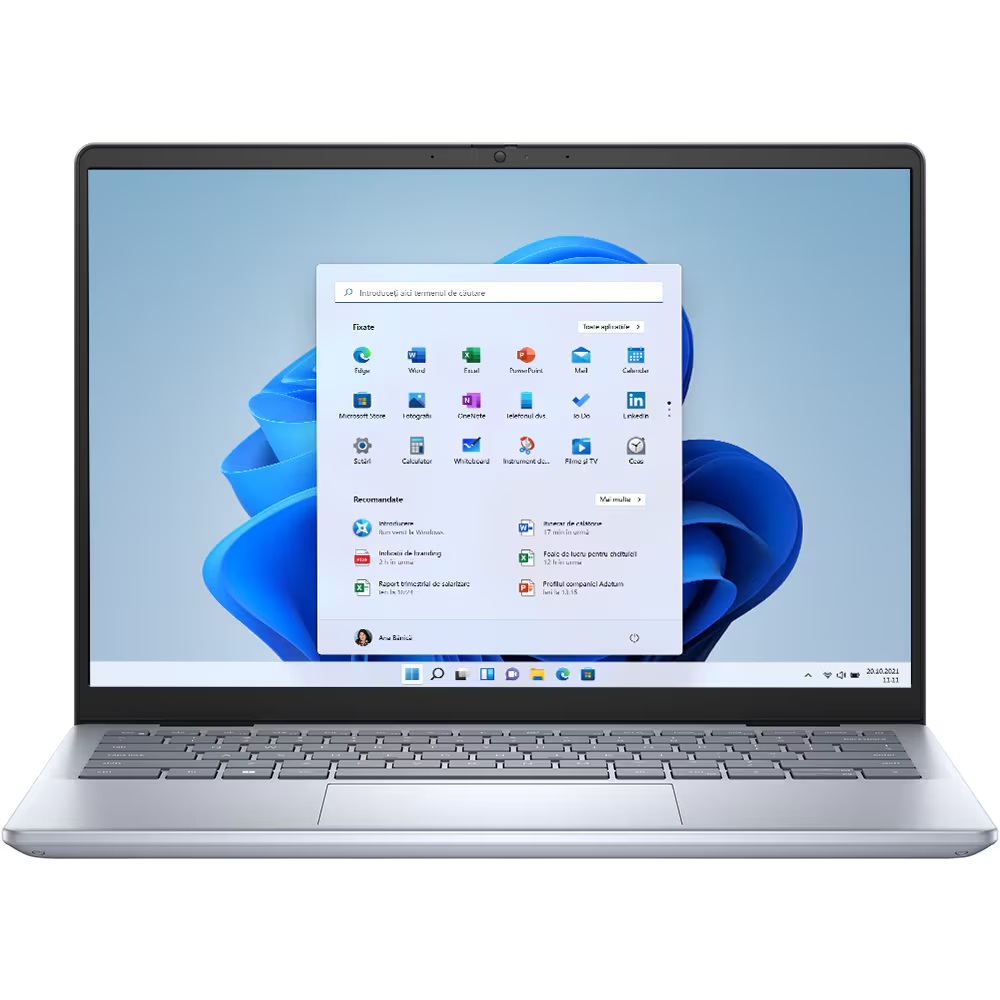
The Value Champion: Dell Inspiron 14 Plus (7440)
For users who prefer x86 architecture and require stronger integrated graphics, the Intel-powered Inspiron 14 Plus remains a formidable contender. By utilizing the Intel Core Ultra 7 155H processor and Intel Arc graphics, this model achieves 34 fps in gaming benchmarks like Civilization VI, significantly outperforming the ARM-based alternatives in graphical tasks. Despite running warmer under load, its price-to-performance ratio makes it the ideal choice for students and budget-conscious professionals.
The Gaming Powerhouse: Dell G16 (7630)
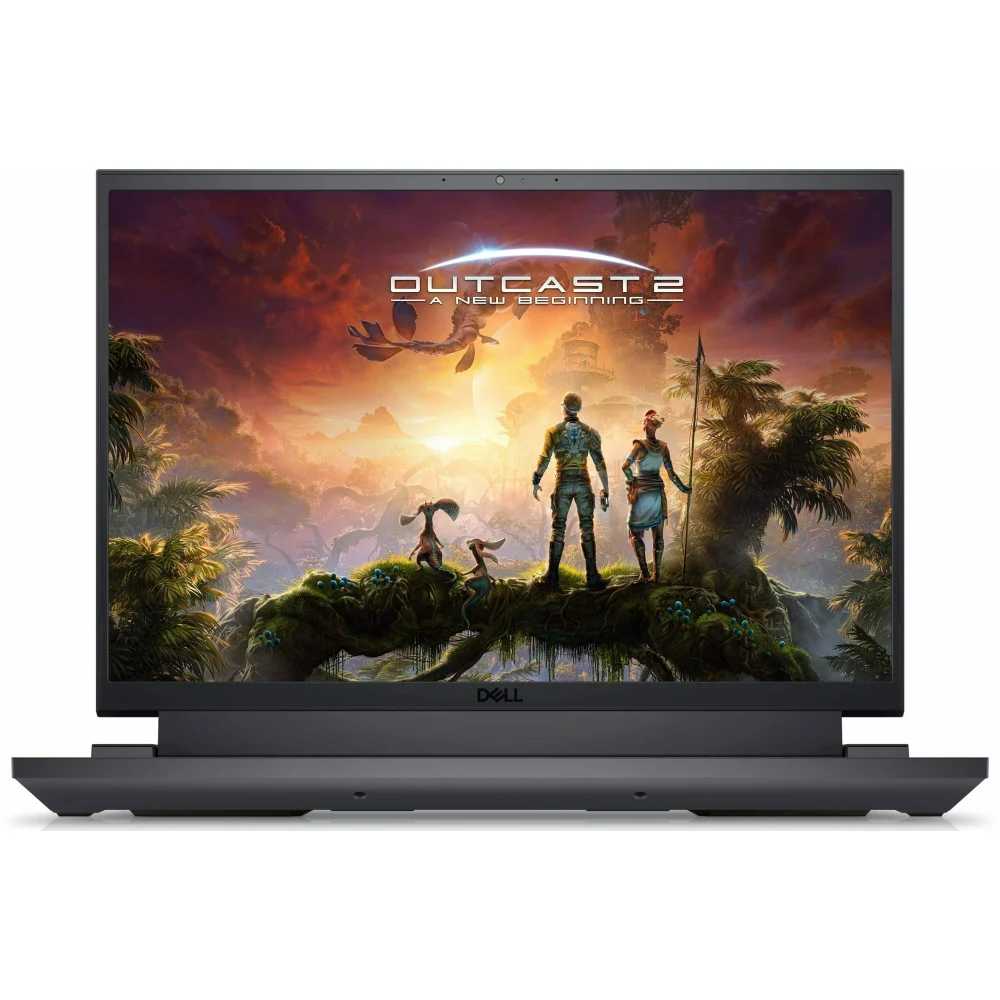
The G16 (7630) continues to defy the "budget gaming" stigma. Featuring an Nvidia GeForce RTX 4060 and a 240Hz refresh rate display, it offers a high-end experience at a sub-$1,000 price point. Its most notable feature is the inclusion of a Cherry MX tactile mechanical keyboard, a rarity in portable gaming hardware. While the speakers and trackpad are admittedly modest, the G16 stands as the most impressive budget gaming laptop in the current Dell ecosystem.
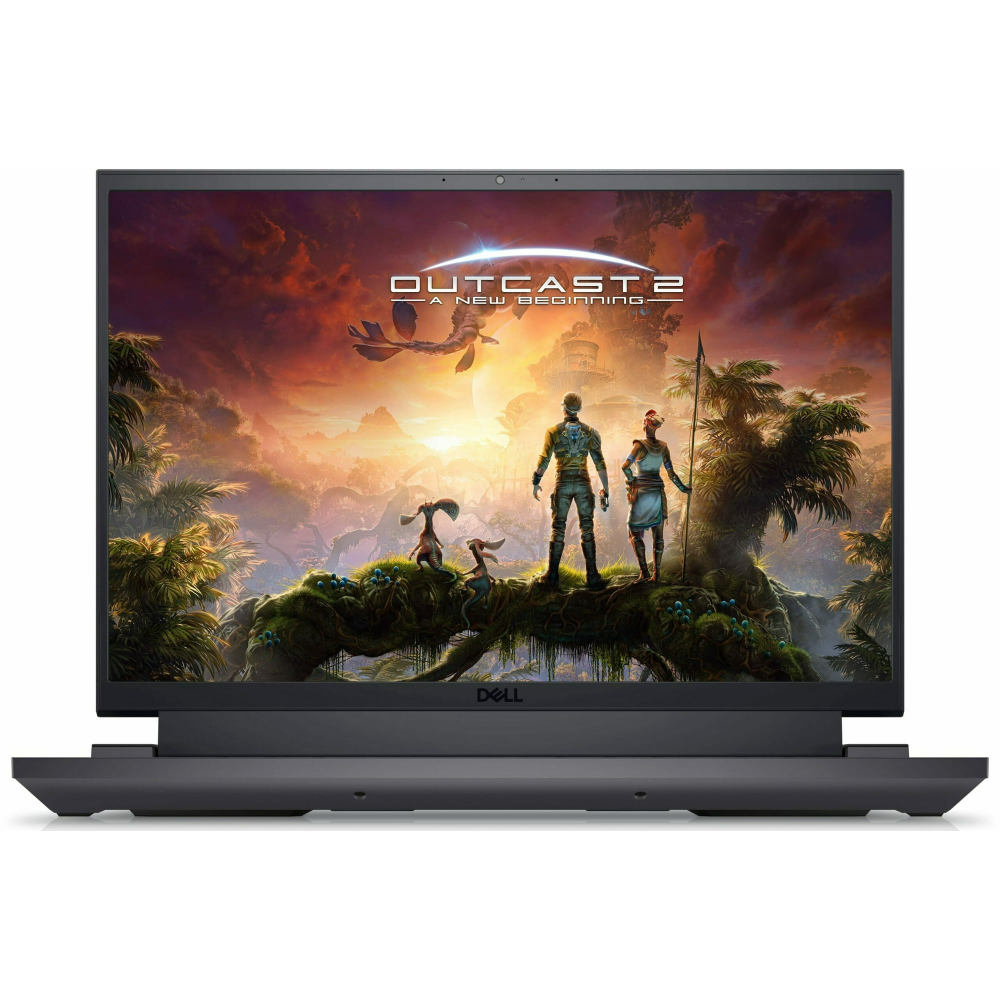
The Creative Choice: Dell XPS 13 OLED (9350)
For those prioritizing display quality, the XPS 13 OLED remains the industry standard. With a tandem OLED panel that covers 144.6% of the DCI-P3 color gamut, it provides color accuracy that far exceeds most premium laptops. While the battery life is lower than its IPS counterparts due to the power demands of the OLED screen, it remains the primary choice for photographers and digital designers who require perfect visual fidelity.
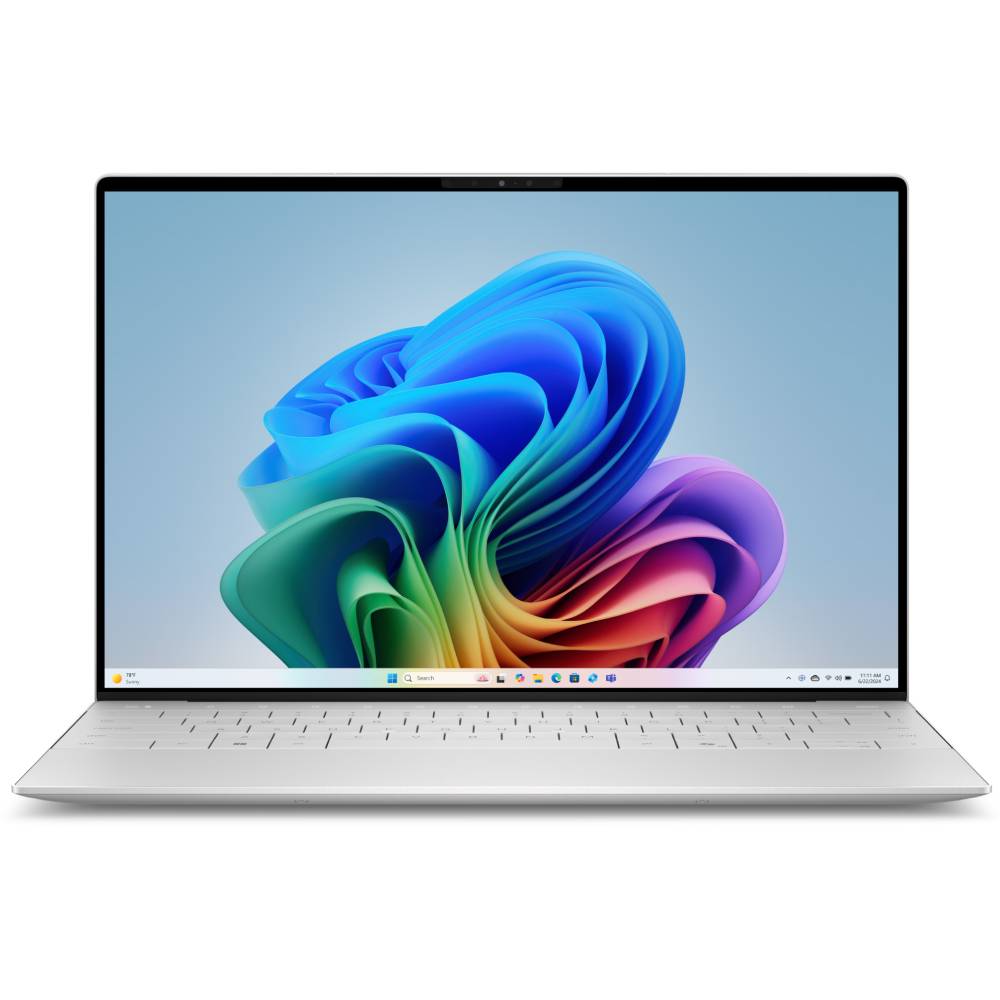
The Endurance King: Dell XPS 13 (9345)
The Snapdragon-powered XPS 13 (9345) represents the pinnacle of power efficiency. During testing, this device logged over 20 hours of continuous web surfing on a single charge. It is an ideal solution for remote workers who frequently operate away from power outlets. Its performance scores (14,635 on Geekbench 6) demonstrate that ARM-based architecture has officially entered the performance tier, capable of handling complex workflows including heavy browser-based multitasking and professional suites.
Technical Benchmarks and Testing Methodology
The transition in hardware power is evidenced by the shift in performance metrics. Dell’s integration of both Snapdragon X Elite/Plus chips and Intel Lunar Lake processors has created a complex, yet diverse, range of performance profiles.
| Model | Geekbench 6 (Multi) | Battery Life (Web) | DCI-P3 Gamut |
|---|---|---|---|
| XPS 13 (Snapdragon) | 14,635 | 19.01 hrs | 66.9% |
| Inspiron 14 Plus (Snapdragon) | 13,281 | 18.20 hrs | 69.1% |
| Inspiron 14 Plus (Intel) | 12,729 | 15.06 hrs | 68.4% |
| G16 (7630) | 11,209 | 5.04 hrs | 114.0% |
These metrics confirm that while the Snapdragon-powered machines lead in efficiency and multi-core processing, the Intel-based machines retain their advantage in graphics-intensive tasks and display color saturation.
Broader Implications and Market Impact
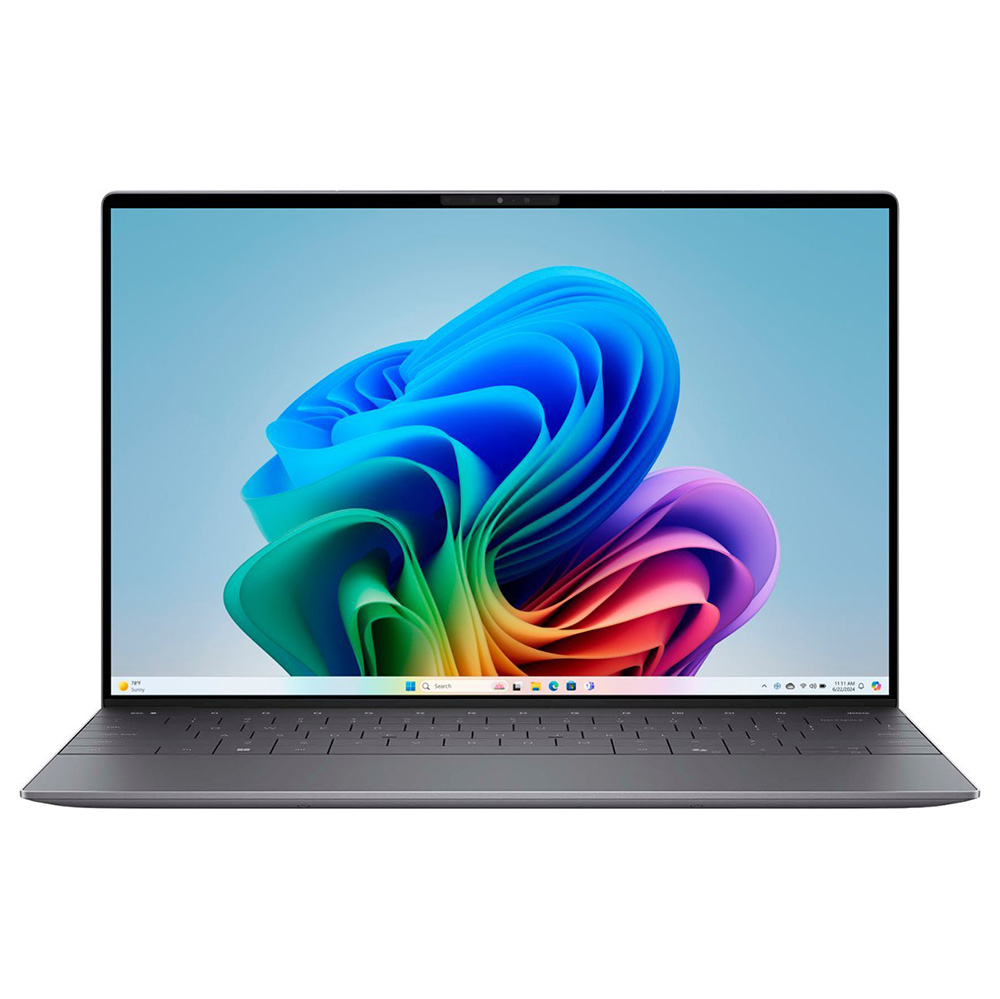
The decision to overhaul the brand naming structure is not merely cosmetic; it is a tactical response to the saturation of the laptop market. By adopting a tiered structure, Dell is mirroring the strategies of the automotive industry—where "Pro" and "Max" designations imply clear feature sets and price brackets. This reduces the cognitive load on the consumer.
Furthermore, Dell’s commitment to maintaining manufacturing hubs in both the United States (Austin) and key international locations (China and Ireland) ensures that the company remains resilient against supply chain volatility. The company’s continued investment in the "Pro Max" workstation line underscores its dominance in the enterprise sector, where it remains a primary vendor for large-scale corporate deployments.

Conclusion: Navigating the 2025 Portfolio
For the prospective buyer, the current Dell lineup offers a solution for every use case, provided one understands the new naming architecture. The "Dell" and "Dell Plus" tiers are the primary workhorses for the general public, while the "Dell Premium" line continues to define the ultrabook category. As the year progresses, the industry expects further refinement of the "Pro" and "Pro Max" lines as they integrate more advanced NPU (Neural Processing Unit) capabilities to support local AI operations, effectively future-proofing the hardware for the next generation of software developments.
When selecting a machine from this catalog, consumers should weigh the trade-offs between the efficiency of the new ARM-based Snapdragon chips and the broad compatibility and graphics performance of the Intel-based platforms. With the provided benchmark data and the updated naming hierarchy, users are better equipped to navigate the evolving Dell landscape and secure hardware that meets their specific performance, longevity, and budgetary requirements.