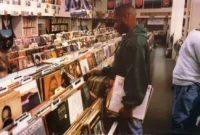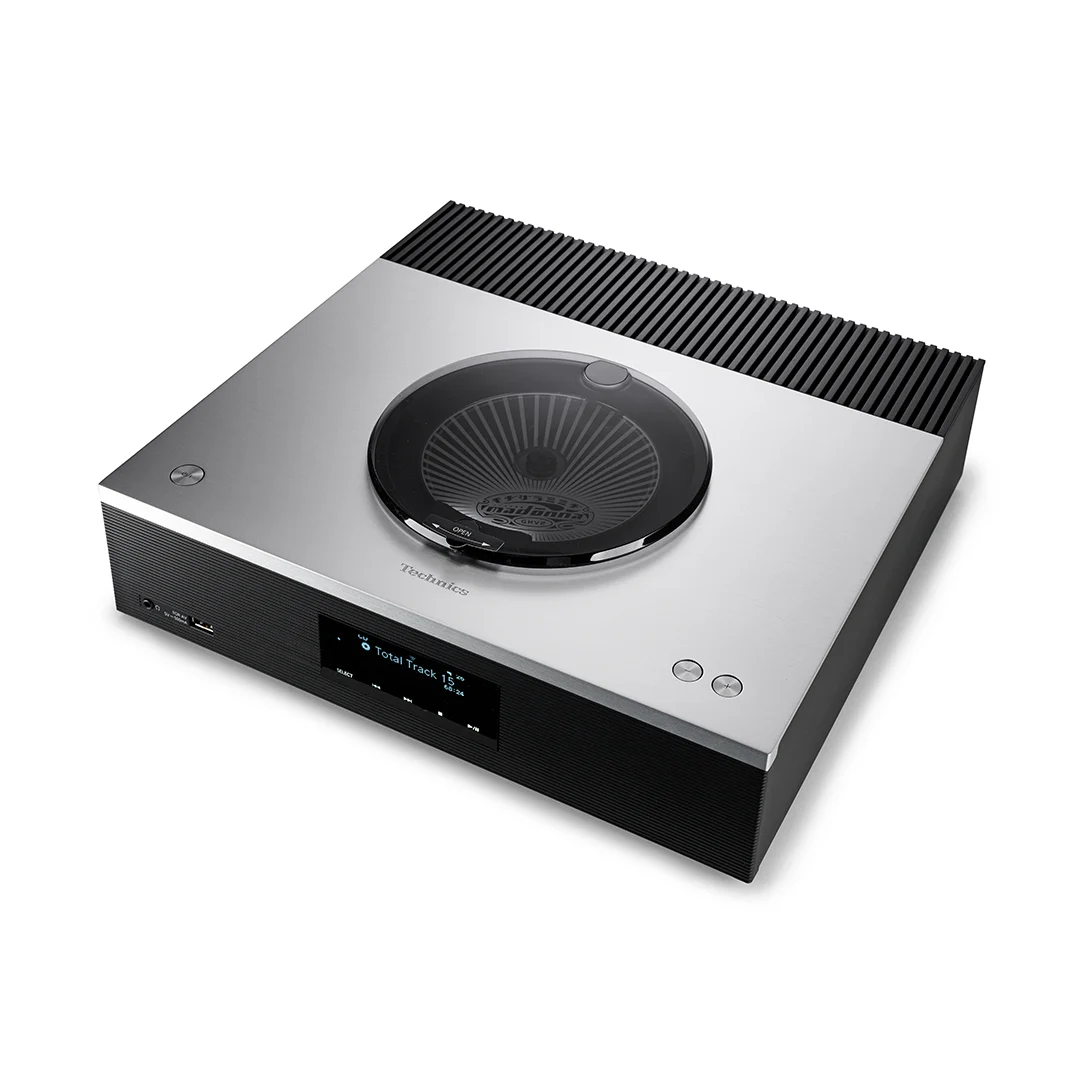
The compact disc, once considered a relic of the late 20th century, is currently experiencing a remarkable cultural and commercial revival. While the "vinyl resurgence" has dominated music industry headlines for over a decade, recent market data indicates that the humble CD is undergoing its own renaissance. Driven by a combination of collector interest, the limitations of streaming-only consumption, and a newfound appreciation for physical media among younger demographics, CD sales have stabilized and, in some regions, begun to climb for the first time since the early 2000s.
A Chronology of the Digital Disc
To understand the current state of the CD, one must look back to its inception. Introduced commercially in 1982 with the launch of the Sony CDP-101, the CD represented the first major transition from analog to digital audio for the mass market. Throughout the 1990s, the format became the dominant global standard, peaking in 2000 when global CD shipments reached an all-time high of approximately 2.4 billion units.
The subsequent arrival of MP3 technology, peer-to-peer file sharing, and eventually the streaming era—led by platforms like Spotify and Apple Music—sent CD sales into a precipitous decline. By 2015, the format had been relegated to a niche interest, with many retailers clearing shelf space for vinyl or digital hardware. However, the last five years have seen a reversal. According to the Recording Industry Association of America (RIAA), after hitting a multi-decade low, CD revenue has seen consecutive years of growth, signaling that the format has successfully found a new baseline.
Market Indicators and Consumer Behavior
The resurgence is not merely anecdotal. Internet search trends for "CD players" reached a five-year peak in December 2023, suggesting that consumers are not just purchasing discs but are actively seeking the hardware necessary to enjoy them. This trend is bolstered by the "Gen Z" demographic, which has shown a strong preference for physical ownership of media, viewing the tactile nature of CDs as a reprieve from the ephemeral nature of subscription-based streaming services.
Retailers have noted that younger listeners often cite the "ritual" of playing a disc and the inclusion of liner notes and physical artwork as primary motivators for their purchases. Furthermore, audiophiles continue to value the CD for its uncompressed 16-bit/44.1kHz audio quality, which remains superior to many standard-tier compressed streaming formats.
Industry Response and Hardware Evolution
In response to this renewed demand, high-fidelity audio manufacturers have pivoted their R&D efforts to modernize CD playback equipment. The current market is bifurcated between accessible entry-level players and sophisticated, high-end transports that cater to modern digital setups.
The Marantz CD 70, introduced in early 2024, stands as a prime example of this ongoing investment. By focusing on high-quality digital-to-analog conversion (DAC) and robust mechanical builds, manufacturers are proving that the format can compete with high-resolution streaming. Similarly, the Arcam CD5, which earned "Product of the Year" accolades from specialized publications, emphasizes the muscularity and rhythmic precision that modern listeners demand.
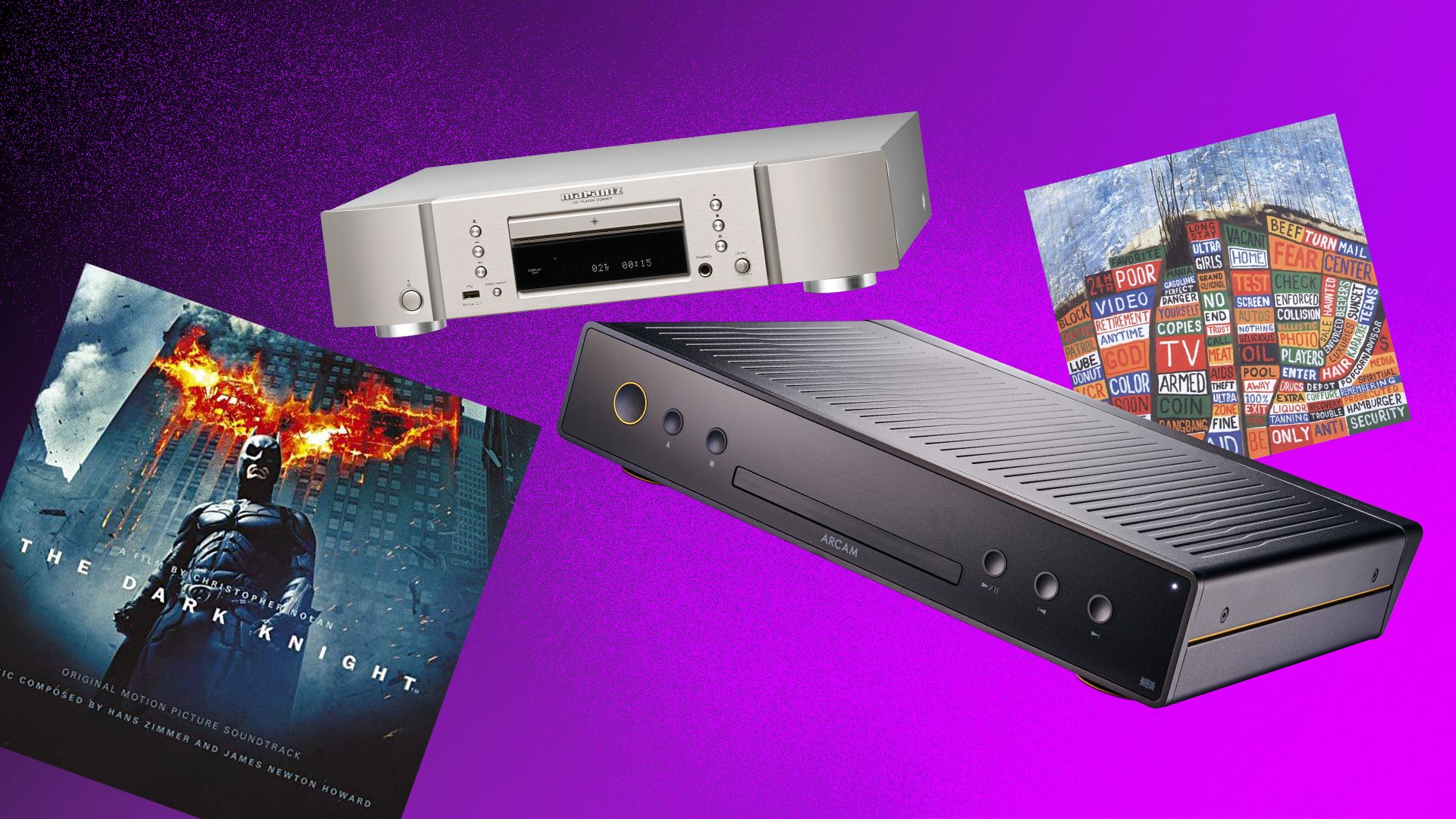
For those who have already invested in high-end DACs, the Cambridge Audio CXC remains a cornerstone of the market. As a dedicated CD transport, it bypasses internal conversion, allowing the user to utilize their existing high-end digital infrastructure. This modular approach highlights the versatility of the format in the 21st century.
Analysis of the "Physical Media" Shift
The broader implications of this trend point to a fundamental shift in how consumers value digital content. The "streaming fatigue" phenomenon—whereby users feel a lack of permanence or connection to their music libraries—has created a vacuum that physical media is uniquely positioned to fill.
Economically, the CD provides a more affordable entry point into physical collecting than vinyl. While a new vinyl record might retail for $30 to $40, a new CD can often be acquired for a fraction of that cost, making it an accessible medium for students and younger collectors. From an environmental and logistical perspective, CDs are easier to store and ship than vinyl, which is prone to warping and requires more complex manufacturing processes.
Industry analysts suggest that the CD market will likely never return to the heights of the year 2000, but it is successfully establishing itself as a permanent fixture alongside vinyl. It is evolving from a mass-market commodity into a premium format for music enthusiasts who value high-fidelity sound and tangible ownership.
Challenges and Future Outlook
Despite the growth, the industry faces challenges, particularly in manufacturing. Many of the specialized plants that once produced high-quality CD mechanisms have consolidated or closed. As such, the cost of manufacturing dedicated laser assemblies and transport mechanisms has risen. Furthermore, the longevity of legacy CD players is a concern; as older units from the 1990s and 2000s fail, the demand for affordable, reliable repair services and new, durable hardware will continue to grow.
However, the outlook remains positive. The continued production of new music on CD—often including special editions, box sets, and "deluxe" packages—ensures that the format remains relevant to artists and record labels as a primary revenue stream.
Conclusion
The CD is no longer a "dead" format; it is a stable, mature technology that has been rediscovered by a new generation of listeners. For the casual fan, it offers a tangible connection to the music they love; for the audiophile, it remains a gold standard for digital playback. As long as there is demand for high-quality audio and a desire to own music rather than rent it, the compact disc will continue to spin in the test rooms and living rooms of enthusiasts worldwide. The evidence from the past year suggests that this physical media revival is not merely a temporary spike in interest, but a sustained movement that challenges the total dominance of the digital cloud.