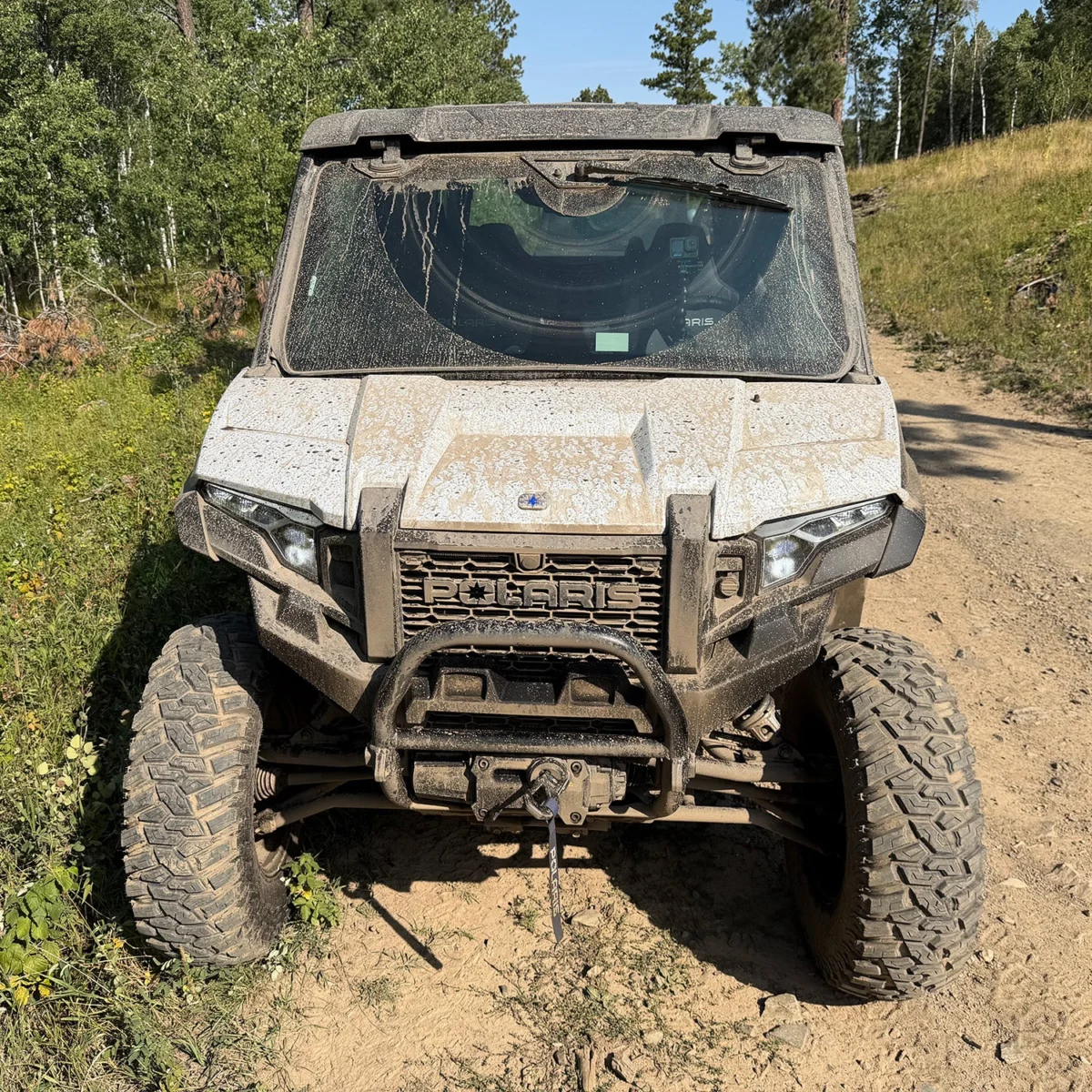
The landscape of off-road recreation is undergoing a significant technological shift as Polaris Inc. introduces its latest advancement in transmission engineering. On September 14, 2026, the company showcased its upgraded Xpedition side-by-side (SxS) vehicle, centered on the implementation of the proprietary NUMATIX Controlled CVT transmission. Tested against the challenging topography of South Dakota’s Black Hills National Forest, the vehicle represents a strategic move by Polaris to bridge the gap between heavy-duty off-road utility and passenger-focused refinement. By utilizing pressurized air to modulate clutch engagement, the manufacturer claims a 40 percent reduction in cabin noise, addressing one of the most persistent consumer criticisms regarding the side-by-side category.
The Evolution of the Side-by-Side Segment
Side-by-side vehicles, originally derived from utilitarian agricultural and industrial workhorses, have evolved into a distinct recreational segment. Over the past decade, manufacturers have transitioned these machines from open-air, high-vibration platforms into sophisticated, climate-controlled environments. Modern iterations frequently include integrated infotainment systems, power windows, and climate-controlled cabins. This evolution has fostered a secondary market where, in jurisdictions with appropriate traffic legislation—such as parts of Utah, Arizona, and select rural municipalities—these vehicles are increasingly utilized for secondary transportation or as primary vehicles for short-range commuting.
Despite these advancements, the inherent nature of a Continuously Variable Transmission (CVT) paired with a high-performance engine has historically created a significant acoustic barrier. Because off-road engines typically operate at elevated RPMs to provide the torque necessary for technical terrain, the resultant cabin noise has often necessitated the use of hearing protection or aftermarket sound-dampening materials. The industry standard for these vehicles has long been characterized by a persistent, high-pitched mechanical drone, which has historically limited the appeal of the platform to consumers prioritizing comfort or long-range touring.
Technical Overview of the NUMATIX Innovation
The core of the 2026 Xpedition upgrade is the NUMATIX system. Unlike traditional mechanical-centrifugal clutch systems, the NUMATIX platform employs an electronically controlled, air-pressurized actuator to manage the transmission’s engagement. This allows the vehicle’s onboard computer to optimize engine load more effectively during cruising or moderate-intensity driving.
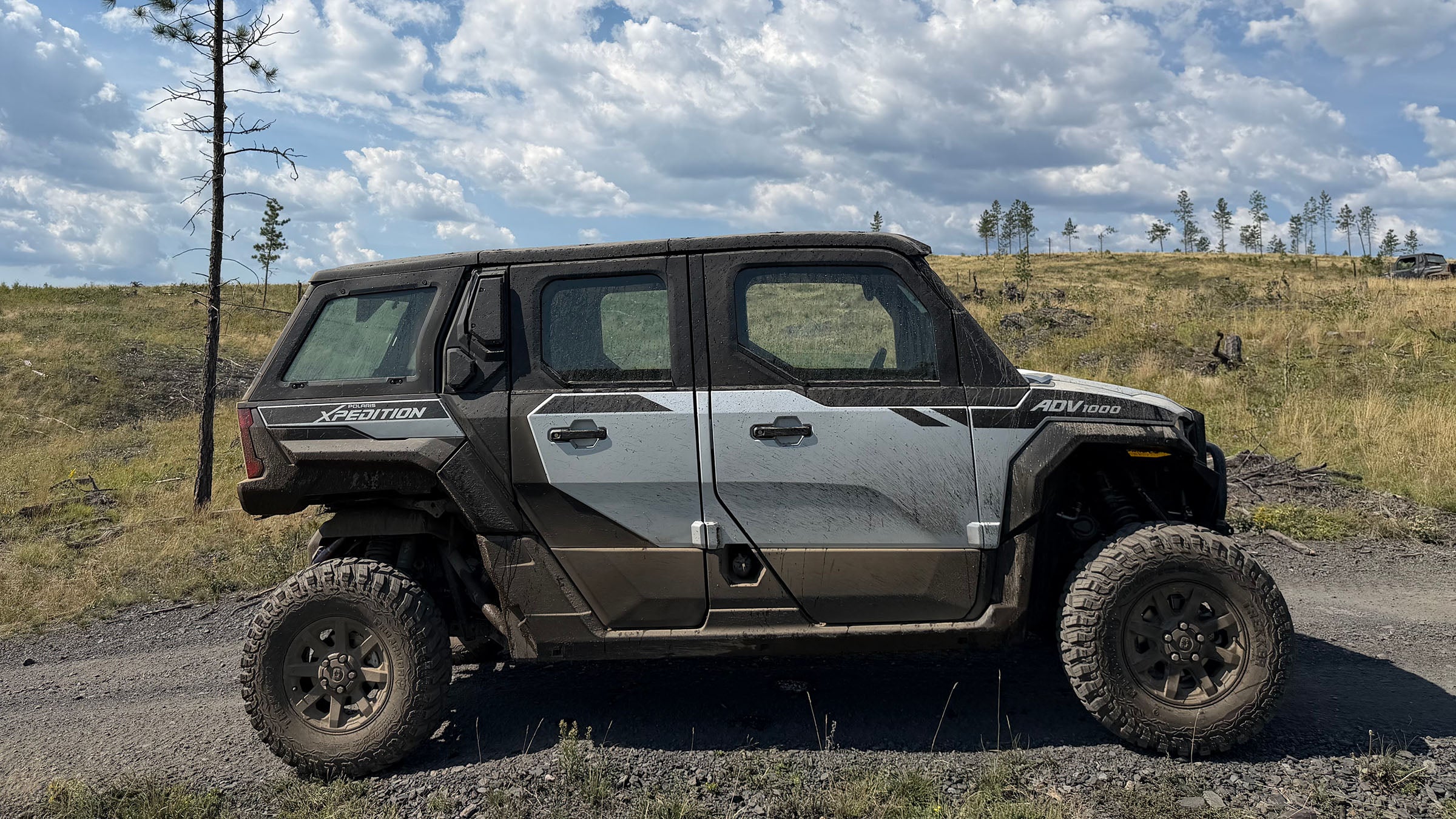
In practice, the system offers two distinct operating profiles: Comfort and Sport. In Comfort mode, the NUMATIX system prioritizes lower RPMs and smoother power delivery, directly contributing to the stated 40 percent reduction in noise. When switched to Sport mode, the system disengages the noise-reduction protocols to allow for immediate, high-torque power delivery required for technical rock crawling or rapid acceleration in loose terrain. The 999cc engine, producing 114 horsepower, remains a consistent performance benchmark for the series, maintaining the vehicle’s ability to navigate steep inclines and mud-bogged trails with 14 inches of ground clearance.
Chronology of Field Testing and Development
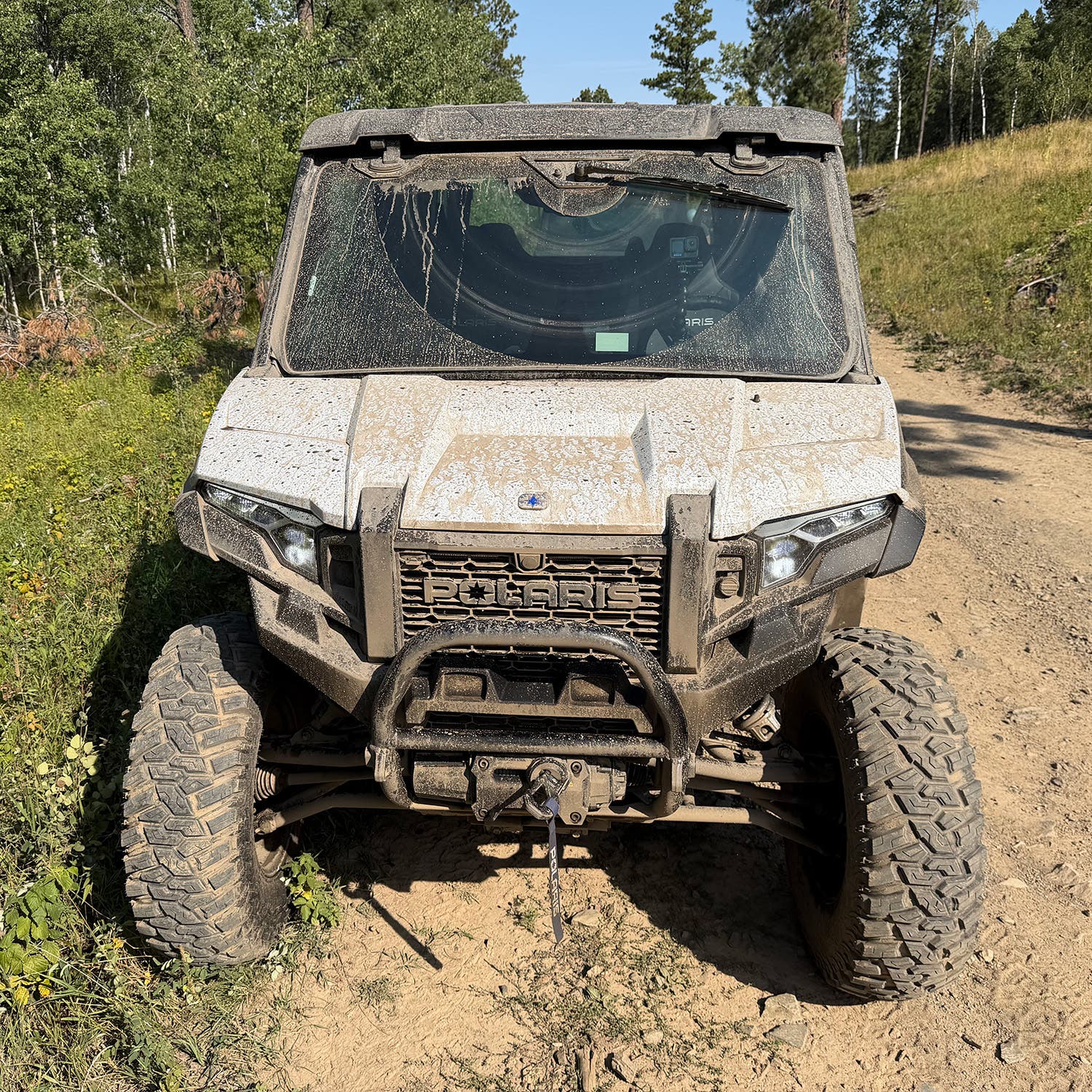
The deployment of the NUMATIX-equipped Xpedition in the Black Hills National Forest served as a stress test for the new transmission under extreme environmental variables. The testing window, which saw rapid transitions from clear weather to intense hail and mud-heavy conditions, allowed engineers to observe how the air-pressure-governed transmission reacted to variable traction and sudden shifts in load.
Historically, the Xpedition line has prioritized accessibility for the average driver. By removing the need for manual gear manipulation and relying on a "point-and-go" philosophy, Polaris has successfully targeted a demographic that possesses the capital to invest in recreational equipment but may lack the technical expertise required to operate traditional high-performance off-road vehicles. The testing in South Dakota confirmed that even under suboptimal road conditions—where mud and slick rock gardens would traditionally challenge the stability and confidence of an inexperienced driver—the Xpedition’s current iteration maintained operational stability.
Comparative Market Analysis
To understand the position of the Xpedition within the broader Polaris portfolio, it is necessary to compare it against performance-oriented models like the RZR Pro R4. While the RZR utilizes a larger 1997cc engine to achieve similar horsepower levels, its focus is strictly on competitive racing and high-speed maneuvers. The Xpedition, conversely, is positioned as a "touring" side-by-side.
- Polaris Xpedition (XP/ADV5): 999cc engine, 114 HP, optimized for comfort, cargo capacity, and sound reduction. Starting MSRP: $40,499.
- Polaris RZR Pro R4: 1997cc engine, high-output, optimized for Baja-style racing and suspension travel.
- Utility/Work Competitors: Typically focus on towing capacity and bed size rather than the specialized transmission-driven comfort found in the Xpedition.
The pricing structure of the Xpedition—beginning at $40,499 for the two-seat model—places it in the premium tier of the off-road market. This price point reflects the cost of integrating the NUMATIX system and the advanced chassis design required for an enclosed, climate-controlled cabin.
Broader Industry Implications
The introduction of the NUMATIX system signals a broader industry trend toward "civilizing" the off-road experience. As the average age of the off-road consumer demographic trends higher, the demand for vehicles that offer comfort without sacrificing capability has intensified. By mitigating the acoustic fatigue associated with long hours in the saddle, Polaris is effectively expanding the usable range of the side-by-side.
Furthermore, the vehicle’s capacity for overlanding is enhanced by its modularity. The ADV5 model, which features an enclosed rear cargo area measuring 36 inches by 47 inches, allows for the transport of significant camping gear, including full-sized coolers and auxiliary equipment. The capability to accommodate roof racks and hitch-mounted bicycle carriers suggests that Polaris is actively courting the overlanding community—a segment that previously favored modified Jeep Wranglers or Toyota 4Runners.
Conclusion and Future Outlook
The shift toward quieter, more refined off-road machinery is unlikely to stop with the NUMATIX transmission. Industry analysts suggest that as electronic control systems become more integrated into powertrain management, the line between passenger automotive technology and powersports equipment will continue to blur.
For the current consumer, the Xpedition represents a significant evolution in off-road design. By addressing the "noise problem," Polaris has moved the side-by-side out of the realm of specialized, high-intensity recreation and into the domain of legitimate adventure-touring. While the price point remains a hurdle for many, the technical improvements in ride quality and user comfort establish a new benchmark for the category, ensuring that future iterations will likely focus on even greater integration of digital comfort and mechanical efficiency. As the industry moves toward 2027 and beyond, the success of the NUMATIX system will likely dictate the adoption rate of similar pressurized-clutch technologies across the wider off-road vehicle market.