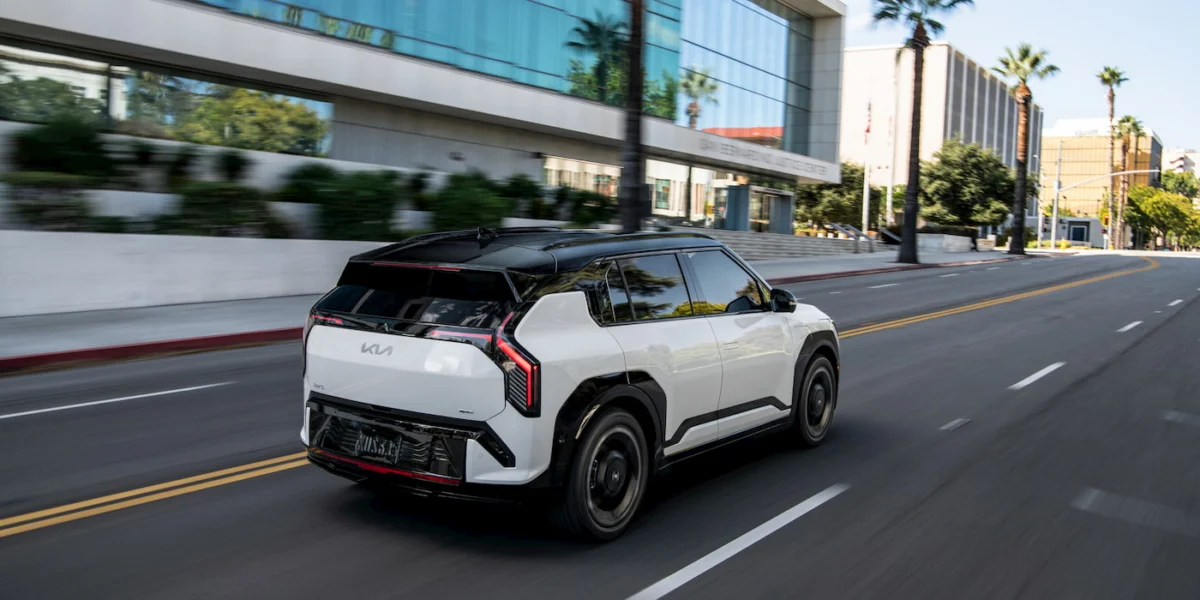
The automotive landscape in the United States is undergoing a seismic shift toward electrification, driven heavily by aggressive pricing strategies and expanding charging infrastructure. Within this evolving market, the introduction of the 2027 Kia EV3 marks a pivotal milestone for budget-conscious consumers seeking zero-emission mobility without compromising range, technology, or build quality. Positioned as Kia’s most accessible all-electric offering to date, the compact SUV enters a highly competitive arena featuring legacy rivals and newly redesigned heavyweights. As the first units officially arrive at dealerships nationwide, consumer interest has rapidly shifted from initial sticker prices to concrete financing and lease terms. Understanding the comprehensive financial structure of the EV3 requires a close look at its trim hierarchy, battery capabilities, charging speeds, and a comparative analysis against key domestic competitors like the Chevrolet Bolt and the Chevrolet Equinox EV.
Pricing Structure, Trim Levels, and Mechanical Configurations
The 2027 Kia EV3 arrives with an expansive lineup designed to cater to a diverse array of consumer preferences and driving demands. Spanning five distinct trim levels—Light, Wind, Land, GT-Line, and the performance-focused GT—the compact SUV establishes a broad entry window. The base-model EV3 Light initiates the lineup with an enticing manufacturer’s suggested retail price of $29,890, excluding the standard $1,495 destination and delivery fee. This aggressive base pricing places the vehicle firmly alongside traditional internal combustion engine crossovers, reshaping the economic argument for EV adoption.
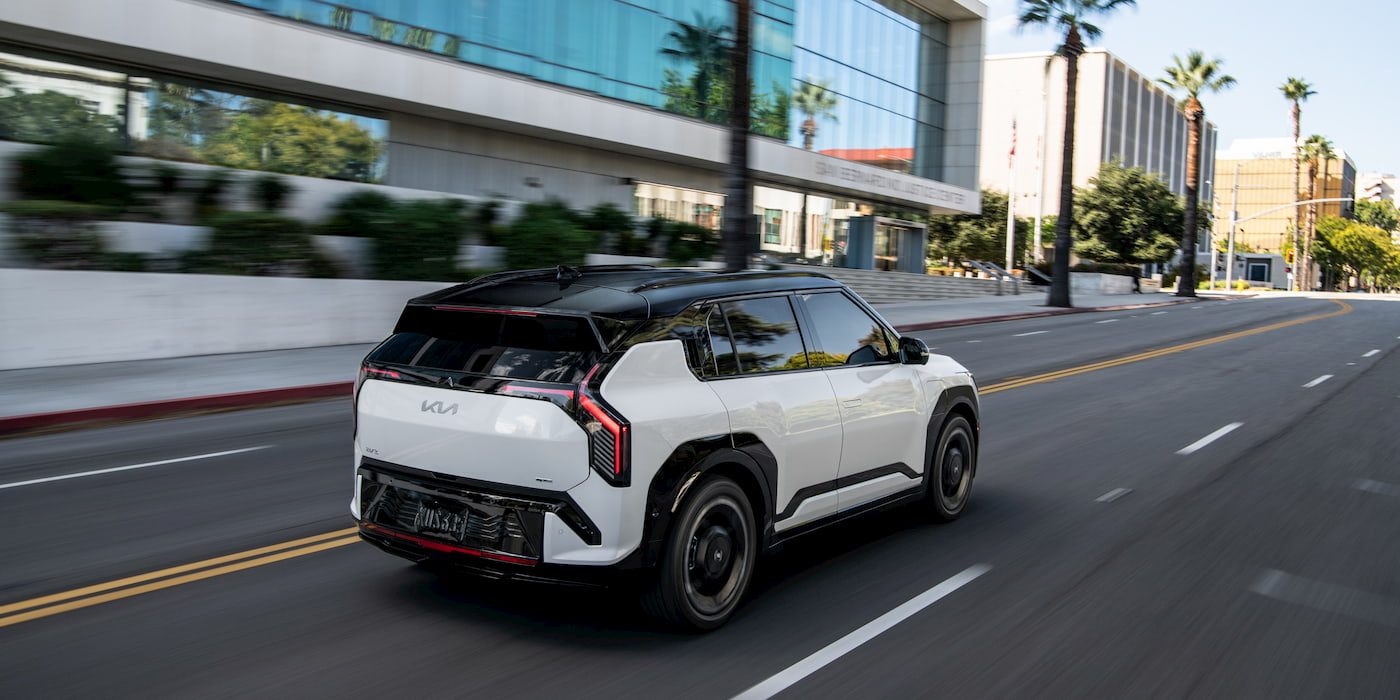
Mechanically, the EV3 utilizes two distinct battery architectures that dictate both its pricing and operational range. The entry-level Light trim is equipped with a 58.3 kWh lithium-ion battery pack paired with a front-wheel-drive (FWD) single electric motor layout. This configuration generates 201 horsepower and delivers an EPA-estimated driving range of 221 miles, making it an ideal candidate for urban and suburban commuters.
Stepping up to the Wind, Land, GT-Line, and range-topping GT trims introduces a larger 81.4 kWh battery pack. Front-wheel-drive variants utilizing this high-capacity battery push the EPA-estimated driving range up to a class-leading 321 miles on a single charge. For buyers requiring enhanced traction in inclement weather, an all-wheel-drive (AWD) option is available on select trims for an additional $3,200. The AWD system incorporates a secondary rear electric motor, elevating total system output to 261 horsepower while adjusting the estimated range to 280 miles. At the apex of the performance ladder sits the $45,890 EV3 GT AWD, which maximizes output to 288 horsepower and features bespoke exterior and interior styling cues exclusive to Kia’s performance division.
Charging Ecosystem and Infotainment Technology
Modern electric vehicle adoption relies heavily on fast-charging infrastructure and seamless digital integration. Recognizing this, Kia has equipped every 2027 EV3 variant with a North American Charging Standard (NACS) port straight from the factory. This integration enables drivers to plug directly into Tesla’s expansive Supercharger network without the need for aftermarket adapters, significantly mitigating range anxiety during long-distance travel.
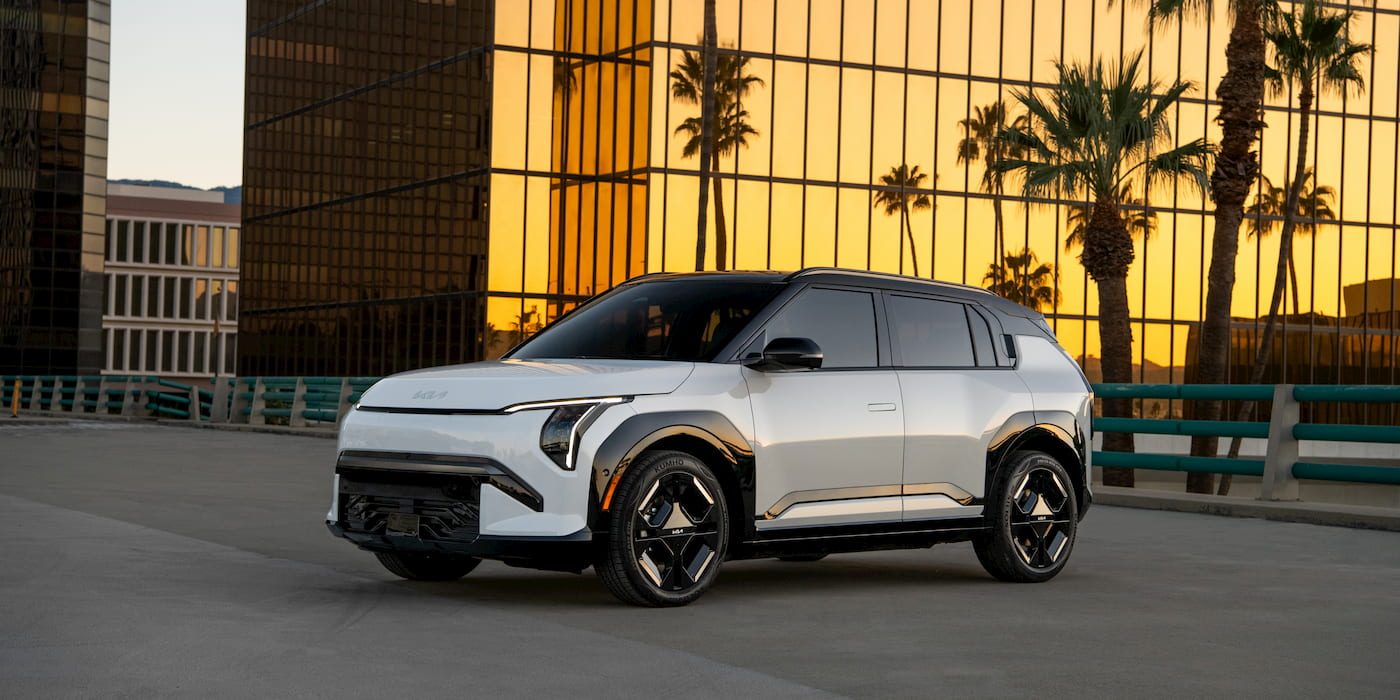
When utilizing DC fast-charging stations, the EV3 demonstrates competitive replenishment speeds. The smaller 58.3 kWh battery pack can charge from 10% to 80% capacity in approximately 29 minutes under optimal conditions. Meanwhile, the larger 81.4 kWh battery pack completes the same 10% to 80% charge cycle in roughly 31 minutes, allowing motorists to resume their journeys with minimal downtime.
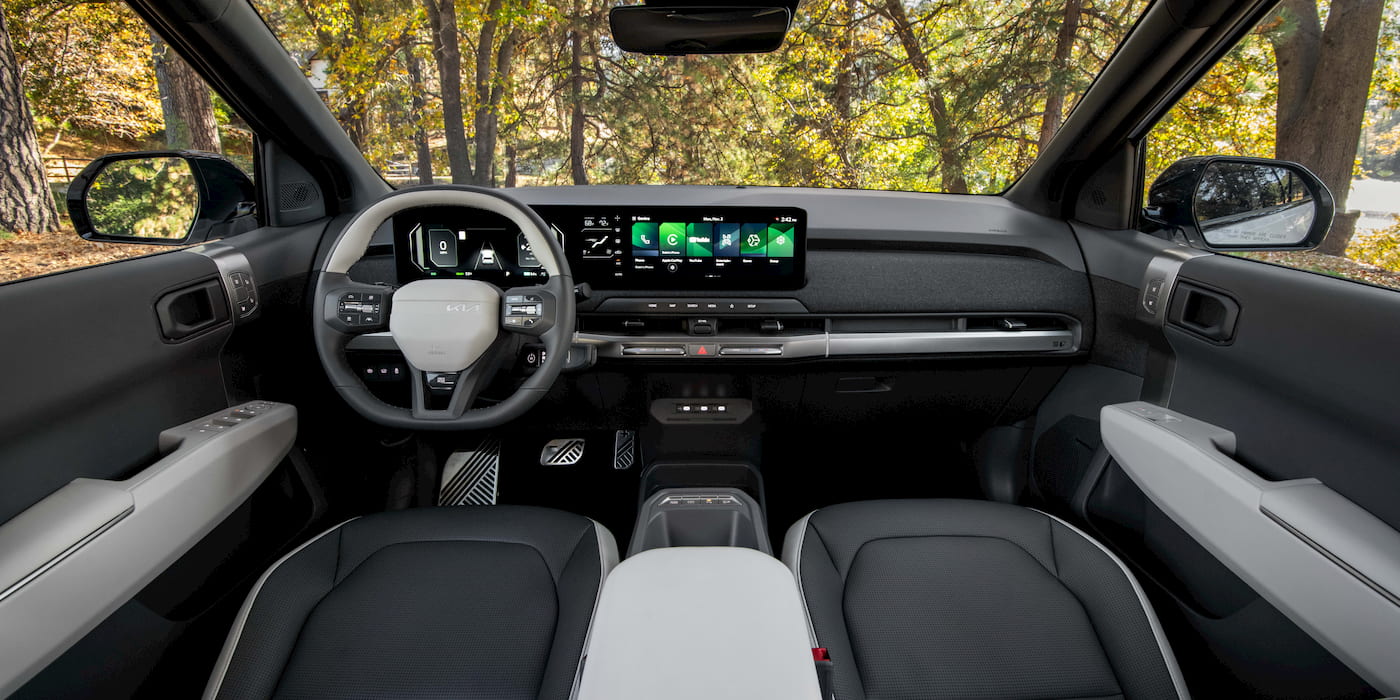
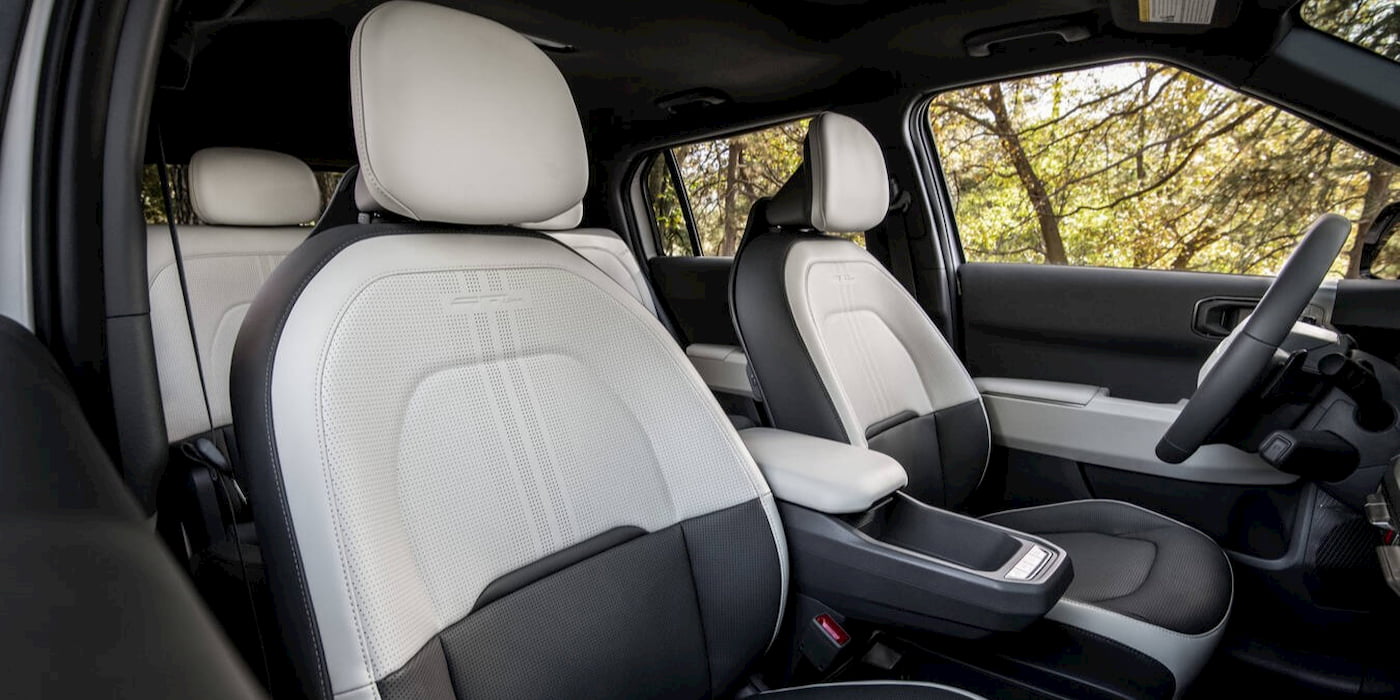
The interior cabin reflects the brand’s latest technological advancements, anchored by Kia’s advanced ccNC (connected car Navigation Cockpit) operating system. Spanning the dashboard is a sprawling digital display setup measuring nearly 30 inches in total diagonal width. This architecture integrates a dual 12.3-inch screen configuration—combining the digital instrument cluster and the primary infotainment touchscreen—alongside a dedicated 5-inch climate control panel. To further enhance connectivity, wireless Apple CarPlay and Android Auto are included as standard equipment across all trim levels, ensuring that drivers maintain effortless access to their preferred navigation and media applications.
Comprehensive Lease Offers and Financing Terms
As vehicle affordability remains a primary concern for American car buyers, promotional lease and financing programs play a crucial role in driving initial sales volume. Kia Motors America has rolled out its introductory lease framework for the 2027 model year, targeting mid-tier trims rather than the base-tier entry point.
The promotional lease program starts at $349 per month for a 24-month term on the EV3 Wind FWD model, requiring $3,999 due at signing. For consumers opting for enhanced traction, the EV3 Wind AWD is available under a promotional rate of $399 per month for 24 months, also paired with a $3,999 down payment. Concurrently, Kia is supporting retail purchases with promotional financing rates, offering 0.90% APR financing for qualified buyers for up to 48 months. It is important to note that the entry-level $29,890 Light FWD trim currently lacks promotional lease or low-APR incentives, pushing budget-focused lessees toward the moderately appointed Wind configurations.
Comparative Market Analysis: EV3 Versus Chevrolet Competitors
Evaluating the true market value of the Kia EV3 requires measuring its lease economics against primary competitors within the affordable electric vehicle sector. When factoring in down payments and monthly obligations, the effective monthly cost provides a clearer picture of financial commitment.
The EV3 Wind FWD, with its advertised $349 monthly payment and $3,999 due at signing over a 24-month duration, yields an effective monthly cost of approximately $515. This financial structure positions the Kia favorably when placed side-by-side with the 2027 Chevrolet Bolt FWD LT. General Motors lists the Bolt FWD LT at $419 per month for a 36-month term, but requires a significantly higher down payment of $5,119 due at signing. Consequently, the Chevy Bolt carries an effective monthly cost of $561, making the Kia EV3 roughly $46 cheaper per month on an effective cost basis while offering superior driving range and modern charging hardware.
Furthermore, the EV3 has disrupted market segmentation by wresting the title of America’s most affordable long-range electric vehicle from the Chevrolet Equinox EV. By offering an EPA-estimated driving range exceeding 315 miles at a starting price near the mid-$35,000 threshold for well-equipped trims, Kia has redefined the price-to-performance ratio in the compact electric SUV segment.
Broader Industry Implications and Market Impact
The commercial debut of the 2027 Kia EV3 arrives at a critical juncture for the North American automotive sector. As legacy automakers and foreign manufacturers alike navigate fluctuating consumer demand and evolving regulatory frameworks, vehicle affordability has emerged as the definitive battleground. The ability to deliver a compact electric SUV with up to 321 miles of range, native NACS compatibility, and a sub-$30,000 starting price point demonstrates significant engineering and supply chain maturation.
Industry analysts suggest that aggressive pricing models from Korean automakers will place sustained pressure on domestic and European brands to accelerate the development of economical electric platforms. By bridging the gap between internal combustion engine operating costs and zero-emission alternatives, vehicles like the EV3 are expected to accelerate mainstream consumer adoption. As dealership inventories stabilize and promotional lease programs expand across additional trim levels, the marketplace will closely monitor whether production capacity can successfully meet the anticipated surge in consumer demand.