Toyota Motor Corporation has announced a safety recall affecting approximately 10,000 all-electric Toyota C-HR vehicles in North America. The campaign is being launched to address a critical software anomaly within the electric crossover’s regenerative braking system that can lead to an unexpected and sudden loss of motive power while the vehicle is in motion. The issue represents the first major safety hurdle for the compact EV, which launched earlier this year as part of the Japanese automaker’s expanding battery-electric vehicle (BEV) lineup in North America.
Overview of the Recall and Affected Vehicles
The voluntary safety recall specifically targets model-year 2026 Toyota C-HR electric vehicles distributed across the North American market. Launched earlier this year with a starting price of roughly $37,000, the C-HR EV was introduced to consumers as a smaller, sportier alternative to the brand’s pioneering bZ electric SUV series. Alongside the updated bZ and bZ Woodland variants, the C-HR EV forms a cornerstone of Toyota’s strategy to capture market share within the rapidly growing compact electric crossover segment.
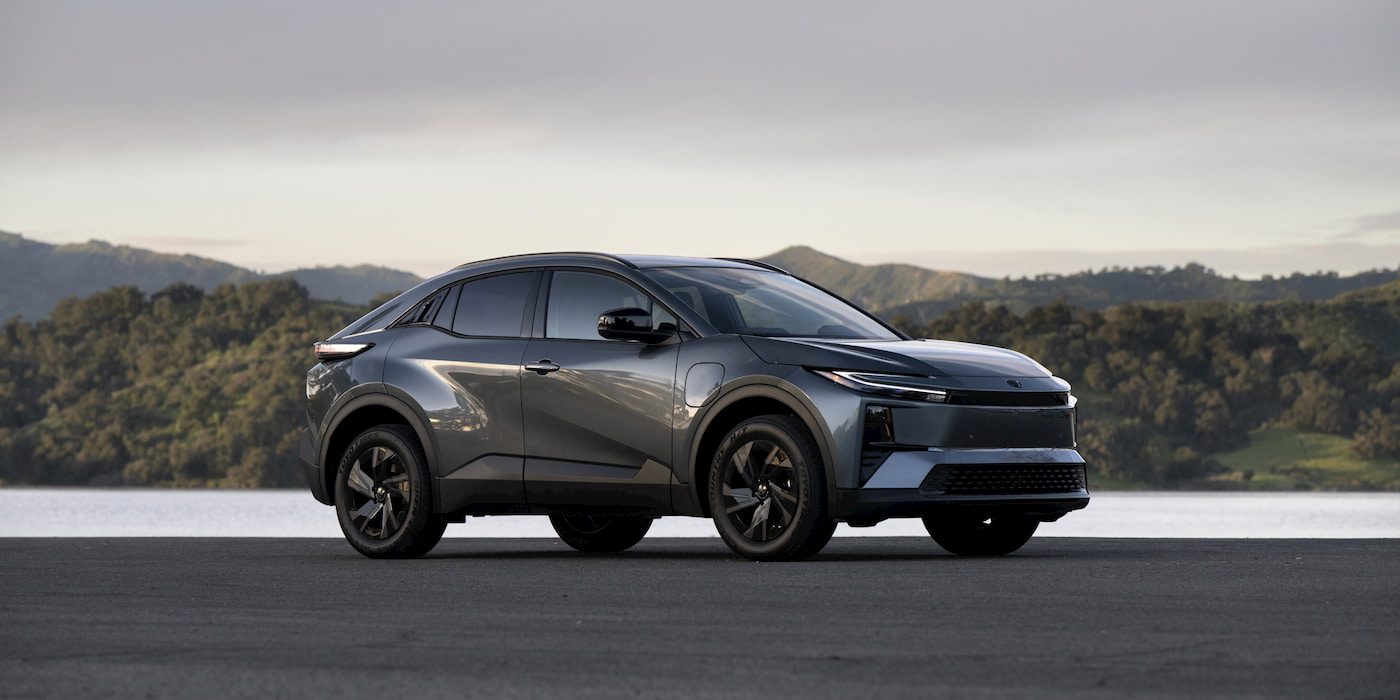
Despite a generally positive commercial debut, early-production models of the 2026 C-HR EV have been flagged for a software-related vulnerability. According to initial disclosures from the manufacturer, the campaign involves roughly 10,000 units. While regulatory filings on the National Highway Traffic Safety Administration (NHTSA) database are pending official publication, Toyota has outlined the operational parameters of the defect and the required remediation process for registered owners.
The Technical Defect: Regenerative Braking and Power Interruption
At the root of the recall is a complex software glitch associated with the vehicle’s energy recuperation architecture. The regenerative braking system—designed to capture kinetic energy during deceleration and feed it back into the high-voltage lithium-ion traction battery—is prone to a calibration error under specific driving and charging conditions.
Engineering evaluations indicate that when the traction battery is already at or near full capacity, the regenerative braking system can inadvertently continue to push electrical energy into the pack. This unintended overcharging scenario triggers a protective failsafe mechanism within the vehicle’s electrical architecture. To prevent catastrophic hardware damage or thermal events within the battery cells, the electric drive system’s electronic control units (ECUs) initiate an immediate shutdown.

When this emergency protocol executes, the vehicle cuts power to the drivetrain, resulting in an abrupt and potentially hazardous loss of propulsion while driving. Although steering and mechanical braking systems generally remain operational under auxiliary power, the sudden loss of motive power on highways or city streets introduces significant safety risks for motorists and surrounding traffic.
Remediation and Repair Procedure
To resolve the software malfunction, Toyota has formulated a straightforward service bulletin for its dealership network. Owners of affected 2026 Toyota C-HR EV models will be instructed to bring their vehicles to an authorized Toyota dealership. Certified technicians will then perform a diagnostic check and update the software on the vehicle’s battery electronic control unit (ECU).
This calibration update modifies how the regenerative braking system interacts with a fully charged battery, ensuring that excess energy is safely dissipated or rejected when the pack cannot accept additional charge. The diagnostic and reprogramming procedure is expected to be performed free of charge to vehicle owners.
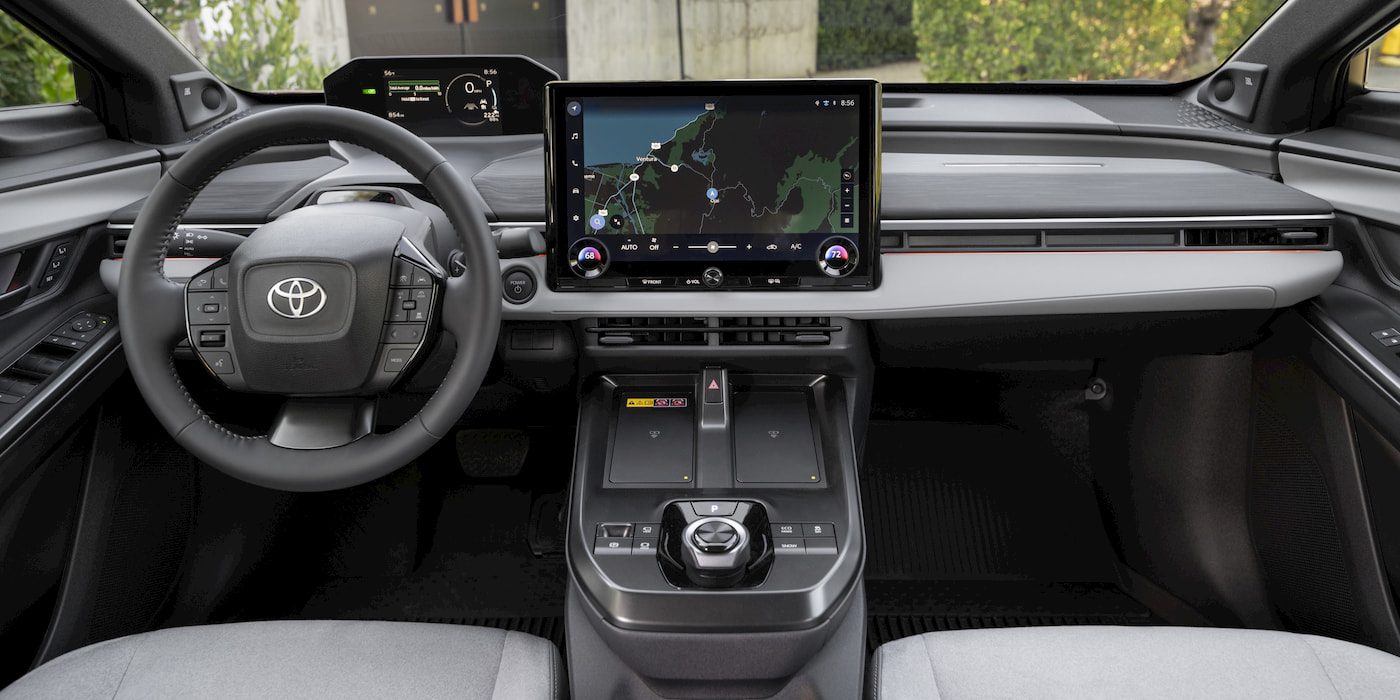
Toyota has confirmed that formal notification letters will be sent to registered owners of the affected crossovers in early November 2026. Because the recall notice was still working its way through federal compliance pipelines, comprehensive documentation had not yet populated the public-facing NHTSA recall portal at the time of the announcement.
Broader Geographic Scope and Related Models
While the initial announcement focuses primarily on the North American market, automotive analysts and industry observers suggest the campaign could eventually expand to international territories. In Europe, the United Kingdom, and several other global regions, the vehicle is marketed as the Toyota C-HR+, sharing the identical platform, drivetrain architecture, and control software as its North American counterpart, albeit with a modified nomenclature. Regulatory authorities in overseas jurisdictions are expected to monitor the situation closely to determine if local recalls will be mandated.
Furthermore, the recall is strictly confined to the 2026 model-year production run of the C-HR EV. Production changes and subsequent software revisions implemented for the recently announced 2027 Toyota C-HR lineup—which recently went on sale with a starting MSRP of $37,080—are understood to incorporate the necessary software fixes, leaving newer models unaffected by the glitch.

Official Guidance and Owner Resources
Toyota is urging owners of 2026 C-HR electric crossovers to verify whether their specific vehicle is included in the safety campaign. Because the notification process will take several weeks to roll out fully via mail, proactive consumers can utilize digital verification tools.
Vehicle owners can check their status by visiting the dedicated recall portal at Toyota.com/recall or by monitoring the federal database at nhtsa.gov/recalls once the official filing is indexed. In both instances, users will need to input the vehicle’s unique 17-digit Vehicle Identification Number (VIN) or current license plate details.
For immediate inquiries, assistance, or scheduling concerns, Toyota has directed customers to contact the brand’s Brand Engagement Center directly at 1-800-331-4331.

Industry Implications for Toyota’s EV Expansion
The issuing of this recall underscores the intricate electronic dependencies inherent in modern battery-electric vehicles. As traditional automotive manufacturers accelerate their transition toward electrification, software integration has emerged as both a critical performance driver and a primary vulnerability. While mechanical recalls have historically dominated the automotive landscape, software-driven campaigns involving battery management, power electronics, and regenerative systems have become increasingly common across the industry.
For Toyota, a company historically renowned for manufacturing reliability and stringent quality control protocols, addressing early software glitches swiftly is paramount to maintaining consumer confidence in its burgeoning BEV portfolio. The C-HR EV represents a vital volume driver in the company’s multi-pathway decarbonization strategy, which balances hybrid, plug-in hybrid, and fully electric platforms.
Market analysts note that how efficiently Toyota executes the November 2026 service campaign will serve as an important benchmark for its ability to manage the software-defined vehicle era. Dealership preparedness, communication clarity, and the seamless deployment of the ECU software update will dictate whether this initial stumble impacts long-term consumer sentiment toward the C-HR product line. As further details emerge from regulatory bodies and manufacturer updates, additional guidance regarding global expansion of the recall or supplementary technical advisories will be provided.