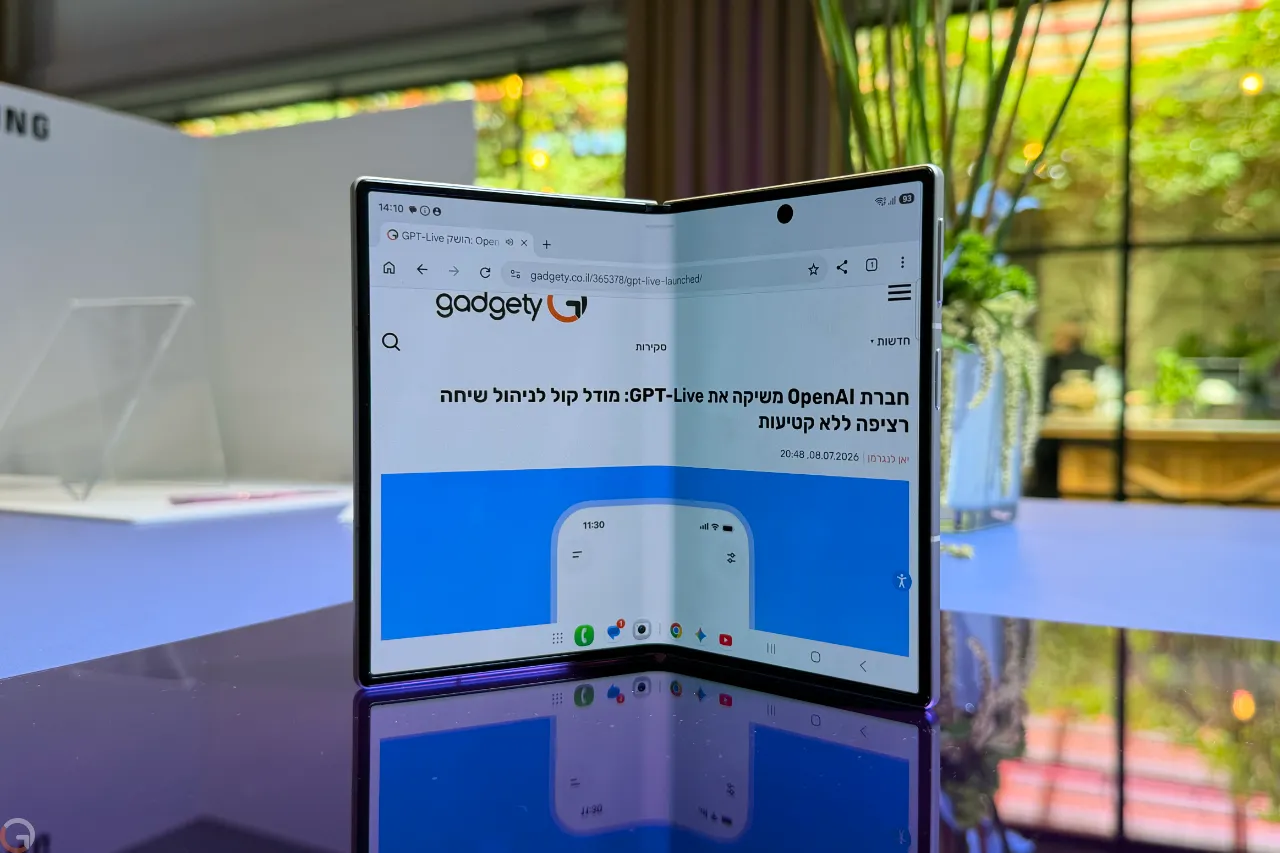
Samsung and Google are poised to inaugurate a new era of on-device artificial intelligence, with an anticipated announcement at the next Galaxy Unpacked event. This strategic collaboration will see the integration of Google’s advanced Gemini Nano 4 AI model, alongside the developer-focused Gemma 4, into Samsung’s forthcoming generation of foldable smartphones: the Galaxy Z Fold 8 Ultra, Galaxy Z Fold 8, and Galaxy Z Flip 8. This move signifies a substantial leap towards embedding sophisticated AI capabilities directly into mobile hardware, promising enhanced performance, privacy, and an array of innovative user experiences that leverage multimodal understanding and complex processing.
The centerpiece of this integration is Google’s Gemini Nano 4, specifically optimized for efficient on-device execution. Unlike cloud-based AI, which relies on remote servers for processing, on-device AI handles computations directly on the smartphone. This approach offers significant advantages, including reduced latency, improved privacy as data remains on the device, and the ability to function effectively even without an internet connection. The Gemini Nano 4 is expected to underpin a suite of advanced features, supporting over 140 distinct AI capabilities designed to transform how users interact with their foldable devices. Complementing this, Google’s Gemma 4, an open-source lightweight AI model, will also be available, primarily aimed at empowering developers to create innovative AI applications leveraging the hardware’s capabilities.
The Strategic Alliance: A Deepening Partnership
The collaboration between Samsung and Google on the Gemini Nano 4 and Gemma 4 for the Galaxy Z Fold 8 series underscores a deepening strategic alliance between two technology giants. This partnership is not unprecedented; Samsung, as the world’s largest Android smartphone manufacturer, has long worked closely with Google on various software and hardware initiatives, from the Android operating system itself to Wear OS for smartwatches. This latest venture, however, marks a critical juncture in the mobile industry’s shift towards pervasive AI.
For Samsung, integrating Google’s cutting-edge AI models is a strategic imperative to maintain its competitive edge in the premium smartphone segment, particularly within the rapidly evolving foldable market. While Samsung has developed its own AI capabilities, branded under "Galaxy AI" and featuring its Bixby assistant, the adoption of Google’s Gemini models signals a recognition of Google’s leadership in foundational AI research and development. By leveraging Gemini Nano 4, Samsung can offer a robust and sophisticated AI experience out-of-the-box, differentiating its foldable lineup from rivals.
For Google, this partnership significantly expands the reach of its Gemini AI ecosystem. First introduced in late 2023, Gemini is Google’s most capable and general AI model, designed to be multimodal from the ground up, meaning it can understand and operate across different types of information, including text, code, audio, image, and video. Gemini Nano, specifically tailored for on-device applications, debuted with the Pixel 8 Pro and is now extending its footprint to Samsung’s flagship foldables. This broad adoption by a major OEM like Samsung is crucial for Google to establish Gemini as the leading AI platform across the Android ecosystem, effectively competing with Apple’s anticipated on-device AI strategies and other emerging players.
Timeline and Context: The Rise of On-Device AI
The announcement, expected at a future Galaxy Unpacked event (potentially hinting at a July 2026 timeframe, as suggested by internal asset naming conventions), places this development within a broader industry trend. The year 2024 has been widely dubbed the "year of AI PCs and AI smartphones," with manufacturers across the board racing to integrate artificial intelligence directly into their hardware.
- Late 2023: Google officially unveils Gemini, its most powerful and flexible AI model, featuring Ultra, Pro, and Nano versions. Gemini Nano makes its debut on the Google Pixel 8 Pro, enabling features like "Summarize in Recorder" and "Smart Reply" in Gboard.
- Early 2024: Samsung launches the Galaxy S24 series, heavily featuring "Galaxy AI" capabilities, including "Circle to Search" (powered by Google), "Live Translate," and advanced photo editing. This marked Samsung’s initial major push into on-device AI. Google also introduces Gemma, a family of lightweight, state-of-the-art open models built from the same research and technology used to create the Gemini models, intended for wider developer access.
- Mid-2024 onwards: The industry witnesses a proliferation of AI-enabled devices, with chip manufacturers like Qualcomm (Snapdragon 8 Gen 3) and MediaTek designing mobile processors with dedicated Neural Processing Units (NPUs) specifically for AI workloads.
- Upcoming Galaxy Unpacked (Hypothetical July 2026): Samsung and Google are set to unveil the deeper integration of Gemini Nano 4 and Gemma 4 into the Galaxy Z Fold 8 Ultra, Z Fold 8, and Z Flip 8, representing the next evolutionary step in mobile AI.
This chronological progression highlights a concerted effort to shift AI processing from the cloud to the edge, driven by demands for greater privacy, faster response times, and the ability to personalize experiences more deeply without constant internet connectivity.
Gemini Intelligence: A Suite of Advanced Features

The integration of Gemini Nano 4 will power what Samsung and Google are branding as "Gemini Intelligence" within the new foldable lineup. This umbrella term encompasses a range of AI-driven functionalities designed to enhance productivity, creativity, and overall user interaction.
One of the most significant capabilities touted is multimodal understanding. This allows the AI to process and interpret various forms of data simultaneously – text, images, audio, and potentially video – to provide more nuanced and comprehensive responses. For example, a user could provide a photo of a complex diagram, speak a question about it, and receive a detailed, contextualized answer, rather than just relying on text input. This multimodal approach promises a more intuitive and human-like interaction with the device.
Key features under the Gemini Intelligence banner are expected to include:
- Thinking Mode: This advanced processing mode suggests the AI will be capable of more complex problem-solving and ideation. Instead of merely executing commands, Thinking Mode could allow the device to analyze situations, propose solutions, and even assist in creative brainstorming. For a business user, this might mean drafting comprehensive reports from bullet points and scattered data; for a creative professional, it could involve generating diverse concepts based on a few prompts.
- Structured Output: Complementing Thinking Mode, Structured Output implies the AI’s ability to organize and present information in a highly structured, digestible format. This could involve automatically generating summaries, creating detailed outlines, converting unstructured notes into formatted documents, or categorizing large datasets. This feature would be invaluable for professionals who need to quickly synthesize information and present it clearly.
- "Create My Widget": This highly personalized feature hints at the AI’s capacity to dynamically generate custom widgets based on user behavior, preferences, and contextual needs. For instance, if a user frequently checks stock prices, news from specific sources, and upcoming calendar events, "Create My Widget" could design a bespoke widget aggregating all this information in a glanceable format, adapting over time to evolving habits. This represents a significant leap in UI personalization beyond static widget options.
- Gemini Notebook (formerly NotebookLM): Building on Google’s existing AI-powered research assistant, Gemini Notebook will likely be deeply integrated into the foldable experience. This tool excels at summarizing lengthy documents, generating insights from PDFs, and organizing complex research materials. Imagine uploading several academic papers or business reports to your Galaxy Z Fold 8 Ultra, and Gemini Notebook automatically extracts key themes, identifies connections, and generates concise summaries or even new content based on the provided information, making the device an indispensable research companion.
Market Implications and Competitive Edge
The deep integration of Gemini Nano 4 and Gemini Intelligence into Samsung’s flagship foldables carries significant market implications:
- For Samsung’s Foldable Leadership: As the pioneer and market leader in foldables, Samsung faces increasing competition from Chinese manufacturers and potentially Apple in the coming years. Differentiating with best-in-class, on-device AI capabilities could solidify its premium positioning and attract users seeking cutting-edge technology that enhances productivity and creativity on their unique form factors. The large, immersive screens of foldables are ideal canvases for AI features that synthesize and present complex information.
- Elevating the Android Ecosystem: For Google, expanding Gemini’s footprint to Samsung’s high-volume, premium devices strengthens its position as a leading AI platform provider. It demonstrates the versatility and scalability of Gemini across diverse hardware and user bases, reinforcing the Android ecosystem’s competitive edge against other mobile operating systems.
- The Privacy Advantage: The emphasis on "on-device" AI is a direct response to growing user concerns about data privacy. By processing sensitive information locally, Gemini Nano 4 can offer powerful AI capabilities without necessarily uploading personal data to cloud servers, providing a compelling privacy argument for users.
- New Developer Opportunities: The inclusion of Gemma 4, Google’s open-source model, is crucial for fostering innovation within the developer community. By providing access to the same foundational AI research used for Gemini, Google encourages developers to build next-generation AI applications that can run efficiently on Samsung’s hardware, potentially leading to an explosion of new AI-powered apps and services.
- Shifting User Expectations: As on-device AI becomes more prevalent, user expectations for smartphone capabilities will fundamentally shift. Devices will no longer just be tools for communication and consumption but intelligent assistants capable of proactive problem-solving, complex content generation, and hyper-personalized experiences.
Statements from Anticipated Parties (Inferred)
While official statements await the Unpacked event, one can infer the likely messaging from both Samsung and Google executives.
- Samsung Executive (hypothetical): "Our partnership with Google to bring Gemini Nano 4 and Gemini Intelligence to the Galaxy Z Fold 8 series represents our unwavering commitment to innovation and delivering unparalleled user experiences. This new era of on-device AI empowers our users with incredible speed, enhanced privacy, and a suite of intelligent features that transform how they interact with their devices, especially within the unique form factor of our foldables. We are not just building phones; we are building intelligent companions."
- Google Executive (hypothetical): "We are thrilled to extend the power of Gemini Nano 4 and the broader Gemini Intelligence platform to Samsung’s next generation of foldable devices. This collaboration is a testament to the versatility of Gemini and our shared vision with Samsung to push the boundaries of mobile AI. By putting sophisticated AI directly into users’ hands, we’re enabling faster, more personalized, and more private experiences, setting a new standard for what a smartphone can achieve."
Future Outlook for Foldables and AI
The integration of Gemini Nano 4 and Gemini Intelligence is more than just a feature update; it signifies a pivotal moment in the evolution of foldable smartphones. These devices, with their larger, adaptable screens, are uniquely positioned to take full advantage of multimodal AI. Imagine a foldable device that can seamlessly transition from summarizing a complex document on its inner display to generating creative content, all while maintaining strict privacy protocols due to on-device processing.
This development positions Samsung’s upcoming foldables not just as premium hardware but as intelligent platforms capable of profoundly changing daily workflows and creative processes. As AI models continue to shrink and become more efficient, the capabilities of on-device AI will only grow, promising a future where our smartphones are truly proactive, intuitive, and deeply integrated into our digital and physical lives, ushering in an era of truly intelligent mobile computing. The Galaxy Z Fold 8 Ultra, Galaxy Z Fold 8, and Galaxy Z Flip 8, powered by Gemini Intelligence, are set to be at the forefront of this transformative wave.