
Viltrox has officially announced the expansion of its popular "Air" series of prime lenses to the Micro Four Thirds (MFT) camera system, a move poised to invigorate the long-standing mirrorless format with much-needed third-party lens options. The introduction of the Viltrox AF 25mm f/1.7 Air and Viltrox AF 35mm f/1.7 Air marks a significant development for MFT users who have seen a gradual decline in new lens releases from third-party manufacturers in recent years.
A Resurgence for Micro Four Thirds Lens Diversity
The Micro Four Thirds system, a collaborative standard established by Olympus (now OM System) and Panasonic in 2008, boasts the longest history and the most extensive range of mirrorless cameras and lenses. However, the landscape of third-party lens support has shifted considerably. A notable development was Sigma’s decision in 2023 to cease the development of new Micro Four Thirds lenses, a move that underscored a broader trend of reduced investment from major Japanese lens makers in the format. While Sigma has continued to produce OEM lenses for OM System, such as the highly regarded M.Zuiko 150-600mm f/5-6.3 IS, the absence of new standalone MFT offerings from them left a palpable void.
Viltrox’s announcement signals a potential paradigm shift, with the Chinese lens manufacturer appearing ready to fill this gap. The company has gained a reputation for producing affordable yet capable autofocus lenses for various mirrorless mounts, including Fujifilm X, Nikon Z, and Sony E. Their expansion into the MFT mount suggests a strategic effort to capture a segment of the market seeking value-driven optical solutions.
Key Lenses and Their Market Position
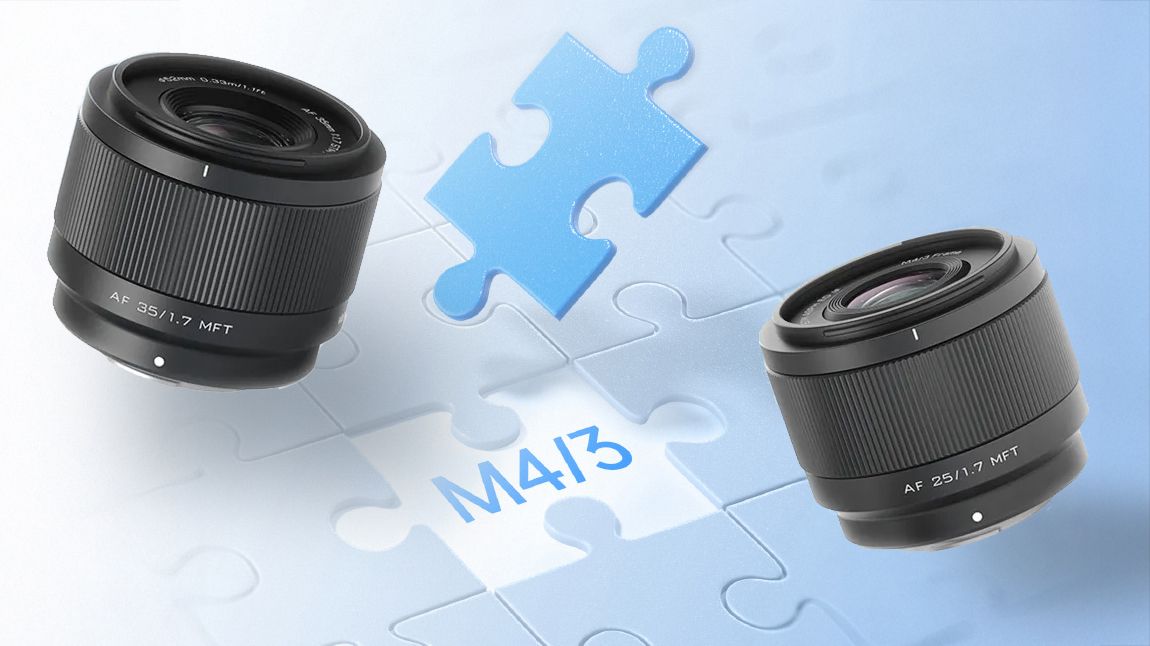
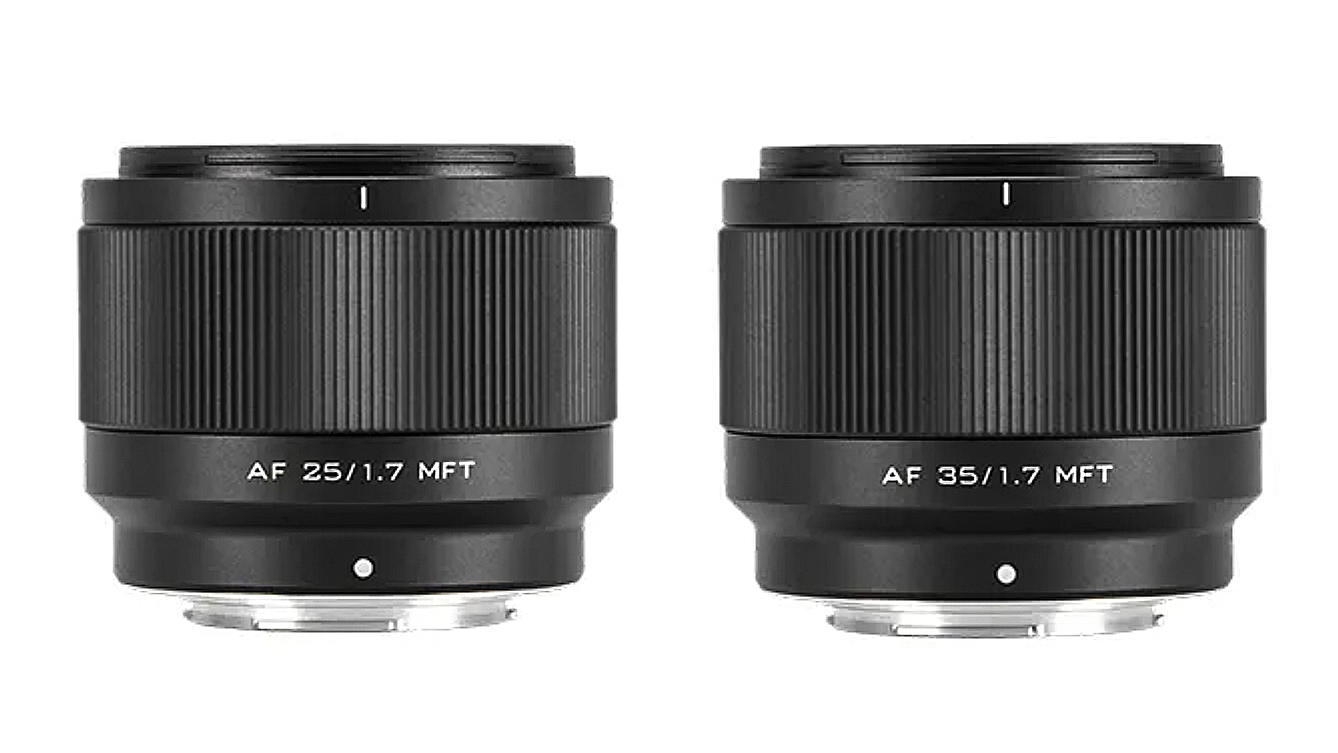
The two lenses making their debut for Micro Four Thirds are the Viltrox AF 25mm f/1.7 Air and the Viltrox AF 35mm f/1.7 Air. These lenses translate to a 50mm and a 70mm equivalent focal length, respectively, on the MFT system, due to the format’s 2x crop factor.
The 50mm equivalent focal length, often referred to as the "nifty fifty," is a staple for many photographers, offering versatility for portraits, general photography, and low-light shooting. The MFT mount already has several established options in this range. These include the weather-sealed OM System M.Zuiko 25mm f/1.8 II, known for its robust build and optical quality, and the more budget-friendly Panasonic Lumix G 25mm f/1.7 Asph., a popular choice for its accessible price point and respectable performance. The Viltrox 25mm f/1.7 Air enters a competitive field, and its success will likely depend on its ability to offer a compelling balance of image quality, autofocus performance, and price. It is worth noting that the Panasonic Leica DG Summilux 25mm f/1.4 II, another premium option in this focal length, has reportedly been discontinued, potentially opening up more space for third-party alternatives.
The 70mm equivalent focal length offered by the Viltrox AF 35mm f/1.7 Air presents a slightly different scenario. Currently, autofocus lenses in the MFT system that approach this field of view are somewhat limited. The closest autofocus options tend to be macro lenses, such as the Olympus M.Zuiko 30mm f/3.5 Macro and the Panasonic Lumix G Macro 30mm f/2.8 Asph Mega OIS. While these lenses excel at close-up photography, they provide a narrower 60mm equivalent perspective, making the Viltrox 35mm f/1.7 Air a potentially attractive option for those seeking a slightly longer, general-purpose prime with a wider aperture.
Optical Design and Physical Considerations
While Viltrox has not officially detailed the optical formulas for the MFT versions of these lenses, it is highly probable that they are essentially adapted versions of their existing APS-C counterparts, featuring a new lens mount to accommodate the MFT bayonet. Viltrox already offers these lenses for Fujifilm X, Nikon Z, and Sony E mounts. This approach implies that the new MFT lenses will likely retain the same general optical design, size, and weight characteristics as their APS-C siblings.
This assumption carries a significant implication for MFT users, who generally favor compact and lightweight camera systems. The existing APS-C versions of these lenses, while not excessively large, may appear somewhat bulky when paired with the smaller bodies characteristic of the Micro Four Thirds system. Photographers accustomed to the featherlight nature of many MFT primes might find these Viltrox offerings to be a compromise in terms of overall system portability. However, for users prioritizing affordability and specific focal length/aperture combinations, this trade-off may be acceptable.
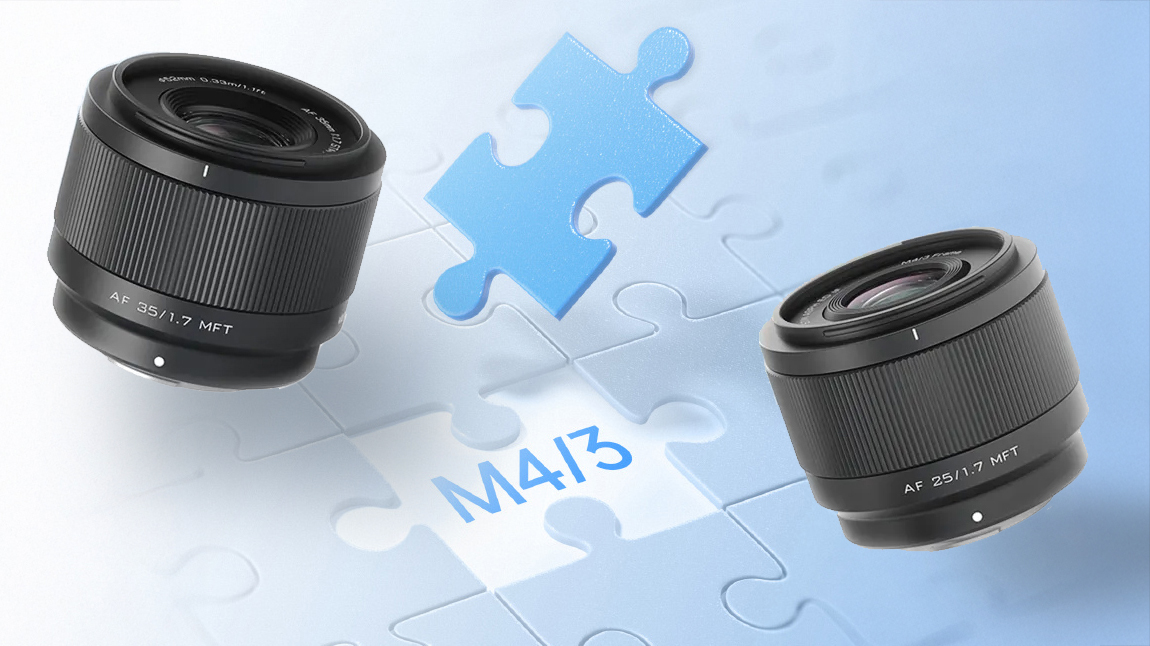
The specific dimensions and weight for the MFT versions are yet to be released by Viltrox, but based on their existing models, users can anticipate lenses that are functional and optically sound, even if they don’t embody the ultimate in miniaturization for the MFT mount.
Anticipating Future Viltrox Offerings
The introduction of these two prime lenses is being viewed as a litmus test for Viltrox’s commitment to the Micro Four Thirds system. If the AF 25mm f/1.7 Air and AF 35mm f/1.7 Air prove to be successful in terms of sales and user reception, it could pave the way for a broader range of Viltrox optics to be adapted for MFT.
Beyond the current "Air" series, enthusiasts have expressed keen interest in seeing other Viltrox lens lines become available for MFT. Notably, the Viltrox AF 28mm f/4.5, an ultra-slim autofocus pancake lens, has been highlighted as a desirable addition. Such compact, wide-aperture lenses are particularly well-suited to the MFT philosophy of portability and discreet shooting, and their arrival would undoubtedly be welcomed by the community. The success of these initial MFT lenses could also encourage Viltrox to explore bringing their more advanced "Evo" and "Lab" series lenses to the format, further enhancing the available optical choices.
Pricing and Availability
Pre-order details and definitive international pricing for the Micro Four Thirds versions of the Viltrox 25mm f/1.7 Air and 35mm f/1.7 Air are still pending confirmation from Viltrox. However, the lenses have been listed in China with a price tag of ¥899. This figure translates to approximately $130 USD, £99 GBP, and AU$189 AUD. This pricing structure positions the Viltrox Air series as a highly competitive and affordable option within the MFT lens market, potentially offering a significant value proposition compared to first-party alternatives.
Broader Implications for the Micro Four Thirds Ecosystem
The arrival of new third-party lenses, particularly from an increasingly influential manufacturer like Viltrox, has several positive implications for the Micro Four Thirds ecosystem.
- Increased Choice and Competition: More lens options mean greater choice for consumers, allowing them to find lenses that better suit their specific photographic needs and budget. This increased competition can also drive innovation and potentially lead to more competitive pricing from existing manufacturers.
- Enhanced Value Proposition: For budget-conscious photographers, Viltrox’s offerings can make it more accessible to build a versatile lens kit without incurring the high costs often associated with premium first-party lenses.
- Reinvigoration of the System: A healthy third-party lens market is crucial for the long-term viability and appeal of any camera system. Viltrox’s investment can signal a renewed interest in the MFT mount, potentially encouraging other manufacturers to reconsider their support.
- Support for Existing Users: Many photographers have invested significantly in the Micro Four Thirds system. The availability of new lenses ensures that their cameras remain relevant and capable for years to come, allowing them to expand their creative possibilities.
The Micro Four Thirds system has long been praised for its compact size, image stabilization capabilities, and extensive lens selection. While the latter has faced challenges in recent years, Viltrox’s strategic move to introduce its popular Air series primes could be a turning point, injecting fresh momentum into the format and offering MFT users exciting new optical possibilities. As the photography industry continues to evolve, the support from manufacturers like Viltrox will be instrumental in shaping the future of diverse camera systems.