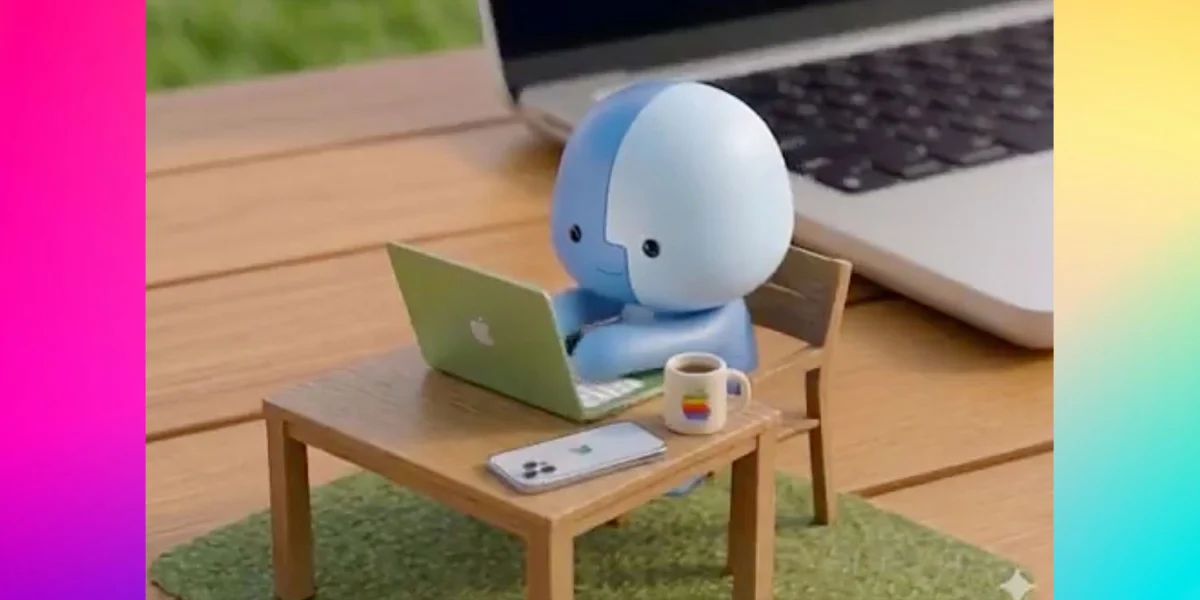
Apple’s iconic "Lil’ Finder Guy," the charismatic animated mascot that became synonymous with the launch of the MacBook Neo, has garnered significant attention, not just for its undeniable charm but also for its rapid ascent to internet stardom. Recently, Sofia Coelho, the astute art director who spearheaded the visual design and conceptualization of the diminutive character, offered an exclusive glimpse into the creative journey behind its inception. Her rare behind-the-scenes reveal provides invaluable insight into the meticulous process that transformed a simple operating system icon into a global advertising sensation, a campaign that was notably shortlisted for a prestigious Cannes Lion award.
The Genesis of an Icon: Sofia Coelho’s Vision
In a detailed post shared on LinkedIn, Sofia Coelho, an integral part of Apple’s creative team, illuminated the intricate steps involved in bringing "Lil’ Finder Guy" to life for the highly anticipated MacBook Neo campaign. Coelho described the project as a "dream design endeavor," underscoring the passion and dedication invested by her and her colleagues. The shared gallery featured an array of fascinating developmental artifacts, including early sketches that meticulously explored various expressions, intricate proportion studies, and the overall silhouette of the character. These preliminary drawings illustrate the iterative design process, where subtle adjustments could dramatically alter the character’s personality and appeal. Furthermore, a photograph of what appeared to be an airbrushed physical prototype offered a tangible representation of the character in its early stages, highlighting Apple’s commitment to both digital and physical design fidelity.
A particularly endearing detail revealed by Coelho was that "Lil’ Finder Guy" was conceptualized to be "measuring exactly one apple tall." This whimsical specification not only reinforced the character’s "adorable little" stature but also ingeniously tied it back to Apple’s brand identity, adding a layer of playful self-reference that resonated deeply with audiences. This seemingly minor detail served to personify the brand in a novel and accessible way, making the abstract concept of a computer’s file management system feel approachable and friendly. The meticulous attention to such details underscores Apple’s enduring philosophy of combining cutting-edge technology with user-centric design and engaging storytelling.
MacBook Neo: A New Chapter for Apple’s Compact Computing
The "Lil’ Finder Guy" mascot was explicitly designed to promote the MacBook Neo, a product that marked an important evolution in Apple’s portable computing lineup. While specific technical details of the MacBook Neo have been gradually unveiled, the overarching marketing narrative positioned it as an "adorable little Mac" – a compact, highly portable, and user-friendly device designed to appeal to a broad demographic, from students and mobile professionals to creatives seeking a streamlined workflow. The MacBook Neo, with its emphasis on efficiency and accessibility, presented a perfect canvas for a mascot that embodied these very qualities. The decision to pair a sleek, modern device with a whimsical, anthropomorphic icon reflects a strategic pivot in Apple’s marketing, aiming to infuse warmth and personality into its product launches.

This approach aligns with a broader industry trend of making technology more relatable and less intimidating. For a product like the MacBook Neo, potentially targeting new Mac users or those seeking a more approachable computing experience, a character like "Lil’ Finder Guy" served as a friendly guide, symbolizing ease of use and the intuitive nature of macOS. By personifying the Finder – the very gateway to the Mac’s operating system – Apple effectively communicated the Neo’s user-friendliness and accessibility, transforming a functional element into an emotional touchpoint.
A Strategic Shift: Apple’s Evolving Marketing Landscape
Apple’s marketing history is rich with iconic campaigns, from the revolutionary "1984" Super Bowl advertisement to the "Think Different" slogan that defined a generation. While these campaigns often emphasized innovation, design, and a certain aspirational elegance, the introduction of "Lil’ Finder Guy" represents a nuanced evolution in Apple’s communication strategy. Historically, Apple has favored minimalist, product-focused advertising, often featuring stark white backgrounds and sleek product shots. However, in an increasingly competitive and digitally-driven market, the company has shown a willingness to adapt and experiment with new forms of engagement.
The "Lil’ Finder Guy" campaign leveraged modern digital platforms with remarkable efficacy. The character was prominently featured in a dedicated livestream event, a testament to the growing power of real-time digital broadcasts in product launches. Furthermore, a series of short, engaging videos specifically designed for TikTok showcased Apple’s understanding of contemporary social media dynamics. TikTok, known for its short-form, highly shareable content, proved to be an ideal platform for "Lil’ Finder Guy" to flourish, enabling rapid dissemination and organic virality. This strategic embrace of digital-first platforms, coupled with a character-driven narrative, allowed Apple to connect with a younger, digitally native audience in a way that traditional advertising might not have achieved.
The use of mascots in advertising is a time-honored tradition, proven to build brand recognition, foster emotional connections, and simplify complex messages. From the Michelin Man to Tony the Tiger, effective mascots transcend mere branding; they become cultural touchstones. For Apple, "Lil’ Finder Guy" offered a fresh opportunity to personify the macOS experience, making the abstract concept of a powerful operating system feel more tangible and friendly. This approach signals a potential broadening of Apple’s marketing palette, demonstrating that innovation in advertising can be as impactful as innovation in product design.
From Campaign Launch to Cultural Phenomenon: A Chronology
The journey of "Lil’ Finder Guy" from concept to internet sensation followed a well-orchestrated, yet organically amplified, trajectory:

- Pre-Production and Concept Development (Late 2025 – Early 2026): Based on Sofia Coelho’s insights, the character’s development likely began months before the official campaign launch. This phase would have involved extensive brainstorming, numerous sketches, iterative digital renderings, and the creation of physical prototypes to refine the character’s look, personality, and animations. The "one apple tall" directive would have been established early, guiding the visual scaling and overall cuteness factor.
- March 2026: MacBook Neo and Lil’ Finder Guy Debut: The MacBook Neo was officially unveiled, with "Lil’ Finder Guy" serving as its primary marketing emblem. The character was introduced to the world during a high-profile livestream event, captivating viewers with its animated antics and friendly demeanor. This initial rollout immediately established the character’s presence and its direct association with the new "adorable little Mac."
- Initial Campaign Elements and Engagement (March – April 2026): Following the livestream, Apple launched a comprehensive digital campaign. A series of professionally produced TikTok videos featured "Lil’ Finder Guy" demonstrating various aspects of the MacBook Neo, often in humorous or heartwarming scenarios. These short, snappy clips were designed for maximum shareability, quickly gaining traction across social media platforms.
- April 2026: The "Internet Meme" Explosion: The inherent cuteness and relatable nature of "Lil’ Finder Guy" quickly transcended its advertising origins. The character became a bona fide internet meme, inspiring a torrent of user-generated content. Fans created their own artwork, developed custom wallpapers, and even designed 3D-printable models, showcasing an unprecedented level of organic engagement. This phenomenon demonstrated the character’s universal appeal and its ability to foster a vibrant online community. The virality amplified the campaign’s reach far beyond paid media, turning users into enthusiastic brand advocates.
- June 2026: WWDC 2026 Appearance and Merchandise: Apple officially acknowledged the character’s widespread popularity at its annual Worldwide Developers Conference (WWDC) 2026. "Lil’ Finder Guy" made an easter egg-style appearance in at least one developer session, delighting eagle-eyed attendees. More significantly, the character was featured on an exclusive enamel pin included in the official WWDC 2026 swag bags, transforming a digital icon into a coveted physical collectible. This move solidified "Lil’ Finder Guy’s" status within Apple’s ecosystem and further endeared the company to its loyal fanbase.
The Power of Personification: Why Lil’ Finder Guy Resonated
The phenomenal success of "Lil’ Finder Guy" can be attributed to several key factors. Firstly, the character leveraged a deeply familiar element of the macOS interface – the Finder icon – and imbued it with personality. This instant recognition, combined with an anthropomorphic design, created an immediate sense of connection and nostalgia for long-time Mac users, while simultaneously introducing a friendly face to newcomers. The "adorable" aesthetic, characterized by its compact size, expressive eyes, and playful movements, tapped into a universal human inclination towards cuteness, triggering positive emotional responses.
Secondly, the character served as an effective bridge between complex technology and everyday usability. For many, the inner workings of an operating system can seem abstract or daunting. By giving the Finder a personality, Apple made the interaction with the Mac feel more intuitive and less intimidating. "Lil’ Finder Guy" became a friendly avatar for the user experience, subtly communicating the ease and joy of using a MacBook Neo.
Thirdly, the character’s design lent itself perfectly to meme culture. Its simple yet expressive form factor made it easy for users to reinterpret, parody, and share, fueling its viral spread. This organic engagement, driven by genuine affection for the character, far surpassed the reach of traditional advertising. It created a community around the MacBook Neo that extended beyond mere consumers, fostering a sense of shared experience and belonging among fans.
Industry Acclaim and Commercial Impact
The campaign’s shortlisting for a Cannes Lion award is a significant testament to its creative excellence and strategic effectiveness. The Cannes Lions International Festival of Creativity is widely regarded as the most prestigious event in the advertising and creative communications industry. A shortlisting indicates that the "Lil’ Finder Guy" campaign stood out among thousands of global entries for its innovative approach, impactful execution, and demonstrated results. This recognition validates Apple’s willingness to experiment with new marketing paradigms and confirms the campaign’s success not just in terms of public reception, but also in professional peer review.
While specific sales figures for the MacBook Neo directly attributable to "Lil’ Finder Guy" are proprietary, the widespread media coverage, viral engagement, and positive brand sentiment generated by the mascot strongly suggest a significant commercial impact. In an age where consumer attention is fragmented, a campaign that breaks through the noise and genuinely resonates with audiences is invaluable. The character’s ability to foster brand recall, stimulate conversation, and create a positive association with the MacBook Neo likely contributed to increased awareness, consideration, and ultimately, sales. Marketing experts often point to such character-driven campaigns as highly effective in building long-term brand equity and customer loyalty, extending far beyond the initial product launch cycle.

Broader Implications for Apple’s Brand Strategy
The success of "Lil’ Finder Guy" carries several profound implications for Apple’s future brand and marketing strategies.
- Softening the Brand Image: For years, Apple has maintained an image of sophisticated, minimalist, and often premium, technology. While effective, this image can sometimes be perceived as exclusive or even intimidating by some segments of the market. "Lil’ Finder Guy" introduced a softer, more approachable side to Apple, demonstrating that innovation can be both powerful and playful. This shift could help broaden Apple’s appeal to demographics that might have previously felt less connected to the brand.
- Engagement with Younger Demographics: The strategic use of TikTok and the character’s meme-friendly nature clearly indicate Apple’s intent to engage with younger audiences. This is crucial for long-term brand relevance and market growth, as these demographics represent the future consumer base for Apple’s ecosystem of products and services.
- Precedent for Character-Driven Campaigns: The overwhelming positive response to "Lil’ Finder Guy" could set a precedent for future character-driven campaigns from Apple. While the company may not abandon its classic, product-focused advertising entirely, this success might encourage more experimentation with animated mascots or narrative-based storytelling to introduce new features or products.
- Reinforcing User-Friendliness: At its core, "Lil’ Finder Guy" embodies the intuitive and user-friendly nature of macOS. By personifying the operating system’s gateway, Apple subtly reinforced its commitment to creating accessible and enjoyable computing experiences. This emphasis on user experience, a hallmark of Apple’s design philosophy, was brilliantly communicated through the character’s charming simplicity.
Looking Ahead: The Legacy of Lil’ Finder Guy
"Lil’ Finder Guy" has undeniably etched its place in Apple’s rich marketing history, standing alongside other memorable campaigns that have shaped the brand’s identity. More than just a promotional tool for the MacBook Neo, the character has become a cultural phenomenon, a testament to the power of creative design and strategic digital marketing. It demonstrated Apple’s ability to adapt to evolving media landscapes while staying true to its core values of innovation and user-centricity. As the MacBook Neo continues to integrate into the daily lives of users, "Lil’ Finder Guy" will likely remain a beloved symbol of its charm and accessibility, reminding us that even the most advanced technology can possess an adorable, human touch. The character’s legacy will likely be seen in how future Apple campaigns continue to balance cutting-edge technology with relatable, emotionally resonant storytelling.