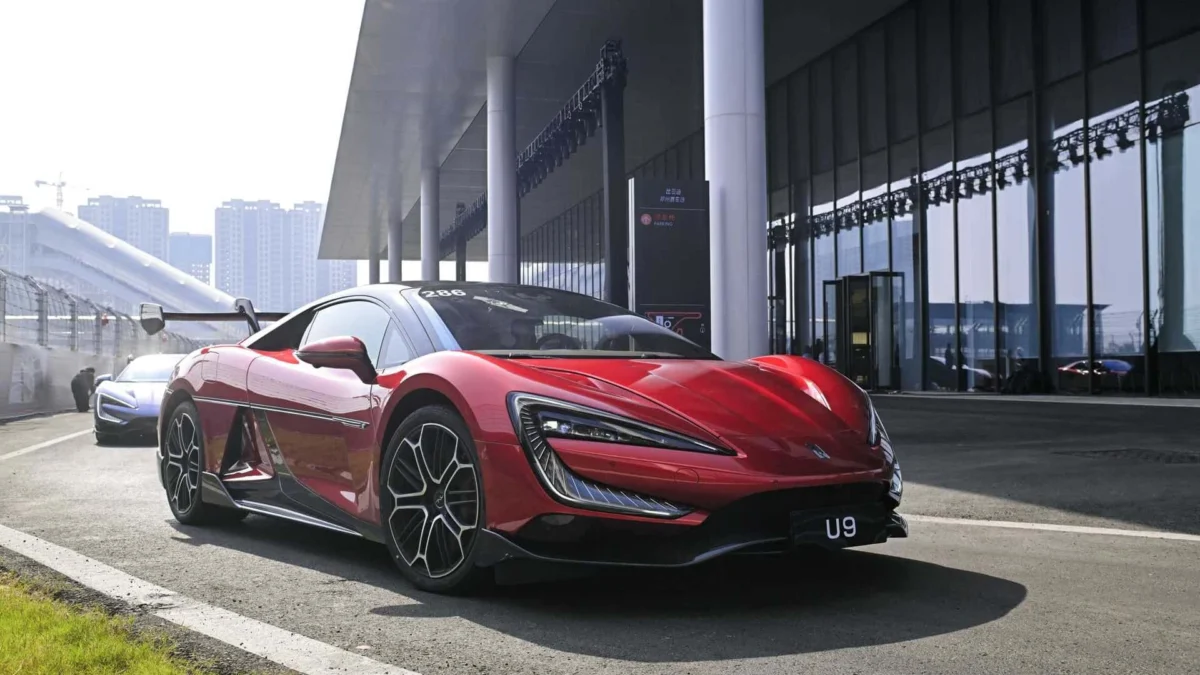
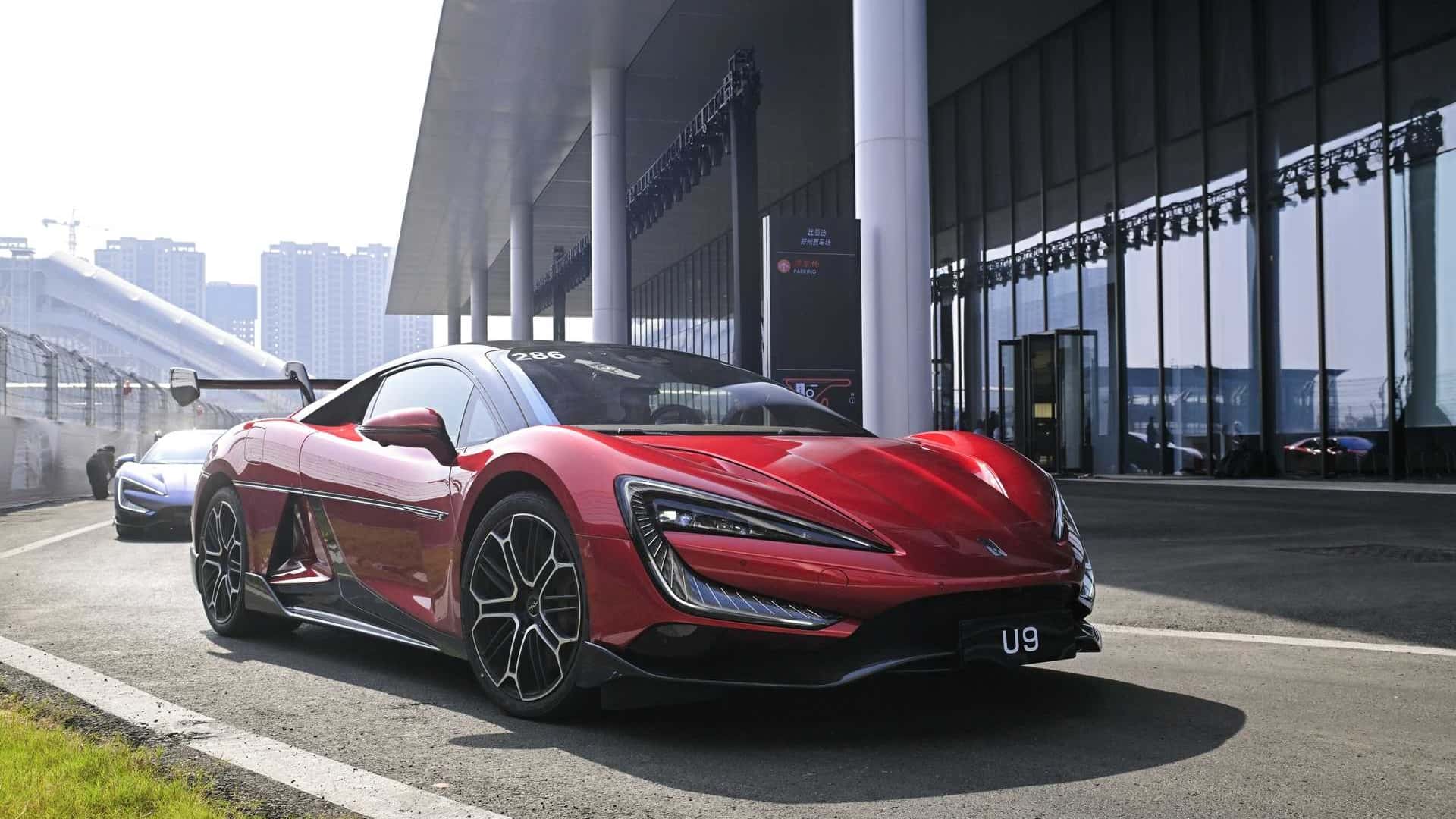
Apparently, being the fastest in the world isn’t enough for the automotive powerhouse BYD and its luxury subsidiary, Yangwang. The Yangwang U9 Xtreme, an electric hypercar with previously unimaginable specifications, has already claimed the title of the all-time production car top speed record. Last year, it achieved a staggering 308.4 miles per hour (approximately 496.3 kilometers per hour), a feat that dethroned Bugatti’s 304.8 mph (490.5 km/h) Chiron Super Sport 300+ record set in 2019. However, BYD believes the Yangwang U9 Xtreme has more speed to unlock and is determined to push the boundaries even further, aiming to surpass its own remarkable achievement.
The Pursuit of the 500 km/h Barrier
At the prestigious Goodwood Festival of Speed, a renowned annual motorsport event that celebrates automotive history and innovation, BYD’s Executive Vice President, Stella Li, publicly stated the company’s ambition to embark on another record-breaking run. Speaking to attendees and automotive journalists, Li expressed her confidence that a top speed of 310 mph (500 km/h) is within reach for the Yangwang U9 Xtreme. This announcement signals a significant escalation in the electric hypercar arms race, with BYD and Yangwang clearly aiming to solidify their dominance in the hypercar segment.
This optimism is not without foundation. The claim is bolstered by insights from Yangwang’s test driver, former German racing driver Marc Basseng. Following the record-breaking run last year, Basseng reportedly indicated that telemetry data suggested the U9 Xtreme could have maintained full throttle for an additional second and a half beyond the duration of the actual record attempt. While it remains to be definitively proven whether this marginal extra acceleration would have been sufficient to cross the 310 mph threshold, BYD is clearly eager to explore this possibility. The company’s aggressive pursuit of higher speeds underscores a commitment to demonstrating the ultimate performance capabilities of its electric vehicle technology.
A Chronicle of Speed and Innovation
The journey to the current top speed record began with the Yangwang U9 Xtreme’s unveiling, a vehicle designed from the ground up to challenge conventional notions of electric vehicle performance. Its development has been a testament to BYD’s rapid advancement in battery technology, electric motor efficiency, and aerodynamic design.
Key Milestones in the Yangwang U9 Xtreme’s Performance Journey:
- Pre-Record Testing and Development: Extensive simulations and track testing were conducted to refine the vehicle’s aerodynamics, power delivery, and chassis dynamics. Early prototypes likely achieved significant speeds, providing valuable data for engineers.
- Record-Breaking Run (Previous): The Yangwang U9 Xtreme achieved its initial production car top speed record of 308.4 mph, surpassing Bugatti’s long-standing benchmark. This event marked a significant moment for electric vehicles on the global automotive stage.
- Post-Record Analysis: Following the record run, detailed analysis of the telemetry data by test driver Marc Basseng revealed potential for even greater speeds, igniting the ambition for a new target.
- Strategic Enhancements for Record Attempts: For its previous top speed run, the U9 Xtreme underwent specific modifications. These included the removal of the rear wing, which can create drag at extreme speeds, and the fitting of smaller wheels paired with wider tires. These adjustments are typical in high-speed record attempts to optimize aerodynamic efficiency and tire grip.
- Public Announcement of Future Record Bid: At the Goodwood Festival of Speed, Stella Li confirmed BYD’s intention to attempt a new top speed record, targeting 310 mph (500 km/h).
- Anticipated Record Attempt (November): Li indicated that this new record-seeking run is expected to take place in November, setting a clear timeframe for this ambitious endeavor.
Unveiling the Technical Marvel: The Yangwang U9 Xtreme
The Yangwang U9 Xtreme is not just about raw speed; it represents a pinnacle of electric performance engineering. Its specifications are nothing short of extraordinary, showcasing BYD’s technological prowess.
Powertrain and Performance Metrics
At the heart of the U9 Xtreme lies a formidable quad-motor powertrain. This system delivers an astounding total output of 2,950 horsepower. To put this into perspective, this power figure is nearly double that of a base Bugatti Chiron. Each of the four electric motors independently produces a remarkable 744 horsepower, contributing to the car’s explosive acceleration and immense top-end speed.
The vehicle also benefits from a cutting-edge 1,200-volt battery architecture. This higher voltage system allows for faster charging, more efficient power delivery, and contributes to the overall performance capabilities of the hypercar. The integration of such advanced electrical systems is crucial for managing the immense power generated and ensuring consistent performance under extreme conditions.
Aerodynamic and Chassis Considerations
While the initial top speed run involved specific aerodynamic adjustments, the U9 Xtreme’s design likely incorporates active aerodynamic elements that can be optimized for various performance scenarios. The removal of the rear wing for the record attempt suggests a focus on minimizing drag, a critical factor in achieving ultra-high speeds. The choice of smaller wheels and wider tires is also a deliberate engineering decision aimed at maximizing tire contact patch and stability at speeds exceeding 300 mph.
The car’s chassis and suspension system are engineered to withstand the immense forces generated at such velocities. Advanced materials and sophisticated suspension technology, possibly including adaptive damping and active aerodynamics, are essential for maintaining control and stability. Yangwang’s proprietary DiSus intelligent body control system, known for its ability to independently control wheel height, damping, and stiffness, likely plays a pivotal role in managing the vehicle’s dynamics during high-speed runs.
Context and Industry Implications
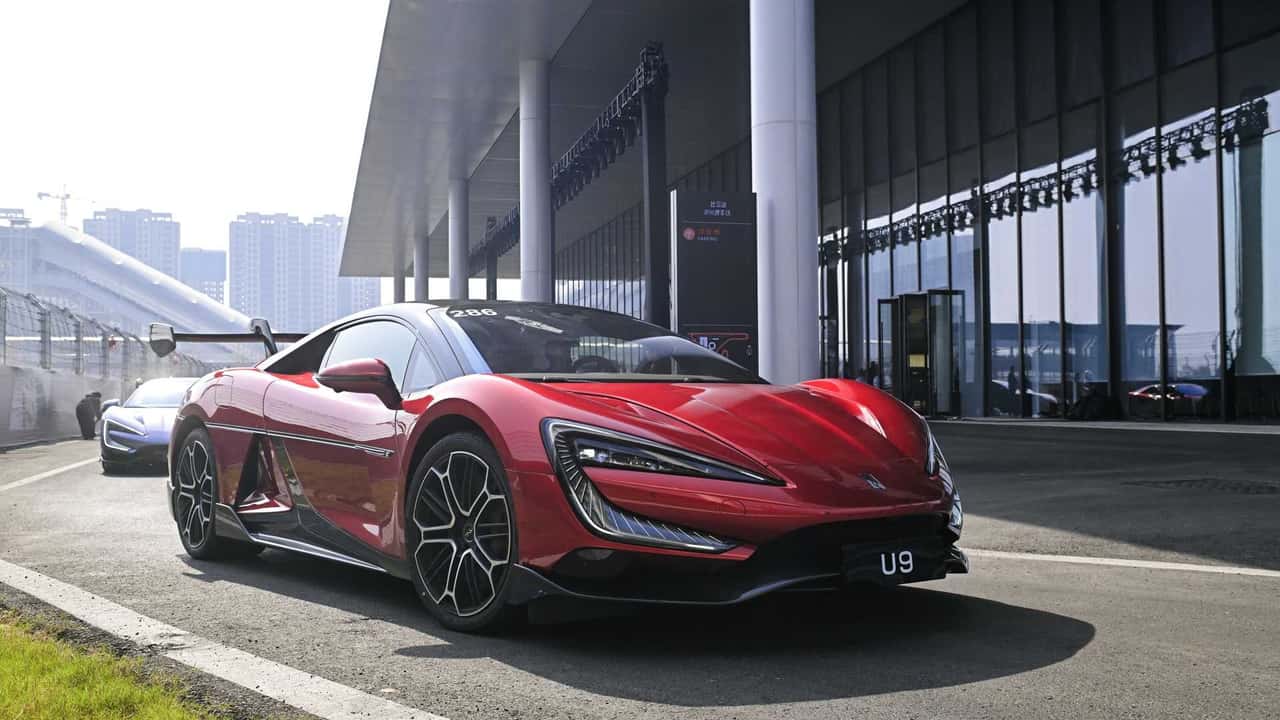
The Yangwang U9 Xtreme’s pursuit of the 310 mph mark is more than just a race for a record; it signifies a broader trend in the automotive industry. The rapid advancements in electric vehicle technology are challenging the long-held dominance of internal combustion engine hypercars. BYD, a company that has emerged as a global leader in EV production, is leveraging its expertise to push the boundaries of what electric vehicles are capable of.
The Shifting Landscape of Hypercar Performance
For decades, the pursuit of top speed has been dominated by manufacturers like Bugatti, Koenigsegg, and SSC North America, all utilizing highly potent internal combustion engines. The fact that an electric vehicle is now at the forefront of this race has significant implications:
- Technological Advancement: It demonstrates the rapid progress in electric motor efficiency, battery energy density, and thermal management systems required to sustain extreme power output.
- Market Perception: It challenges consumer perceptions of electric vehicles, moving them from being solely seen as environmentally conscious alternatives to capable, high-performance machines.
- Competitive Pressure: This success puts pressure on other manufacturers, both traditional and emerging, to accelerate their own EV development programs, particularly in the performance segment.
- Regulatory Landscape: As EV performance increases, it may also influence future regulatory discussions around vehicle safety and performance standards.
The Goodwood Festival of Speed: A Global Stage
The Goodwood Festival of Speed, held annually on the grounds of Goodwood House in West Sussex, England, is a globally recognized event for automotive enthusiasts and industry professionals. It provides a unique platform for manufacturers to showcase their latest innovations, historic race cars, and cutting-edge technologies. The festival attracts hundreds of thousands of visitors and is a key date in the motorsport calendar. BYD’s announcement at this prestigious event underscores the significance of their ambition and their intent to capture global attention for their technological achievements.
Potential Challenges and Future Outlook
While the ambition is clear and the data promising, achieving a new top speed record of 310 mph is not without its challenges. Factors such as tire integrity at extreme speeds, aerodynamic stability, and the precise calibration of the vehicle’s control systems will be critical. The environmental conditions on the day of the attempt, including wind and track surface temperature, can also play a significant role.
BYD’s executive VP, Stella Li, did not explicitly detail whether further modifications beyond those already made for the previous record run would be implemented. However, it is reasonable to infer that the company will meticulously analyze the data from past attempts and may introduce further refinements to optimize the U9 Xtreme for its upcoming 500 km/h target. The company’s commitment to data-driven development suggests that any adjustments will be precise and purposeful.
The expected record-seeking run in November will be closely watched by the automotive world. If successful, the Yangwang U9 Xtreme will not only set a new benchmark for production car top speed but also further solidify electric vehicles as formidable contenders in the hypercar arena, heralding a new era of performance where electrification and extreme speed go hand in hand. This relentless pursuit of speed by BYD and Yangwang is a clear signal of their intent to lead the future of automotive performance.