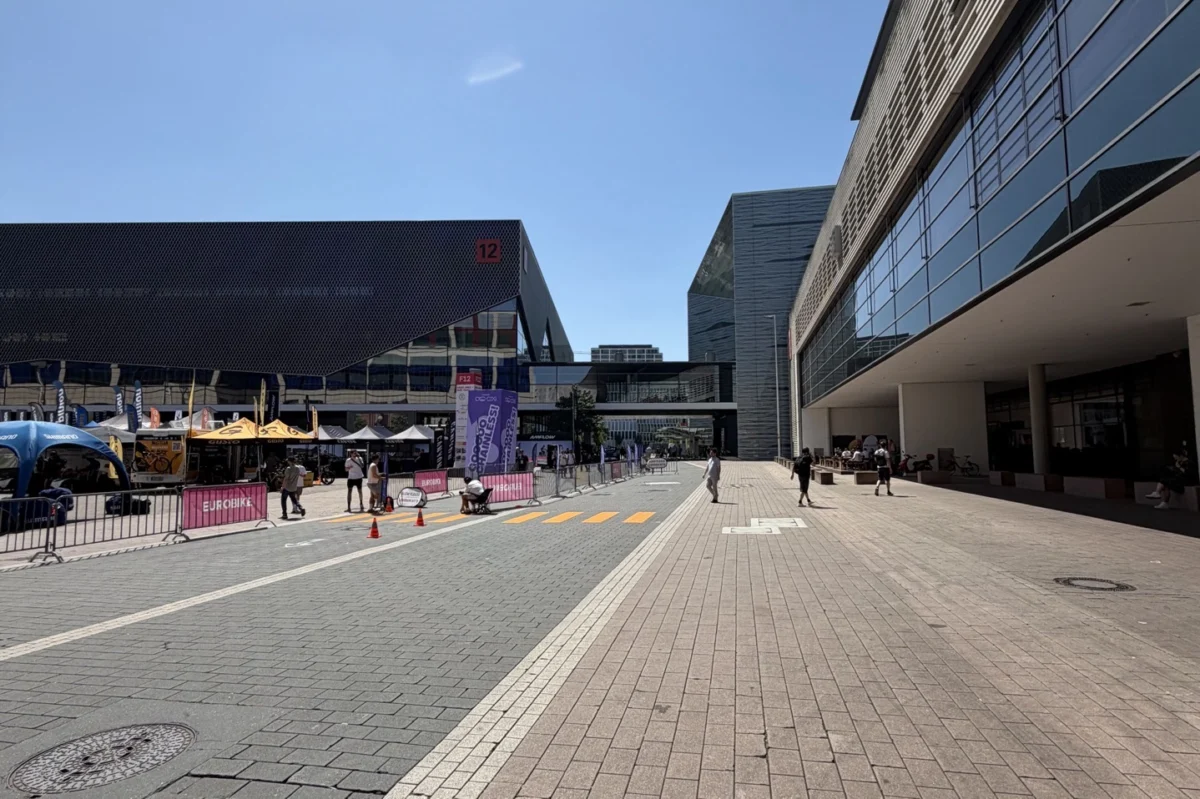
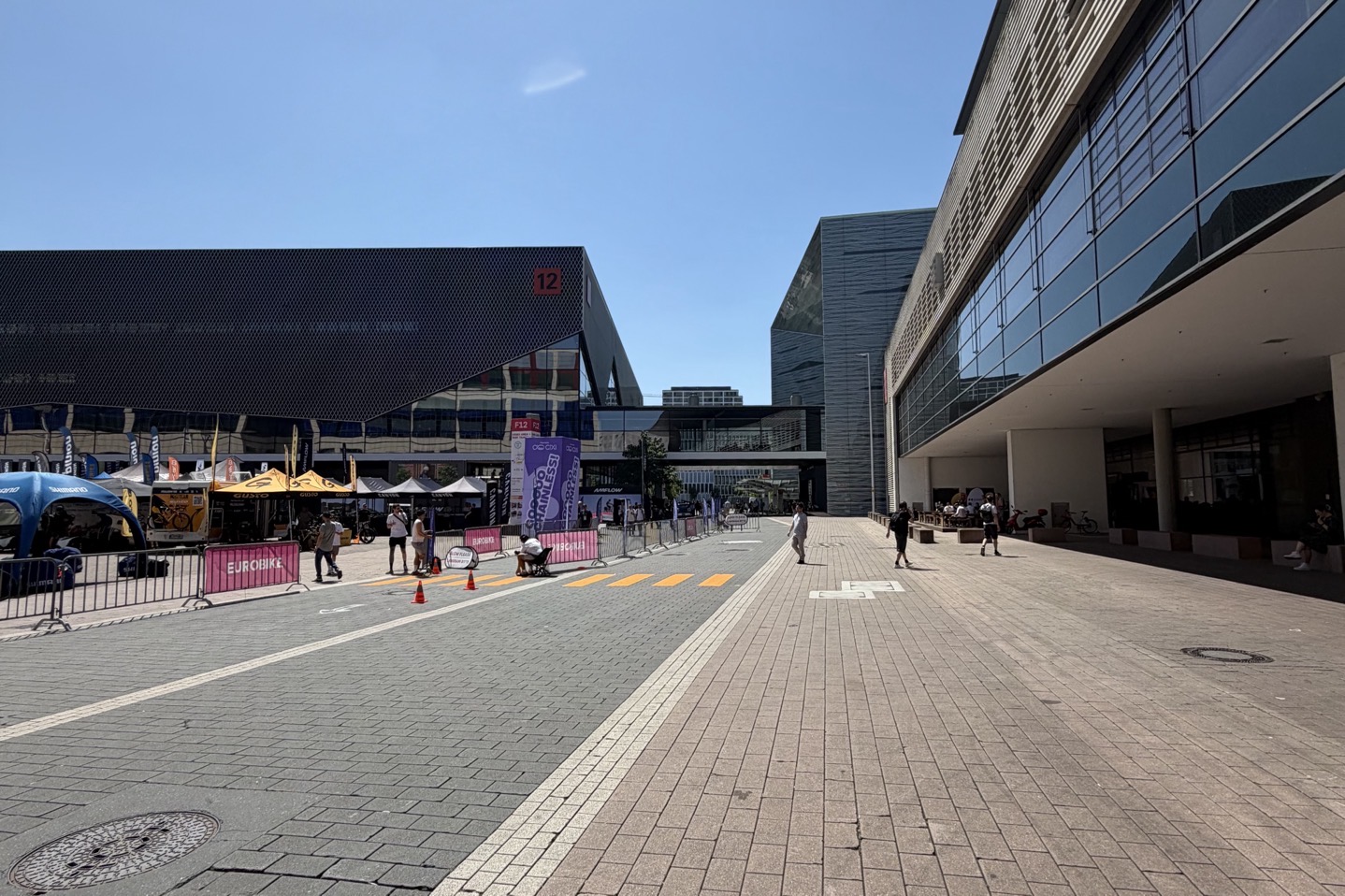
The 2026 edition of Eurobike, historically the premier global platform for the bicycle industry, opened its doors to a scene that industry veterans described as unrecognizable compared to the show’s former glory. Where thousands of cyclists once swarmed the temporary parking areas and packed the corridors of the exhibition grounds, the opening day in Frankfurt was marked by desolate hallways and empty booths. The transition of the event from its traditional roots to a broader "micro-mobility" focus, combined with a mass exodus of Tier-1 brands, has prompted urgent questions regarding the viability of large-scale trade shows in the modern cycling economy.
A Staggering Decline in Participation
The statistical trajectory of Eurobike over the last three years paints a stark picture of an industry in retreat from the traditional trade show model. In 2024, the event boasted approximately 1,800 exhibitors, serving as a comprehensive hub for everything from niche components to global bicycle brands. By 2025, that number had dipped to 1,500. However, the 2026 figures released by organizers showed a precipitous drop to just 800 exhibitors—a 55% decline in participation over a 24-month period.
Observers on the ground noted that even the official figure of 800 may have been optimistic. Reports indicated numerous "ghost booths"—reserved spaces that remained empty or were repurposed as lounge areas at the last minute. The physical footprint of the show, once spanning nearly a dozen massive halls, felt cavernous and underutilized, with attendees often walking nearly a kilometer through empty connecting passages to reach active exhibition areas.
The Identity Crisis: Bikes Versus Micro-Mobility
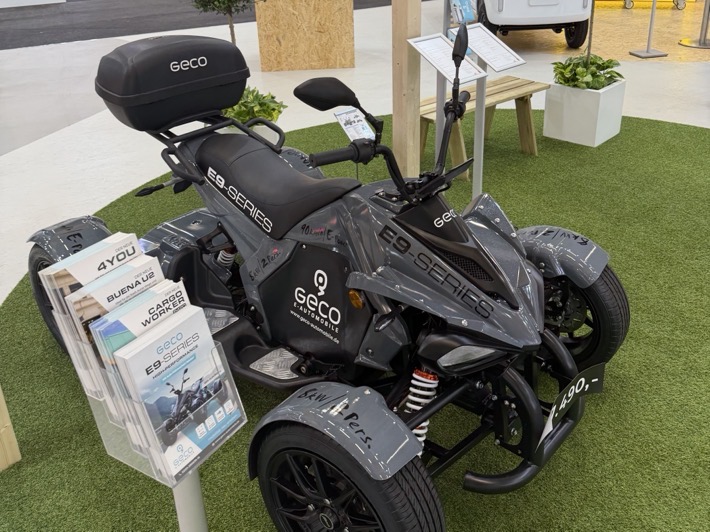
One of the most contentious shifts in Eurobike’s strategy has been its attempt to pivot toward "micro-mobility." Upon entering the main hall in 2026, the primary displays were not high-end racing bicycles or innovative mountain bikes, but rather a small two-person Fiat electric car and various heavy-duty electric quads.
This strategic pivot was intended to insulate the show from the volatility of the cycling market by attracting the broader transportation and tech sectors. However, critics argue this move has backfired by diluting the event’s core identity. The inclusion of 90 km/h-rated electric vehicles on test tracks alongside traditional bicycles has raised both safety concerns and questions about the show’s relevance to its original constituency. For many traditional cycling brands, the presence of automotive-adjacent technology signaled that Eurobike was no longer a "bike show," but a general transport fair, leading to a loss of interest from core cycling enthusiasts and specialized retailers.
The Exodus of Industry Giants
The decline of Eurobike is perhaps best illustrated by the list of prominent brands that have opted to skip the event entirely. While American giants like Specialized and Trek moved away from the trade show circuit years ago in favor of private dealer events, the 2026 show saw a departure of the European "old guard" and tech leaders.
Key absences in the 2026 edition included:
- Drivetrain and Component Leaders: Shimano, SRAM, and Bosch—the three pillars of modern bicycle specifications—were notably absent from the floor.
- Fitness and Training Tech: Major players such as Garmin (and its subsidiary Tacx), Wahoo Fitness, Elite, and 4iiii, which previously used Eurobike to anchor their autumn sales campaigns, did not host official booths.
- Digital Platforms: Leading indoor cycling apps like Zwift, Rouvy, and MyWhoosh, which typically used the event for high-level industry networking, were largely absent, leaving the sports-tech segment nearly deserted.
For many of these companies, the return on investment (ROI) for a massive trade show booth—which can cost hundreds of thousands of dollars when factoring in logistics, staffing, and construction—no longer aligns with modern marketing realities.
A Shift in Product Launch Cycles and Seasonality
Historically, Eurobike served as the "fixed point" in the calendar for the cycling industry. Manufacturers timed their research and development cycles to ensure new models were ready for an August or September reveal. This allowed retailers to place orders for the following spring season.
However, several factors have dismantled this cycle:
- Year-Round Consumption: The rise of indoor training and the globalization of the market mean that cycling is no longer a strictly seasonal sport. Consumers now expect new technology to be released when it is ready, rather than waiting for a specific trade fair.
- Digital PR Strategies: In the age of social media and direct-to-consumer digital marketing, launching a product at a trade show is often viewed as a "noisy" strategy. A brand’s announcement can easily be buried under hundreds of other press releases issued on the same day.
- Private Media Events: Companies now prefer to host small, exclusive launch events where they can control the narrative and ensure that journalists have dedicated time with their products, rather than competing for attention in a crowded exhibition hall.
The Frankfurt vs. Friedrichshafen Debate
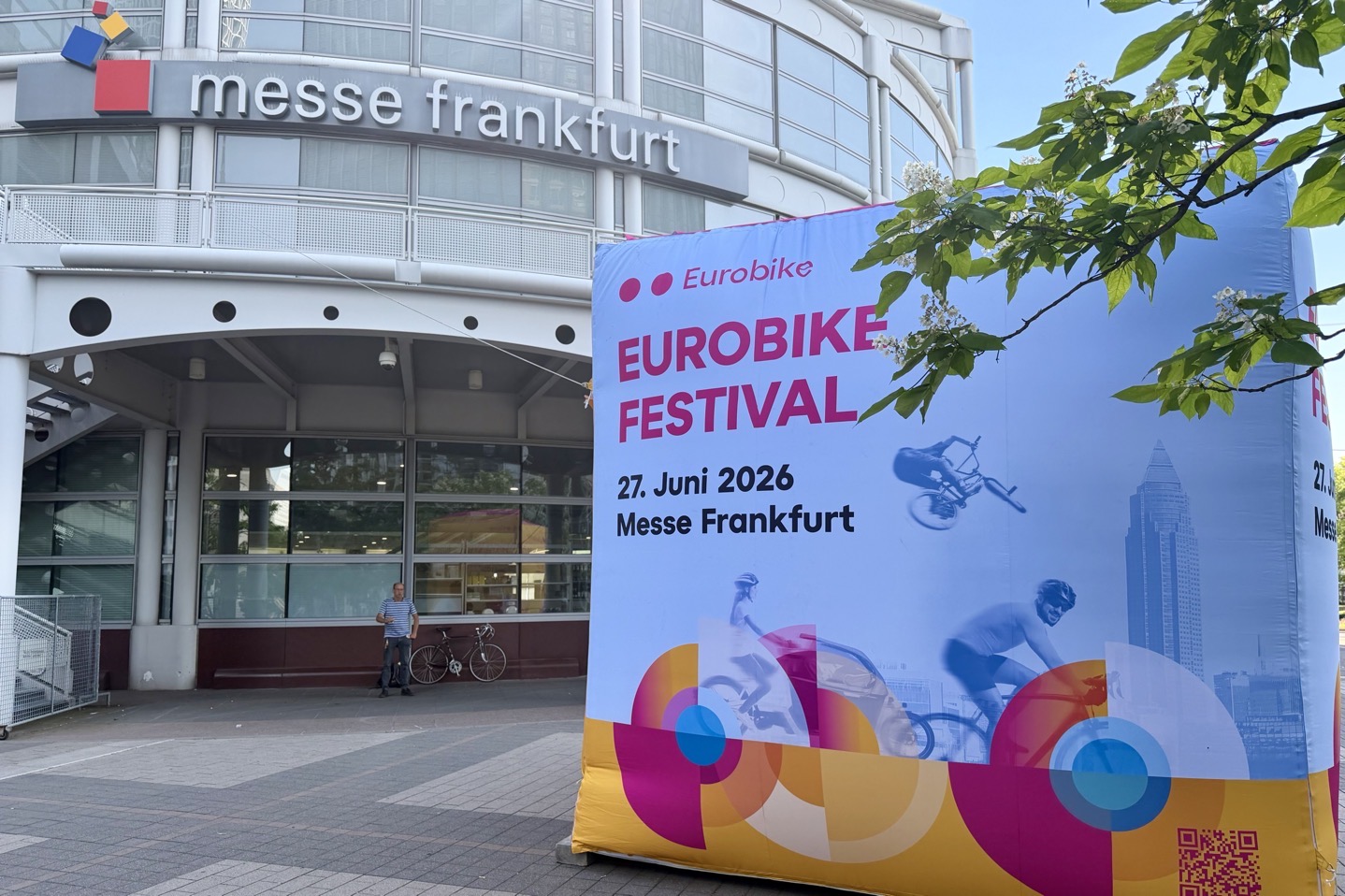
The relocation of Eurobike from its long-time home in Friedrichshafen to the metropolitan hub of Frankfurt in 2022 was intended to solve the show’s logistical nightmares. Friedrichshafen, a scenic town on Lake Constance, lacked the hotel capacity and transportation infrastructure to support a global event, often forcing attendees into two-hour commutes and overpriced accommodations.
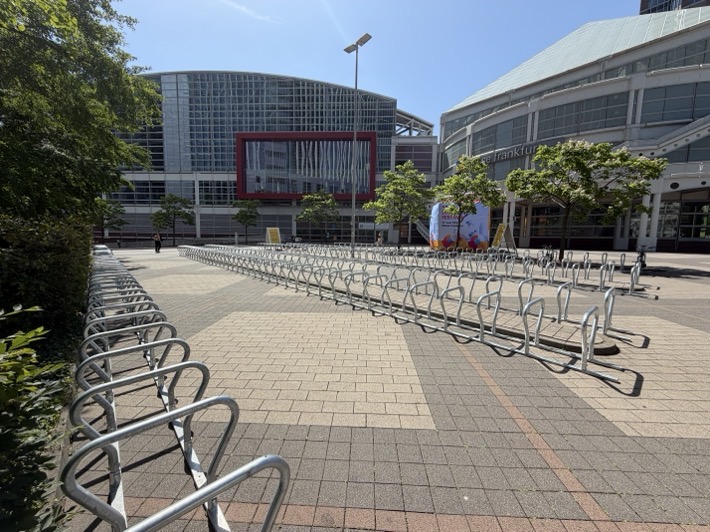
While Frankfurt solved the logistical issues with its massive airport and abundance of hotels, industry experts argue that the move stripped the show of its "soul." Friedrichshafen offered a festival-like atmosphere where the industry gathered in the countryside to ride bikes and socialize. Frankfurt’s Messe, a concrete convention center, has been described as sterile. Without the communal atmosphere that once defined the event, many attendees have found little reason to endure the costs of participation.
The Future of Eurobike: A Biennial Gamble?
In a move that signals an admission of the current model’s failure, Eurobike organizers have quietly signaled a change in the event’s frequency. While dates for a 2027 show have been announced for early September, the organization revealed through "show daily" notes—rather than a primary press release—that the event will likely not occur in 2028. Instead, the plan is to move to a biennial (every-other-year) format starting in 2029.
This mirrors the fate of Interbike, once the largest cycling trade show in North America, which attempted similar schedule changes before eventually being cancelled permanently. Industry analysts suggest that if the 2027 show fails to secure commitments from major brands like Shimano or Bosch by the end of this year, the 2027 edition may also face cancellation.
Broader Impact on the Cycling Industry
The decline of the mega-trade show does not necessarily signal a decline in the cycling industry itself, but rather a maturation of how business is conducted. Retailers are increasingly looking toward smaller, more focused events like "Rouleur Live" in London or "Sea Otter Classic" in California, which prioritize consumer engagement and high-quality networking over sheer floor space.
For engineers and product designers, the loss of Eurobike represents a significant blow to "informal innovation." The show was historically a place where technical minds from competing companies could meet, share gossip, and discuss the future of standards (such as bottom bracket or axle dimensions). Without a central gathering point, the industry risks becoming more fragmented.
As the cycling world moves toward 2027, the "obituary" for the traditional trade show model seems to be writing itself. The industry is currently in a state of recalibration, moving away from the expensive, sprawling spectacles of the past toward more agile, digital-first, and community-focused interactions. Whether Eurobike can reinvent itself for the biennial era remains to be seen, but the era of the "all-encompassing bike show" appears to have reached the end of the road.