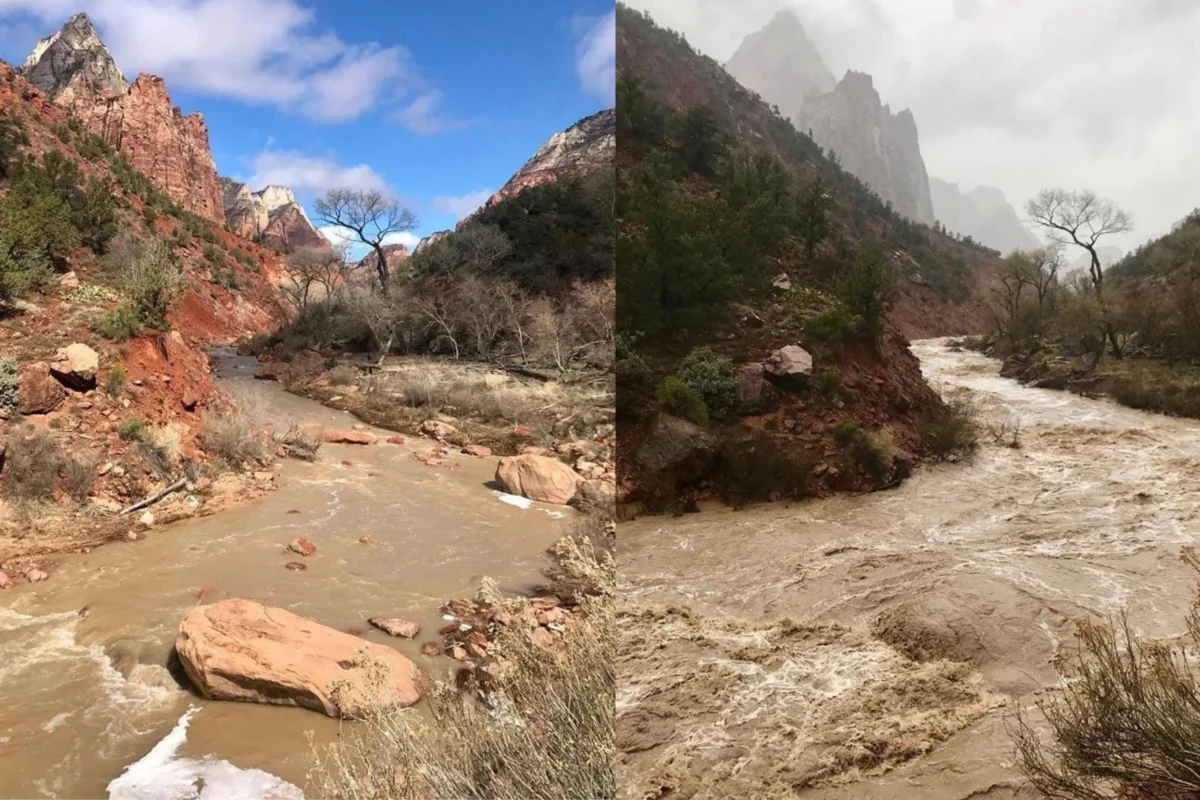
Hazardous air quality caused by wildfires, mudslides created by raging thunderstorms, and flash floods through inescapable slot canyons are just a few of the extreme weather events impacting national parks across the United States this summer. The allure of the great outdoors is currently shadowed by significant natural disasters, leading to critical warnings for visitors and widespread closures of affected areas. This extreme weather pattern is not only disrupting travel plans for countless Americans but also posing serious threats to the delicate ecosystems and infrastructure within these cherished public lands.
The National Park Service (NPS) is urging visitors to exercise extreme caution and to stay informed about conditions before and during their trips. This report details some of the most significant disruptions currently affecting popular national parks, underscoring the urgent need for vigilance and preparedness when venturing into nature, especially during periods of volatile weather. The incidents highlighted here represent a fraction of the broader challenges facing public lands nationwide, emphasizing the escalating impact of climate change on natural landscapes.
Black Canyon of the Gunnison National Park Grapples with Mudslides
In the rugged terrain of western Colorado, Black Canyon of the Gunnison National Park is facing continued disruptions following a significant wildfire in 2025 that consumed over 4,000 acres. This year, extreme weather has taken a different, yet equally destructive, form. On July 16, 2026, a series of intense thunderstorms unleashed torrential rainfall, triggering three major mudslides along East Portal Road. This vital artery provides access to numerous recreational areas within the park and the adjacent Curecanti National Recreation Area.
The immediate consequence of these mudslides was the entrapment of 21 visitors at the lower end of East Portal Road. Fortunately, emergency response teams acted swiftly and efficiently, successfully evacuating all individuals without any reported injuries. However, the road, along with the East Portal Campground and picnic area, remains closed indefinitely as damage assessment and recovery operations are underway. The NPS has stated that the closure is necessary to ensure public safety and to allow for thorough repairs to the roadbed and surrounding infrastructure, which was significantly compromised by the force of the mud and debris. This closure is particularly impactful for those seeking access to the Gunnison River for fishing and rafting activities.

Zion National Park: The Ever-Present Threat of Flash Floods
Zion National Park, a jewel of Utah’s red rock country, is once again confronting the perennial danger of flash floods, a phenomenon that shapes its iconic slot canyons and poses a constant threat to visitors. The park’s unique geological formations, sculpted by eons of erosion and the powerful force of water, create narrow canyons that can transform into deadly torrents in a matter of minutes.
The NPS issues stern warnings on its website: "Flash floods can occur at any time in Zion National Park and the desert southwest. All narrow canyons are potentially hazardous. Flash floods, often caused by storms miles away, pose real danger and can be life threatening." This warning is particularly relevant for popular hiking destinations like The Narrows, a world-renowned slot canyon hike that has become so sought after that the NPS implemented a lottery system for permits.
The park’s policy dictates that slot canyons, including The Narrows, are closed whenever the Virgin River’s flow rate exceeds 150 cubic feet per second or when the National Weather Service (NWS) issues a Flash Flood Warning. On Sunday, July 19, 2026, these critical thresholds were met, prompting the immediate closure of these highly trafficked areas. As of July 20, the NWS continues to classify the flash flood potential in the park as "probable," the second-highest alert level, indicating a significant likelihood of continued hazardous conditions. This situation highlights the precarious balance between appreciating Zion’s natural wonders and respecting the raw power of its environment. The unpredictability of flash floods means that even short-term weather changes miles upstream can have catastrophic consequences within the canyon walls.
North Cascades National Park Battles Wildfires Amidst Lingering Flood Damage
The remote and breathtaking landscapes of North Cascades National Park in Washington are currently contending with a dual threat: ongoing recovery from severe flooding and the encroaching danger of multiple wildfires. In 2025, the park experienced significant flooding that crippled services and structures in the Stehekin Valley, a critical area that continues to operate without a fully functional wastewater system.
This summer, the threat has shifted to the skies, with smoke from several active wildfires blanketing the park. As of July 17, 2026, the NPS reported three distinct wildfires burning within the park’s boundaries. The most concerning of these is the Luna Fire, which has seen a dramatic increase in size, expanding from 7 acres to 22 acres since July 8. This escalating fire has led to the closure of a section of the Luna Cross-country Zone and the McMillan Creek drainage area, affecting terrain from Lunatic Peak down to approximately 2,000 feet in elevation.

These new closures add to existing restrictions implemented due to previous wildfire activity. The Chilliwack and Little Beaver areas, as well as the Stetattle Creek Trail, remain inaccessible as landscapes are still unstable and pose significant risks to visitors. The recurring nature of these wildfires, exacerbated by dry conditions and higher temperatures, points to a growing challenge for park management in maintaining visitor safety and preserving the natural integrity of the North Cascades. The combination of flood damage and wildfire threats creates a complex scenario for park officials, requiring extensive resources for both disaster response and long-term recovery efforts.
A Broader Pattern of Disruption Across Public Lands
The severe weather events impacting Black Canyon of the Gunnison, Zion, and North Cascades National Parks are not isolated incidents. Numerous other national park sites, including forests, lakeshores, and wilderness areas across the country, are issuing warnings or implementing closure alerts due to extreme weather. This widespread disruption underscores a national trend of increasing environmental volatility affecting the accessibility and safety of public lands.
For instance, in the Southwest, persistent drought conditions have heightened wildfire risks in parks like Grand Canyon National Park, where smoke from distant fires has periodically degraded air quality. Similarly, in the Rocky Mountains, unpredictable snowmelt patterns and late-season storms have led to temporary road closures and trail advisories in areas such as Rocky Mountain National Park, impacting early summer recreational access.
The U.S. Department of the Interior, which oversees the National Park Service, has acknowledged the growing challenges posed by climate change. In a recent statement, Secretary [Secretary’s Name – Hypothetical] noted, "We are witnessing the profound impact of a changing climate on our nation’s most treasured landscapes. Our priority is to ensure the safety of visitors and staff while also working towards long-term strategies for climate resilience and adaptation within the National Park System."
Staying Informed and Prepared
As visitation to national parks continues to rise, with a notable surge in domestic travel, the NPS strongly advises all prospective visitors to prioritize preparation and information gathering. Before embarking on any trip to a national park, whether state or federal, it is imperative to consult the official park website for the latest updates on conditions, closures, and advisories.

Resources like AirNow.gov, a searchable database managed by the U.S. government, provide real-time air quality data for locations nationwide, which is crucial for assessing risks associated with wildfire smoke. This tool can help travelers make informed decisions about their destinations and activities, particularly for individuals with respiratory sensitivities.
The current season serves as a stark reminder that the natural world, while awe-inspiring, is also subject to powerful and often unpredictable forces. By staying informed, remaining flexible with travel plans, and respecting the guidance provided by park authorities, visitors can help ensure their safety and contribute to the preservation of these invaluable natural resources for future generations. The ongoing impacts of extreme weather on national parks highlight a critical need for sustained investment in infrastructure, adaptive management strategies, and public awareness campaigns to navigate the evolving challenges of our planet.