
A comfortable night under the stars is paramount for any outdoor enthusiast, transforming a potentially challenging excursion into a deeply restorative experience. The quality of one’s sleep system directly influences the ability to fully recharge and embrace the adventures that await. In an increasingly diverse market, discerning the tangible benefits offered by premium camping mattresses compared to more budget-friendly sleeping pads can be a complex undertaking. This comprehensive review delves into the nuanced distinctions, examining how varying price points translate into comfort, durability, and overall performance in the wilderness.
The Evolving Landscape of Outdoor Sleep Systems
The quest for a good night’s sleep in the great outdoors has spurred significant innovation in camping gear. Gone are the days when a simple foam mat was the primary option. Today, the market is flooded with a spectrum of sleeping solutions, ranging from minimalist, packable pads to luxurious, self-inflating mattresses that rival traditional beds. This proliferation of choice, however, also brings a wide disparity in cost, with some premium options exceeding $400. Understanding what constitutes the value proposition at different price tiers is crucial for making an informed purchasing decision.
To demystify these differences, a rigorous testing process was undertaken, evaluating 25 distinct sleeping pads and camping mattresses. The objective was to identify not just the best overall performers, but also to pinpoint the specific features and benefits that justify their respective price tags. This analysis culminated in a curated list of nine standout products, with a particular focus on three models representing the budget, mid-range, and premium segments of the market. The goal was to ascertain whether a higher investment truly yields a commensurately better sleep experience, acknowledging that individual preferences for comfort remain a significant variable.
Best Camping Mattresses and Sleeping Pads: A Comparative Overview
The following sections detail the performance and features of three exemplary products, each representing a different tier in the sleeping pad market. These selections were made based on extensive field testing and comparative analysis of their construction, insulation capabilities, ease of use, and overall comfort.
Best Budget Sleeping Pad: Kelty Kush Air Bed ($140)
Key Specifications:
- Thickness: 6 inches
- Dimensions: 79 inches x 55.5 inches (Queen size)
- R-value: Not explicitly rated, but suitable for temperatures down to 30°F.
Pros:

- Integrated rechargeable pump for convenient inflation.
- Compact packed size, comparable to a laptop.
- Provides significant elevation off the ground.
Cons:
- Audible noise from the material when moving.
- Surface texture can be rough against bare skin.
The Kelty Kush Air Bed emerges as a compelling option for campers prioritizing essential comfort without an exorbitant price tag. This air mattress offers a substantial 6 inches of loft, effectively insulating sleepers from the uneven terrain and cold ground, making it suitable for nights as cold as 30°F. This level of elevation significantly surpasses that of more rudimentary options like basic foam mats or even some more established lightweight pads, which often fail to provide adequate cushioning for extended periods.
A notable advantage of the Kelty Kush Air Bed is its portability. Despite its generous inflated dimensions, it packs down remarkably small, easily fitting into a backpack or duffel bag. The inclusion of a USB-rechargeable pump streamlines the setup process, allowing for quick inflation in approximately four minutes. This convenience was validated during a weekend camping trip, where the mattress maintained its firmness without the need for re-inflation.
However, the budget-friendly nature of the Kelty Kush Air Bed does come with certain compromises. The polyester exterior, while durable, generates a noticeable "zip-zip" sound with any movement during the night. While this may be inconsequential for solo campers, it could prove disruptive to tent mates. Furthermore, the fabric’s texture can feel somewhat abrasive against bare skin, a minor inconvenience that can be mitigated by using a sleeping bag liner or an additional top sheet. Nevertheless, for its price point, the Kelty Kush Air Bed delivers a remarkably comfortable and off-the-ground sleeping experience that significantly enhances outdoor rest.
Best Mid-Range Sleeping Pad: Nemo Roamer ($260-$280)
Key Specifications:
- Thickness: 4 inches
- Dimensions: Available in multiple sizes, ranging from 76 inches x 25 inches (Regular Wide) to 78 inches x 52 inches (Alpine).
- R-value: 7
Pros:
- Luxuriously soft upper fabric for enhanced comfort.
- Exceptional overall comfort, approaching that of a home mattress.
- Variety of sizes to accommodate different needs.
Cons:
- Higher price point compared to basic options.
- Can be challenging to pack back into its original stuff sack.
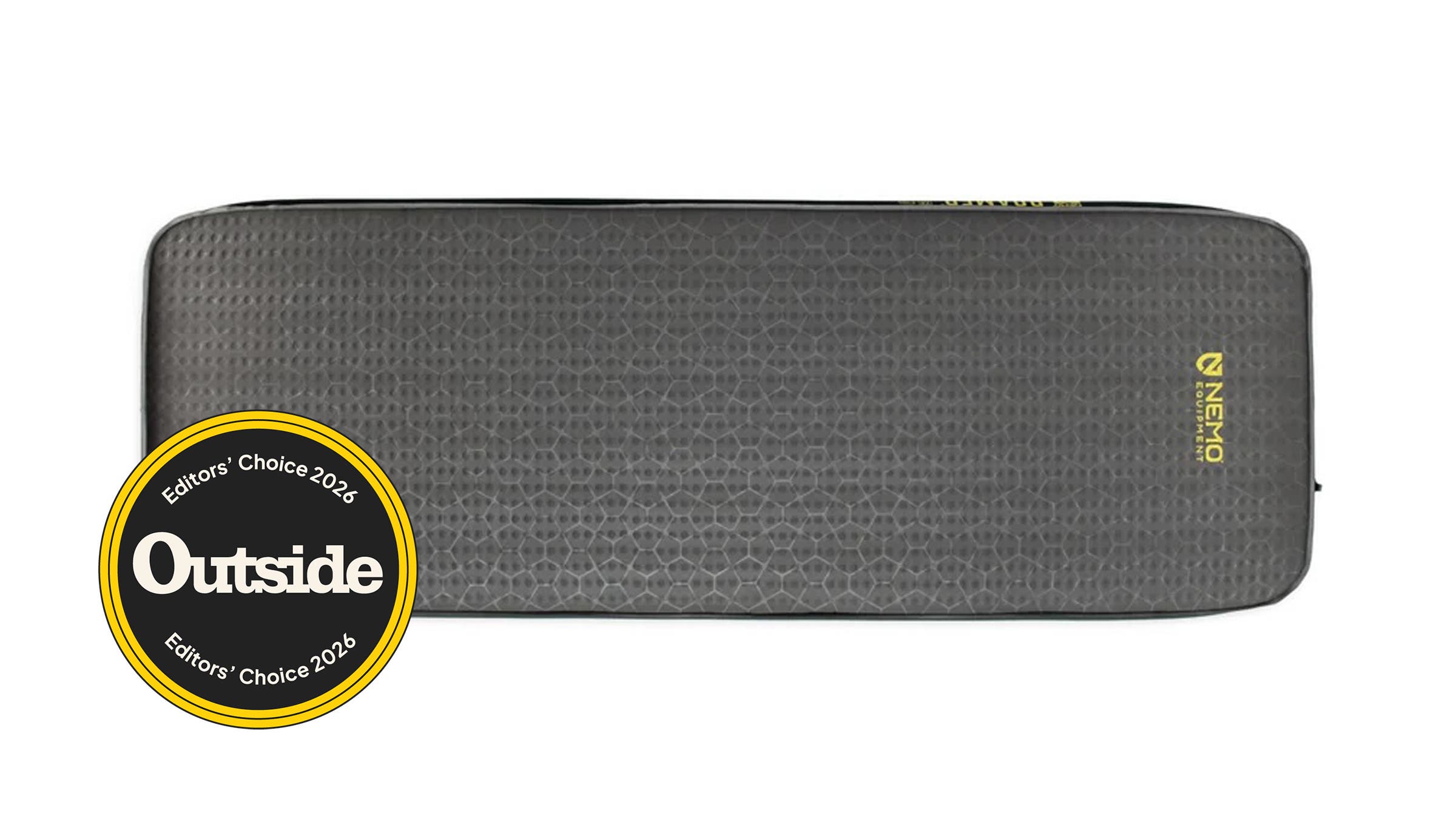
The Nemo Roamer is a standout choice for campers seeking a near-home-bed sleeping experience in the wilderness. This pad has garnered acclaim, including an Editor’s Choice award, and its 2026 update further solidifies its position as a premium offering. At four inches thick, the Roamer utilizes an open-cell foam construction that inflates to provide exceptional support and insulation. Its boosted R-value of 7 ensures warmth even in sub-30°F temperatures, making it a reliable companion for shoulder-season adventures.
The fabric of the Nemo Roamer has been significantly upgraded to a PU stretch polyester, which not only feels soft and comfortable against the skin but also offers improved durability against abrasion from rocks or twigs. This attention to material quality contributes to the pad’s overall plush feel, a sentiment echoed by testers who described it as the "closest thing to my bed at home that I’ve ever camped on."
Setup and deflation are made effortless by Nemo’s innovative self-inflating valve and a dedicated dump valve, which allows for rapid air release. While the pad can be topped off with additional air using a pump or one’s own breath for a firmer feel, the primary inflation is largely autonomous. The most significant challenge encountered during testing was repacking the Roamer into its proprietary stuff sack, a process that often requires considerable effort. However, this minor inconvenience is a small price to pay for the unparalleled comfort and insulation it provides, making the Nemo Roamer a wise investment for those who prioritize sleep quality on extended camping trips.
Best Splurge Sleeping Pad: Zempire Monstabed Twin ($400)
Key Specifications:
- Thickness: 16.5 inches
- Dimensions: 77 inches x 53 inches (Twin size)
- R-value: 10.5
Pros:
- Unparalleled warmth and luxurious comfort.
- Significant height is beneficial for individuals with back pain or mobility issues.
- Generous dimensions for ample sleeping space.
Cons:
- Considerable weight and bulk when packed.
- Width may exceed the capacity of standard tents.
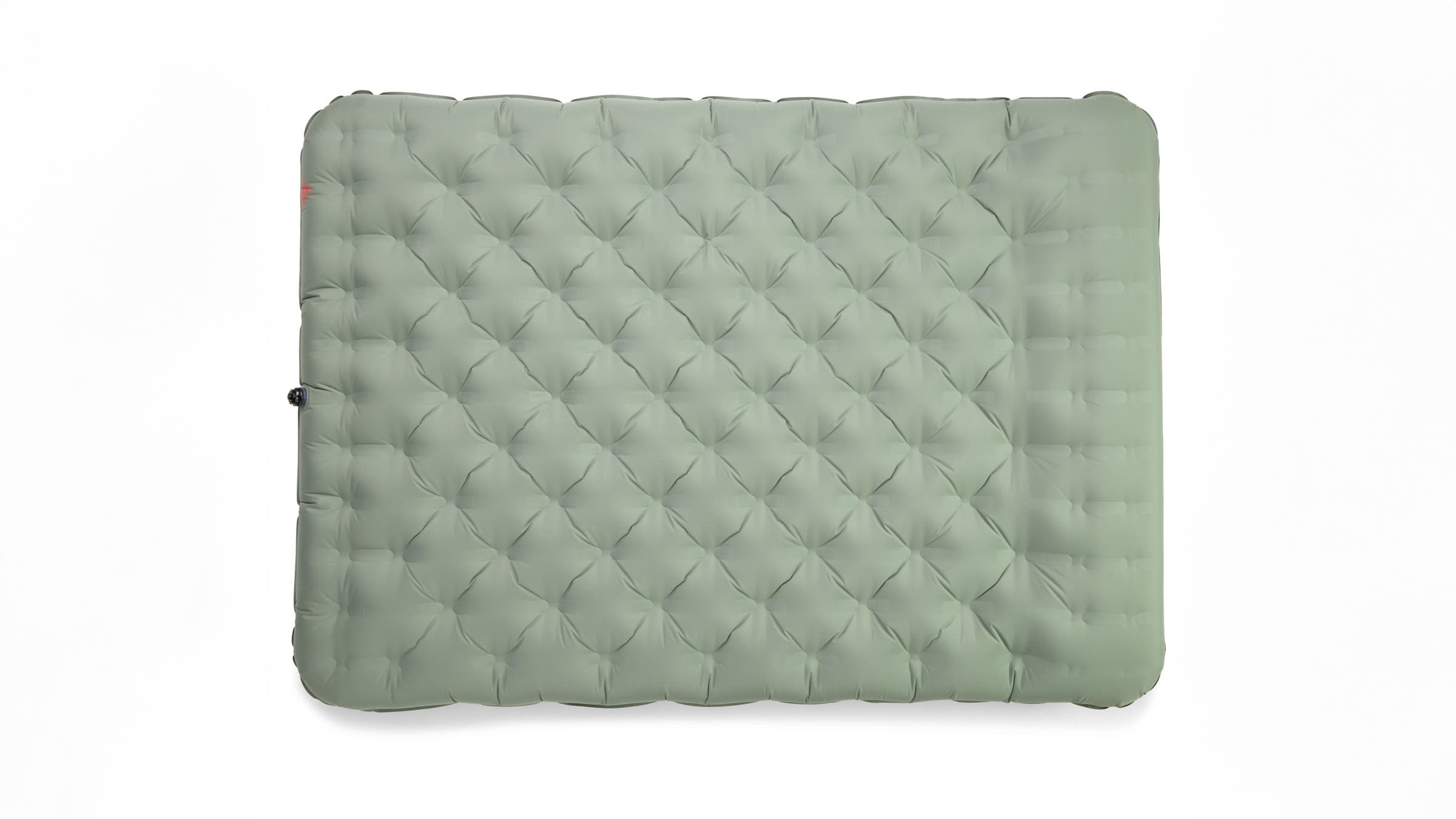
The Zempire Monstabed Twin represents the pinnacle of camping comfort, offering a sleeping experience that rivals, and in some aspects surpasses, traditional home mattresses. At an impressive 16.5 inches thick, this mattress elevates campers a considerable distance off the ground, a feature particularly advantageous for individuals experiencing back pain or recovering from injuries. The substantial height also contributes to a feeling of spaciousness and luxury, transforming the camping experience.
The comfort is further enhanced by an exceptionally plush topper, which provides a cloud-like surface and contributes to its impressive R-value of 10.5. This high insulation rating ensures exceptional warmth, making it suitable for even the coldest camping conditions. The Monstabed Twin achieves its loft and comfort through a combination of an open-cell foam topper and an inflatable platform. Inflation is facilitated by the Zempire Monstapump ($50) or a similar electric pump, making setup straightforward and efficient.
While its packed dimensions are considerable, comparable to a large carry-on suitcase, this is a factor primarily relevant for backpackers. For car campers, the size is a manageable trade-off for the level of comfort offered. It is important to note that the "Twin" designation refers to its width, which is slightly less than a standard full-size bed, but it comfortably accommodates two campers. However, its 53-inch width may not fit within the confines of all standard tents, necessitating careful consideration of tent dimensions or opting for a tent designed to accommodate wider sleeping arrangements, such as the Zempire Pro TM V2 tent, where it fits perfectly.
The primary drawback, aside from its size and weight, is the 150-denier ripstop polyester base fabric, which, while durable, is not as robust as some other materials and may be susceptible to damage if dragged over rough surfaces. Despite these minor considerations, the Zempire Monstabed Twin is an unparalleled luxury for those who prioritize a supreme sleeping experience while camping, justifying its premium price for the ultimate in outdoor comfort and warmth.
The Impact of Price on Performance and Durability
The testing of these three distinct sleeping pads—the budget-friendly Kelty Kush Air Bed, the mid-range Nemo Roamer, and the premium Zempire Monstabed Twin—underscores a clear correlation between price, comfort, and advanced features. While the Kelty Kush Air Bed provides a significant upgrade from basic sleeping solutions, offering a comfortable and elevated sleep at a modest price, it sacrifices some of the finer points of material comfort and noise reduction.
The Nemo Roamer, positioned in the mid-range, strikes an impressive balance. It delivers a notable leap in comfort and insulation, with a softer, more durable fabric and a higher R-value, justifying its increased cost for those seeking a more refined outdoor sleep. The inclusion of advanced inflation and deflation mechanisms further enhances its user-friendliness.
At the top tier, the Zempire Monstabed Twin redefines what is possible in camping comfort. Its exceptional thickness, luxurious topper, and superior insulation offer an experience that closely mimics a home bed, making it ideal for extended trips or for individuals with specific comfort needs. The higher price point is directly reflected in the superior materials, construction, and overall sleeping experience.
The implications of these differences extend beyond mere comfort. Higher-priced pads often utilize more advanced materials that offer better insulation (higher R-values), increased durability, and improved compressibility, leading to a longer lifespan and better performance in a wider range of conditions. For the serious outdoors person, the investment in a higher-quality sleep system can translate into more enjoyable and restorative trips, allowing them to fully engage with their outdoor pursuits without the lingering fatigue of poor sleep. Conversely, for the occasional camper or those on a tighter budget, the more affordable options still provide a substantial improvement over sleeping directly on the ground, making outdoor adventures accessible to a broader audience. Ultimately, the "best" sleeping pad is subjective, dependent on individual priorities, intended use, and budget.