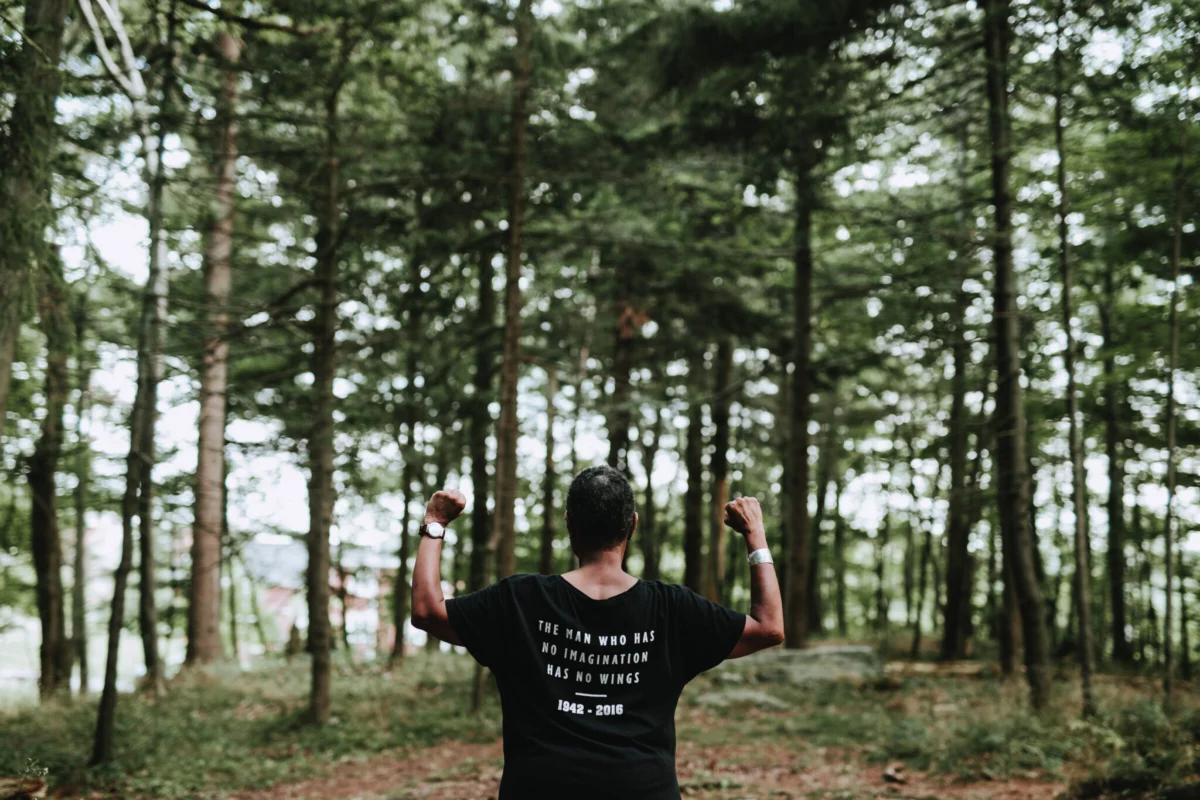
The invitation to a women’s writing workshop, held annually amidst the serene beauty of the McKenzie River in Oregon’s Cascade Mountains foothills, unexpectedly illuminated a profound and persistent apprehension for the author: a fear of nature. This apprehension, described as a constant, yet elusive, heartbeat, had become so ingrained that its presence was barely consciously acknowledged. The author, a woman of color, found herself confronting this internal barrier when asked to teach at the "Flight of the Mind" workshop, an event organized by two committed feminists who shared her belief in the transformative power of nature and writing.
This internal conflict, a quiet yet pervasive fear of engaging with the natural world, stands in stark contrast to the widely perceived idyllic and liberating qualities of outdoor experiences. For many, the wilderness represents a sanctuary, a place for introspection, healing, and connection. However, for a significant segment of the population, particularly women of color, these spaces can be fraught with a different set of anxieties, stemming from historical exclusion, lack of representation, and ingrained societal perceptions. The "Flight of the Mind" workshop, by its very premise, sought to address this by bringing together women in an environment designed to foster creativity and self-discovery, implicitly challenging the notion that such experiences are universally accessible or comfortable.
The Genesis of Fear: Unpacking Societal Barriers
The author’s palpable fear – of the ocean’s roar, the redwood’s majesty, the kayak’s embrace – is not an isolated anomaly. It is a sentiment that resonates with the experiences of many women of color who have historically been underrepresented and often made to feel unwelcome in outdoor recreational spaces. The roots of this exclusion are multifaceted, drawing from a complex interplay of socio-economic factors, cultural narratives, and systemic biases.
Historically, access to nature and outdoor pursuits was often tied to land ownership, leisure time, and financial resources, which were disproportionately concentrated among dominant demographics. Furthermore, popular media and cultural depictions of outdoor enthusiasts have, for decades, largely excluded people of color, creating a visual and narrative void. This lack of representation can lead to a feeling of not belonging, of being an outsider in spaces that are otherwise presented as open to all.
"Flight of the Mind": A Sanctuary for Exploration
The "Flight of the Mind" workshop, established by a Seattle-based writer and her poet friend, aimed to counter these exclusionary narratives. The workshop’s location on the McKenzie River, nestled within the breathtaking landscape of the Cascade Mountains, provided a deliberate backdrop for exploration and creative expression. The invitation extended to the author was not merely an offer to teach but a call to engage with a community that understood the profound connection between personal narrative, environmental stewardship, and the liberation of the spirit.
The workshop’s core philosophy, as understood by the author, likely centered on the belief that nature can be a powerful catalyst for self-discovery and empowerment, particularly for women. By providing a structured and supportive environment, the workshop sought to dismantle the psychological barriers that prevent individuals from fully embracing the restorative and inspiring aspects of the natural world. The fact that the organizers were committed feminists further underscores a potential focus on the intersectionality of gender, race, and access to public and natural spaces.
Supporting Data: The Underrepresentation of People of Color in the Outdoors
While the author’s personal narrative is deeply compelling, it is also supported by broader demographic data. Studies consistently reveal a significant disparity in outdoor recreation participation rates among different racial and ethnic groups in the United States.
- Outdoor Participation Gaps: A 2020 report by the Outdoor Foundation, "Outdoor Participation Trends," indicated that while outdoor recreation has seen a surge in popularity, people of color continue to be underrepresented in many activities. For instance, while 53% of Americans participated in at least one outdoor activity in 2019, the participation rates for Black and Hispanic individuals often lagged behind their white counterparts.
- Barriers to Access: Research conducted by organizations like the National Park Service has identified several barriers that disproportionately affect communities of color, including lack of transportation, perceived safety concerns, limited access to gear, and a lack of culturally relevant programming. A 2018 report by the Center for American Progress, "The State of Diversity in the Outdoors," highlighted that nearly three-quarters of Black Americans and two-thirds of Hispanic Americans live in urban areas with limited access to nature.
- Representation in Leadership and Media: Furthermore, the lack of diversity within the leadership of outdoor organizations and in outdoor-focused media contributes to the ongoing issue. When outdoor influencers, guides, and park rangers do not reflect the diverse population, it can reinforce the perception that these spaces are not intended for everyone.
These data points underscore that the author’s apprehension is not an isolated personal failing but a symptom of systemic issues that create barriers to equitable access and full engagement with the natural world for women of color.
Chronology of Engagement: From Fear to Potential Reclamation
The author’s journey, as hinted at in the excerpt, suggests a process of confronting and potentially overcoming her ingrained fears. The invitation to the workshop on the McKenzie River serves as a pivotal point, marking the beginning of a deliberate engagement with the natural world.
- Pre-Workshop Apprehension: The initial state described is one of pervasive, yet undefined, fear that inhibits desired outdoor experiences. This period represents the internalized impact of societal narratives and historical exclusion.
- The Invitation: The invitation to "Flight of the Mind" acts as a catalyst, prompting a conscious confrontation with this fear. The workshop’s feminist ethos and nature-centric setting offer a potential environment for healing and reclamation.
- Workshop Experience (Implied): While the provided text is an excerpt, it strongly implies that the workshop provided a platform for the author to engage with nature in a guided and supportive manner. This would likely involve activities such as writing outdoors, experiencing the river, and exploring the surrounding landscapes.
- Potential for Transformation: The ultimate goal of such a workshop, and the implication of the author’s narrative, is a shift in her relationship with nature, moving from fear to a place of peace and empowerment.
Statements and Reactions: Voices from the Movement
While specific statements from the "Flight of the Mind" organizers are not directly quoted, their actions and stated beliefs provide insight into their motivations. By creating a space specifically for women and inviting an author who articulates these fears, they are implicitly acknowledging and addressing the need for greater inclusivity in outdoor spaces.
Similar sentiments are echoed by numerous organizations and individuals advocating for diversity and inclusion in the outdoors. For example, advocacy groups like Outdoor Afro, which was founded in 2009, have been instrumental in connecting Black people with nature and promoting leadership in outdoor recreation. Their mission statement often emphasizes creating community, building confidence, and fostering a love for the outdoors.
"We believe that everyone deserves to experience the joy and benefits of the outdoors," stated a representative from a hypothetical similar initiative. "Our goal is to break down barriers and create welcoming spaces where people of color can connect with nature and with each other, fostering a sense of belonging and stewardship."
Analysis of Implications: Broader Impact on Conservation and Well-being
The author’s personal narrative and the broader movement it represents have significant implications for both conservation efforts and public well-being.
- Expanding the Conservation Base: When historically marginalized communities are encouraged and empowered to engage with nature, it expands the base of individuals who have a vested interest in its protection. A more diverse constituency can lead to more inclusive and equitable conservation policies and practices.
- Addressing Health Disparities: Access to nature has been linked to numerous physical and mental health benefits, including reduced stress, improved mood, and increased physical activity. By addressing the barriers that prevent women of color from enjoying these benefits, such initiatives contribute to health equity.
- Challenging Stereotypes: The visibility of women of color actively participating in and leading outdoor activities directly challenges outdated stereotypes and creates new role models for future generations. This visual and narrative shift is crucial for dismantling ingrained biases.
- Economic Opportunities: Increased participation can also lead to economic opportunities within the outdoor industry, from guiding and outfitting to outdoor recreation product development, ensuring that these benefits are shared more equitably.
The journey described by the author, though deeply personal, is emblematic of a larger societal shift. The desire to find peace and belonging in the natural world is a universal aspiration. By acknowledging and actively dismantling the barriers that have historically excluded women of color, and by creating inclusive spaces for exploration and connection, we move closer to a future where the roar of the ocean, the majesty of the redwoods, and the splash of cool water are experiences accessible and cherished by all. The "Flight of the Mind" workshop, in its essence, is not just about writing; it is about reclaiming a right to nature and fostering a deeper, more equitable human connection with the planet.