











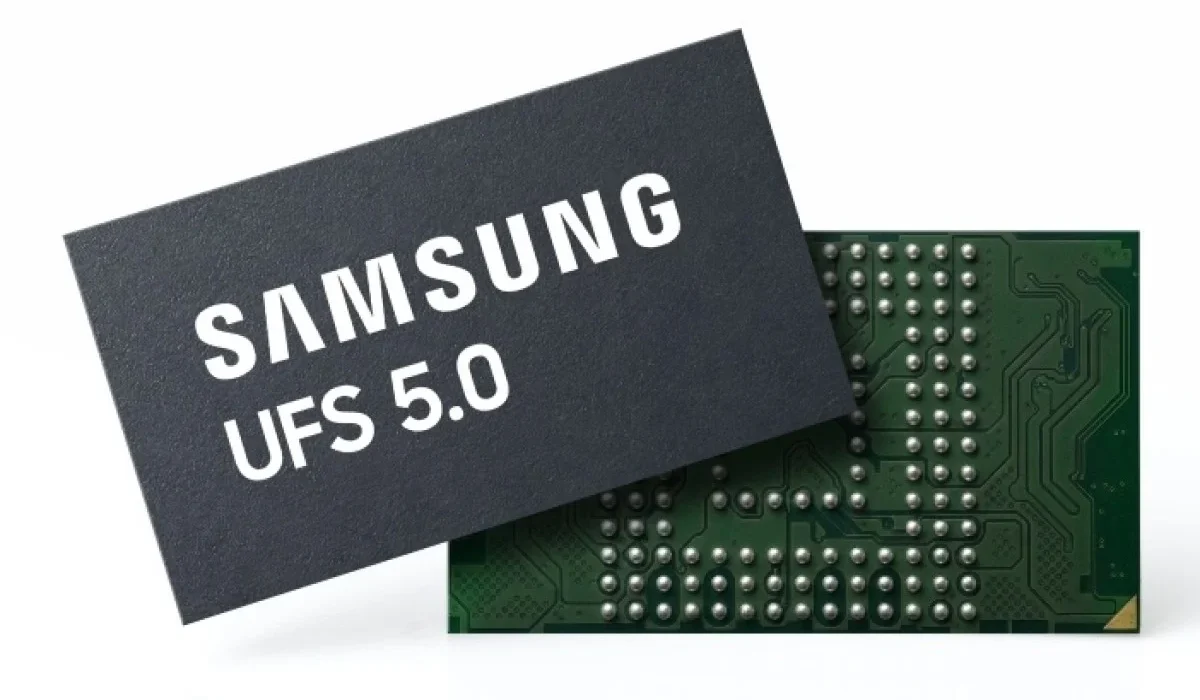
The smartphone industry has long grappled with the performance disparities inherent in varying storage capacities. Historically, consumers have been accustomed to entry-level models—typically those equipped with 128GB of storage—utilizing older or slower memory standards, such as UFS 3.1, while higher-tier 256GB variants benefited from the superior speeds of UFS 4.0 or 4.1. While the industry has largely trended toward standardizing 256GB as the new baseline for flagship devices, Samsung appears to be introducing a more complex, tier-based hardware strategy for its upcoming Galaxy S27 lineup. Recent reports indicate that the company is moving toward a split hardware strategy, segregating the latest LPDDR6 RAM and UFS 5.0 storage technology to specific, higher-priced configurations of its Pro and Ultra models.
A Departure from Expected Hardware Standardization
The original industry roadmap for the Galaxy S27 series suggested a universal integration of the next-generation LPDDR6 memory and UFS 5.0 storage across the entire flagship range. However, significant volatility in the global semiconductor market and surging costs for high-bandwidth memory have forced a strategic pivot. According to reports, Samsung has opted to restrict the deployment of these premium components to its most expensive hardware tiers.
Under this new configuration model, the standard Galaxy S27 and S27+ will remain on the legacy LPDDR5X and UFS 4.1 standards across all available storage options. The differentiation becomes particularly acute within the Pro and Ultra segments. Even within these premium tiers, the hardware is not uniform. The base-tier 12GB/256GB configurations for the S27 Pro and S27 Ultra will also utilize the older LPDDR5X and UFS 4.1 standards. Only those consumers who opt for the 12GB/512GB configuration of the S27 Ultra or the 16GB/1TB configuration of the S27 Pro and S27 Ultra will gain access to the cutting-edge LPDDR6 and UFS 5.0 hardware.
Comparative Memory and Storage Distribution
The proposed hardware distribution highlights a significant shift in how Samsung is positioning its flagship tiers. Below is the breakdown of the anticipated memory and storage pairings across the S27 series:
| Samsung Galaxy Model | 12GB/256GB | 12GB/512GB | 16GB/1TB |
|---|---|---|---|
| S27 | LPDDR5X / UFS 4.1 | LPDDR5X / UFS 4.1 | N/A |
| S27+ | LPDDR5X / UFS 4.1 | LPDDR5X / UFS 4.1 | N/A |
| S27 Pro | LPDDR5X / UFS 4.1 | LPDDR5X / UFS 4.1 | LPDDR6 / UFS 5.0 |
| S27 Ultra | LPDDR5X / UFS 4.1 | LPDDR6 / UFS 5.0 | LPDDR6 / UFS 5.0 |
This structural hierarchy implies that the "Pro" experience, in terms of raw hardware performance, will be effectively gated behind the most expensive 1TB storage tier. For the average consumer, the benefits of the latest memory technology remain elusive unless they are prepared to invest in the highest-cost variants of the S27 Ultra.
Technological Advancements: The Performance Gap
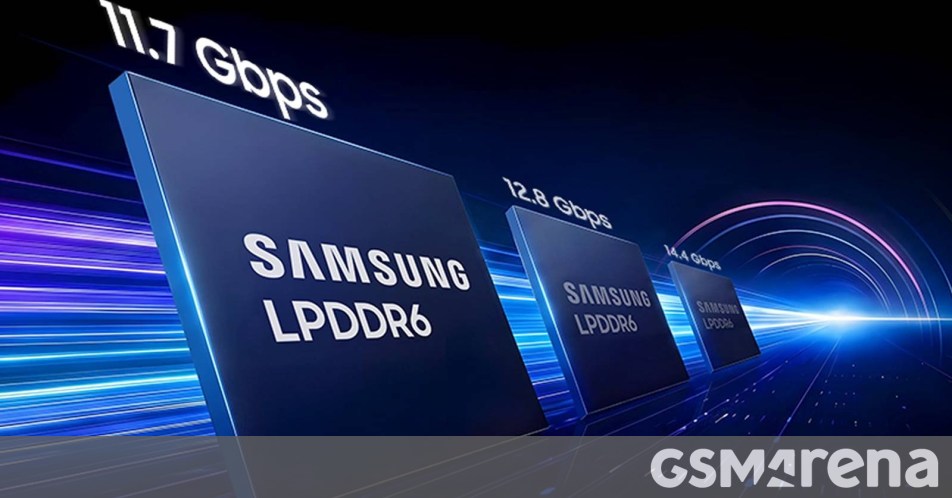
The shift to LPDDR6 and UFS 5.0 represents a substantial leap in technical specifications, which makes the decision to segment them by price tier highly consequential for power users. LPDDR6 is designed to deliver transfer speeds reaching up to 10.7Gbps per pin, a marked improvement over the existing LPDDR5X standard. These improvements are critical for the burgeoning demands of on-device artificial intelligence (AI) and intensive multitasking, which require high-speed data throughput to maintain system responsiveness.
Furthermore, UFS 5.0 storage introduces a massive improvement in data management. With capabilities reaching up to 10.8GB/s in sequential read speeds and 9.5GB/s in sequential write speeds, the new storage standard effectively halves the time required for high-resolution file transfers and large application loading. For professional photographers, videographers, and gamers, these metrics are not merely marginal gains but foundational improvements to the device’s utility. By withholding these features from base-tier models, Samsung is creating a performance ceiling that could influence the long-term viability of the lower-tier S27 devices as software demands continue to increase.
Chronology and Market Context
The road to the Galaxy S27 launch has been marked by persistent rumors of price adjustments. Analysts and industry insiders have speculated that the series may see a price hike ranging between $75 and $100 compared to the S26 generation. If these price increases materialize, the decision to withhold premium hardware from the entry-level tiers could face significant consumer pushback.
Historically, Samsung has utilized promotional strategies, such as free storage upgrades during the pre-order phase, to mitigate the perceived cost of its flagship devices. During the launch cycles of previous generations, it was common for consumers to purchase a 512GB unit for the price of a 256GB model. If similar incentives are offered for the S27 Ultra, it may provide a viable pathway for consumers to access LPDDR6 and UFS 5.0 without paying the full premium for the 512GB tier. However, such promotions are rarely available for the top-tier 1TB models, meaning that the absolute peak of Samsung’s technological offering will likely remain a high-cost luxury for the foreseeable future.
Implications for the Smartphone Ecosystem
The fragmentation of hardware specifications is a tactic previously utilized by other manufacturers to maximize profit margins on higher-tier products, where the component costs are more easily absorbed. By reserving the most expensive, state-of-the-art silicon for the 1TB models, Samsung is essentially prioritizing profitability in the face of rising manufacturing costs. While this is a sound financial strategy for the OEM, it creates a more confusing landscape for the end user, who may assume that the "Ultra" moniker guarantees the best possible performance regardless of the specific storage configuration purchased.
This strategy also reflects the changing nature of flagship smartphones. As AI features move from the cloud to on-device processing, the speed of memory and storage is becoming a primary differentiator. A phone that relies on older LPDDR5X memory may find itself struggling to keep pace with newer, more resource-intensive AI models compared to a device equipped with LPDDR6. Consequently, this tiering could result in a faster "obsolescence curve" for the base-model S27 devices, potentially influencing secondary market values and long-term customer satisfaction.
Analysis of Potential Consumer Reaction
Market analysts suggest that the reaction to this segmentation will likely be mixed. Enthusiast communities—who represent a core segment of the Galaxy Ultra demographic—are often highly sensitive to internal hardware specifications. These users may view the exclusion of UFS 5.0 from the base 256GB model as a degradation of value. Conversely, the casual consumer may be largely indifferent to the underlying memory standards, provided the device performs reliably in day-to-day operations.
The success of this strategy will depend heavily on how Samsung communicates the value of the LPDDR6 and UFS 5.0 technologies. If the marketing focuses on tangible benefits, such as significantly reduced app load times and enhanced AI functionality, the value proposition for the higher-tier models may become clearer. However, if the performance gap between the LPDDR5X and LPDDR6 variants proves to be minimal in standard, non-professional usage, the decision to tier the hardware could be viewed as an arbitrary move to drive users toward more expensive storage configurations.
Conclusion
The upcoming launch of the Galaxy S27 series represents a critical junction in Samsung’s hardware strategy. By implementing a granular, tier-based distribution of memory and storage technologies, Samsung is balancing the necessity of managing production costs with the pressure to deliver industry-leading performance. While the move ensures that the most powerful hardware remains available to the high-end segment of the market, it creates a more stratified user experience. Whether this approach will be viewed as a logical adaptation to rising component costs or an unnecessary barrier to premium performance remains to be seen once the devices hit the retail market. As the official announcement approaches, the industry will be watching closely to see if these configurations remain as rumored, and how effectively the company can justify these hardware disparities to its global customer base.