









When Apple officially rolled out iOS 27 in September, the technology sector’s collective gaze was firmly fixed on the introduction of advanced artificial intelligence integrations, most notably the overhauled Siri AI and expanded Apple Intelligence capabilities. These marquee features dominated keynote presentations, industry analysis, and consumer anticipation. However, beneath the layer of generative AI tools and machine-learning enhancements lies a robust suite of practical, quality-of-life updates that significantly alter the day-to-day user experience. While artificial intelligence continues to drive smartphone marketing narratives, a closer examination of iOS 27 reveals that some of the most impactful software engineering efforts went into refining core functionalities, interface design, and multimedia controls.
The Shift in Mobile Operating System Priorities
Historically, major annual releases of Apple’s mobile operating system have alternated between sweeping aesthetic overhauls and deep under-the-hood performance optimizations. With iOS 27, Apple attempted a hybrid approach: introducing cutting-edge computational intelligence while simultaneously addressing long-standing user interface requests.
The dominance of AI-related announcements during the initial developer conference and subsequent public beta releases is understandable. Natural language processing, automated contextual summaries, and generative design tools represent the current frontier of consumer electronics competition. Yet, for the average iPhone user navigating work emails, managing media playback, and executing daily digital transactions, the non-AI adjustments often dictate overall satisfaction with the device. Engineers and product designers at Apple focused heavily on user workflow friction points, optimizing elements that are accessed dozens or hundreds of times per day.
Enhanced Usability and Interface Refinements
Among the most celebrated additions to the iOS 27 ecosystem are expanded widget capabilities and improved orientation controls. For years, users have sought deeper customization options for their home and lock screens, pushing the boundaries of what static information displays can achieve.
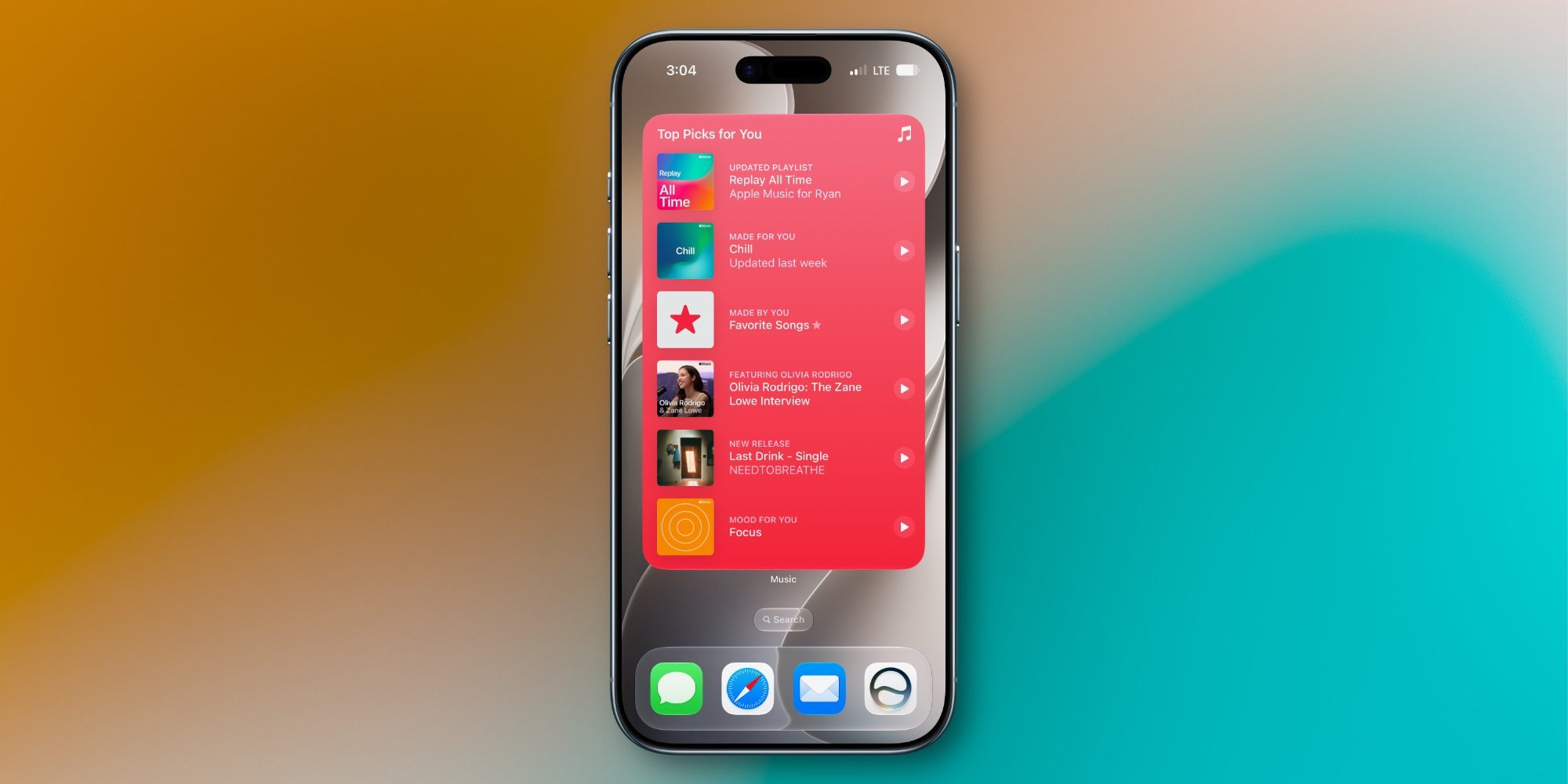
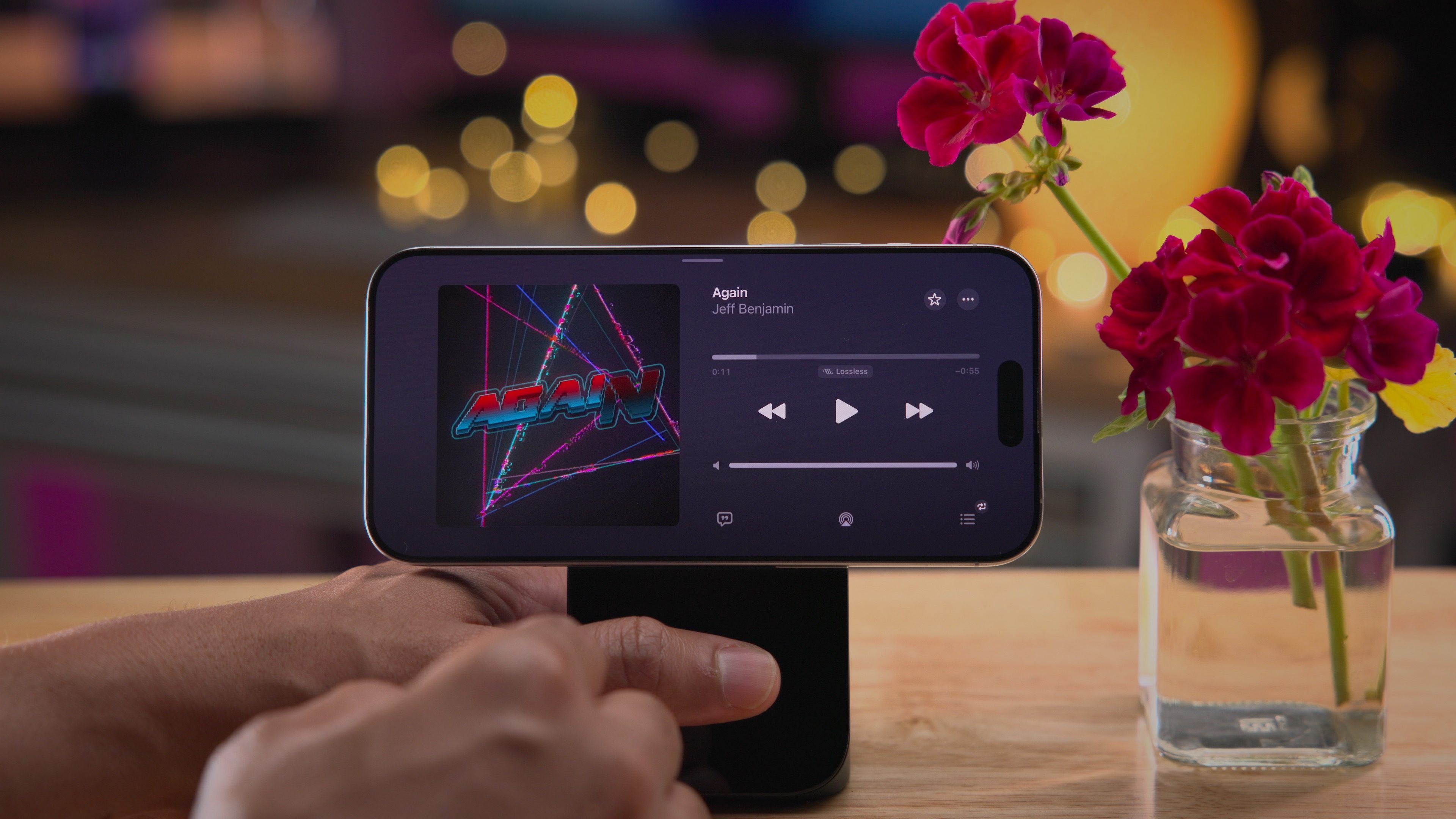
iOS 27 addresses this by introducing extra-large widget formats, specifically tailored for media consumption apps like Apple Music. These expanded widgets allow users to view richer metadata, high-resolution album artwork, and extensive playback controls directly from their primary interface without needing to launch the full application. This design philosophy reduces the number of taps required to perform common tasks, aligning with Apple’s broader usability goals.

Furthermore, landscape orientation support has been significantly bolstered across native applications. Apple Music, for instance, now features a fully realized landscape mode designed to optimize screen real estate on larger iPhone displays. This enhancement bridges the usability gap between handheld smartphones and tablet interfaces, providing a more immersive experience for users who dock their devices or use landscape stands for media consumption.
Streamlined Financial Transactions and Security
In addition to interface adjustments, iOS 27 brings meaningful updates to Apple Pay and digital wallet management. As mobile payments become the primary method of commerce globally, security and speed remain paramount. The latest iteration of the operating system refines the authentication pipeline, reducing latency during transaction authorization and integrating deeper contextual awareness for preferred payment cards and passkeys.
Industry analysts note that while these financial technology updates lack the flashy appeal of generative AI models, they are critical for maintaining ecosystem loyalty. Seamless integration with transit systems, loyalty programs, and decentralized identity credentials solidifies Apple Pay’s position as a foundational utility rather than a mere convenience feature.
Broader Industry Implications and Consumer Reception
The reception of iOS 27 highlights a growing dichotomy in modern smartphone updates: the marketing imperative versus practical utility. While manufacturers must push artificial intelligence to remain competitive against rival ecosystems like Google’s Android, consumer retention frequently relies on interface polish and reliability.

By delivering a stable, feature-rich release that balances futuristic AI capabilities with grounded ergonomic improvements, Apple has managed to satisfy both early adopters and pragmatic users. As developers continue to build upon the iOS 27 framework, the emphasis on non-AI enhancements serves as a reminder that software evolution encompasses both revolutionary intelligence and evolutionary design.