




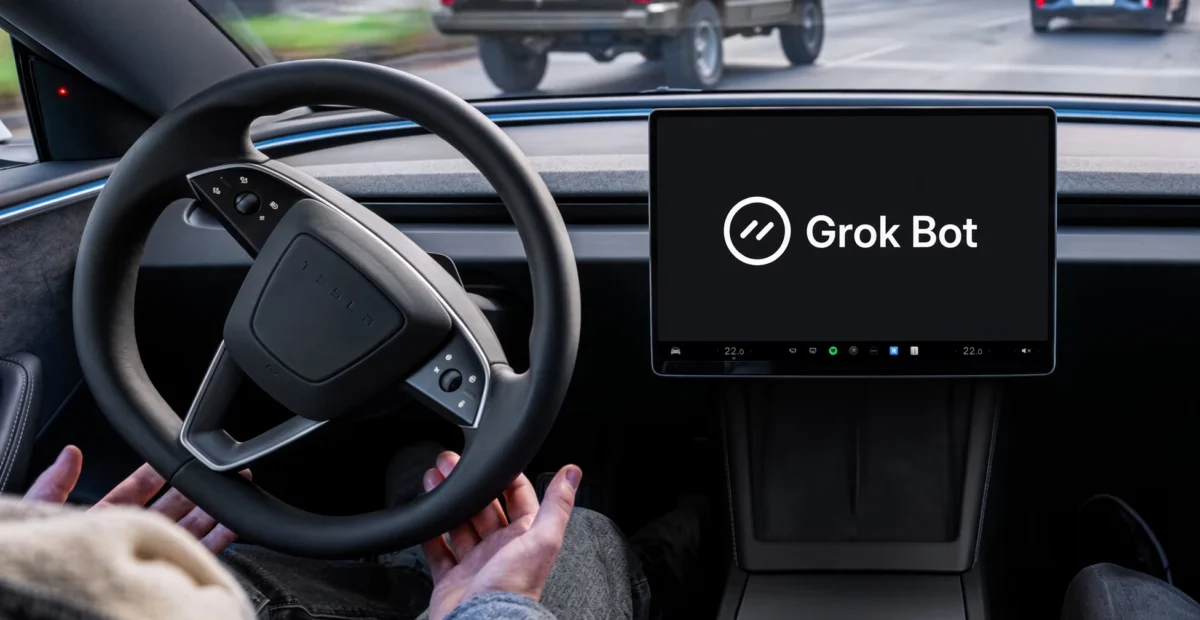
The explosive rise of autonomous artificial intelligence agents has encountered a stark economic reality. Just weeks after Elon Musk lauded Grok Bot—SpaceX’s flagship autonomous AI agent platform—as experiencing "the fastest growth of a product" he had ever witnessed, the company has been forced to dial back weekly user limits. The sudden tightening of access has triggered widespread confusion among paying subscribers who rely on the platform to automate complex, multi-step workflows, laying bare the steep computational costs associated with modern agentic AI.
The friction between soaring user demand and unsustainable infrastructure costs burst into public view on November 1, when Musk addressed a frustrated subscriber on X. After a user reported exhausting their 100 percent weekly allotment with four days remaining in the billing cycle, Musk offered a blunt explanation: "The cost of serving Grok Bot was unsustainably high relative to revenue." This unvarnished admission highlighted a growing paradox in the artificial intelligence sector: while software demand is breaking historical records, the underlying infrastructure required to sustain it can quickly outpace fixed subscription models.
A Rapid Ascent and Immediate Reversal
The sudden clampdown on usage limits stands in sharp contrast to the buoyant narrative presented by company leadership during SpaceX’s third-quarter earnings call in late October. At the time, Musk described Grok Bot’s trajectory in superlative terms, emphasizing that he had "never seen anything grow this fast."
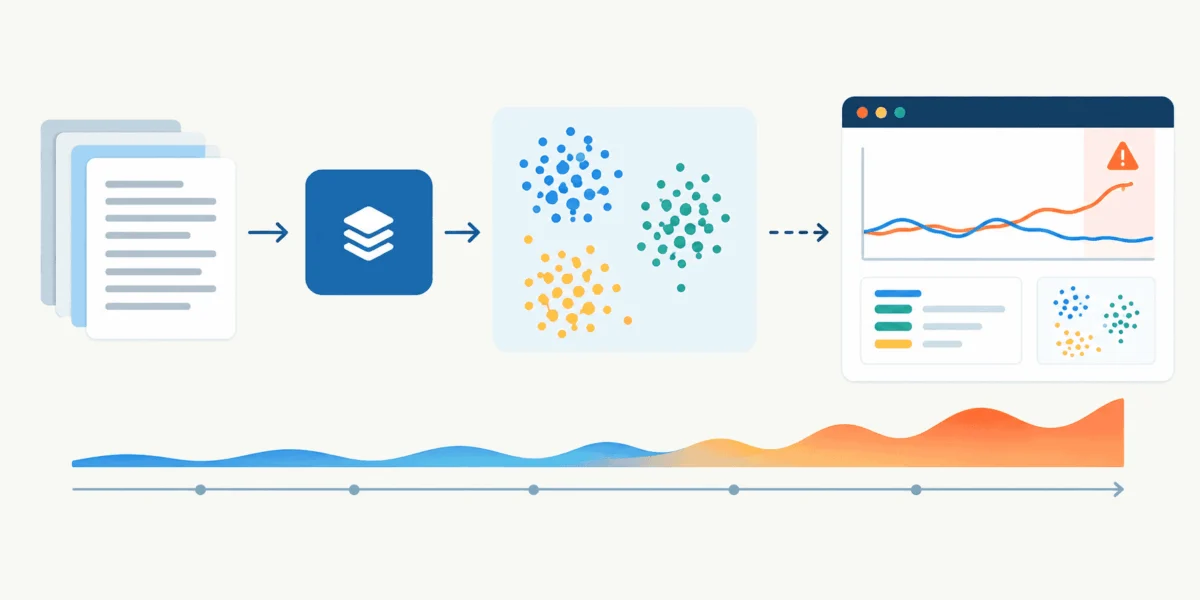
Internal company metrics underscored this momentum. Paid weekly active users reached approximately 800,000 by mid-October, more than doubling over the preceding period. More notably, daily active users surged from fewer than 100,000 in early September to over 600,000 by the end of October. Unlike traditional consumer software, which often suffers from a sharp usage decay pattern after initial adoption, Grok Bot’s engagement metrics were climbing, with individual users extracting deeper value over time.
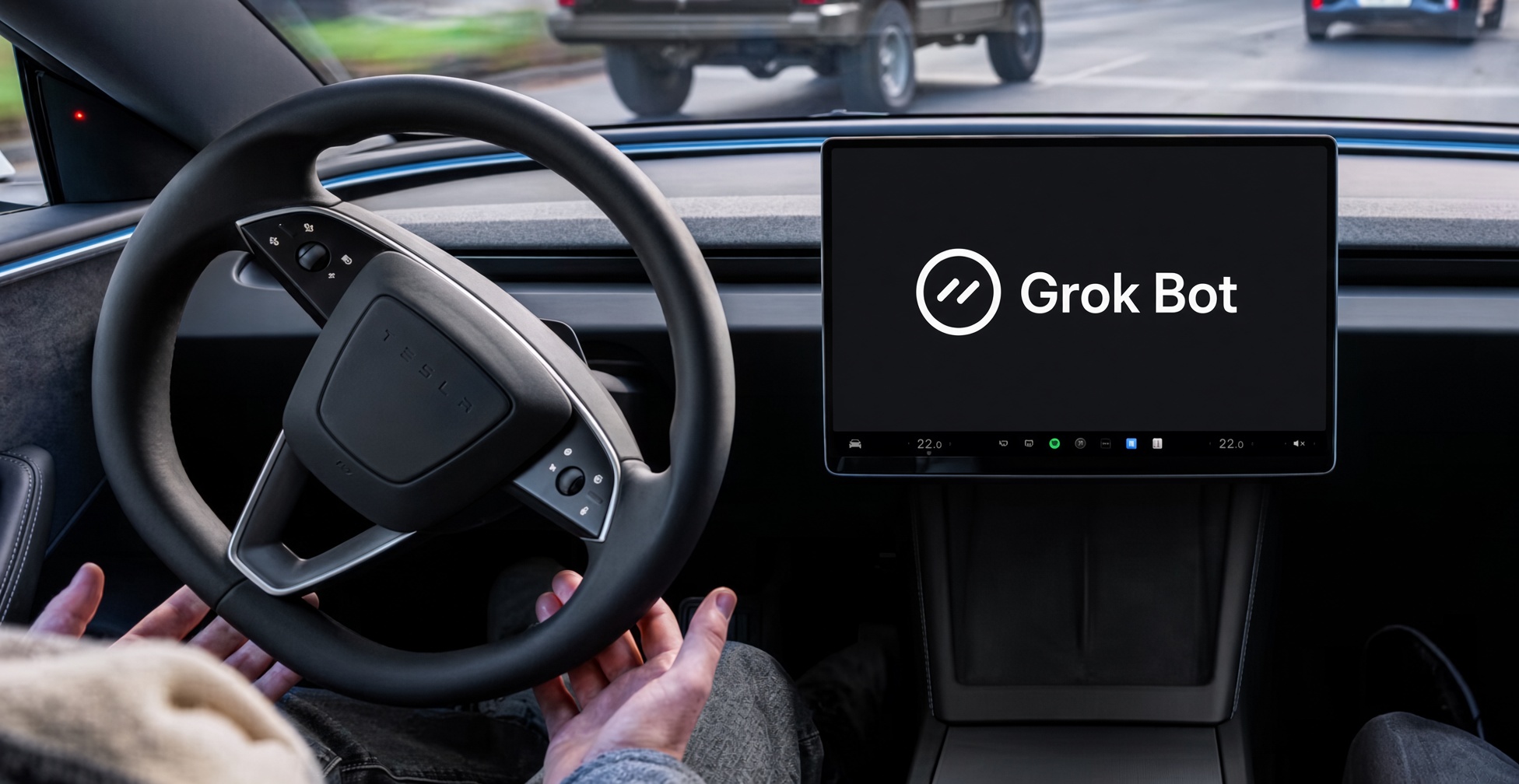
Launched broadly in August, Grok Bot was designed as an always-available personal and professional assistant equipped with a persistent cloud-based computing environment. Capable of executing multi-step workflows—ranging from scheduling and internet research to online shopping and automated data processing—the agent continues to operate even after the user disconnects. Access to the platform is bundled into tiered X subscription packages, ranging roughly from $30 to $200 per month, as well as select Cursor integration plans, drawing from shared and largely opaque weekly compute pools.
The Heavy Computational Burden of Agentic AI
The root cause of the current bottleneck lies in the fundamental architecture of agentic AI systems. Unlike standard conversational chatbots that generate responses through a single prompt-and-response cycle, autonomous agents operate iteratively. A single user request can trigger dozens of recursive model calls, automated web browsing actions, tool executions, and continuous background monitoring.
This multi-step operational loop consumes vastly more computational power than traditional generative AI applications. When user growth scales exponentially under a flat-rate subscription model, the absolute infrastructure bill escalates far faster than incoming revenue. Furthermore, industry analysts have pointed out the significant opportunity cost involved: the high-performance Graphics Processing Units (GPUs) required to power Grok Bot could alternatively be rented out to other enterprise AI laboratories at premium market rates.
A straightforward comparative analysis following Musk’s disclosure illustrates the structural gap. Even if every reported daily active user subscribed to the highest available pricing tier, the resulting annualized subscription revenue would remain modest when measured against the multi-billion-dollar scale of compute infrastructure SpaceX continues to build, deploy, and lease to major enterprise partners such as Anthropic.
While some users initially suspected technical dashboard anomalies or metering glitches behind the sudden drops in available capacity, Musk’s public commentary confirmed that the issue is macroeconomic and structural rather than a software bug.

Industry Implications and the Future of Metered AI
The situation surrounding Grok Bot highlights a broader systemic challenge facing the artificial intelligence industry as it transitions from conversational novelties to autonomous utility agents. Consumer demand for automation is robust, but the economic model underpinning always-on agents remains immature.
As companies race to capture market share, many have offered generous, unthrottled access bundled into flat monthly fees. However, the energy and hardware requirements of agentic workflows mean that power users can quickly become unprofitable. The episode suggests that the industry may soon pivot away from flat-rate pricing toward consumption-based billing, tighter capacity caps, or more granular usage tiers to align revenue generation more closely with compute consumption.
As of early November, SpaceX has not announced plans to permanently reset weekly caps or expand allowances, leaving the operational constraints firmly in place. The tension between explosive consumer adoption and the staggering infrastructural cost of intelligence has officially entered the public record, serving as a cautionary case study for an industry navigating the uncharted waters of the agent era.