









The smartphone industry has spent the better part of a decade attempting to perfect the foldable form factor, oscillating between clamshell flip phones and wide, passport-style book devices. Xiaomi Corporation has been a quiet yet persistent competitor in this space since 2021, methodically refining its engineering through successive generations of mobile hardware. The culmination of this multi-year development cycle is the Xiaomi 18 Fold, a device that arrives with the ambitious goal of challenging established giants like Samsung and Apple. Released to the mainland Chinese market shortly after competing announcements from major Western manufacturers, the Xiaomi 18 Fold showcases a masterclass in industrial design, pushing physical boundaries in battery capacity and camera capability. However, its restriction to a China-only ROM introduces a complex narrative of hardware superiority hindered by software limitations outside of its domestic market.
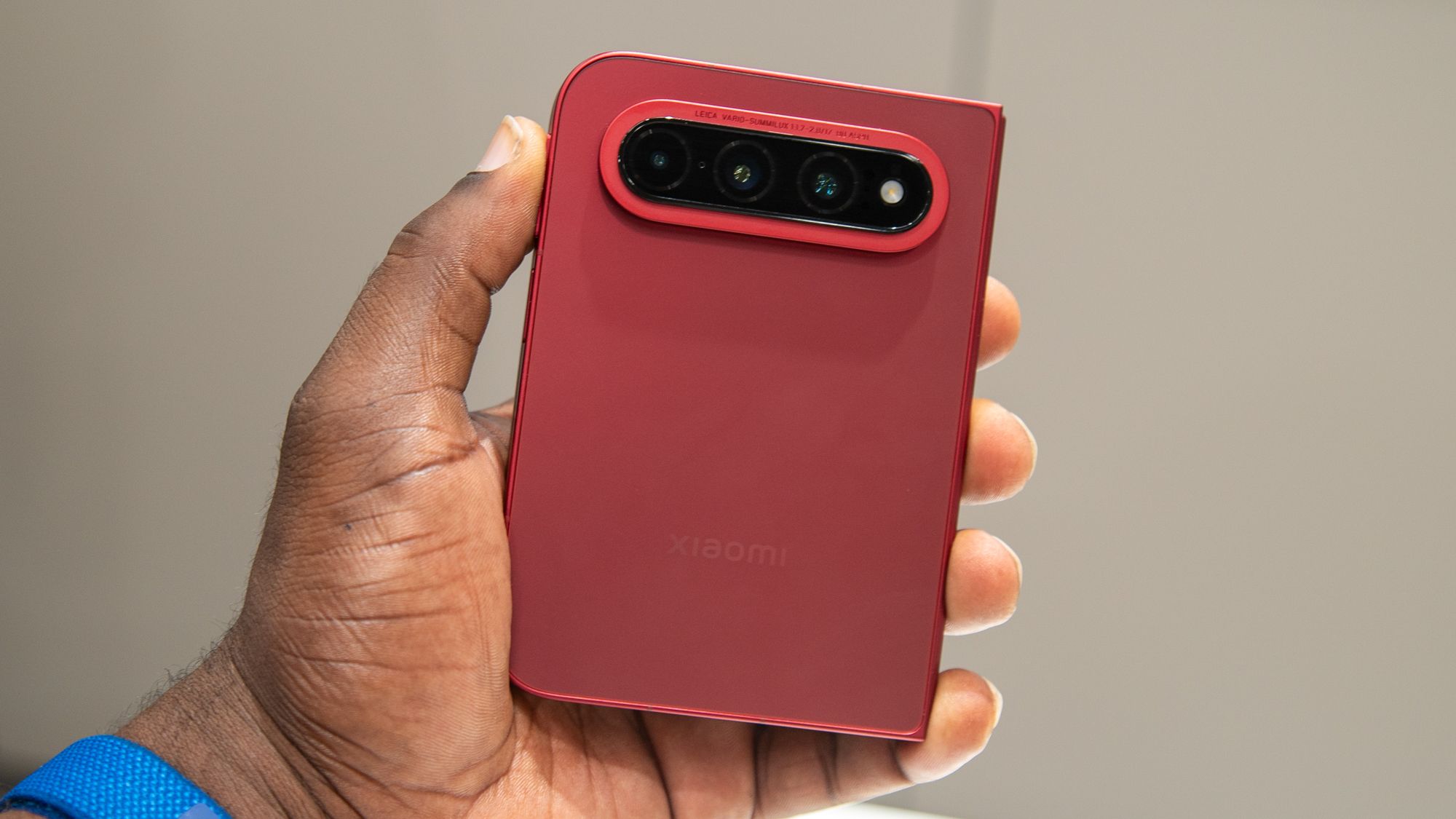
Priced aggressively at 10,999 yuan—roughly equivalent to $1,640—the Xiaomi 18 Fold undercuts comparable Western flagships such as the Samsung Galaxy Z Fold 8, which commands a $1,899 starting price, and the Apple iPhone Duo at $1,999. Despite this competitive domestic pricing, the device’s availability remains strictly confined to mainland China, leaving international enthusiasts dependent on grey-market imports that often carry significant markups. This regional exclusivity was further cemented when Xiaomi hosted its global launch event for the Xiaomi 18 Pro and 18 Pro Max, conspicuously omitting the foldable model from its international rollout strategy. Consequently, the device occupies a unique space in the global tech ecosystem: a technical tour de force that is officially inaccessible to the vast majority of the global consumer base.
Engineering and Ergonomics: Pushing the Limits of Thinness
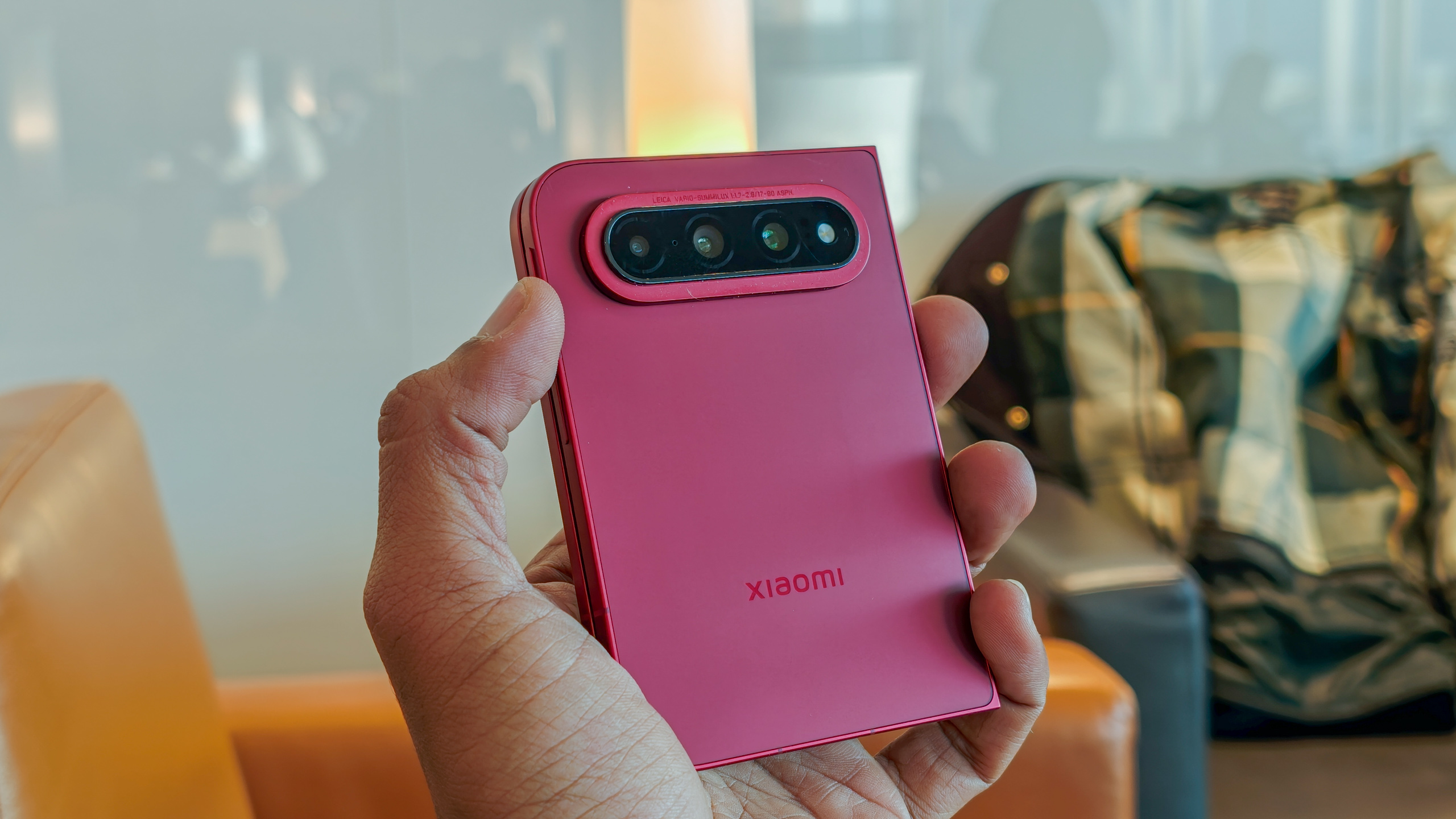
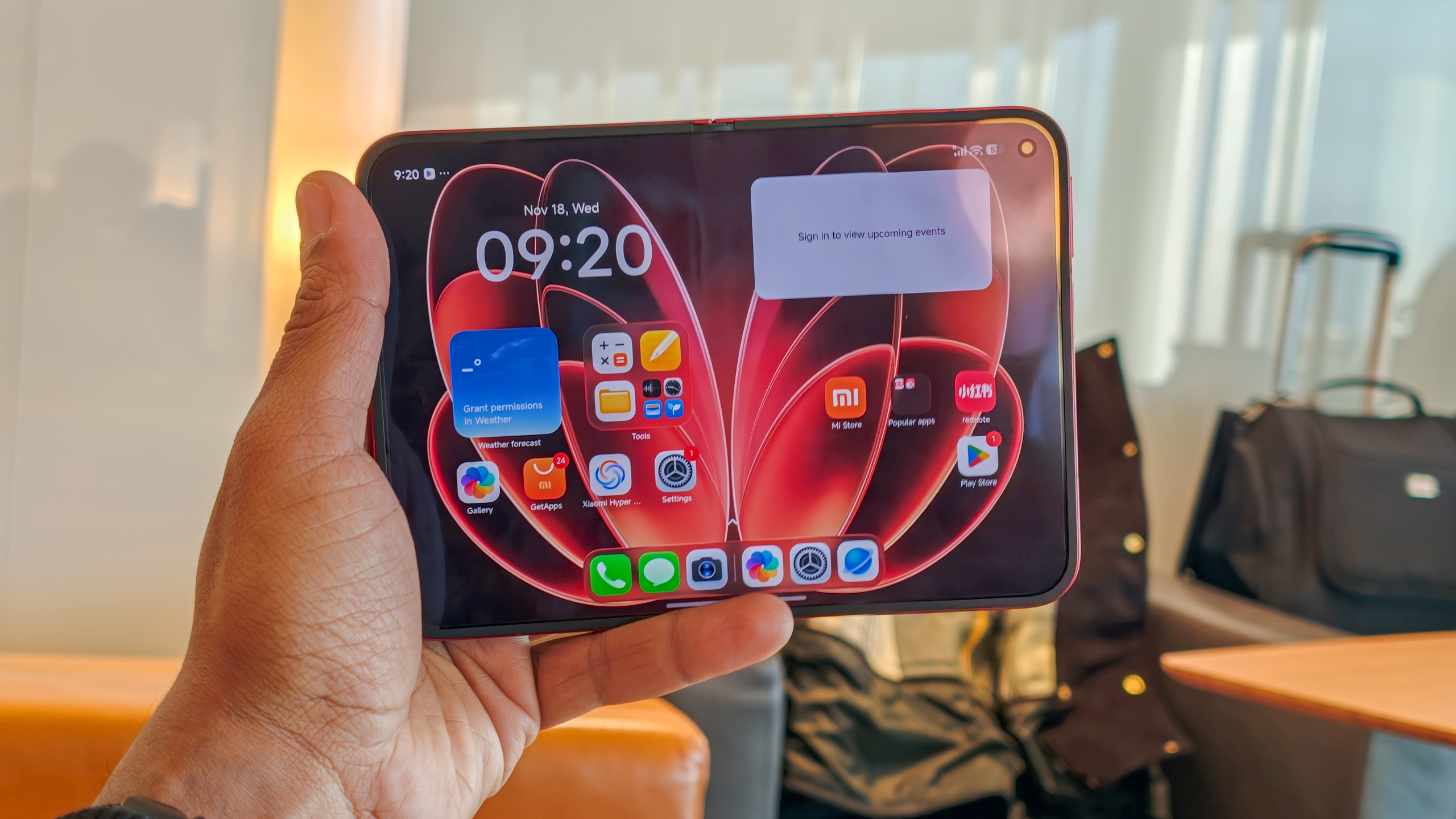
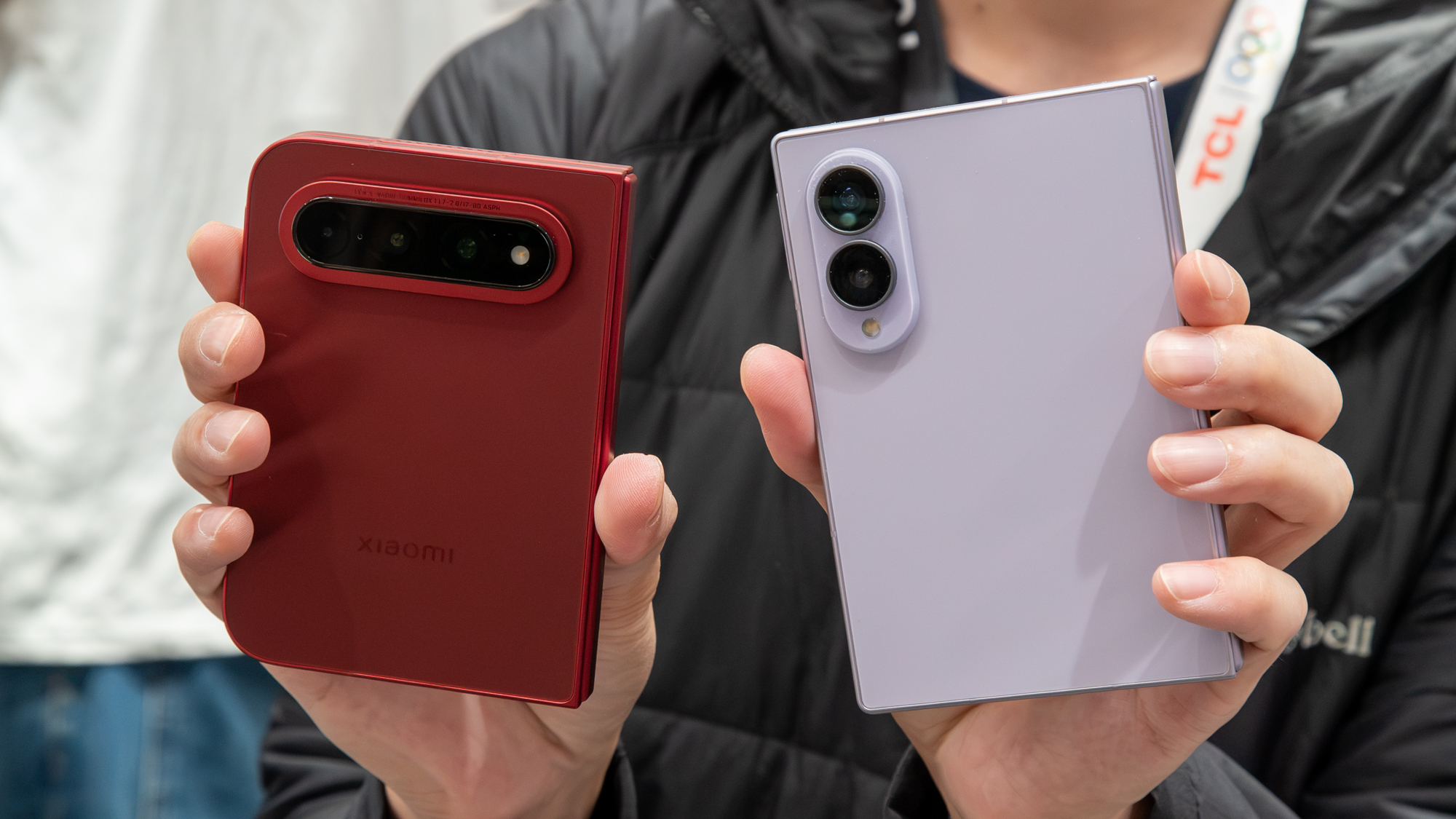
A critical evaluation of the Xiaomi 18 Fold reveals significant achievements in physical design and structural ergonomics. Weighing in at 219 grams, the device is notably lighter than Apple’s inaugural foldable offering and sits merely 18 grams heavier than the Galaxy Z Fold 8. This weight management is particularly impressive given the internal density of the chassis, which manages to house a massive power cell and sophisticated periscope optics without sacrificing portability. Finished in a matte Nishino Red glass paired with a dark metal frame, the device projects a refined aesthetic standard typical of modern ultra-premium flagships.
Analyzing the physical dimensions further underscores Xiaomi’s engineering prowess. When calculating total folded volume, the Xiaomi 18 Fold occupies approximately 105.37 cubic centimeters, translating to roughly 6 percent less physical space than the iPhone Duo’s 111.95 cubic centimeters. It even manages to edge out taller, ultra-thin competitors like the Oppo Find N6. Only Samsung and Honor achieve smaller overall footprints in this specific category, and neither manages to integrate a 6,000mAh battery alongside a periscope telephoto lens within such a compact passport-style chassis.
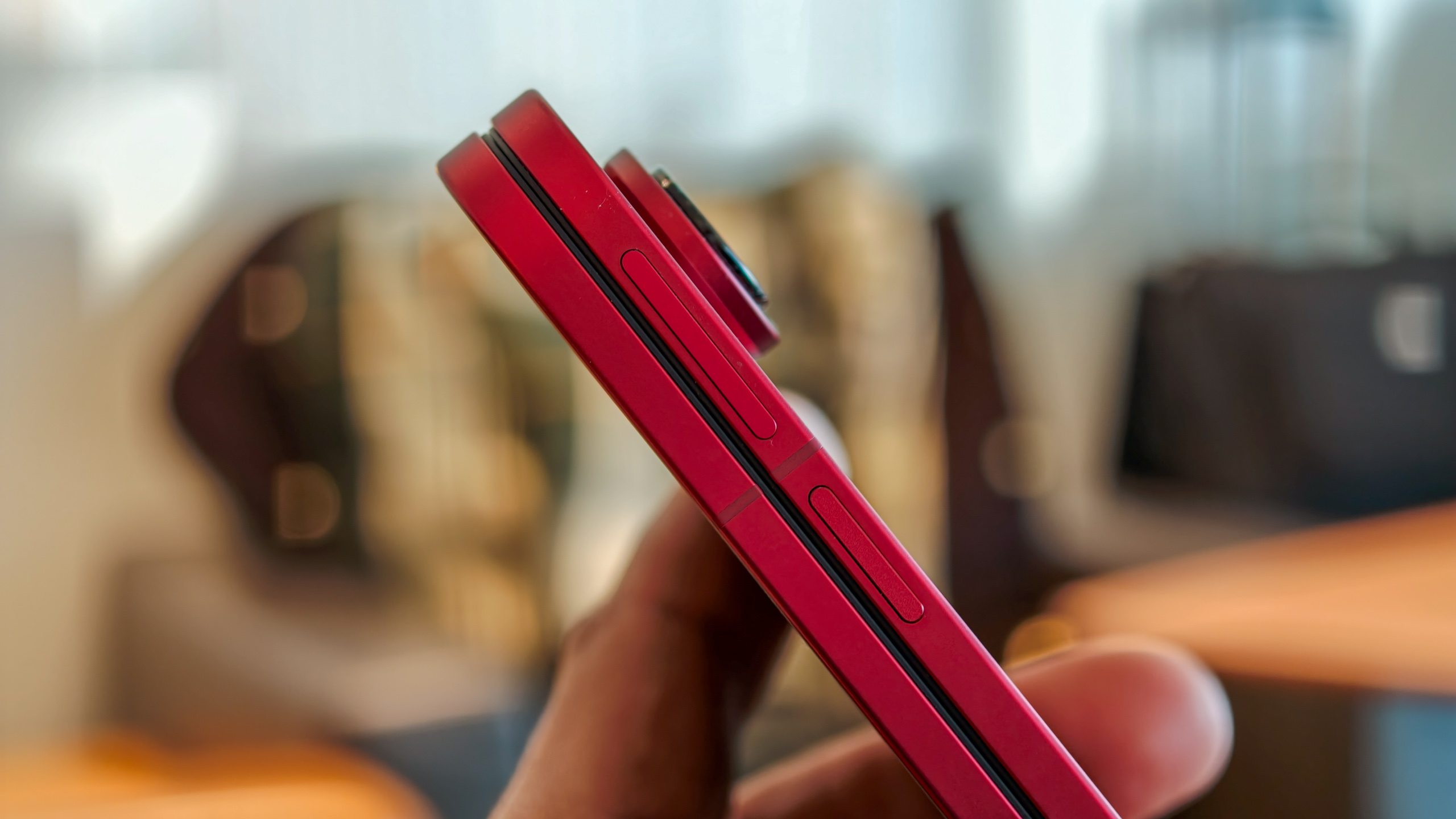
The device measures a mere 5.02 millimeters in thickness when unfolded. While this ultra-slim profile introduces minor structural compromises—such as tinny, treble-heavy stereo speakers that lack the low-end warmth of Samsung or Apple counterparts, and an IP58 water-resistance rating that omits complete dust protection—the trade-offs are largely calculated. The hinge mechanism, built around a sturdy keel design, offers a reliable mechanical feel, supplemented by fast biometric authentication via a side-mounted fingerprint reader and 2D facial recognition.
Display Technologies and Visual Fidelity
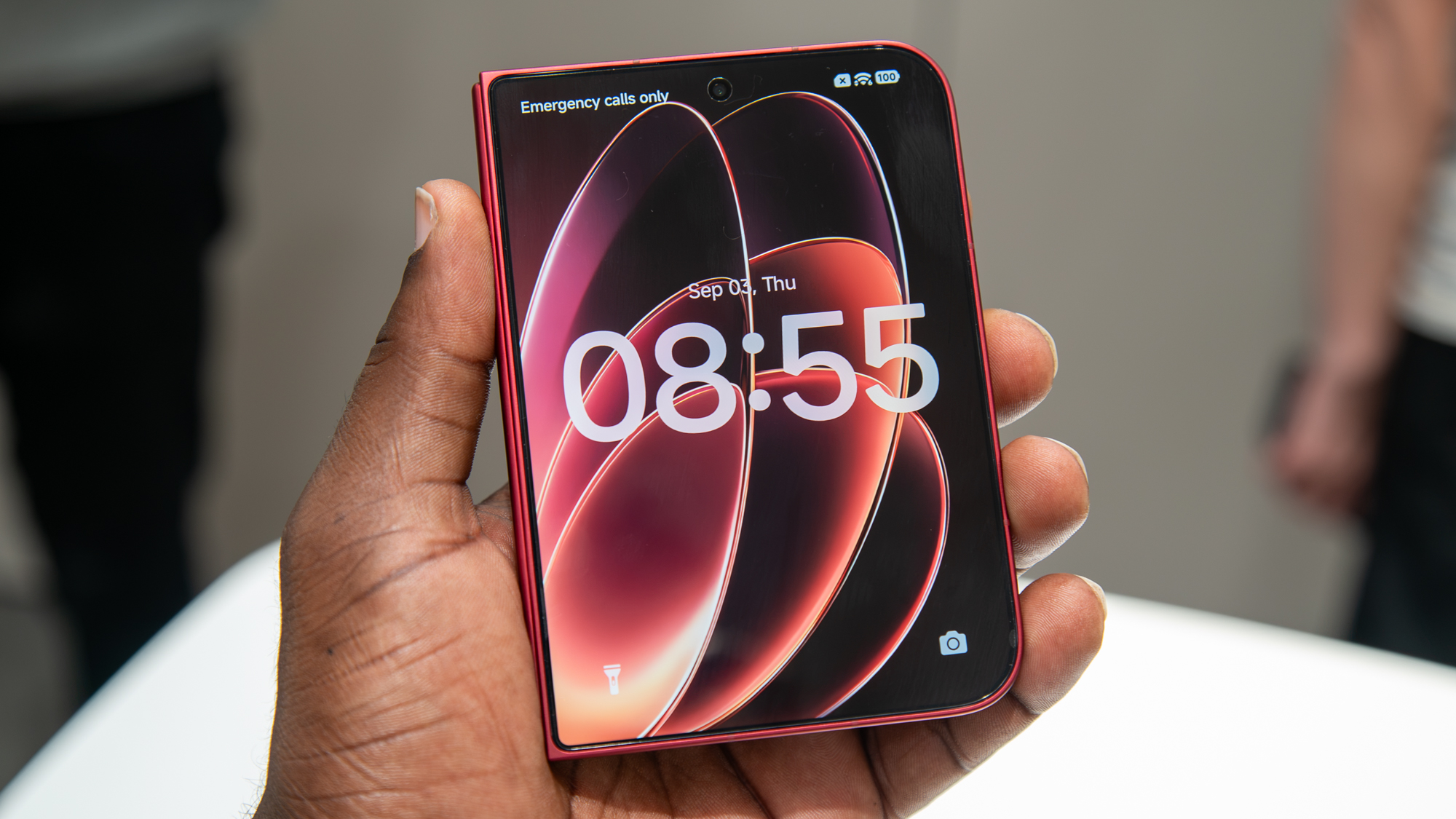
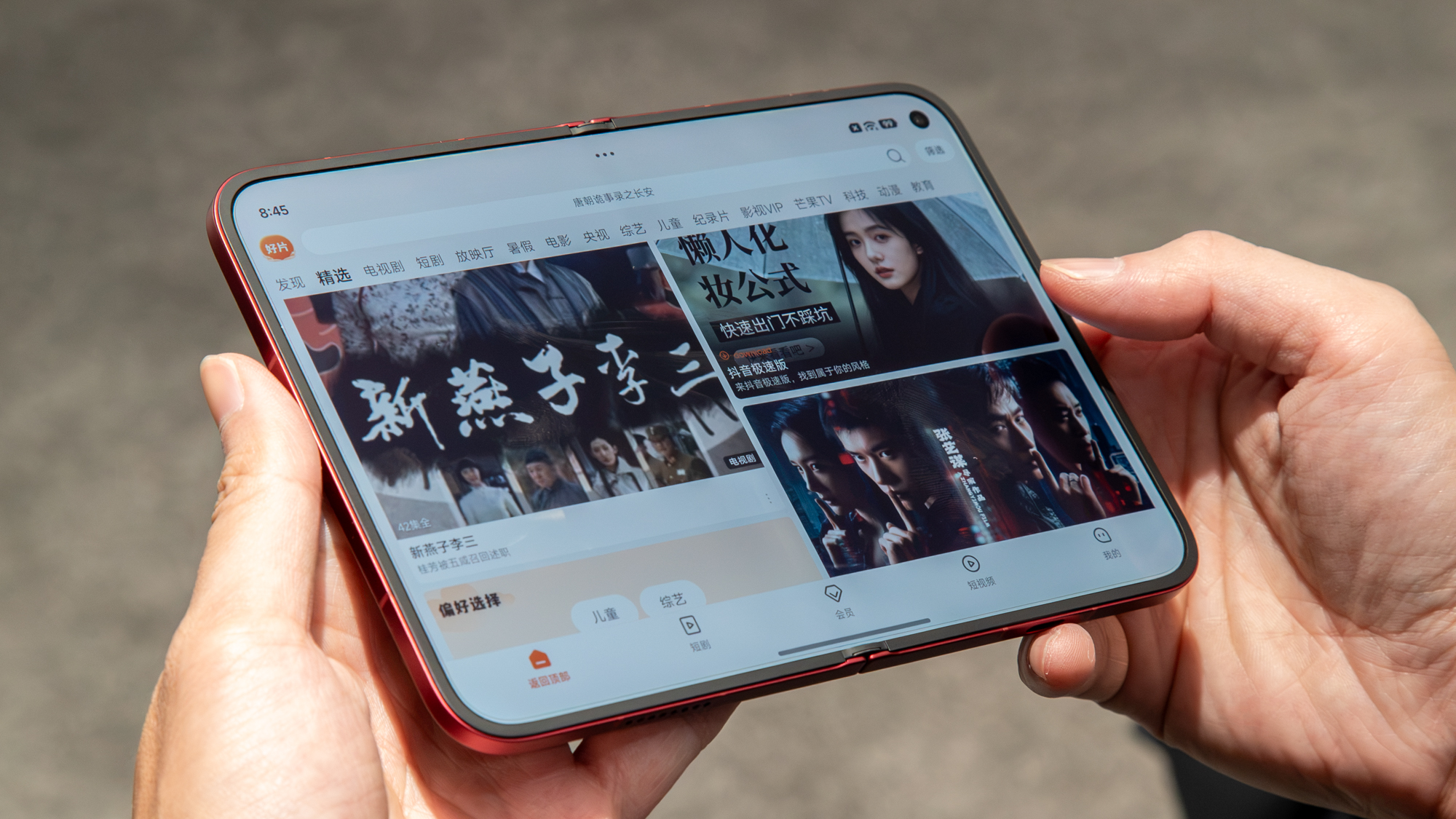
The outer and inner displays of the Xiaomi 18 Fold are engineered to maximize productivity and media consumption. The 5.38-inch cover screen adopts a wide passport aspect ratio, providing sufficient horizontal real estate for comfortable two-thumb typing without inducing hand fatigue. While the heavily rounded outer corners marginally reduce usable corner space compared to squared-off competitors, the panel remains highly functional for single-handed interactions.
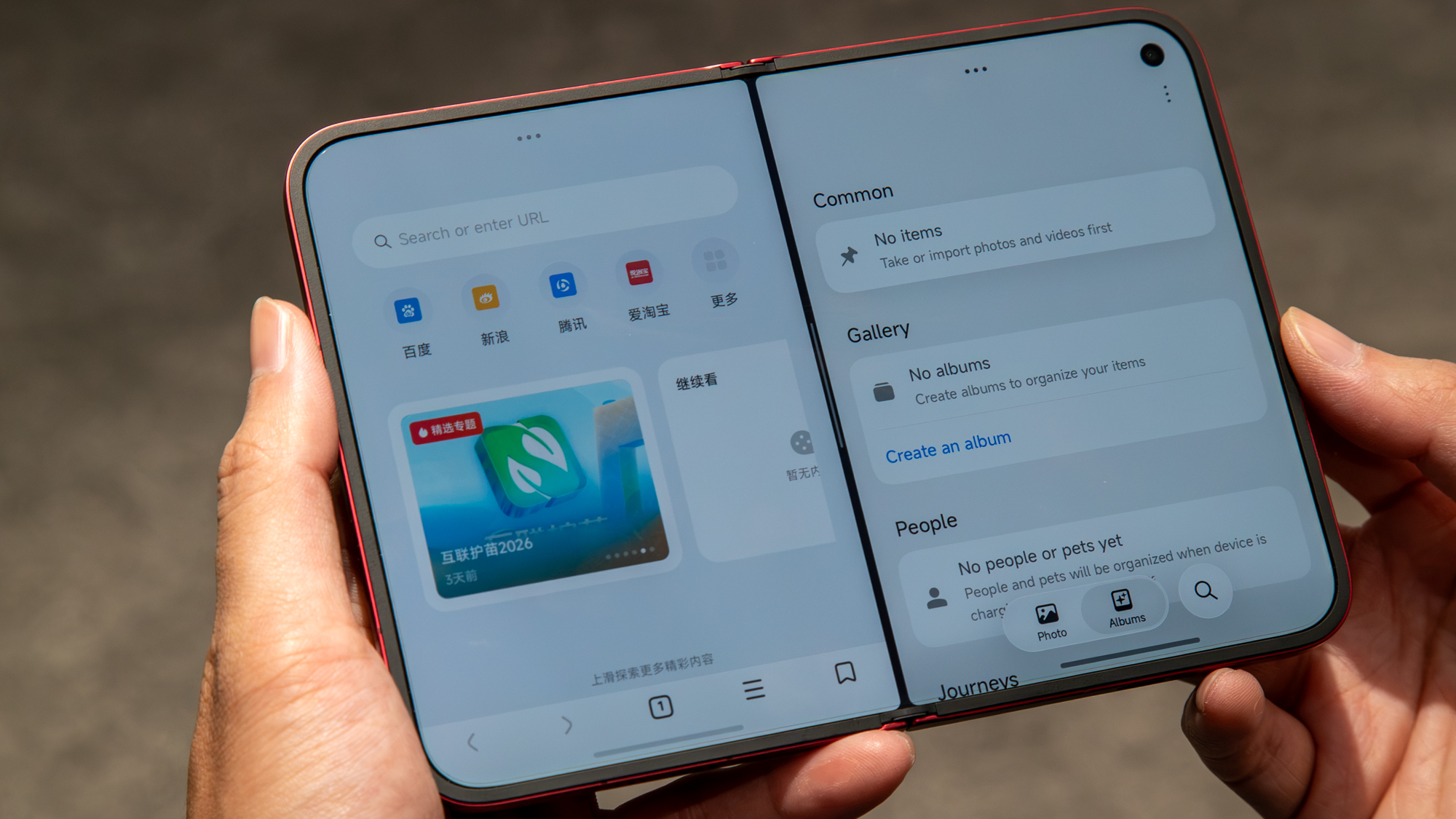
Upon unfolding the device, users are greeted by a sprawling 7.58-inch internal OLED panel. Boasting peak HDR brightness levels well exceeding 3,700 nits, the display ensures exceptional outdoor visibility even under harsh ambient lighting conditions. The physical crease across the center of the folding screen behaves predictably: it remains virtually imperceptible when viewed straight-on, though it becomes noticeable at sharper viewing angles. Additionally, sensitive users may observe low-brightness PWM flicker during extended night-time usage.
Performance Metrics and Battery Dominance
Under the hood, the Xiaomi 18 Fold breaks new ground as the premier device powered by Xiaomi’s proprietary 3nm XRing O3 flagship processor, coupled with 16GB of LPDDR6 RAM. Benchmark evaluations and day-to-day operations demonstrate exceptional processing speeds, effortlessly managing high-intensity tasks, rapid camera rendering, and complex split-screen multitasking environments without perceptible stutter. Sustained high-performance tasks, such as prolonged 3D gaming sessions, do result in noticeable thermal warmth along the upper half of the thin chassis, yet overall system stability remains uncompromised.
The true engineering triumph, however, lies in the power subsystem. By integrating a 6,000mAh silicon-carbon battery, Xiaomi has established a new benchmark for endurance within the passport-style foldable category. Combined with the relatively modest power draw of the exterior display, the device easily clears a full day of heavy operational testing, outlasting virtually all direct competitors. When replenishment is required, the included 67W wired charging solution delivers a 50 percent charge in just 19 minutes, reaching full capacity in 50 minutes. Furthermore, 50W wireless charging support ensures rapid cable-free power delivery.
Optical Excellence: The Leica Camera System
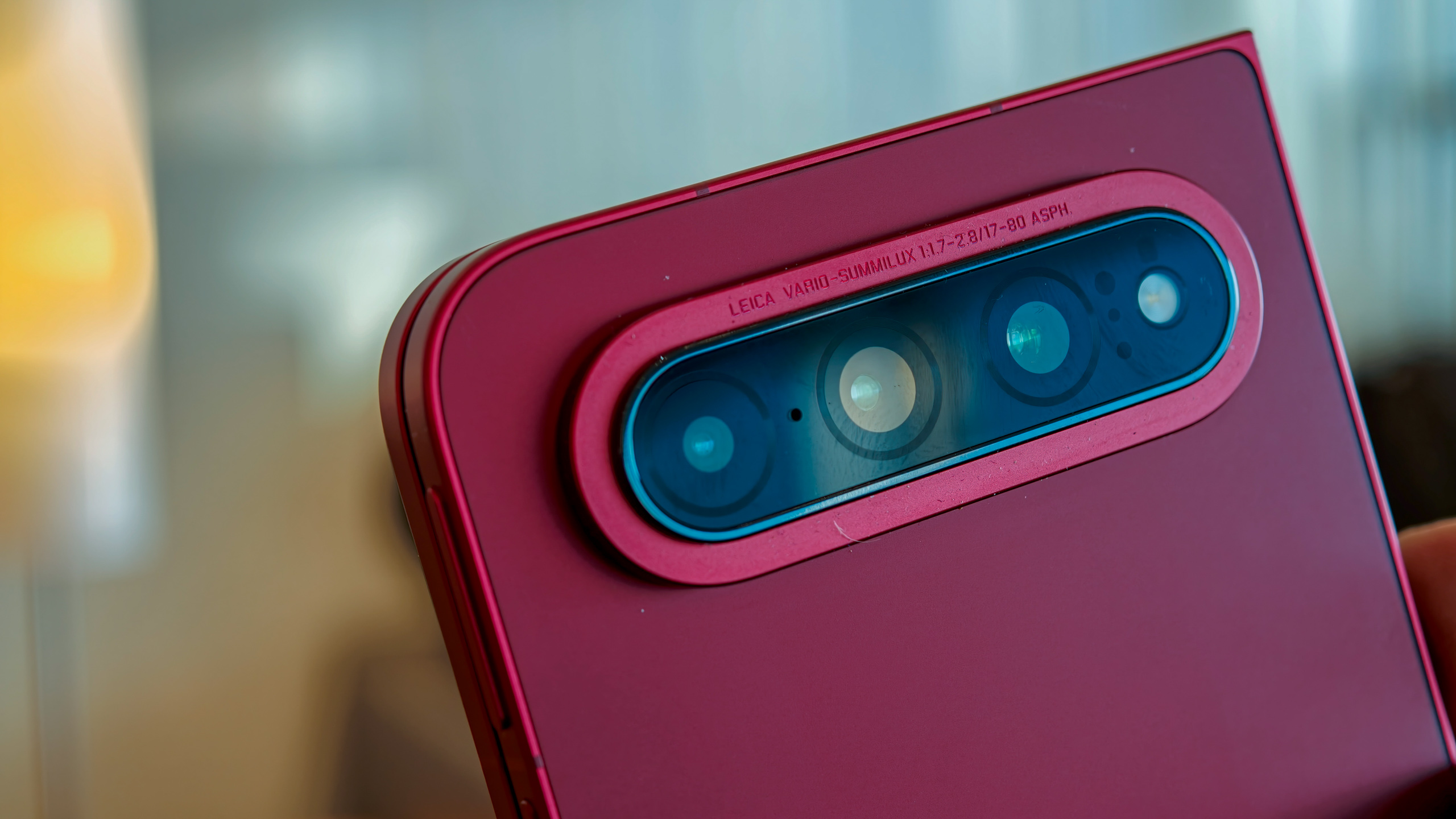
Xiaomi’s heavy investment in mobile imaging hardware yields profound results on the rear camera assembly. While both Apple and Samsung opted to exclude dedicated optical telephoto lenses on their comparable passport-style foldables, Xiaomi successfully integrated a triple-lens system featuring a 200MP primary sensor, a 50MP ultrawide lens, and a dedicated 50MP 3.5x optical periscope telephoto lens.
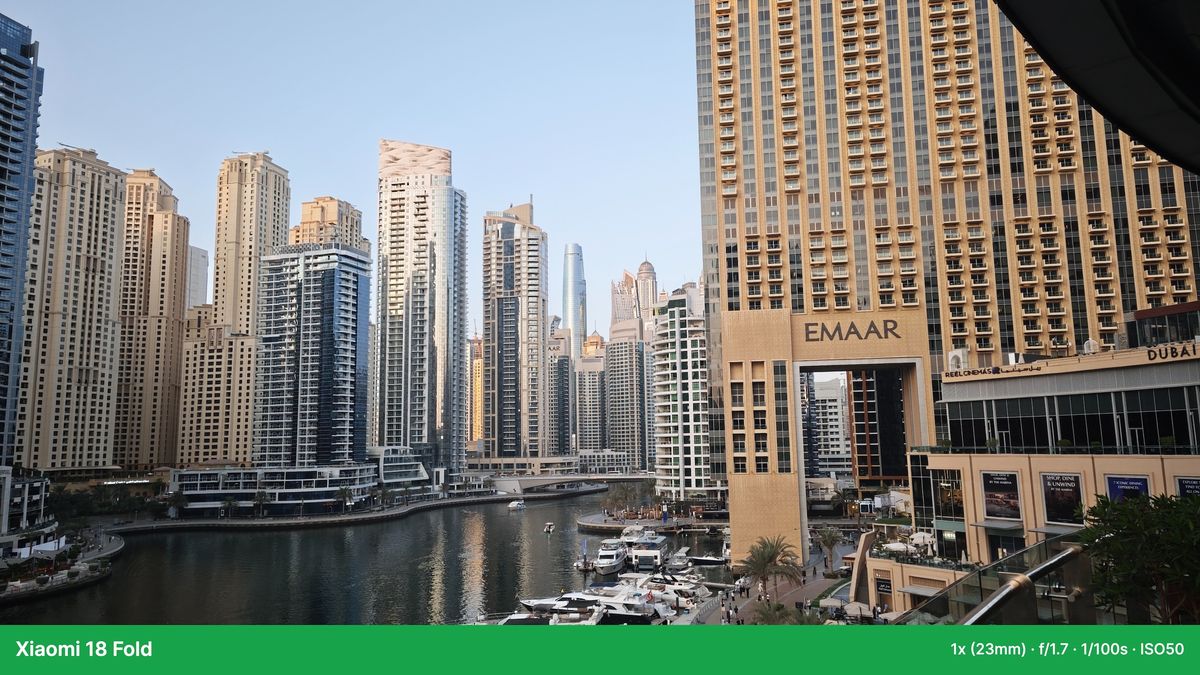
Field tests comparing the Xiaomi 18 Fold against major Western rivals demonstrate a clear optical advantage. The periscope lens preserves authentic structural detail across zoom ranges spanning from 3x past 30x, avoiding the digital blurring common in competing hardware. Augmented by Leica Vibrant color profiles and sophisticated low-light metering algorithms, the system stands as the most consistent photographic suite available in a foldable of this geometry. Minor trade-offs are limited to a narrower 17mm ultrawide field of view and occasional lens flare on the cover selfie camera under harsh backlighting.
Software Realities: HyperOS 4 and Regional Constraints
The primary friction point of the Xiaomi 18 Fold centers on its operating environment. Running HyperOS 4 based on Android 17, the software layer is superficially fluid, responsive, and equipped with innovative productivity features. Among these is a six-app horizontal multitasking interface, which allows users to manage three full-height panes simultaneously while swapping across multiple active applications.
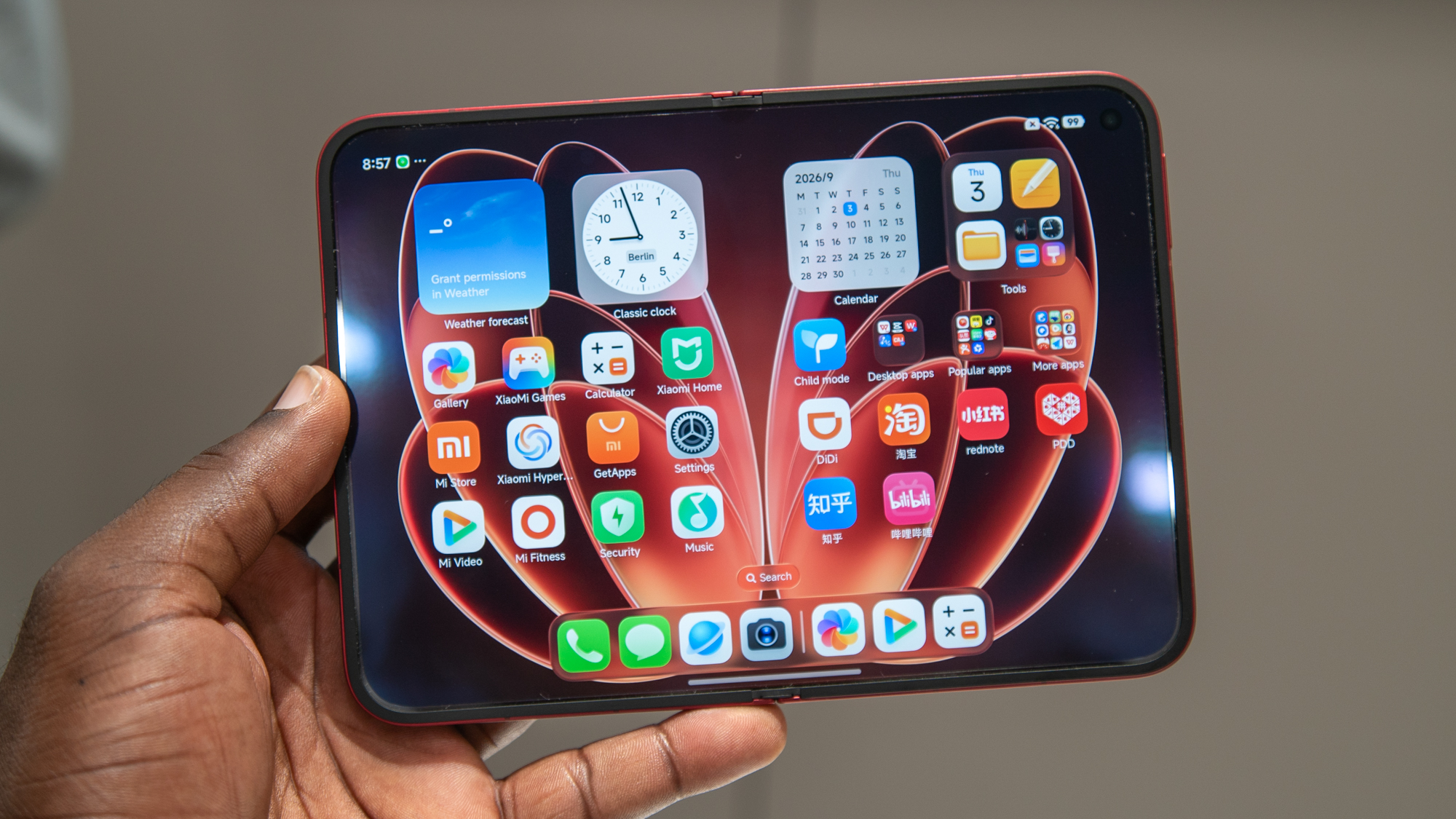
Out of the box, HyperOS 4 accommodates the installation of Google Mobile Services and the Google Play Store, permitting seamless access to foundational tools like Gemini. However, because the firmware is optimized strictly for mainland China, several core Android integrations fail to function correctly outside this jurisdiction. Users cannot remap the default system assistant to Gemini, nor can they globally assign Chrome as the default system browser.
Critical connectivity features also experience disruptions. While Google Find Hub detects the device, it consistently fails to pinpoint its geographical location. Google’s two-factor authentication verification prompts—which typically trigger cross-device alerts during sign-in procedures—fail to appear. Furthermore, structural incompatibilities prevent Android Auto from functioning, and native eSIM support is entirely absent due to regulatory differences in the Chinese market. The omission of a desktop mode despite wired video-output support, along with a lack of 6 GHz Wi-Fi compatibility, further underscores the software’s regional limitations.
Market Implications and Industry Outlook
The Xiaomi 18 Fold represents a profound dichotomy in modern consumer electronics. From a purely mechanical and photographic standpoint, it delivers the most advanced hardware architecture seen in a passport-style foldable to date. Its combination of a lightweight carbon-silicon chassis, a class-leading 6,000mAh battery, and a superior Leica periscope camera system sets a formidable technical benchmark.
For consumers residing within mainland China, or for international technology enthusiasts willing to navigate import logistics and accept the absence of Android Auto, eSIMs, and localized tracking tools, the device offers unmatched value. For the broader global market, however, the iPhone Duo and Samsung Galaxy Z Fold 8 remain the pragmatic choices for daily use, backed by fully integrated regional software ecosystems. Until Xiaomi expands its Western ROM deployment to include its foldable lineup, the Xiaomi 18 Fold will remain an extraordinary engineering achievement constrained by geographical borders.