








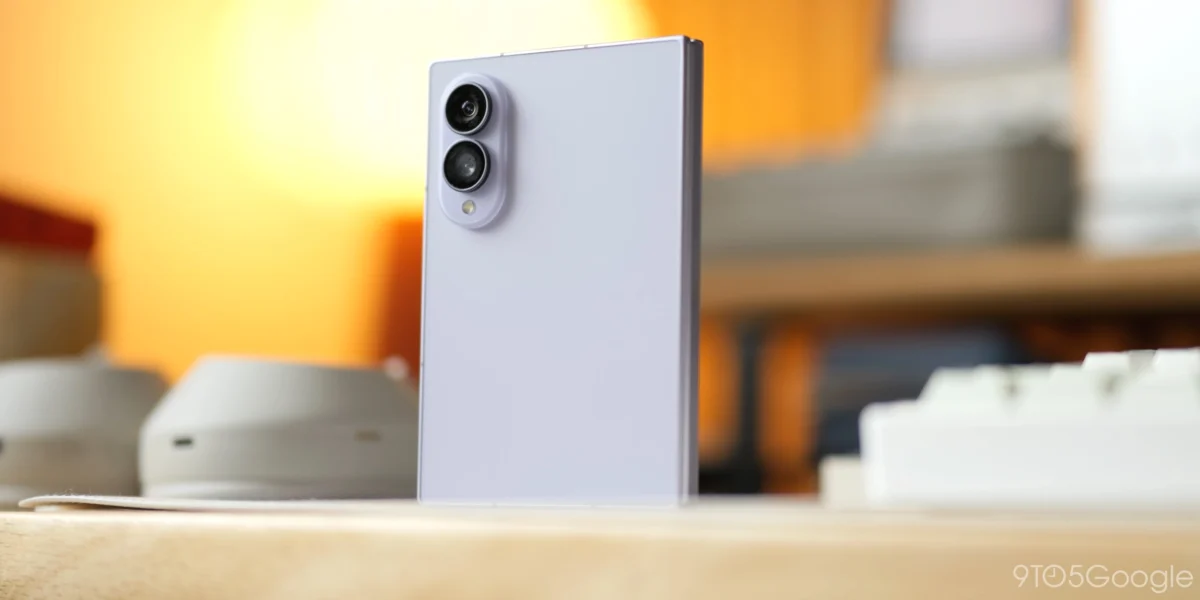
The smartphone industry has undergone a significant transformation over the past decade, moving away from the rigid slab designs that dominated the early 2010s toward more dynamic, flexible hardware. The release of the Samsung Galaxy Z Fold 8 marks the latest milestone in this technological trajectory, representing a matured approach to the foldable form factor. By refining hinge mechanics, optimizing aspect ratios, and integrating advanced multitasking software, Samsung has positioned the Z Fold 8 not merely as a luxury curiosity, but as a legitimate tool for professional and personal productivity.
A Chronology of Foldable Development
The journey to the Galaxy Z Fold 8 began with the conceptual debut of the original Galaxy Fold in 2019. That device served as a proof-of-concept, highlighting the potential for a pocketable device that could expand into a tablet-sized interface. Throughout the intervening years, Samsung navigated significant engineering hurdles, including screen durability concerns, crease management, and the optimization of Android applications for non-standard aspect ratios.

The Galaxy Z Fold 2 introduced a more robust hinge mechanism, while the subsequent iterations—the Fold 3 through Fold 5—gradually introduced water resistance, S Pen integration, and improved chassis materials. By the time the Galaxy Z Fold 6 arrived, the focus had shifted toward weight reduction and display brightness. The Galaxy Z Fold 8 represents the current pinnacle of this iterative process, offering a refined physical design that prioritizes a wider, more natural screen ratio that aligns more closely with standard tablet ergonomics.
Redefining the Display Paradigm
The primary technical achievement of the Galaxy Z Fold 8 is its display geometry. Unlike earlier generations, which utilized a narrow, tall outer screen that often felt cramped for typing or content consumption, the Z Fold 8 adopts a broader profile. This design shift serves two purposes: it provides a more intuitive experience when the device is closed, and it creates a more expansive, immersive canvas when unfolded.
Market data suggests that user preference is moving toward these "tablet-lite" aspect ratios. When the device is unfolded, the internal display functions as a near-square canvas, which is optimized for media consumption and document editing. Because the screen is wider than its predecessors, content such as cinematic video—typically shot in 16:9 or 21:9 formats—fills more of the available space, significantly reducing the "letterboxing" effect that plagued earlier foldable models.

Multitasking Capabilities and Software Integration
Central to the utility of the Galaxy Z Fold 8 is the One UI 9 interface, which has been specifically engineered to handle the complexities of a multi-window environment. The device supports a sophisticated split-screen architecture that allows for three simultaneous active applications, alongside a fourth application in a floating window.
From a functional standpoint, this capability moves the Z Fold 8 into the territory traditionally occupied by ultrabook laptops. For instance, a professional can host a video conference on one half of the screen, reference a shared document on the other, and maintain a messaging application in a floating window for real-time team communication. The software allows for "App Pairs," where users can save specific configurations of apps to the taskbar, facilitating a one-tap workflow transition. This level of granular control is supported by optimized Android APIs that allow applications to dynamically resize, ensuring that text and UI elements remain legible regardless of the window’s dimensions.
Engineering the Hinge as a Functional Tool
The hinge mechanism on the Galaxy Z Fold 8 is not only a structural component but a critical piece of the device’s user interface. Through a process often referred to as "Flex Mode," the device can be held at various angles, effectively turning the chassis into an adjustable stand.

This engineering choice has tangible benefits for both creative and professional use cases. By utilizing the hinge, the device can act as a self-supporting tripod for long-exposure photography, time-lapse captures, or video calls. This eliminates the need for external mounting accessories, which is a significant advantage for mobile professionals and content creators who require a portable, all-in-one setup. The precision-engineered friction within the hinge ensures that the device maintains its angle even under the weight of the hardware, providing a stable platform for interaction.
Broader Impact and Market Implications
The launch of the Z Fold 8 comes at a time when the smartphone market is experiencing a plateau in innovation regarding traditional flat-screen devices. Analysts note that while the foldable segment remains a niche portion of the total smartphone market, its growth rate is outpacing that of conventional devices. The transition from "early adopter" status to "mainstream business tool" is largely attributed to the software improvements and the increased reliability of the folding screens.
From a corporate perspective, Samsung’s continued investment in the Fold series signals a long-term commitment to the foldable category. By ensuring that the device is available through major carriers and retailers, such as Best Buy, the company is attempting to lower the barrier to entry, often leveraging aggressive trade-in programs to entice users to upgrade from standard flagships.

Furthermore, the integration of AI-enhanced photo editing and productivity tools within One UI 9 suggests that hardware is no longer the sole differentiator. The ecosystem of software support—where applications from the Google Play Store are increasingly "fold-aware"—is what ultimately determines the success of the device. Samsung has worked closely with developers to ensure that popular social, productivity, and media applications adapt seamlessly to the dual-display environment.
Analysis of the Consumer Experience
For the average consumer, the choice to move to a device like the Galaxy Z Fold 8 involves a calculation of utility versus cost. The device offers a dual-display experience: the "minimal" outer display for quick tasks like reading notifications or checking a ride-share app, and the "maximal" inner display for complex tasks like spreadsheet management or immersive gaming.
The efficiency gains reported by early adopters of the Z Fold series often revolve around the reduction of "context switching." On a standard smartphone, moving between an email client, a calendar, and a web browser requires constant app switching. On the Z Fold 8, these elements can exist in a persistent, side-by-side view, which cognitive science suggests can help maintain focus and reduce the friction associated with digital multitasking.

Conclusion and Outlook
The Galaxy Z Fold 8 serves as a testament to the maturation of foldable technology. By focusing on ergonomic display ratios, high-performance multitasking software, and a versatile hinge design, Samsung has effectively addressed the primary criticisms that hindered the adoption of early-generation foldables. As the ecosystem of apps continues to evolve in favor of adaptive layouts, the utility of the device will likely only increase.
While the price point remains a factor for many consumers, the value proposition—combining a smartphone and a tablet into a single, portable chassis—is becoming increasingly compelling. As manufacturing processes continue to scale, and as the durability of foldable displays reaches parity with traditional glass panels, the Galaxy Z Fold 8 may well be remembered as the device that finally bridged the gap between enthusiast tech and essential enterprise equipment. Whether utilized as a high-end personal device or a professional workstation, the Z Fold 8 provides a glimpse into the future of mobile computing, where the limitations of screen size are no longer a boundary to productivity.