





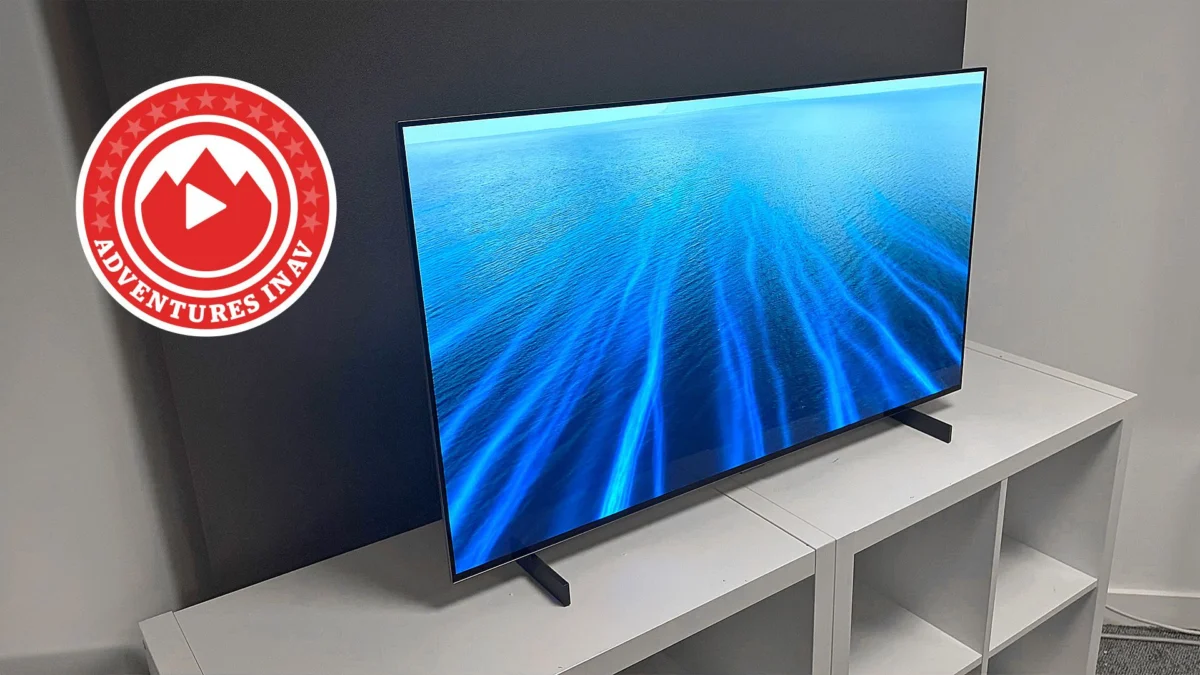
The assumption that a television model number guarantees a uniform performance experience across all available screen sizes is a persistent misconception in the consumer electronics market. As manufacturers like LG Electronics continue to refine their premium OLED lineups, the engineering reality behind different dimensions—ranging from 42-inch desktop-friendly displays to expansive 83-inch home cinema centerpieces—reveals a complex landscape of hardware disparities. The LG C6 series, a multi-award-winning range, serves as a quintessential case study in why technical specifications often diverge significantly based solely on the diagonal measurement of the panel.
The Engineering Discrepancies Within a Single Series
For the average consumer, the "C-series" branding implies a standardized tier of quality, processor speed, and software features. While it is true that the underlying operating system and core image processing engines remain consistent, the physical components that dictate output vary by necessity. The primary differentiator in the current C6 lineup is the panel architecture itself.
Historically, LG has relied on standard White OLED (WOLED) panels for the majority of its mid-range offerings. However, as the industry pushes for higher peak brightness and more saturated color volumes, the company has begun integrating its sophisticated Primary RGB Tandem OLED technology into its larger displays. Specifically, the 77-inch and 83-inch models feature this advanced stack, which utilizes two layers of OLED pixels to increase light output without sacrificing longevity or color accuracy. By contrast, the smaller 42-inch and 65-inch variants have largely retained the conventional WOLED structure, leading to distinct differences in HDR impact and specular highlight intensity.
The 48-Inch Anomaly and Shifting Standards
The 48-inch segment of the market has long been the "middle child" of the TV industry, often acting as a bridge between high-end monitors and full-sized living room sets. In previous years, the 48-inch C-series models were consistent with their 42-inch counterparts, utilizing standard WOLED panels. However, recent production shifts suggest that LG is opting to upgrade the 48-inch model with the more potent Tandem OLED panel technology.
This transition creates a scenario where the 48-inch C6 outperforms its 42-inch sibling in terms of brightness and dynamic range, despite being marketed under the same product nomenclature. When asked to clarify these hardware variations, LG representatives have remained guarded, neither confirming nor denying the widespread implementation of Tandem panels across specific size tiers. This lack of explicit disclosure forces reviewers and consumers to treat each size variant as a unique product rather than a scaled version of the same television.
Pixel Density and the Small-Screen Advantage
While the larger models hold the advantage in peak brightness, the smaller models—particularly the 42-inch version—possess an inherent technical strength: pixel density. By concentrating the same 4K resolution (3840 x 2160 pixels) into a smaller surface area, the 42-inch display achieves a higher pixel-per-inch (PPI) count.
This results in an image that is perceptibly sharper, especially when used in close-proximity settings such as a desktop monitor or a small study. Conversely, when that same 8.3-million-pixel grid is stretched across a 77-inch or 83-inch frame, the physical size of each pixel increases. While modern image processing helps mitigate any loss in clarity, the smaller display technically offers a more refined, crisp output that is highly sought after by PC gamers and professional editors. This fundamental physical trade-off is a primary reason why the "best" TV for a user depends entirely on their specific viewing distance and environment.
Audio Architecture: The Chassis Constraint
Beyond the visual panel, the physical chassis of the television dictates the acoustic capabilities of the system. The 65-inch and 77-inch C6 models share a common 40W 2.2-channel sound system. The internal volume afforded by these larger chassis allows for deeper resonance and a broader soundstage, which is critical for creating an immersive audio experience without an external soundbar.
The 42-inch model, however, faces significant physical limitations. To accommodate the smaller footprint, LG has implemented a 20W 2.0-channel system. While this configuration is adequate for casual viewing or dialogue-heavy content, it lacks the bass extension and acoustic space of its larger counterparts. Consumers often fail to account for this hardware disparity, assuming that the audio performance of the 65-inch model, which may have received critical acclaim, will be mirrored in the smaller 42-inch unit. This is a common point of contention that underscores the necessity of granular, size-specific testing protocols.
Industry Implications and Consumer Advice
The practice of applying a single review’s verdict to an entire product range is increasingly obsolete. For retailers and manufacturers, the challenge lies in communicating these differences without causing confusion. For consumers, the upcoming shopping seasons, such as Black Friday, present a risk: the temptation to buy a "C6" based on a glowing review of a different size category.
The broader implication for the television industry is a move toward more transparent labeling of panel technologies. As OLED becomes the standard for premium displays, the distinction between WOLED, QD-OLED, and Tandem OLED will become as vital to the average buyer as knowing the resolution or the number of HDMI 2.1 ports.
For those currently in the market for an LG C6, the following checklist is recommended:
- Identify your viewing distance: Determine if the 42-inch’s pixel density is more valuable to you than the 77-inch’s peak brightness.
- Review the size-specific data: Always cross-reference the model number with the specific screen size to ensure the panel technology (Tandem vs. WOLED) aligns with your expectations.
- Account for audio requirements: If you are purchasing a 42-inch model, budget for a dedicated soundbar, as the built-in 2.0-channel system may not satisfy your home cinema needs.
Ultimately, the LG C6 series highlights that innovation in display technology is not a "one-size-fits-all" endeavor. By engineering specific panels for specific sizes, manufacturers are attempting to optimize the experience for different use cases. However, this level of customization requires the consumer to be more informed than ever before. As the line between televisions and high-performance monitors continues to blur, the diligent approach of testing each size individually remains the gold standard for objective consumer reporting. When navigating the complexities of the current market, the best tool a buyer has is not just the brand reputation, but a granular understanding of the specific hardware housed behind the glass.