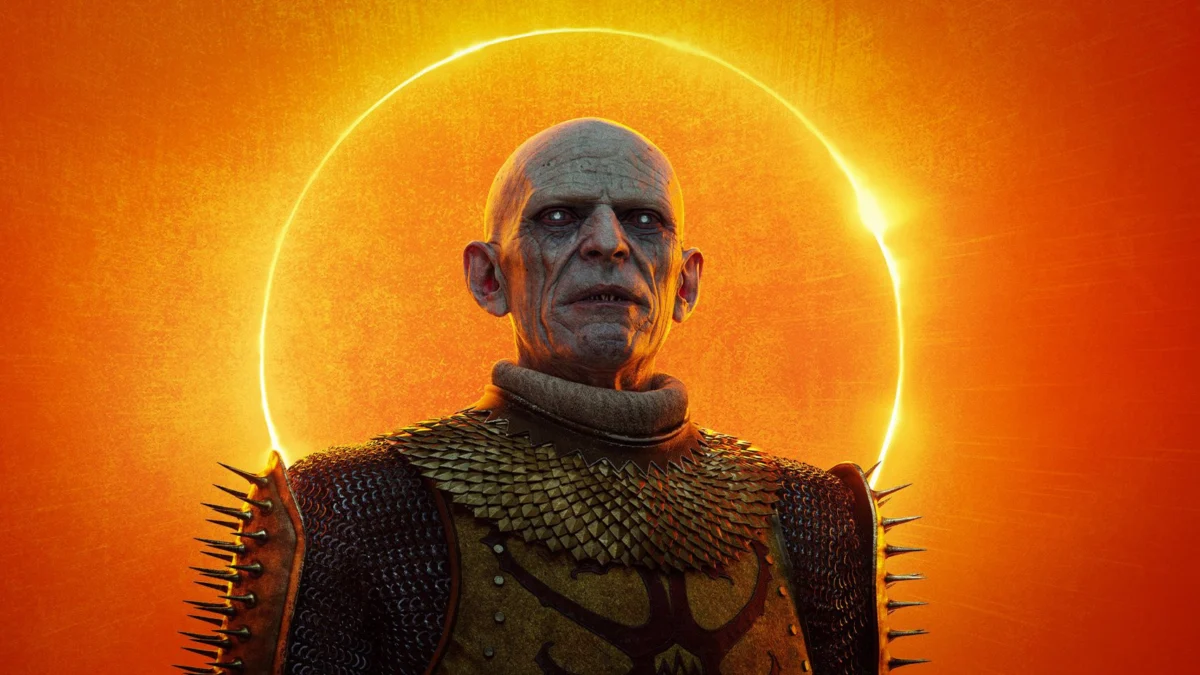











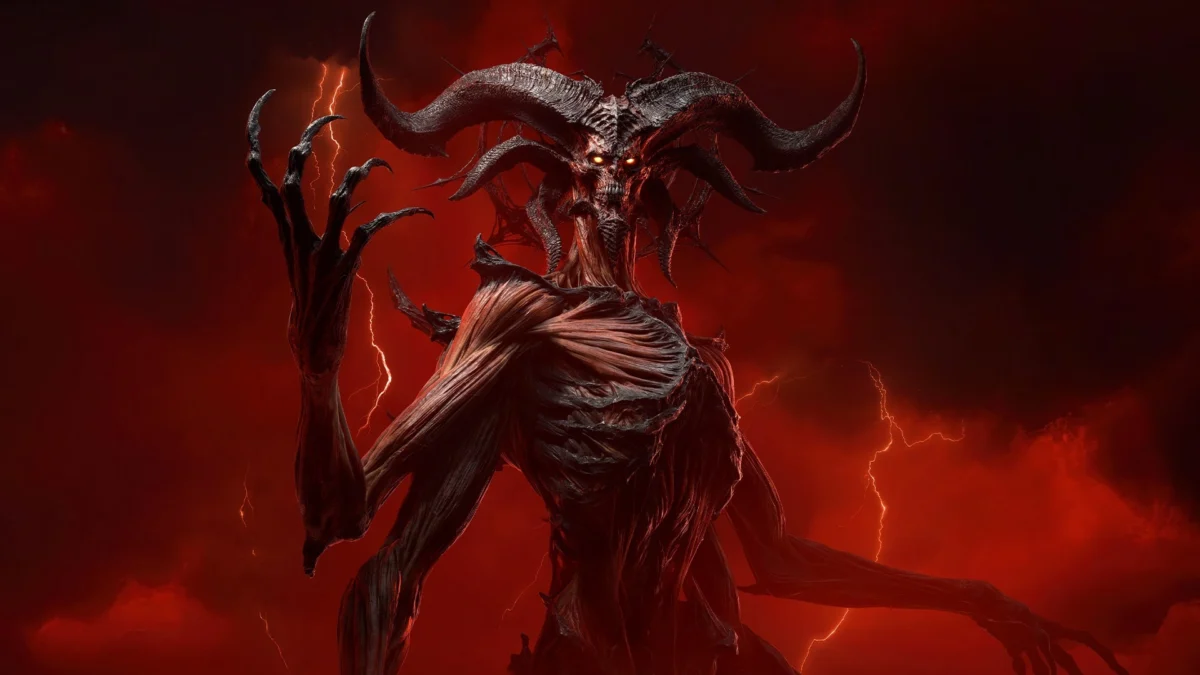
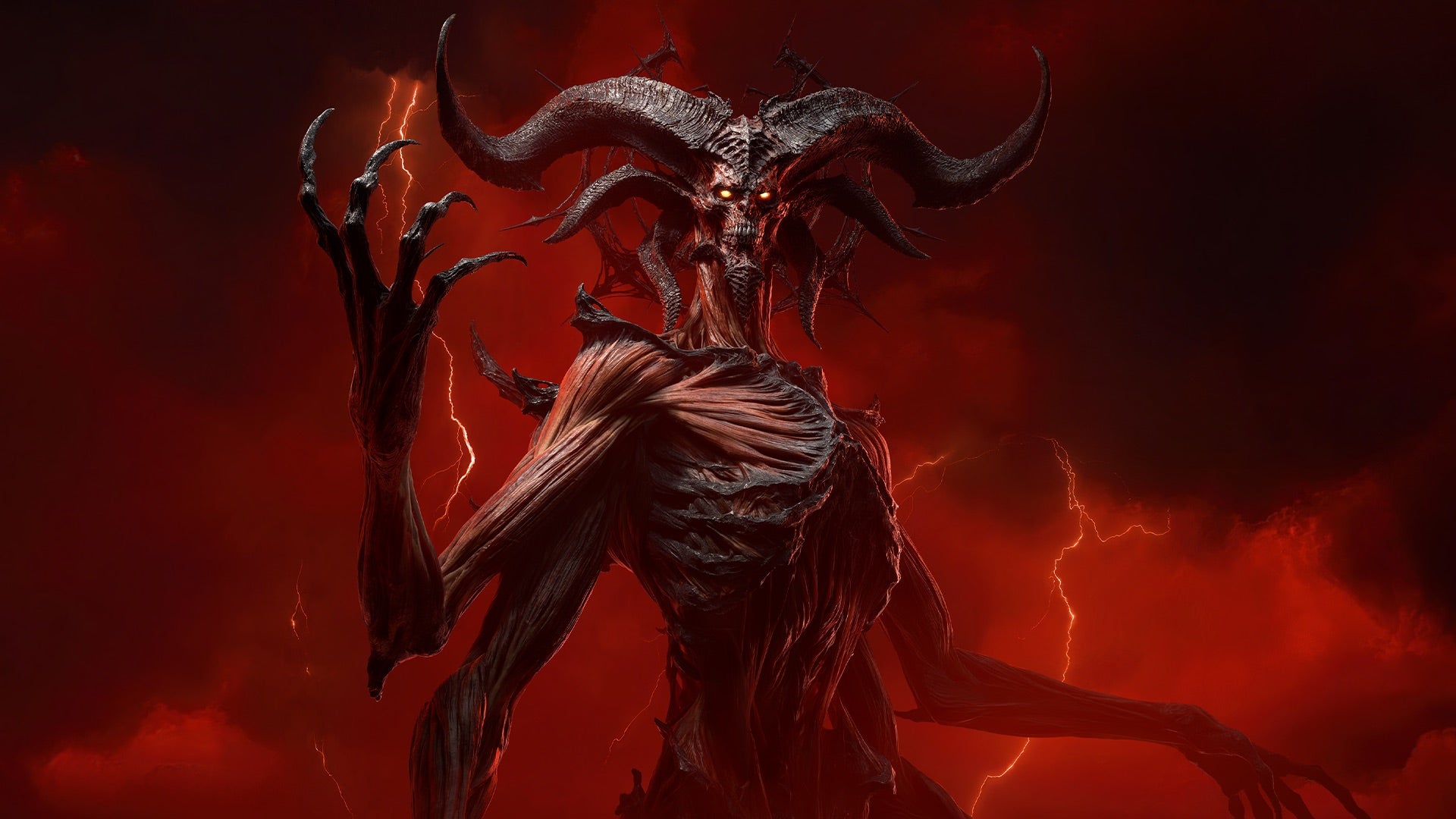
Blizzard Entertainment’s latest major release for its flagship action role-playing franchise, Diablo 4: Lord of Hatred, successfully concludes the overarching narrative arc that began with the base game’s launch. Arriving following mixed community reception to the game’s live-service updates and the preceding expansion, Vessel of Hatred, this new installment introduces substantial regional, systemic, and narrative additions. Reviewers and early players have lauded the expansion for its refined gameplay mechanics, expansive new lore, and an emotional campaign conclusion that stands among the finest storytelling achievements in the history of the Diablo series.
Main Facts and Regional Expansion
At the core of Lord of Hatred is the introduction of the Skovos Isles, a brand-new geographic zone that serves as the primary setting for the expansion’s campaign. Designed around Mediterranean architectural motifs—featuring textured stucco walls, red-tiled roofs, cobblestone pathways, and classical structures—Skovos represents a vital location in Sanctuary’s lore. Historically referenced as the ancestral homeland of humanity’s progenitors and the descendants of Lilith and Inarius, the region is governed by a matriarchal society of warrior women known as the Amazons.
Unlike the dense, jungle-heavy environments of Nahantu featured in Vessel of Hatred, the Skovos Isles offer distinct topographical variety across a slightly more compact landmass. The narrative follows Neyrelle through these Aegean-inspired islands as she attempts to prevent Mephisto, the Lord of Hatred, from breaking free of the containment stone established at the conclusion of Diablo 4’s primary campaign.
Chronology and Narrative Arc

The release of Lord of Hatred follows a structured sequence of content rollouts and developmental adjustments by Blizzard Entertainment since Diablo 4 debuted in June 2023.
- June 2023: Diablo 4 launches, establishing a new dark fantasy baseline for the franchise and achieving significant commercial success despite subsequent live-service controversies regarding seasonal content and balance patches.
- Late 2024: The release of the game’s first expansion, Vessel of Hatred, introduces the Spiritborn class and the Nahantu region, though it receives criticism from segments of the community for a perceived lack of narrative scope and limited advancement of the core plot.
- December 2025: Blizzard surprise-drops the Paladin class during The Game Awards, providing players with a long-requested sword-and-shield archetype ahead of the full expansion rollout.
- Early 2026: Lord of Hatred officially launches, picking up chronologically immediately after the events of Vessel of Hatred, integrating the new Warlock class, expanding the level cap, and deploying major endgame overhauls.
New Classes and Systemic Overhauls
Lord of Hatred expands the available roster by introducing two distinct playstyles, though the Paladin was made available to players ahead of the expansion’s formal launch window. The Paladin fills the traditional sword-and-board combat role missing since the game’s inception, incorporating specialized skill variants that draw upon angelic influences and historical Amazon combat techniques.

The second addition, the Warlock, presents a hybrid summoner-caster archetype that merges thematic elements traditionally associated with the Necromancer and Sorcerer classes. Designed for advanced players, the Warlock mechanic requires tactical management of summoned entities, allowing users to sacrifice minions to fuel powerful offensive spells and battlefield buffs.
In addition to character classes, the expansion implements broad systemic changes across Sanctuary:
- Level Cap and Talents: The level cap is raised to 70, accompanied by a comprehensive rework of talent trees that integrates previously gear-locked Legendary powers into baseline progression.
- The Talisman: A new slot-based item system that enhances foundational capabilities, such as potion capacity and dodge mechanics.
- Itemization and Crafting: The classic Horadric Cube makes its return, allowing players to upgrade equipment rarity and modify item affixes to mitigate random loot stagnation.
- War Plans: A new endgame management tool that enables players to compile customized playlists of endgame activities, tying them into dedicated progression trees and offering bonus rewards upon completion.
Official Responses and Industry Analysis

Blizzard Entertainment positioned Lord of Hatred as a direct response to player feedback concerning narrative pacing and endgame depth following the rollout of Vessel of Hatred. While the studio faced sustained criticism regarding microtransactions, seasonal mechanics, and balance adjustments throughout Diablo 4’s live-service lifecycle, production values for the franchise remain industry-leading within the action-RPG genre.
Industry analysts note that expansions of this scale are critical for maintaining player retention in long-tail live-service games. By addressing specific pain points—such as gear progression ceilings and endgame activity variety—Blizzard aims to secure the title’s commercial viability through subsequent operational years. Early critical consensus suggests that Lord of Hatred successfully rectifies the narrative brevity of its predecessor while delivering innovative boss mechanics and cinematic direction that reinforce the long-term health of the Diablo IP.