










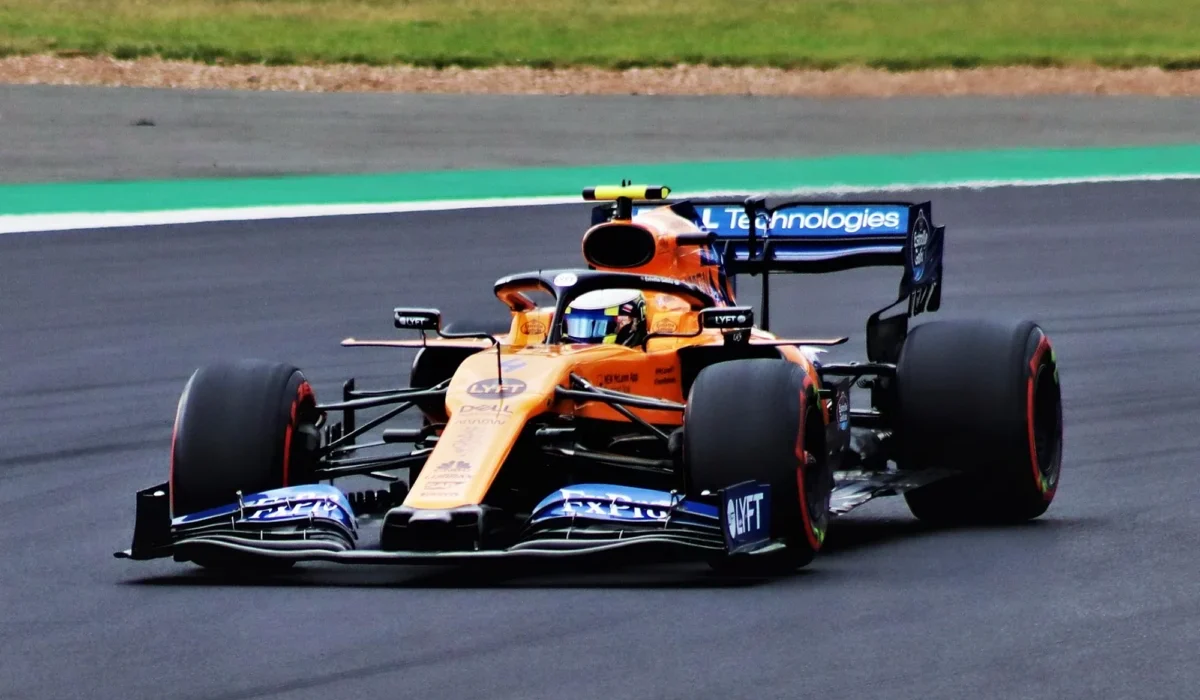
Formula 1 represents the absolute pinnacle of automotive engineering, a high-stakes arena where the boundary between human capability and mechanical limits is tested every race weekend. For the casual observer, the scream of a V6 engine tearing through a street circuit or a purpose-built Grand Prix track is a sensory experience, but for the engineers working behind the scenes, it is a complex mathematical puzzle. To understand the performance of these machines, one must look beyond the spectacle and examine the intricate balance of internal combustion, electrical energy recovery, and aerodynamic efficiency.
While the average passenger vehicle—such as a standard family sedan or SUV—typically operates within the 150 to 250 horsepower range, Formula 1 cars occupy an entirely different stratosphere of performance. The power output of a contemporary F1 car is not merely a product of its combustion engine; it is a symphony of hybrid technology. As the sport approaches the 2026 regulation overhaul, the technical landscape is shifting to prioritize sustainable energy management without sacrificing the raw speed that defines the series.
The Anatomy of the 2026 Power Unit
The core of every modern Formula 1 car is the 1.6-liter turbocharged hybrid V6. This internal combustion engine (ICE) is a marvel of thermal efficiency, often exceeding 50%—a figure that dwarfs the efficiency of traditional road-going engines. In the current and upcoming regulatory cycles, these engines generate between 830 and 850 horsepower on their own. However, the total system output is bolstered by the Energy Recovery System (ERS).

The ERS consists of two primary components: the MGU-K (Motor Generator Unit-Kinetic) and the MGU-H (Motor Generator Unit-Heat). The MGU-K captures kinetic energy during braking, which would otherwise be lost as heat, and converts it into electricity. The MGU-H, meanwhile, harvests energy from the exhaust gases. Together, these systems feed a battery pack that can deploy an additional 160 horsepower.
This creates a dual-state power delivery system. During standard racing conditions, the car operates at roughly 850 horsepower. However, when a driver engages the "Overtake Mode" or utilizes energy deployment on straights, the system pushes the total output to approximately 1,000 horsepower. This burst is limited to roughly 33 seconds per lap, forcing drivers and teams to be tactical in how they manage their energy reserves throughout the duration of a Grand Prix.
Historical Context and the Road to Hybridization
The current era of F1 power is a direct evolution from the radical changes introduced in 2014, when the sport moved from naturally aspirated V8 engines to the current 1.6-liter turbocharged hybrid units. This transition was met with initial skepticism by purists, but it ultimately paved the way for the development of high-performance hybrid technologies that have influenced the automotive industry at large.
The timeline of power unit evolution reflects the FIA’s commitment to relevance:

- 2014-2021: Introduction of the V6 turbo-hybrid architecture, focusing on establishing the MGU-K and MGU-H systems.
- 2022-2025: A period of stability focused on refinement, weight management, and the integration of sustainable fuels.
- 2026 and Beyond: A significant recalibration aimed at increasing the electrical component of the power unit, reducing reliance on fossil fuels, and ensuring closer racing through better energy management.
The 2026 regulations represent a pivotal shift. By adjusting the power ratio between the ICE and the electrical components, the FIA is attempting to mitigate the "lift-and-coast" driving style that has become a necessity in recent years due to fuel flow constraints. By moving toward a 58/42 power split in 2027 and eventually a 60/40 split by 2028, the sport is signaling a long-term transition toward greater electrification.
Competitive Parity and Economic Constraints
The financial aspect of Formula 1 has undergone a seismic shift with the implementation of the cost cap. Unlike previous eras, where top-tier teams like Mercedes, Ferrari, and Red Bull could outspend rivals by hundreds of millions of dollars annually, the current regulations impose strict financial limitations on development.
This move was designed to ensure that the sport remains competitive. When engine performance is strictly regulated and standardized across the board, the winning margin is found in the margins—aerodynamics, chassis balance, and driver skill. Because the "hardware" is similar, the driver’s ability to manage tire degradation, braking zones, and energy deployment becomes the decisive factor.
Manufacturers currently involved in the development of these power units—Mercedes, Ferrari, Red Bull-Ford, Honda, and Audi—are engaged in a perpetual arms race. Each manufacturer brings a unique philosophy to their power unit design, yet they must all operate within the strict geometric and performance envelopes dictated by the FIA. This ensures that while the power is nearly identical, the delivery characteristics—such as torque curves and throttle response—vary, giving each team a distinct "character" on the track.

The Role of Aerodynamics and Tire Management
It is a common misconception that horsepower is the only metric of speed. In Formula 1, horsepower is often the limiting factor for how much speed a car can carry through a corner. The aerodynamic downforce generated by the front and rear wings creates immense drag, which acts as a "ceiling" for top-end speed. However, this same downforce is what allows F1 cars to corner at speeds that would physically eject a standard road car from the track.
The synergy between the engine and the chassis is managed by Pirelli, the exclusive tire supplier. The tires are the only point of contact between the car and the track, and they are engineered to withstand massive vertical and lateral loads. The management of these tires—choosing the right compound (soft, medium, or hard) for the specific track temperature and surface—is an extension of the horsepower conversation. If a driver has 1,000 horsepower but lacks the grip to put it to the tarmac, the power is effectively useless.
Future Implications and Engineering Challenges
Looking toward 2027 and 2028, the regulatory focus shifts toward increasing the maximum ICE power while simultaneously tweaking the harvesting and deployment limits. The decision to increase the maximum ICE power from 400kW in 2026 to 450kW by 2028 demonstrates an ongoing commitment to the internal combustion element, even as electrical harvesting capacity increases to 400kW.
These changes are not merely administrative; they require a fundamental redesign of the power units. Manufacturers must balance the weight of larger batteries against the performance benefits of increased electrical output. Furthermore, the 5% increase in fuel flow limits in 2027 and the 13% increase in 2028 will allow for higher engine speeds and, consequently, more power.

The extension of the relaxed power unit component limits—allowing for four ICEs, four turbochargers, and four exhaust systems per season—provides teams with the breathing room necessary to innovate without the constant threat of grid penalties. This creates a more intuitive racing environment, where drivers can push the limits of their machines without the constant fear of a catastrophic component failure forcing a retirement.
Conclusion
The quest for the perfect balance between power, weight, and efficiency is the defining characteristic of Formula 1. While the 1,000-horsepower figure is a convenient shorthand for the performance of these machines, the reality is a nuanced landscape of energy management and technical regulation.
As the series evolves toward the 2026-2028 regulatory windows, the focus remains clear: to provide a platform where the world’s best drivers can compete on a level playing field, supported by the most advanced automotive engineering on the planet. Whether it is the rapid harvesting of kinetic energy or the tactical deployment of overtake boosts, the "horsepower" of a Formula 1 car is a testament to the fact that in the world of high-speed racing, the most powerful engine is one that can be intelligently managed throughout the entirety of a race. The future of the sport is not just about having the most power, but about how effectively that power can be applied in the service of victory.