The mobile technology landscape has shifted significantly with the arrival of the vivo X500 Pro Max, a device that redefines the parameters of flagship performance and mobile photography. Following its high-profile unveiling in China, we have secured a retail unit to conduct an in-depth examination of the hardware and the expansive accessory ecosystem that accompanies this premium handset. Positioned strategically beneath the Ultra series in the company’s product hierarchy, the X500 Pro Max nonetheless challenges industry standards with its bleeding-edge technical specifications and an innovative approach to external modular peripherals.
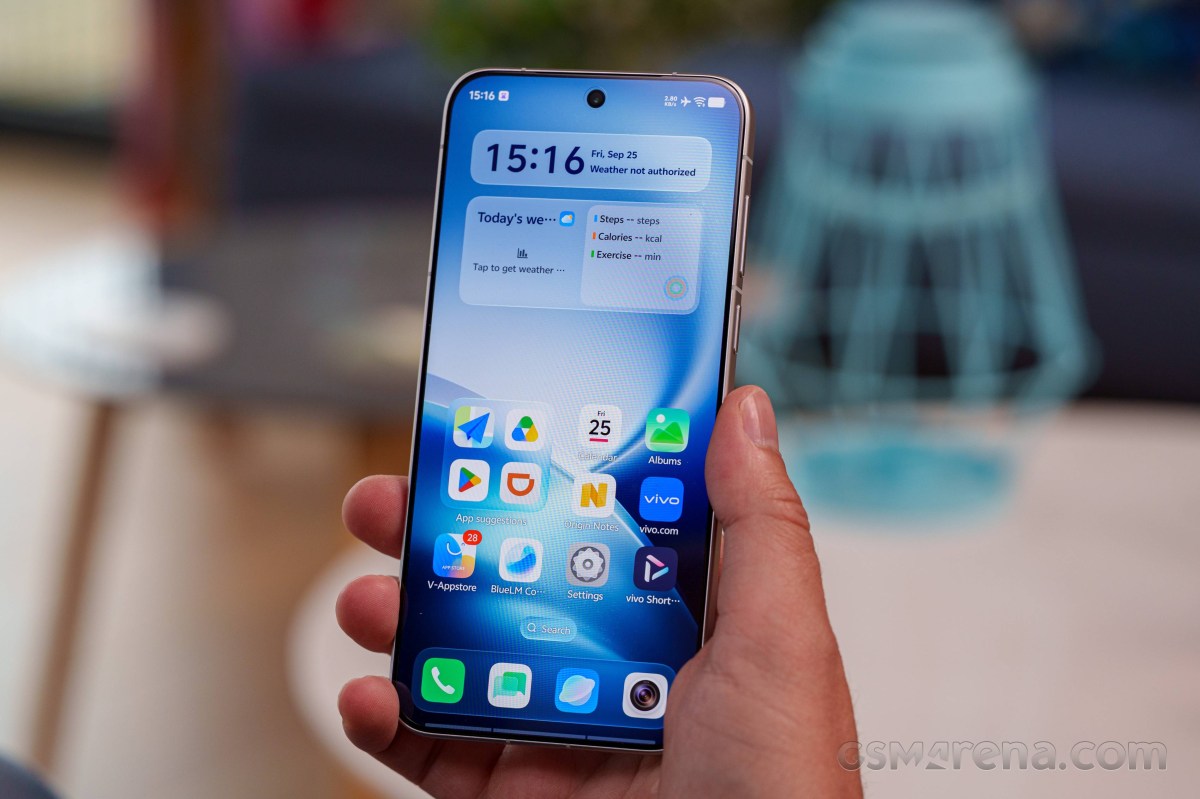
Core Technical Specifications and Performance Metrics
At the heart of the vivo X500 Pro Max lies the MediaTek Dimensity 9600 Pro, a sophisticated 2nm system-on-chip that represents the current zenith of mobile processing power. By moving to a 2nm manufacturing process, vivo and its partners have successfully managed to increase transistor density, resulting in a notable uptick in computational efficiency and thermal management. This silicon powerhouse is paired with up to 16GB of LPDDR5X RAM, ensuring that multitasking and resource-heavy applications—such as raw photo processing or high-fidelity gaming—operate without latency.
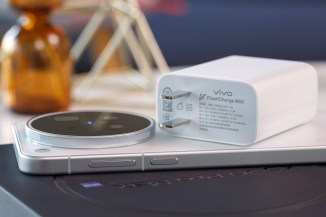
Perhaps most striking is the inclusion of an 8,000mAh battery. In an era where flagship devices frequently struggle to exceed 5,000mAh, this capacity represents a substantial departure from industry norms. The implications for daily usage are significant, as it provides a substantial buffer for power-intensive tasks, particularly for photographers who rely on their devices for extended field sessions. This hardware is complemented by a 90W fast-charging solution, which serves to mitigate the extended downtime typically associated with such a large capacity cell.
The Evolution of Mobile Imaging Systems
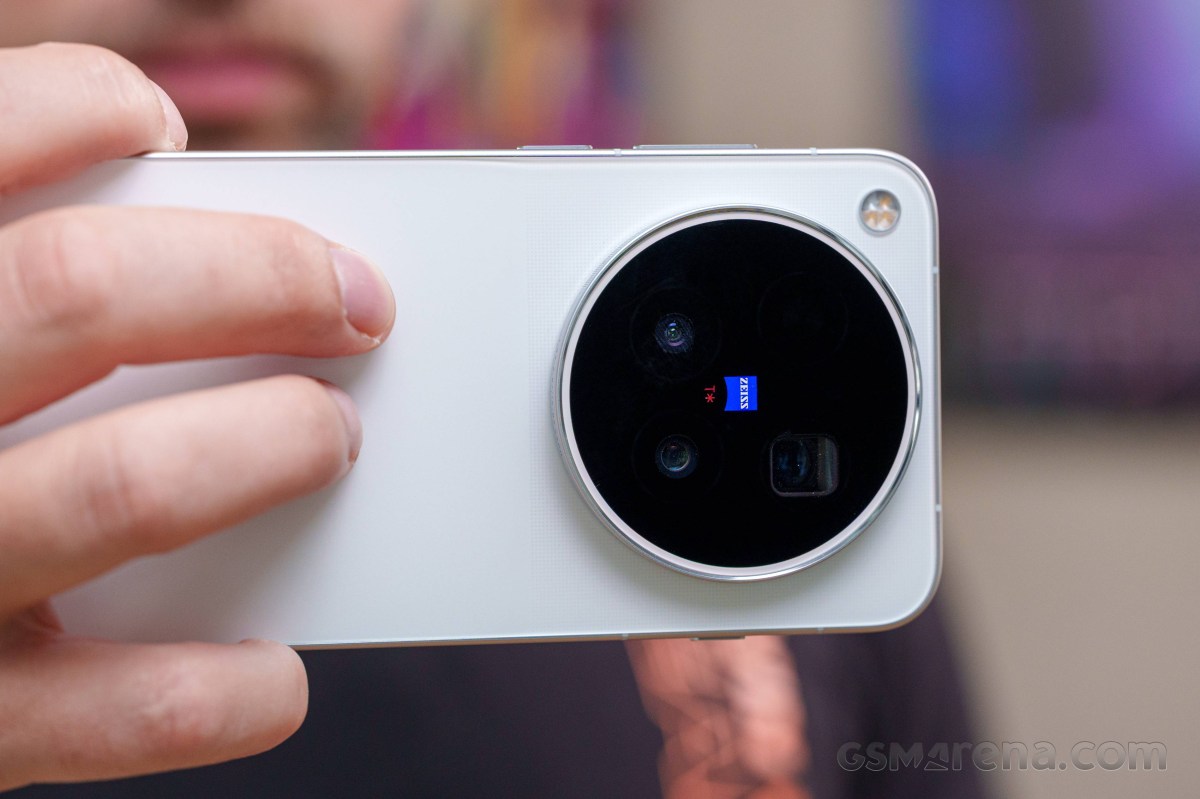
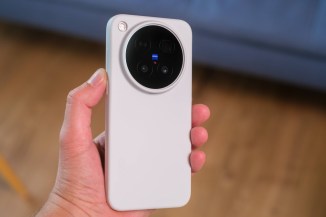
The camera array on the X500 Pro Max is a masterclass in optical engineering, clearly intended to compete with professional-grade compact cameras. The primary shooter utilizes a 50MP, 1/1.28-inch sensor integrated with LOFIC (Lateral Overflow Integration Capacitor) technology. This specific advancement is designed to address the challenge of highlight clipping, allowing for significantly higher dynamic range in high-contrast environments. By managing the electrical charge within the pixel more effectively, the sensor can retain detail in both shadows and bright highlights simultaneously.
Complementing the main sensor is a 200MP, 1/1.4-inch telephoto unit paired with an 85mm f/2.7 lens. This high-resolution approach allows for massive cropping potential and clear zoom performance, positioning the device as a versatile tool for portraiture and landscape photography. The tertiary lens is a 50MP, 1/2.75-inch ultrawide sensor with a 15mm focal length. While the vivo X300 Ultra retains a slight advantage in raw sensor size for specific wide-angle scenarios, the X500 Pro Max provides a cohesive and highly capable system that excels in versatility.
Chronology of the Launch and Market Deployment
The product trajectory of the X500 series has been marked by a deliberate rollout strategy. The initial announcement in China served as the primary proof-of-concept, establishing the device’s market positioning. Following the domestic launch, international stakeholders and industry analysts have been tracking the expansion of the device into global markets. The confirmed timeline indicates that the X500 series is slated for a European introduction on October 27, with retail availability commencing on November 5.
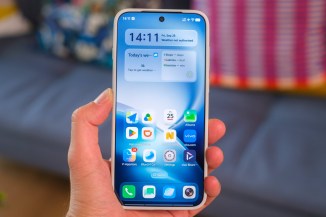
This staggered release allows for localized software optimization and regulatory compliance verification, essential steps for a product with such complex imaging hardware. The "Creator Kit" accessory ecosystem, which was highlighted during the initial announcement, underscores vivo’s intent to cater to a demographic that views the smartphone as a primary professional production tool rather than a secondary device.
The Creator Kit: A New Frontier in Modular Accessories
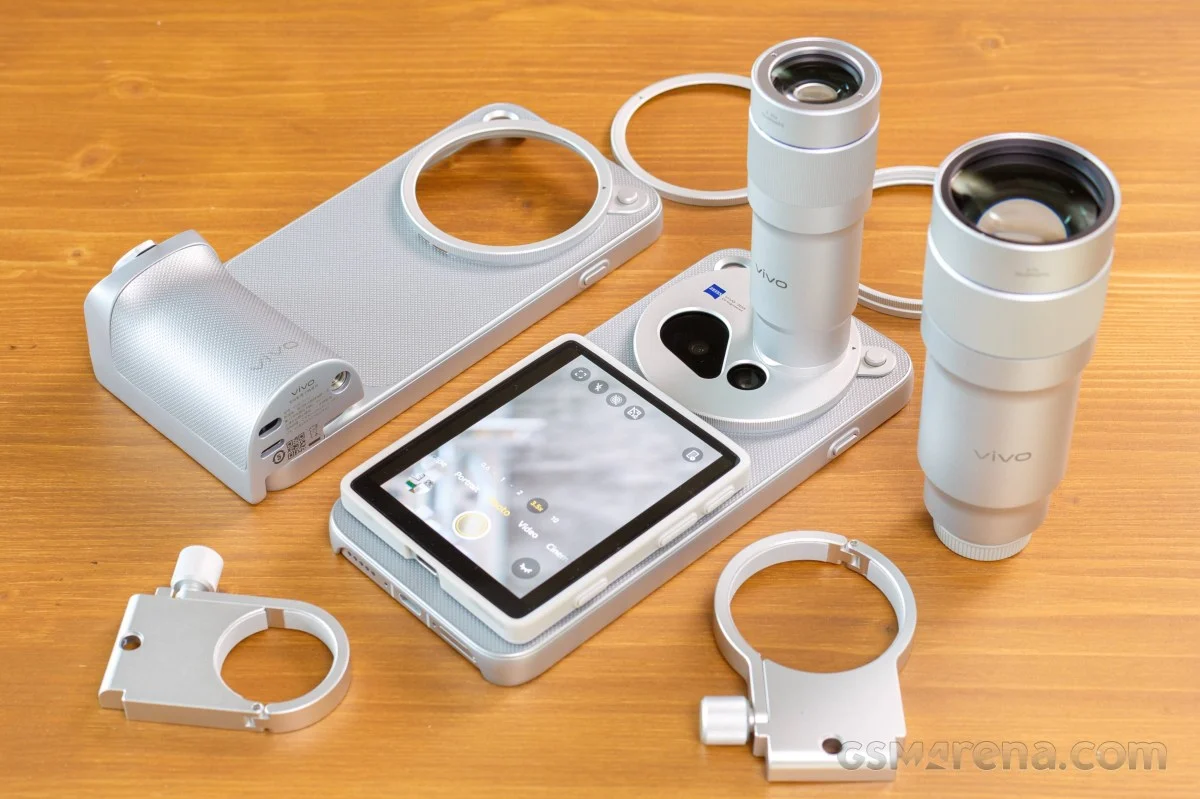
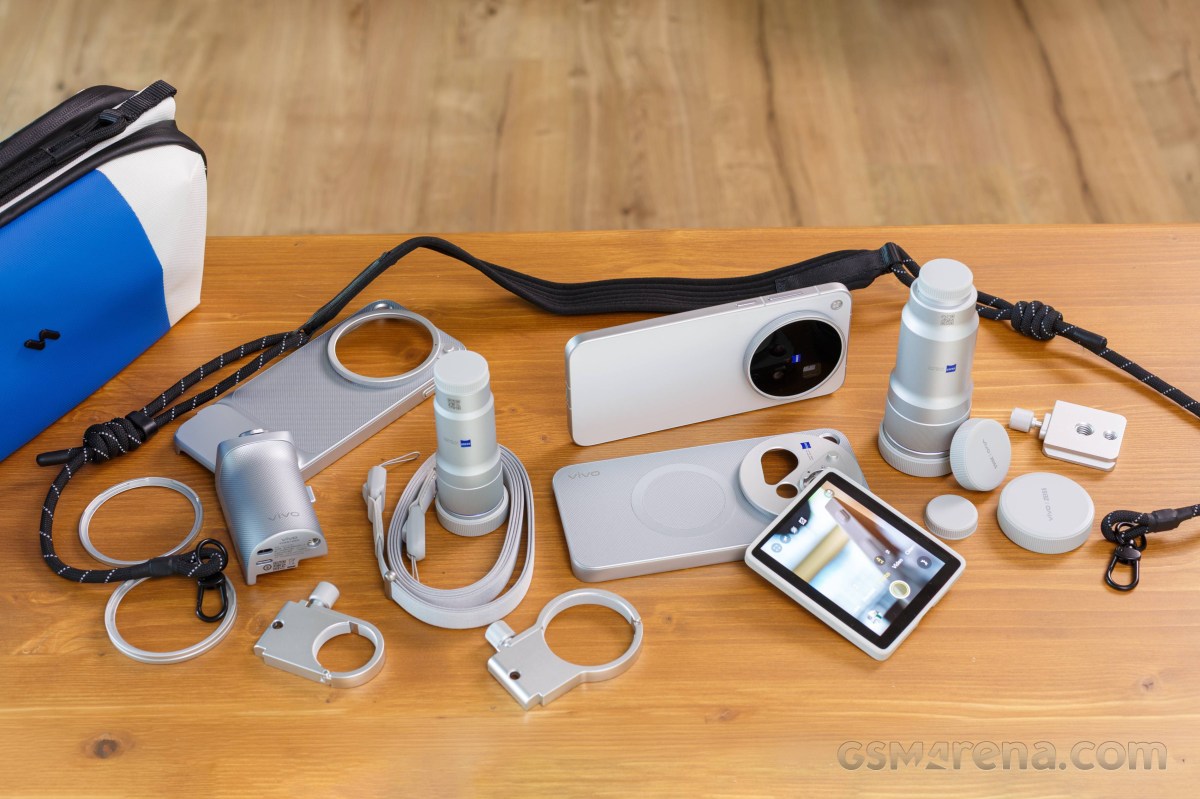
The most distinct element of the X500 Pro Max package is undoubtedly the "Creator Kit," a comprehensive collection of 18 accessories designed to transform the handset into a dedicated imaging rig. The kit includes two primary teleconverter lenses—a 2.35x (200mm equivalent) and a 4.7x (400mm equivalent)—which attach to the device via a specialized filter adapter.
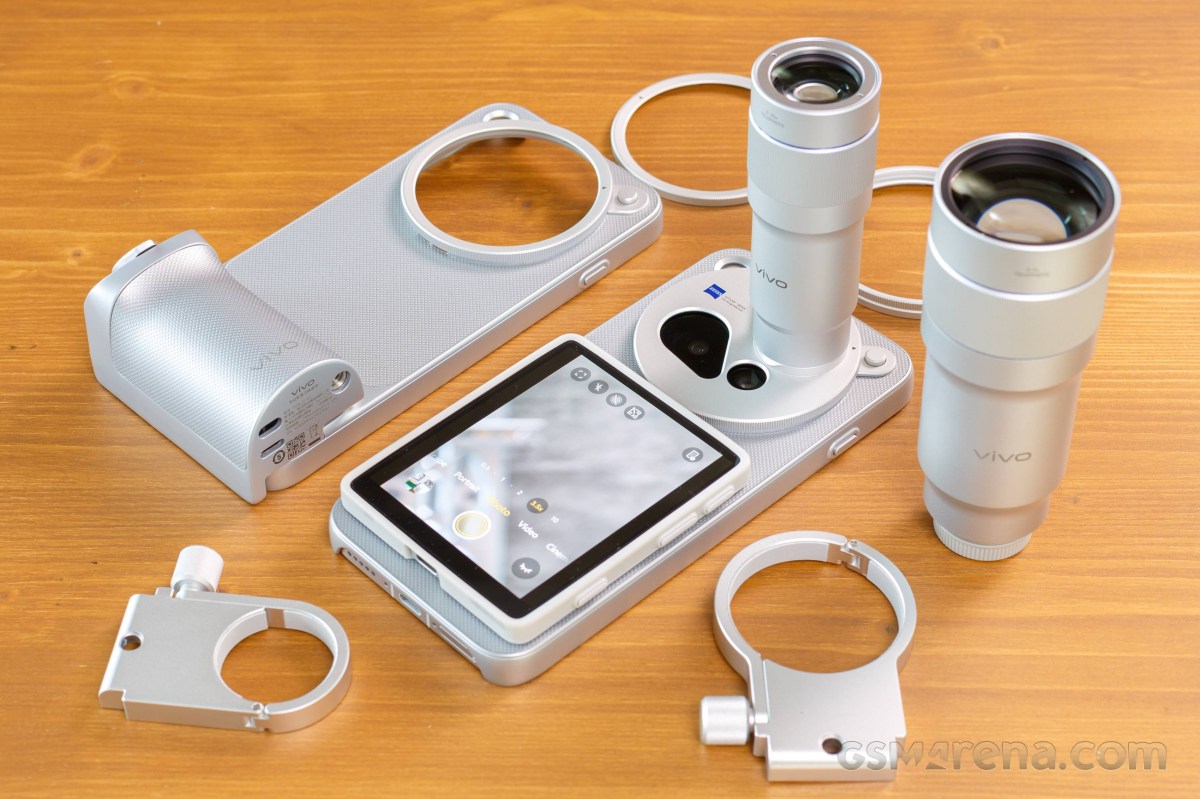
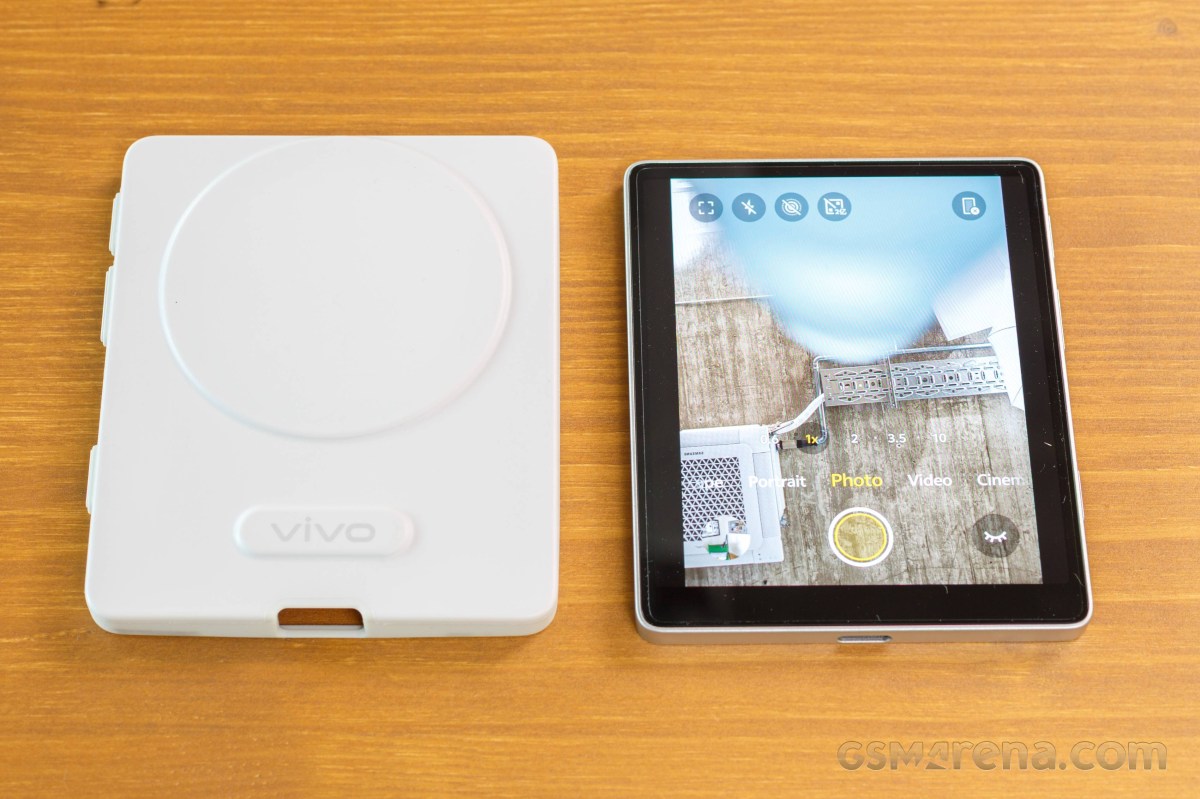
The standout innovation within this kit is the external "Preview" display. This device, a thin, metallic peripheral featuring a 4:3 screen and three primary controls, functions as a remote monitor and shutter interface. By pairing with the X500 Pro Max via Bluetooth, it offers a real-time, low-latency preview of the camera viewfinder. The ability to maintain functionality even while the phone’s main screen is locked is a notable advantage, as it preserves battery life and reduces distractions during long-exposure or studio photography sessions. The inclusion of a MagSafe-compatible case allows the accessory to mount securely, bridging the gap between mobile photography and professional videography workflows.
Industry Implications and Market Impact
The shift toward such an extensive ecosystem of accessories indicates a broader trend in the smartphone industry. As the hardware capabilities of flagship sensors reach a point of diminishing returns, manufacturers are increasingly looking to secondary peripherals to provide value-added features. By enabling users to mount professional filters, teleconverters, and external monitors, vivo is effectively acknowledging that a significant segment of its user base is comprised of "prosumers."
Furthermore, the decision to include a 90W charger and a protective case in the retail package—at least for the Chinese market unit—stands in contrast to the industry-wide trend of "de-contenting" retail boxes. Whether this trend will persist for the global variant remains a point of speculation, though regional regulations and logistical costs often drive the removal of such accessories in Western markets.

Official Positioning and Consumer Expectations
Vivo’s marketing strategy for the X500 Pro Max emphasizes a "pro-grade" experience. The hardware choices—specifically the 2nm SoC and the LOFIC sensor technology—suggest a commitment to long-term performance and high-end image fidelity. While the device sits just below the "Ultra" moniker in the brand’s current catalog, the technical overhead provided by the 8,000mAh battery and the depth of the accessory kit suggest that the distinction between "Pro" and "Ultra" is becoming increasingly blurred in practice.
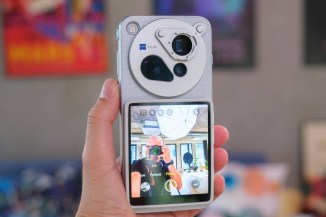
For the mobile photography enthusiast, the X500 Pro Max represents a significant investment in a platform rather than just a handset. The integration of the Preview accessory into the native camera software is a particularly strong signal that the company is investing in software-hardware synergy, ensuring that the user experience remains seamless across different modules.

Conclusion: A Strategic Shift
The vivo X500 Pro Max arrives at a pivotal moment. With the smartphone market facing saturation and consumers holding onto devices for longer periods, the value proposition must move beyond marginal processor upgrades. By offering a device that is modular, highly capable in photography, and supported by a robust set of professional-grade tools, vivo is attempting to secure a niche that bridges the gap between casual snapshots and serious photography. As the device moves toward its October European launch, the industry will be watching to see if the European consumer base responds to the "Creator" approach with the same enthusiasm observed in the domestic market. The X500 Pro Max is not merely a smartphone; it is an attempt to redefine what a pocket-sized computer can accomplish when treated as a professional imaging foundation.