










The rapid expansion of artificial intelligence infrastructure is creating unexpected ripples across the global automotive supply chain, presenting a significant challenge for electric vehicle manufacturer Rivian. As data centers and AI-driven technology companies scramble to secure high-performance computing hardware, essential components—ranging from basic memory chips to specialized electronic materials—have become both more expensive and increasingly difficult to procure. This shift in market dynamics is forcing companies like Rivian to rethink their procurement strategies as they strive to maintain profitability while scaling production for next-generation vehicles.
The Strategic Shift in Procurement
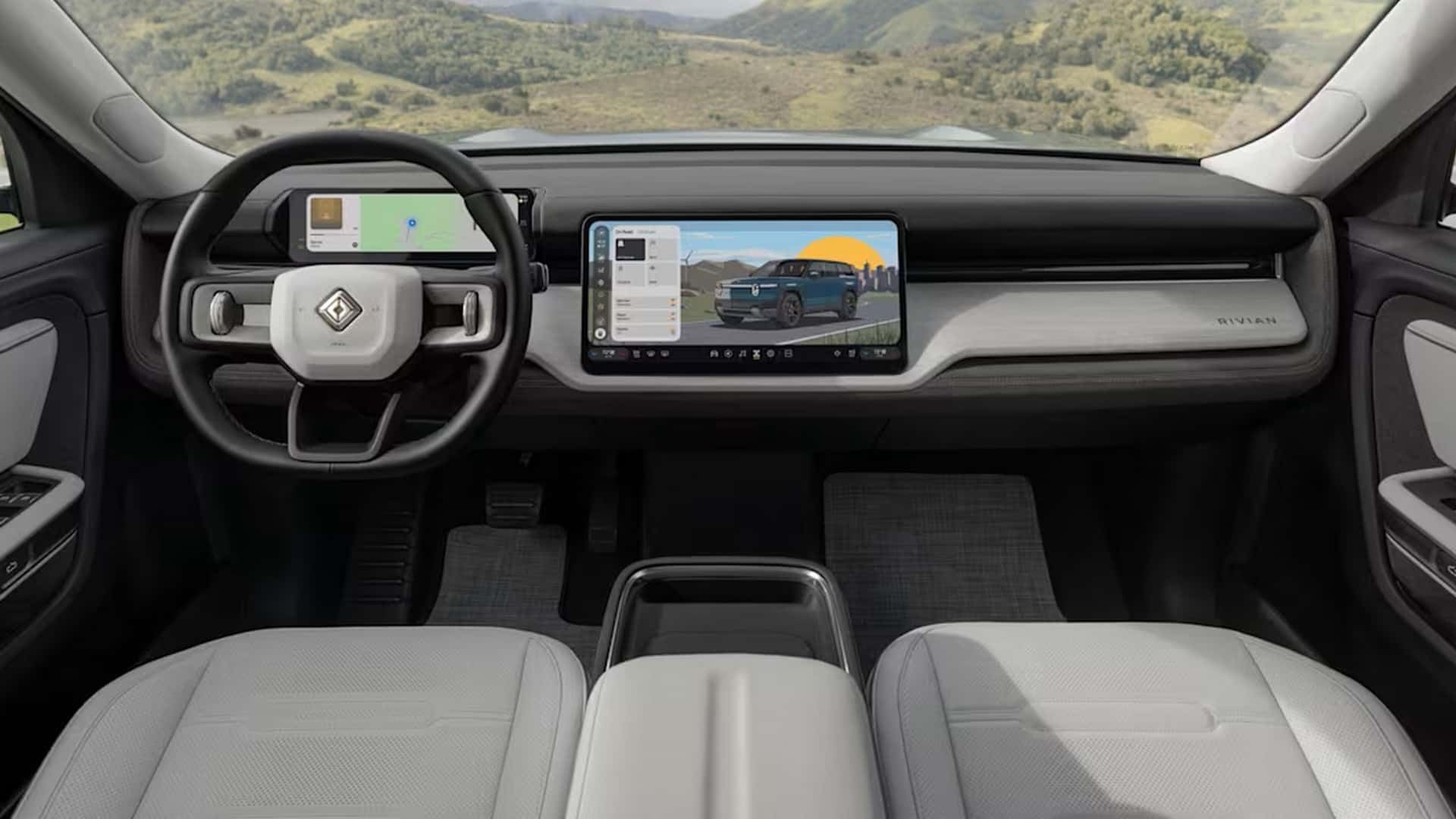
Rivian CEO RJ Scaringe and hardware chief Vidya Rajagopalan recently shed light on these mounting pressures during a discussion with venture capital firm Kleiner Perkins. The conversation underscored a reality that many in the automotive industry are only now beginning to reconcile: the modern vehicle is effectively a high-performance computer on wheels, making it increasingly reliant on the same high-end silicon that powers massive cloud-based AI operations.
"Hardware is hard in ways that I think people don’t fully always appreciate until you’re in it," Scaringe noted during the interview. He emphasized that the complexity of assembling an electric vehicle involves thousands of suppliers, often creating a multi-tiered ecosystem where a disruption at the raw material level can cascade through the entire manufacturing process.
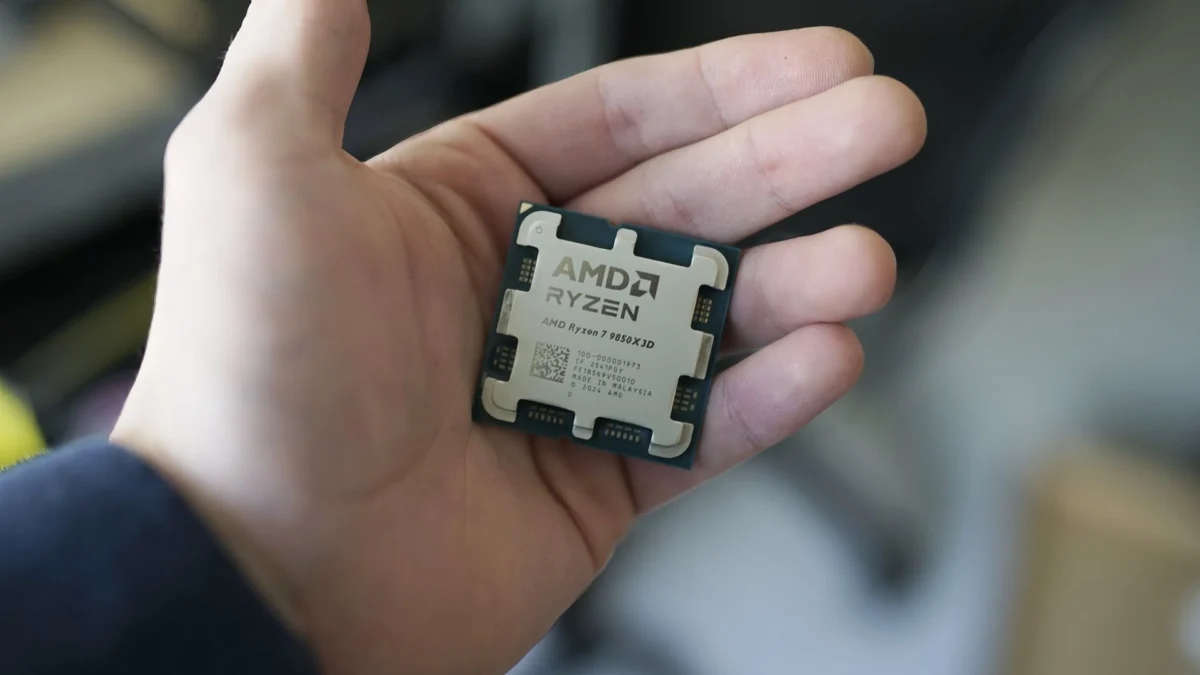
For Rivian, the most acute pain point has been the surge in demand for memory components, particularly DRAM (Dynamic Random Access Memory). Three years ago, memory was viewed largely as a commodity—a standard part that could be sourced reliably without extensive strategic planning. Today, the landscape has transformed. Rivian engineers now dedicate a significant portion of their development time to planning for memory, optimizing its usage at the circuit-board level, and navigating a volatile global market.
The Data Center Bottleneck
The current "data center frenzy" is being driven by the massive capital expenditure of technology giants like Microsoft, Google, and Amazon, all of whom are racing to build the infrastructure necessary to support generative AI models. These corporations are prioritizing the acquisition of the most advanced memory and processing hardware available.
Because AI-focused data centers offer higher profit margins for semiconductor manufacturers, DRAM producers are increasingly directing their capacity toward these high-margin sales. This redirection creates a supply bottleneck for other industries, including the automotive sector, which requires specialized, automotive-grade versions of these same chips. The phenomenon is not unique to Rivian. Apple, for instance, has previously cited data center-driven memory costs as a primary factor in the pricing adjustments for its computing hardware earlier this year.
Other automakers are also sounding the alarm. Li Auto, a prominent player in China’s smart EV market, filed documentation earlier this year highlighting "significant supply tightness and price volatility" regarding DRAM and NAND flash memory—components deemed critical for their smart cockpit and autonomous driving systems. Similarly, General Motors and Ford have reported increased costs related to memory components, leading both companies to secure long-term supply agreements with manufacturers like Micron to stabilize their future production pipelines.
Beyond Memory: A Broader Component Crisis
The challenges facing Rivian extend beyond just high-tech memory chips. Hardware chief Vidya Rajagopalan pointed to the broader, often overlooked components that are essential for printed circuit boards (PCBs).
"We deal with this all the time, supply chain shortages; it’s a bane of our existence," Rajagopalan said. She highlighted the difficulty in sourcing e-glass, a material essential for manufacturing the substrate of circuit boards. Additionally, Multilayer Ceramic Capacitors (MLCCs)—small, passive components that were once considered an afterthought in vehicle design—are now a focus of intense procurement scrutiny.
The scarcity of these components acts as a "choke point" for production. A vehicle might be ready for assembly, but the absence of a relatively inexpensive capacitor can halt the entire line. This reality has forced Rivian to pivot from a just-in-time inventory philosophy toward a more robust, long-term strategic sourcing model to ensure that their ambitious production targets remain viable.
Implications for the R2 Program
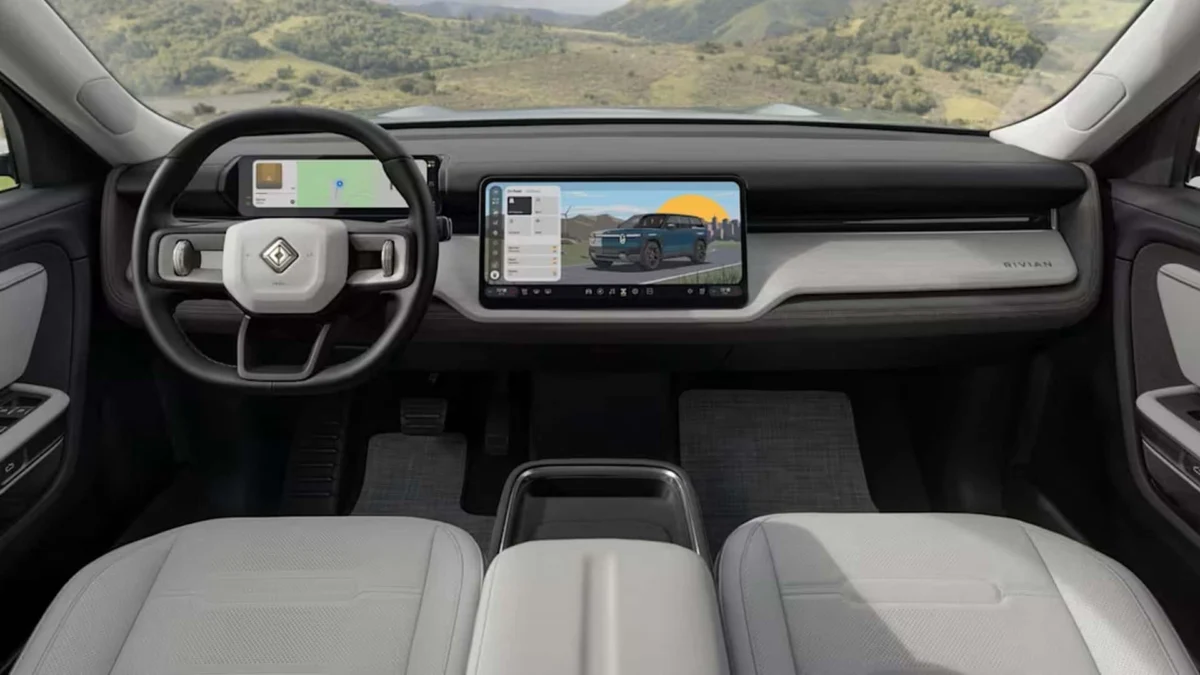
The primary concern for investors and consumers alike is whether these rising costs will impact the affordability of upcoming models. Rivian is currently focused on the launch of the R2, a smaller, more accessible SUV platform intended to reach a broader market segment with a base price of approximately $45,000.
Maintaining this price point requires extreme discipline in cost management. If the costs of commodity electronics remain elevated due to AI-driven demand, Rivian must find efficiencies elsewhere in the vehicle’s design or assembly process to prevent margin erosion. The company is currently exploring ways to offset these component costs through improved design-for-manufacturing (DFM) processes and tighter integration of their proprietary software and hardware.
The Role of In-House Innovation
Despite the supply chain headwinds, Rivian is doubling down on its proprietary technology. The company is preparing to launch its own in-house processor, the Rivian Autonomy Processor (RAP1), which is slated for integration into the R2 models starting next year. By designing its own compute modules, Rivian hopes to gain better control over its hardware requirements and reduce reliance on off-the-shelf components that are susceptible to market volatility.
This strategy aligns with the company’s broader goals regarding autonomous driving and in-car intelligence. Along with the RAP1 chip, the company is integrating advanced lidar technology, which it believes will allow for higher levels of automated driving capabilities. The Autonomy Compute Module 3, which serves as the core of this system, represents a significant investment in vertical integration—a move that could eventually insulate Rivian from some of the external shocks that currently plague the broader automotive supply chain.
Broader Market Impact
The situation at Rivian is emblematic of a larger transition in the manufacturing sector. As the global economy becomes increasingly digitized, the divide between "tech companies" and "traditional manufacturers" is dissolving. Automakers are now competing directly with hyperscale cloud providers for the same fundamental building blocks of modern hardware.
Industry analysts suggest that this trend of supply chain integration will continue for the foreseeable future. The traditional model of relying solely on Tier 1 and Tier 2 suppliers for electronic components is being replaced by a model where OEMs (Original Equipment Manufacturers) must build direct relationships with semiconductor foundries and raw material suppliers.
For Rivian, the path forward requires a delicate balance: continuing to innovate in AI and autonomy while simultaneously managing the mundane, yet critical, realities of commodity procurement. The success of the R2, and the company’s ability to scale its factory operations, will likely depend on how effectively it can navigate these shortages. As Rivian continues to automate its factory floor—with a goal of having robots handle up to 80% of assembly tasks—the importance of a stable, secure supply chain for the electronic components that control these machines becomes even more pronounced.
Ultimately, the AI boom has turned the once-predictable world of automotive procurement into a strategic battlefield. How Rivian navigates this environment will serve as a bellwether for the rest of the automotive industry as it attempts to transition into a new era of software-defined, highly autonomous vehicles. With the R2 launch approaching, the company’s ability to maintain its pricing promises while securing the necessary technology will be a defining test of its operational maturity.