







The global Internet of Things (IoT) landscape is currently undergoing a period of significant consolidation, strategic pivoting, and intensified scrutiny regarding privacy and data utilization. From the transition of smart home ecosystems to the integration of predictive artificial intelligence in industrial sectors, the technological infrastructure supporting modern living and production is evolving rapidly. This report details the key shifts occurring across the consumer smart home market, enterprise-level industrial monitoring, and the intersection of insurance technology and private data.
Signify and the Strategic Pivot of Philips Hue
The lighting industry, once dominated by simple hardware sales, is witnessing a maturation phase. Signify, the parent company of the Philips Hue brand, has signaled a definitive move into the home security market. This shift follows years of intense competition that has effectively commoditized the smart lighting sector.
Market analysts suggest that the longevity of LED products—often lasting over a decade—has created a challenge for hardware-dependent revenue models. By expanding into security cameras and contact sensors, Signify aims to capture recurring subscription revenue, a model that has become the gold standard for smart home profitability. Reports indicate that the company is preparing a suite of four cameras and associated sensors. This expansion leverages the existing, robust Hue ecosystem, utilizing the brand’s high level of consumer trust and established presence in millions of households globally. The move is seen as a logical progression, allowing Signify to transition from being a peripheral provider to a central hub of residential security.
TP-Link Expands Matter-Compatible Portfolio
The Matter interoperability standard continues to gain traction, with TP-Link leading the charge in the budget-conscious smart home segment. While the company has previously deployed Matter-certified devices through its Tapo brand, the introduction of the Kasa KS205 Smart Wi-Fi Light Switch and the Kasa KS225 Smart Wi-Fi Light Dimmer Switch marks a significant expansion into the premium Kasa lineup.
Priced at $27.99 and $29.99 respectively, these switches address the persistent need for neutral-wire installations, a common requirement in existing housing infrastructure. By integrating scheduling capabilities and "away mode" automation, TP-Link is positioning these devices as essential components for energy management. The adoption of the Matter standard is critical for the industry, as it promises to mitigate the "walled garden" fragmentation that has historically hindered smart home adoption rates, ensuring that these switches communicate effectively with platforms from Apple, Google, Amazon, and Samsung.
The Sunset of Cortana and the AI Transition
Microsoft has officially concluded its long-standing endeavor to establish Cortana as a primary voice assistant for consumer platforms. Launched in 2014 to compete directly with Apple’s Siri and Amazon’s Alexa, Cortana faced significant hurdles in achieving the necessary scale to compete in the burgeoning smart speaker and assistant market.
Following a phased withdrawal from consumer-focused mobile applications, Microsoft has now finalized the removal of the Cortana app from Windows 11. This decision reflects a broader corporate shift within Microsoft, prioritizing generative AI, such as the integration of Bing Chat and Copilot, over traditional voice-command assistants. While Cortana remains functional in some legacy capacities, its utility is being systematically deprecated in favor of more advanced, context-aware artificial intelligence models that define the current software landscape.
Industrial Growth: Tractian’s $45 Million Funding Round
The predictive maintenance sector is experiencing a surge in capital investment, as industrial operators seek to minimize downtime through automated monitoring. Atlanta-based startup Tractian has secured $45 million in new funding, bringing its total capital raised since 2019 to over $60 million.
Tractian specializes in hardware sensors and AI-driven software that monitor the health of industrial machinery, identifying anomalies before they lead to catastrophic equipment failure. The company’s success underscores a transition from reactive to proactive maintenance strategies. By rebranding "anomaly detection" as "AI-driven predictive maintenance," firms like Tractian are successfully attracting institutional investors focused on Industry 4.0. With a client base exceeding 500 customers, the company plans to utilize this latest capital injection to expand its sales operations and accelerate research into advanced vibration and thermal analysis.
The Ethics and Risks of Insure-Tech
Perhaps the most contentious development in the IoT space is the application of remote-sensing technology by insurance providers. As climate change and inflation drive up the costs of property replacement, insurance companies in regions like California are increasingly utilizing drone technology to monitor policyholders’ properties.
This practice has led to instances where homeowners have been issued notices of non-renewal based on visual inspections of their roofs or yards, often without a human adjuster ever stepping foot on the property. While insurance companies contend that these technologies allow for more accurate risk assessment in a high-cost environment, privacy advocates warn of the implications. The potential for "algorithmic discrimination," where automated systems identify perceived risks that do not reflect actual hazards, creates a power imbalance. There is growing concern that as homes become more connected, the data harvested by smart devices—such as water usage, security status, and occupancy patterns—could eventually be leveraged by insurers to restrict coverage or adjust premiums, effectively turning the smart home into a surveillance tool against its own inhabitants.
Innovation in Kinetic Energy Harvesting
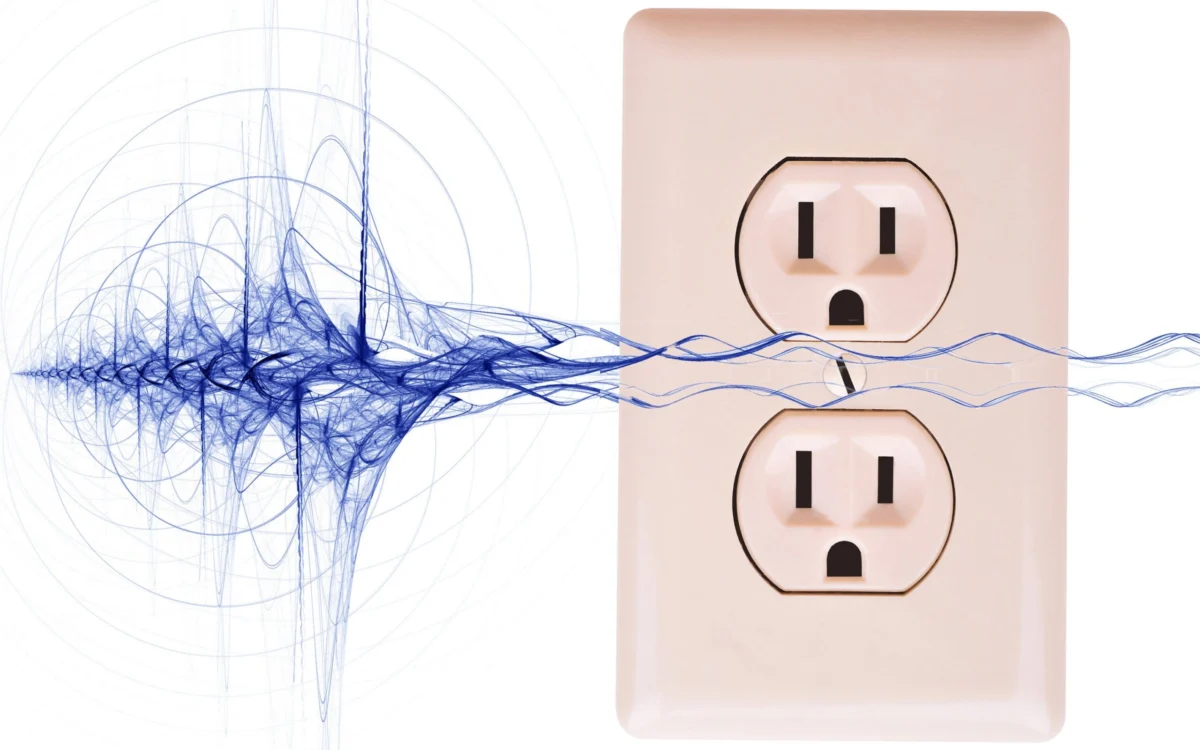
Technological research in Scotland has produced a significant breakthrough in sustainable energy for IoT devices: a graphene-based foam capable of kinetic energy harvesting. The material generates approximately 10 watts of electricity when compressed by a footstep, providing enough power to run localized sensors without the need for batteries or external power supplies.
This development is notable for its potential to power "smart floors" that can identify individuals and track their movement within a building. Beyond the obvious security applications, such technology offers a pathway toward truly self-sustaining IoT ecosystems. By eliminating the maintenance overhead of battery replacement, energy-harvesting sensors could become ubiquitous in smart building designs, contributing to a more efficient and environmentally conscious infrastructure.
SaaviHome and the Franchise Model of Smart Integration
As smart home technology becomes more complex, the demand for professional installation and maintenance has grown. SaaviHome, a smart home integration company established in 2004, has announced a new franchising model to scale its operations.
Focusing on the Mountain West region of the United States—specifically Colorado, Utah, Nevada, and Arizona—SaaviHome aims to standardize the fragmented custom installation market. By utilizing established platforms like Control4, the company seeks to provide a turnkey solution for franchisees, offering both the software infrastructure and the technical service model required to manage complex residential networks. This move signals a professionalization of the smart home service sector, as consumers increasingly shift away from DIY installations toward high-end, professionally managed integrated environments.
Analysis of Current Market Trajectories
The events of the past week highlight three dominant themes in the current technology cycle. First, the industry is moving toward a service-oriented model; whether it is Signify’s pivot to security subscriptions or SaaviHome’s franchise model, hardware manufacturers are increasingly looking to provide long-term services rather than one-time sales.
Second, the maturation of interoperability standards like Matter is forcing hardware manufacturers to compete on quality and price rather than platform exclusivity. TP-Link’s expansion of the Kasa line is a clear indicator that interoperability is now a baseline expectation for consumers.
Finally, the tension between data utilization and consumer privacy remains the industry’s most significant long-term challenge. As insurance providers and industrial firms deploy sophisticated monitoring technologies, the legal and ethical framework governing this data will likely come under increasing scrutiny. The transition of the IoT from a niche hobbyist market to an essential utility is nearly complete, and the focus is now squarely on sustainability, reliability, and the implications of an always-monitored world. As these technologies continue to integrate into the fabric of daily life, the focus for both regulators and manufacturers will be to balance the efficiency of automated systems with the fundamental right to privacy and the necessity of fair market practices.