









Apple has officially entered the competitive landscape of gym-based strength training with the beta launch of "Gym Strength," a significant expansion of its Fitness+ platform. By integrating personalized, adaptive programming with the sophisticated tracking capabilities of the Apple Watch, the company is shifting its focus from guided home workouts to a more versatile, gym-centric experience. This move marks a pivotal evolution in Apple’s digital health strategy, aiming to bridge the gap between structured studio classes and the self-directed environment of a traditional weight room.
The introduction of Gym Strength arrives as the fitness technology sector increasingly prioritizes hyper-personalization. Unlike static workout apps, Gym Strength utilizes an adaptive engine that creates four-week progressive training cycles. These plans are tailored to individual user goals, available time, and the specific equipment found in their local fitness facility. For Apple, this is a strategic play to maintain user retention within the Fitness+ ecosystem by moving with the user from the living room to the gym floor.
A Chronology of Apple’s Fitness Evolution
To understand the significance of this launch, one must look at the trajectory of Apple’s fitness services. Apple Fitness+ was first introduced in December 2020, primarily as a subscription-based, trainer-led video service designed for home use during the height of the global pandemic. At launch, the service featured 10 workout categories, including yoga, HIIT, and treadmill training.

Over the subsequent years, Apple systematically integrated its hardware and software to create a more cohesive experience. In 2021, the company introduced "Time to Walk," followed by "Time to Run" in 2022, expanding the platform’s reach beyond the screen. The 2023 and 2024 updates saw the introduction of custom plans and advanced activity ring tracking. The launch of Gym Strength in late 2026 represents the most significant departure from the original "follow-along" video format, moving toward a data-driven, asynchronous training model that acknowledges the complexities of real-world gym environments.
Mechanics of the Gym Strength Experience
The core functionality of Gym Strength revolves around flexibility and progressive overload. Users begin by defining their parameters: workout frequency, target muscle groups, and the equipment available at their disposal. The system then populates a four-week plan that adjusts based on performance data.
A critical feature for gym-goers is the system’s adaptability. Recognizing that gym equipment is often subject to availability, Apple has built a "swap" mechanism. If a user arrives at the gym to find a specific cable machine occupied, the app allows them to select an alternative exercise that targets the same muscle group, maintaining the integrity of the workout plan.
The technical specifications are equally robust. The platform includes a library of over 350 distinct exercises, spanning more than 30 types of equipment, including barbells, kettlebells, suspension trainers, and standard dumbbells. To assist with form, Apple provides short video demonstrations for every movement, which can be expanded to offer three different camera angles—a feature designed to reduce the intimidation factor for those new to complex lifting techniques.

The Role of Apple Intelligence and Hardware Integration
Gym Strength is deeply integrated with the latest advancements in Apple’s software ecosystem. For users with compatible hardware, the "Training Note" feature—powered by Apple Intelligence—acts as a virtual coach. This tool provides concise summaries of upcoming workouts, explains the physiological rationale behind specific progressions, and highlights personal milestones. By leveraging generative AI to summarize complex training data into actionable insights, Apple is reducing the cognitive load often associated with tracking lifting metrics.
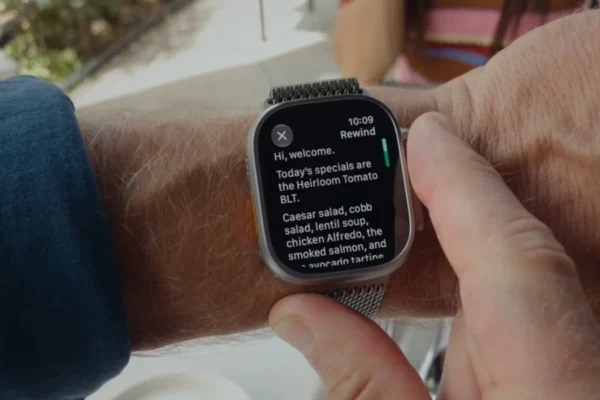
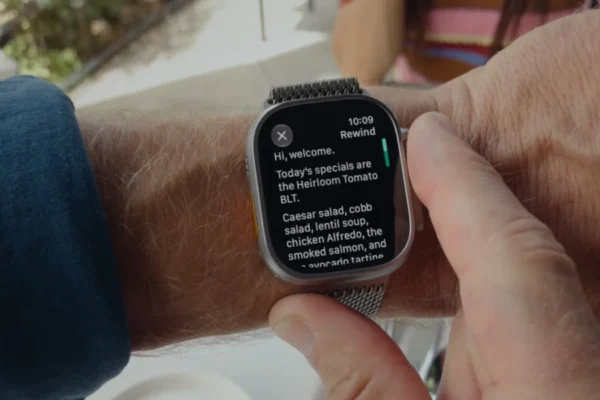
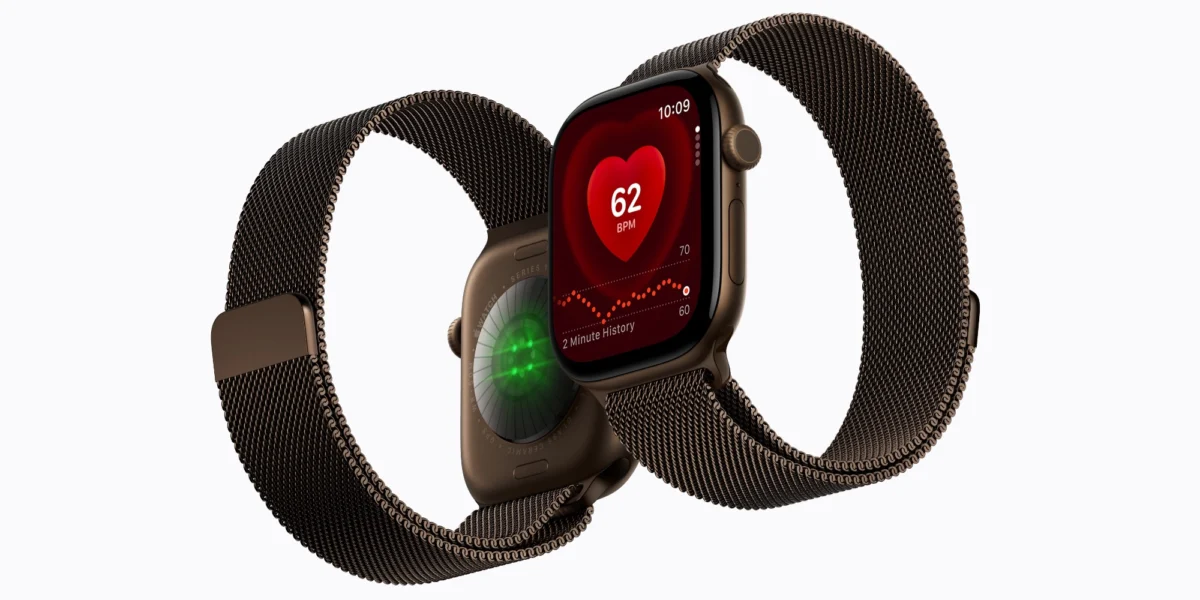
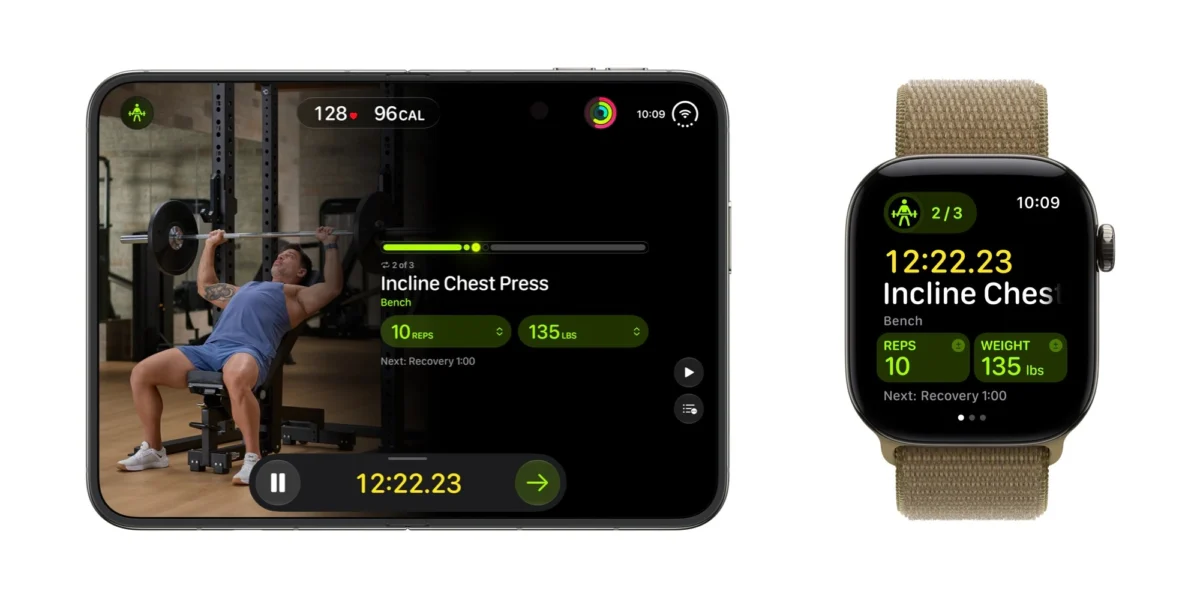
Hardware-wise, the Apple Watch serves as the primary interface. During a session, users can log reps and weights directly from their wrist, which simultaneously tracks real-time metrics such as heart rate, active calories, and total training volume. This integration ensures that the data is automatically synced to the user’s Health app, providing a unified view of their fitness progress over time. The requirement for the latest OS versions (iOS 27.3, iPadOS 27.3, and watchOS 27.3) suggests that the feature relies heavily on the latest sensor fusion and processing capabilities of newer devices.
Industry Context and Market Implications
The strength training market is currently saturated with specialized apps, such as Strong, Hevy, and JuggernautAI. Apple’s entry brings the advantage of ecosystem lock-in. By bundling this capability into the existing $9.99 monthly Fitness+ subscription—or the $39.95 Apple One Premier bundle—Apple is providing a high-value proposition that may disrupt independent fitness app developers.
Data from the International Health, Racquet & Sportsclub Association (IHRSA) indicates that strength training remains the fastest-growing sector of the fitness industry, particularly among younger demographics. By catering to both beginners and advanced lifters, Apple is positioning Fitness+ to capture a broader market segment. The focus on "consistent routine building" is a direct response to the high churn rates often seen in fitness apps, where users often struggle to maintain momentum after the initial novelty fades.

From an analytical standpoint, the success of Gym Strength will likely hinge on the accuracy of its progression algorithms. If the software can effectively manage fatigue and load progression without requiring manual oversight, it could become the gold standard for mainstream fitness tracking. However, the reliance on user-inputted data remains a hurdle; if the logging process is perceived as cumbersome, users may default to passive tracking.
Future Outlook and User Accessibility
As the feature remains in its beta phase, user feedback will be instrumental in refining the user interface and the complexity of the workout plans. For now, the minimum requirement of dumbbells makes the service accessible to almost any gym-goer, regardless of whether they frequent a boutique club or a home garage gym.
The broader implication of this launch is clear: Apple is moving toward becoming a holistic health coach rather than just a platform for guided videos. By integrating strength training, cardiovascular monitoring, and AI-driven insights, the company is positioning the Apple Watch and Fitness+ as essential tools for long-term health span optimization.
As of the current release, Fitness+ remains a cornerstone of the Apple One ecosystem. With the ability to share subscriptions among up to six family members, the platform continues to emphasize value-based access. For existing subscribers, the addition of Gym Strength provides a significant upgrade at no additional cost, likely incentivizing further adoption of the Apple Watch as a dedicated training tool. As the beta period progresses, industry analysts will be watching closely to see if Apple integrates social features—such as peer-to-peer leaderboard or shared workout plans—which could further solidify its position in the competitive fitness landscape.