






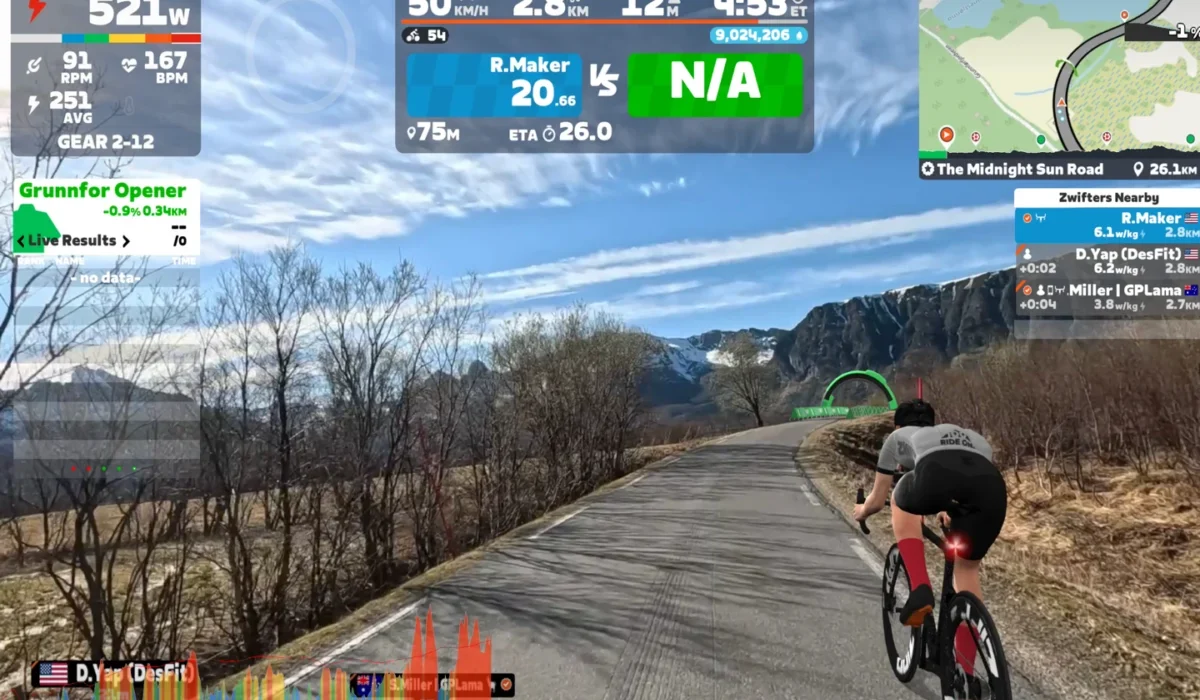
Indoor cycling platform Zwift has officially unveiled its new premium subscription tier, Zwift Plus, introducing a dual-component service that merges
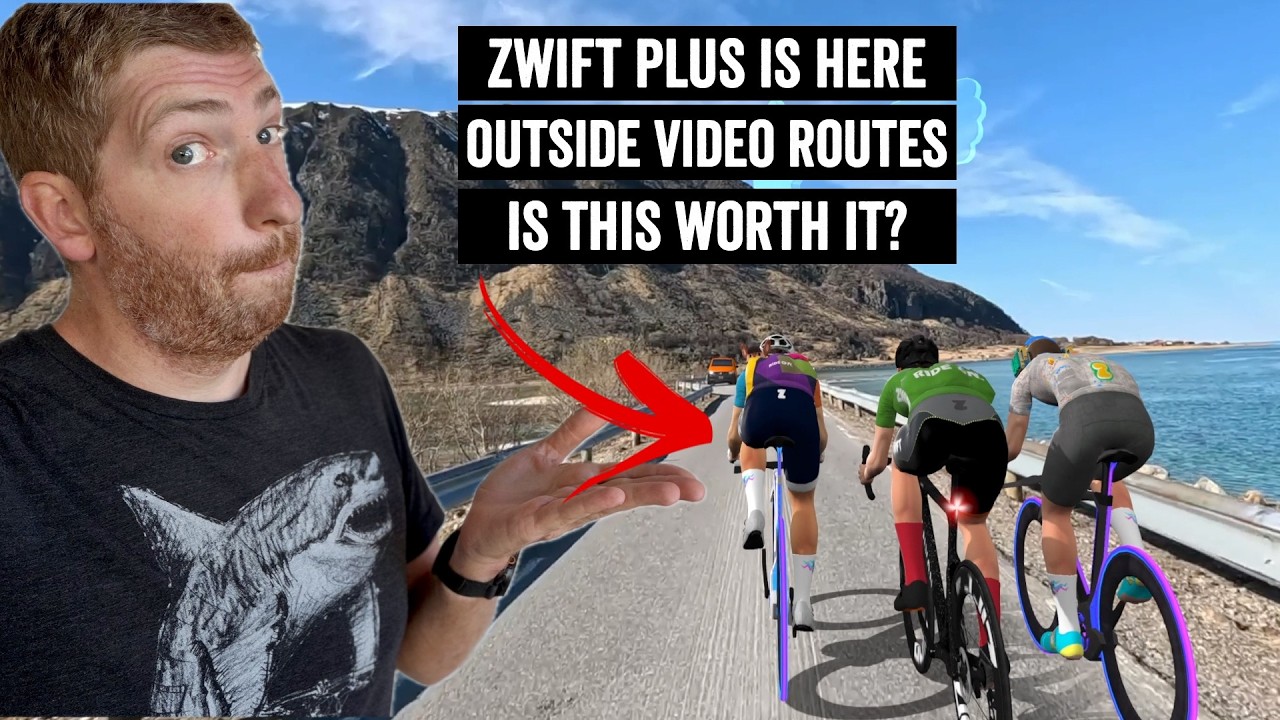
high-definition real-world video routes with an adaptive training ecosystem. Priced at $29.99, €29.99, or £26.99 per month—up from the standard $19 monthly rate—or $299 annually, the new tier arrives roughly six months after Zwift’s corporate acquisition of competitor Rouvy. Despite the timing, company representatives maintain that the newly launched video features were developed independently and prior to the buyout, resulting in a distinct product offering rather than a direct integration of Rouvy’s existing infrastructure.
The debut of Zwift Plus reflects a broader strategic shift within the virtual training market. While the standard Zwift experience remains intact and continues to receive regular software expansions, the Plus tier targets users seeking a blend of photorealistic outdoor scenery and intelligent, flexible workout planning. Industry analysts note that this move positions Zwift to capture a segment of the market previously dominated by platforms specializing in real-world video footage, such as Rouvy and FulGaz, while attempting to retain the social density and gamified elements that have long defined the Zwift ecosystem.
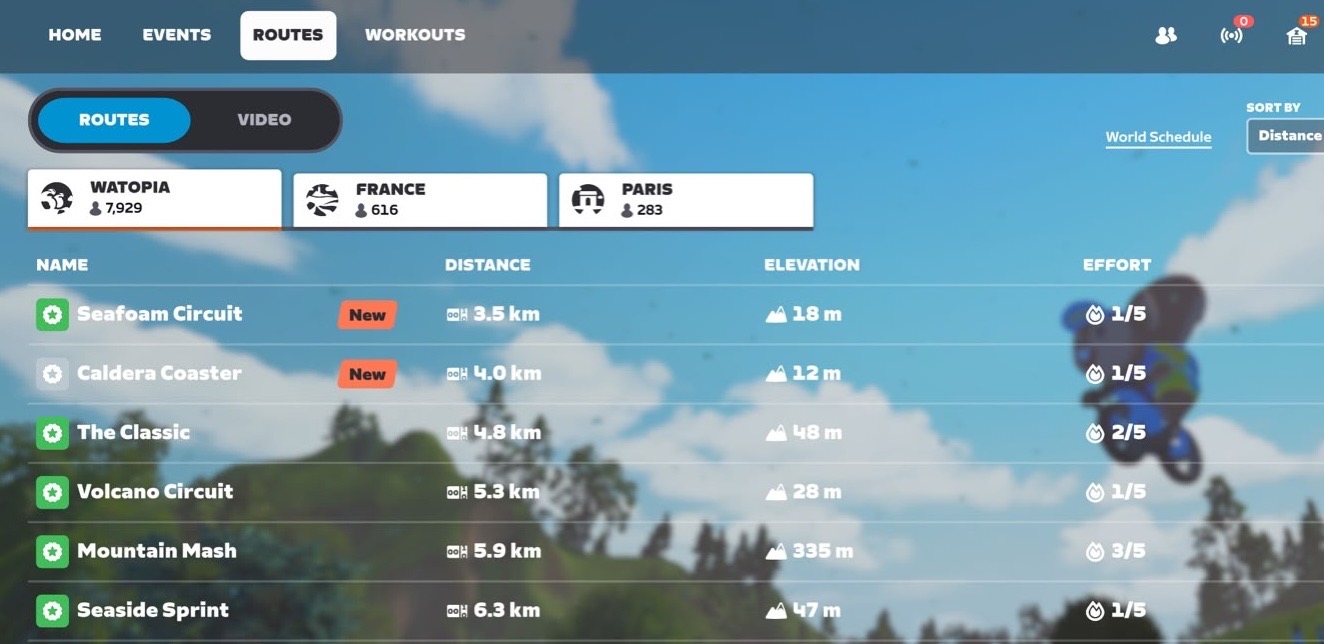
Overview of Zwift Video Routes
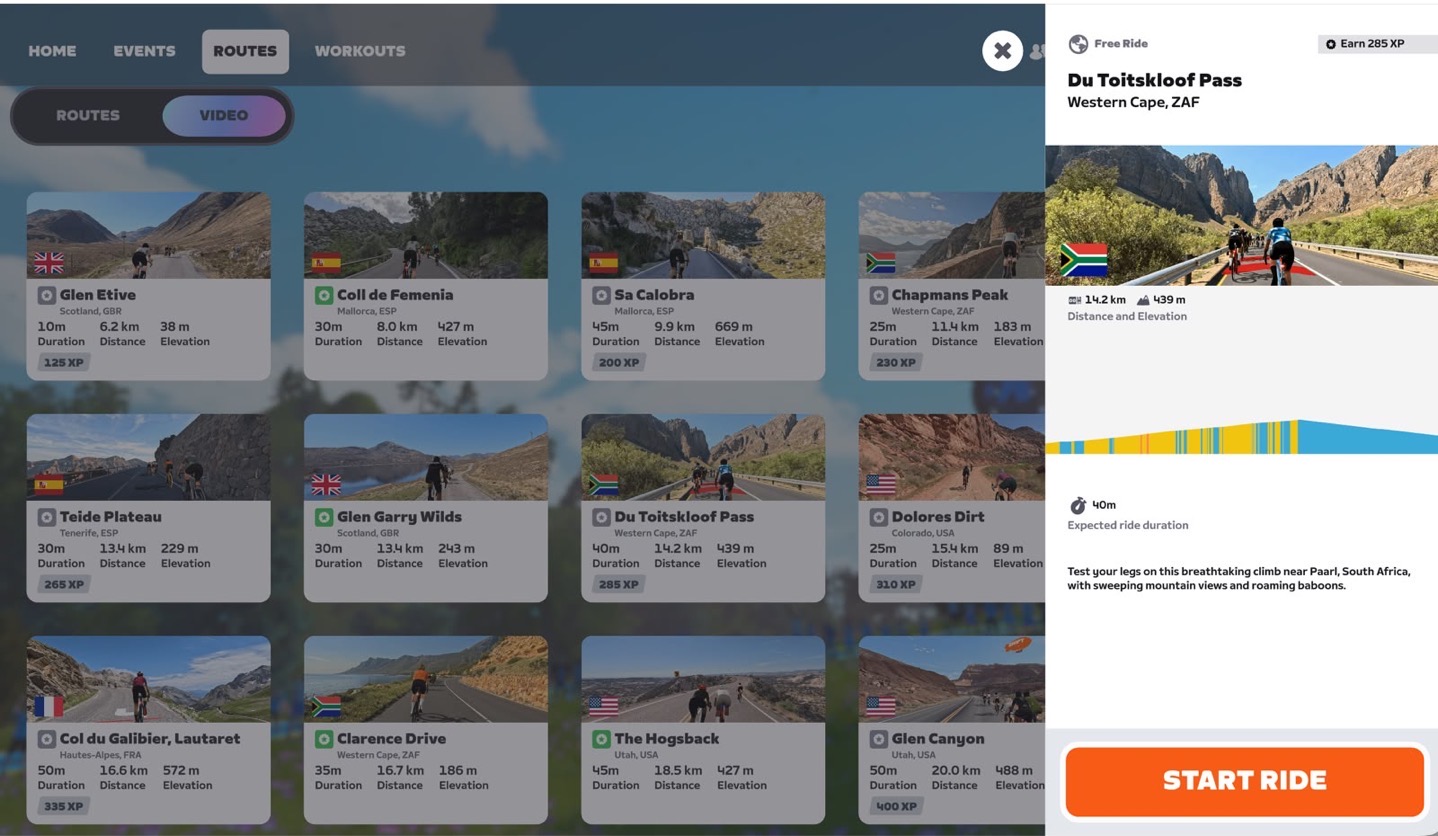
At launch, Zwift Video Routes offers a curated library of 21 distinct routes spanning approximately 385 kilometers across Europe, the United States, and South Africa. Unlike platforms that prioritize massive route quantities with varying production values, Zwift has opted for a strict curation model focusing on iconic cycling locations. Company officials state that the goal is to expand this library to 100 routes within the first year, releasing between five and ten new routes monthly.
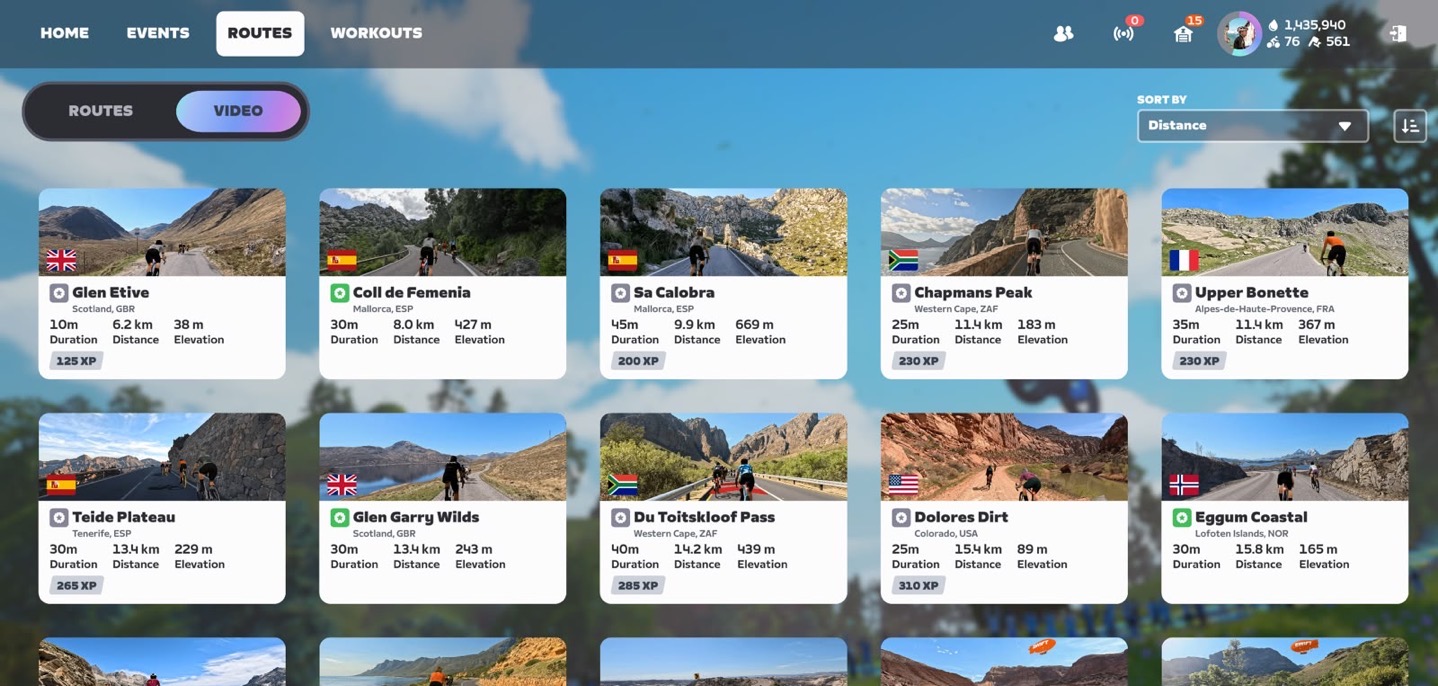
The technical execution of these video routes involves proprietary filming methods. Rather than utilizing specialized commercial camera vehicles, Zwift’s media production teams deployed rental vehicles equipped with heavy-duty suction cup mounts holding dual GoPro Hero 13 Black cameras. The footage is captured continuously in 4K resolution at 120 frames per second using a wide profile. According to technical documentation provided by the company, vehicles maintained speeds that approximated realistic cyclist pacing based on route gradients, avoiding artificial acceleration on climbs. Multiple takes—up to five in the case of the Sa Calobra climb in Mallorca—were routinely filmed to secure continuous footage free of unexpected traffic, livestock, or road obstructions.
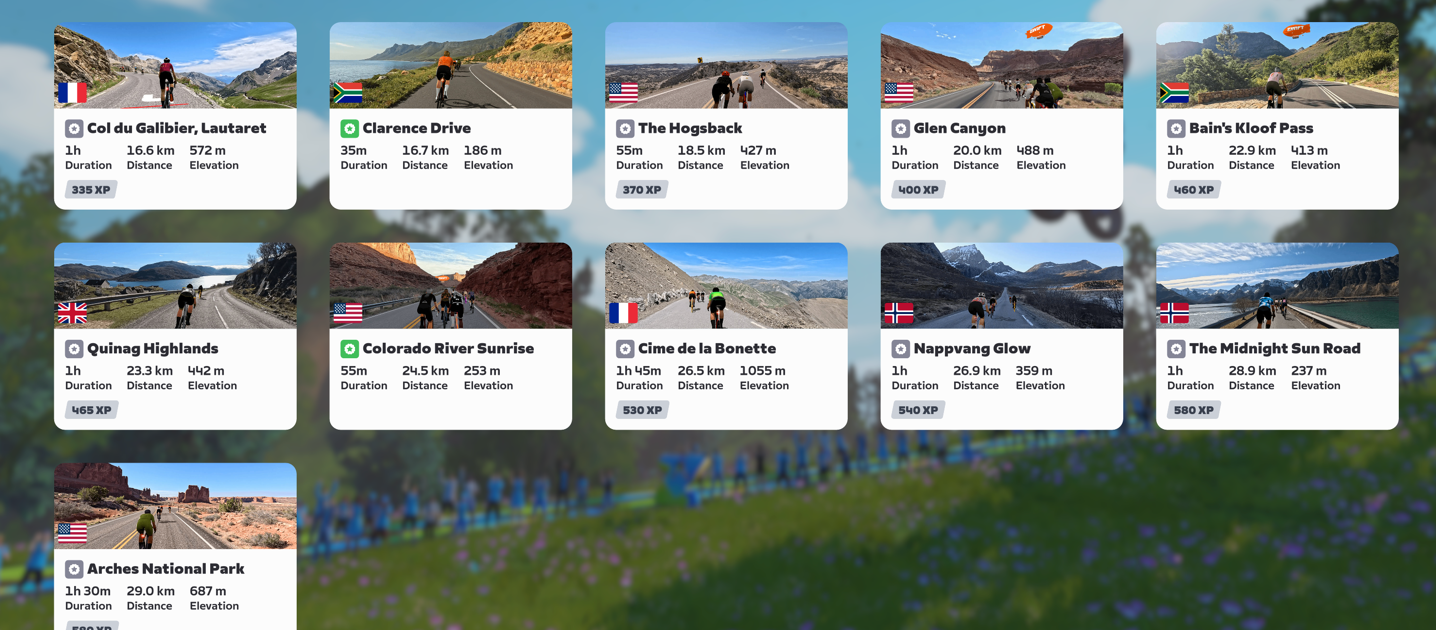
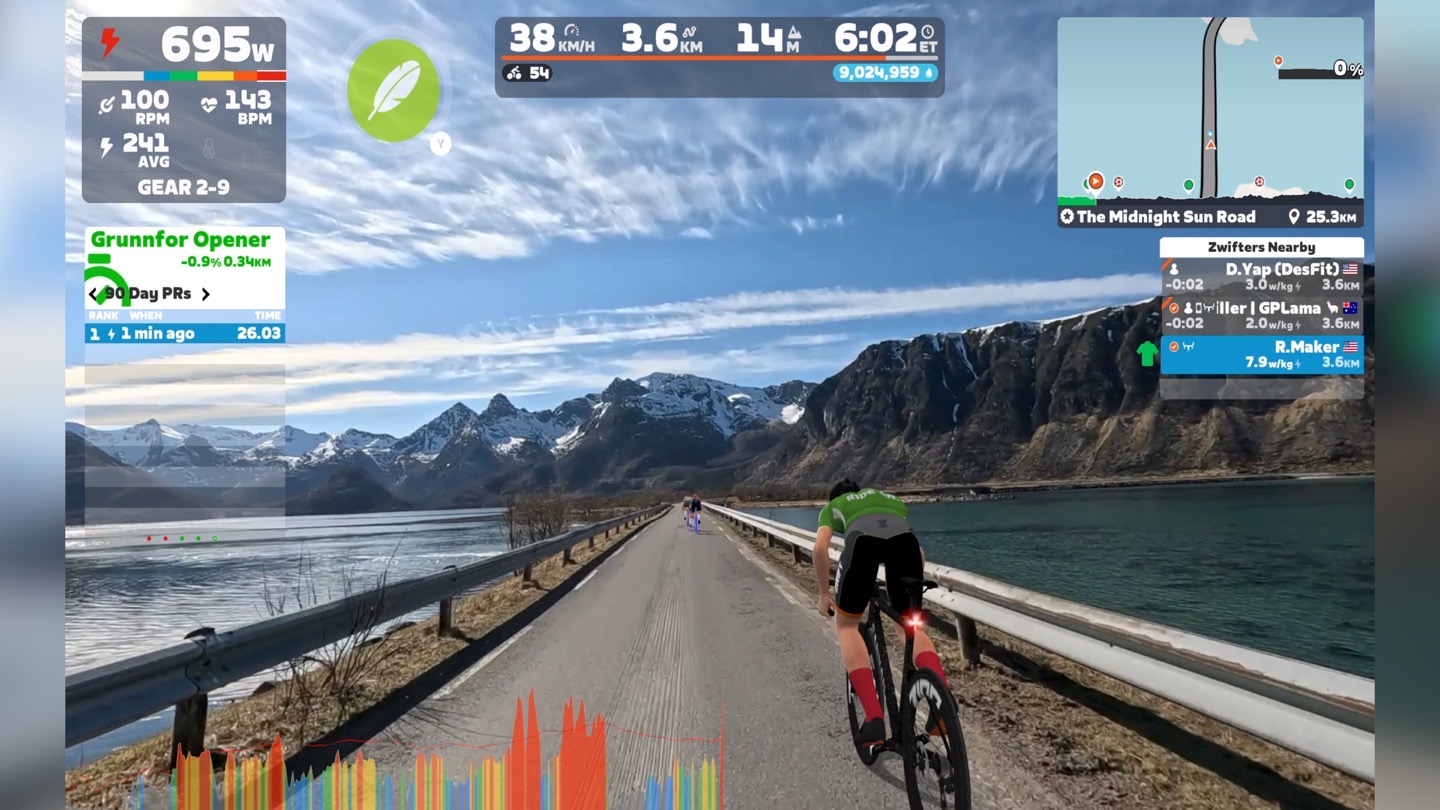
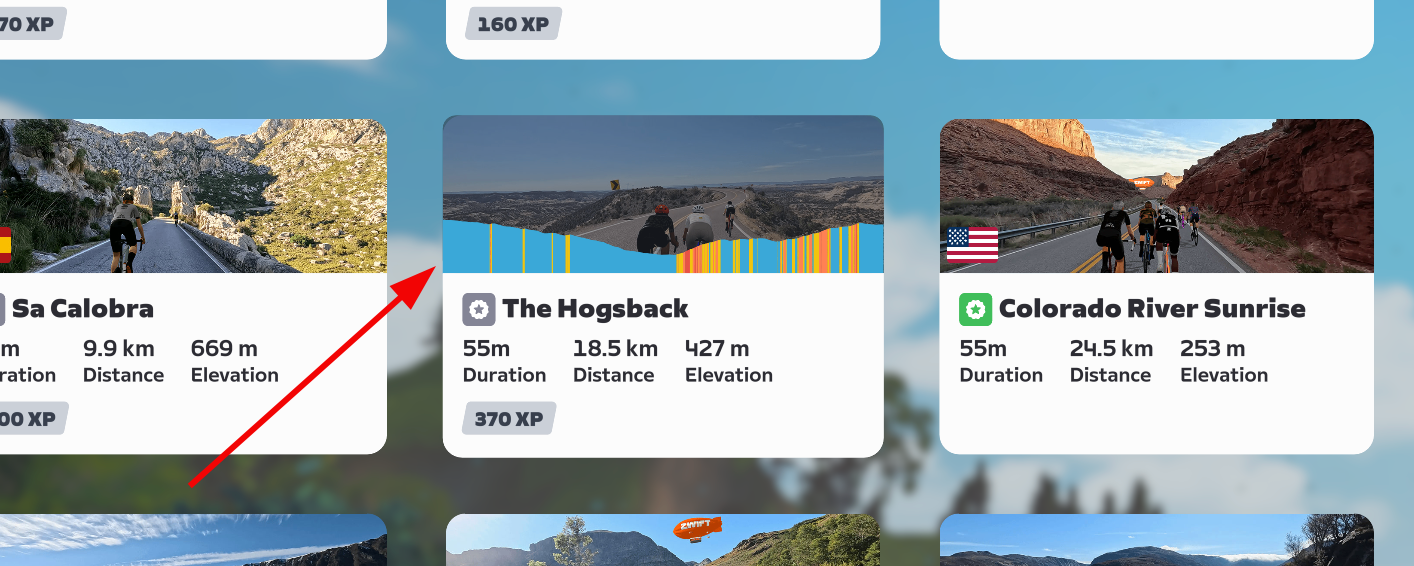
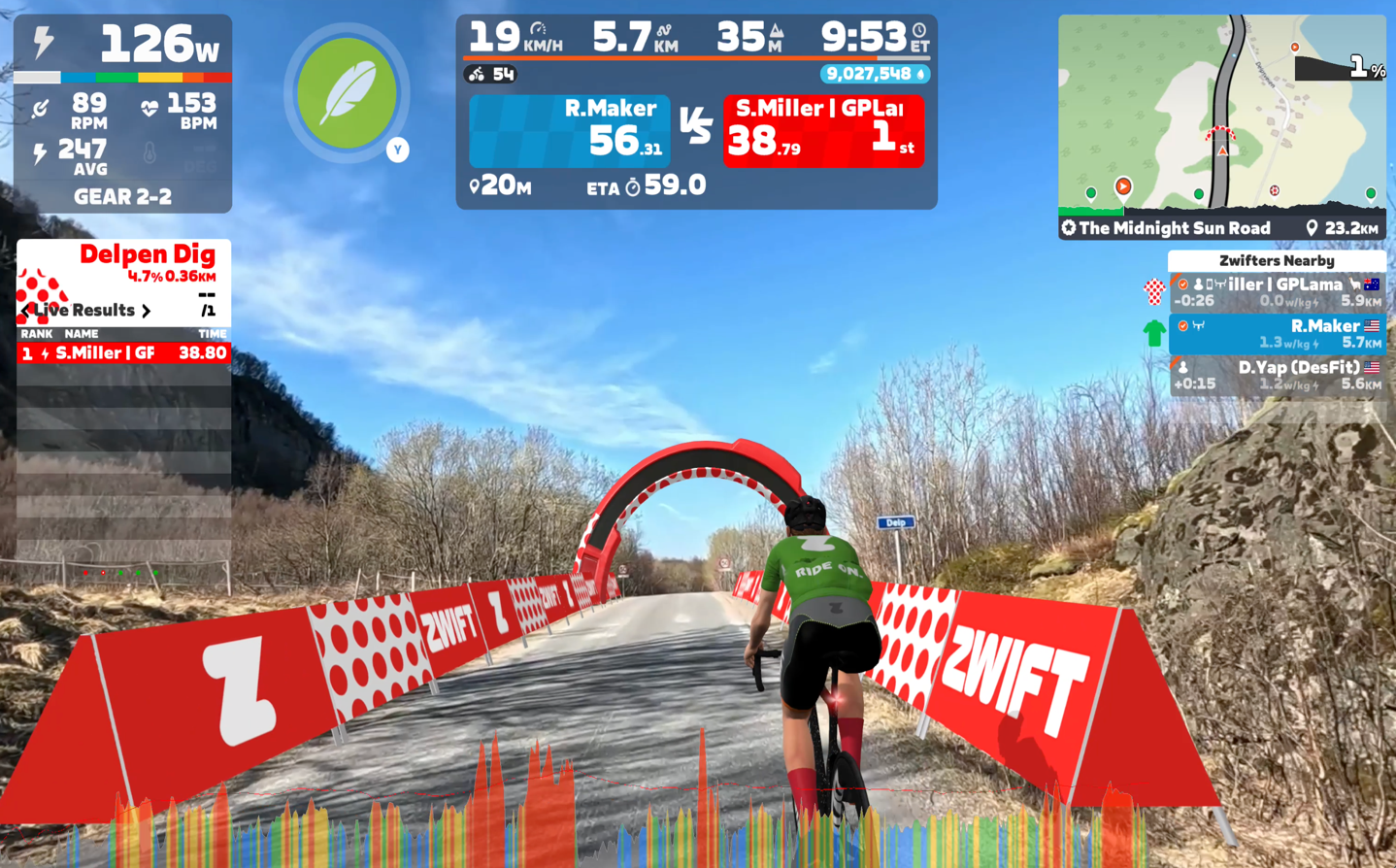
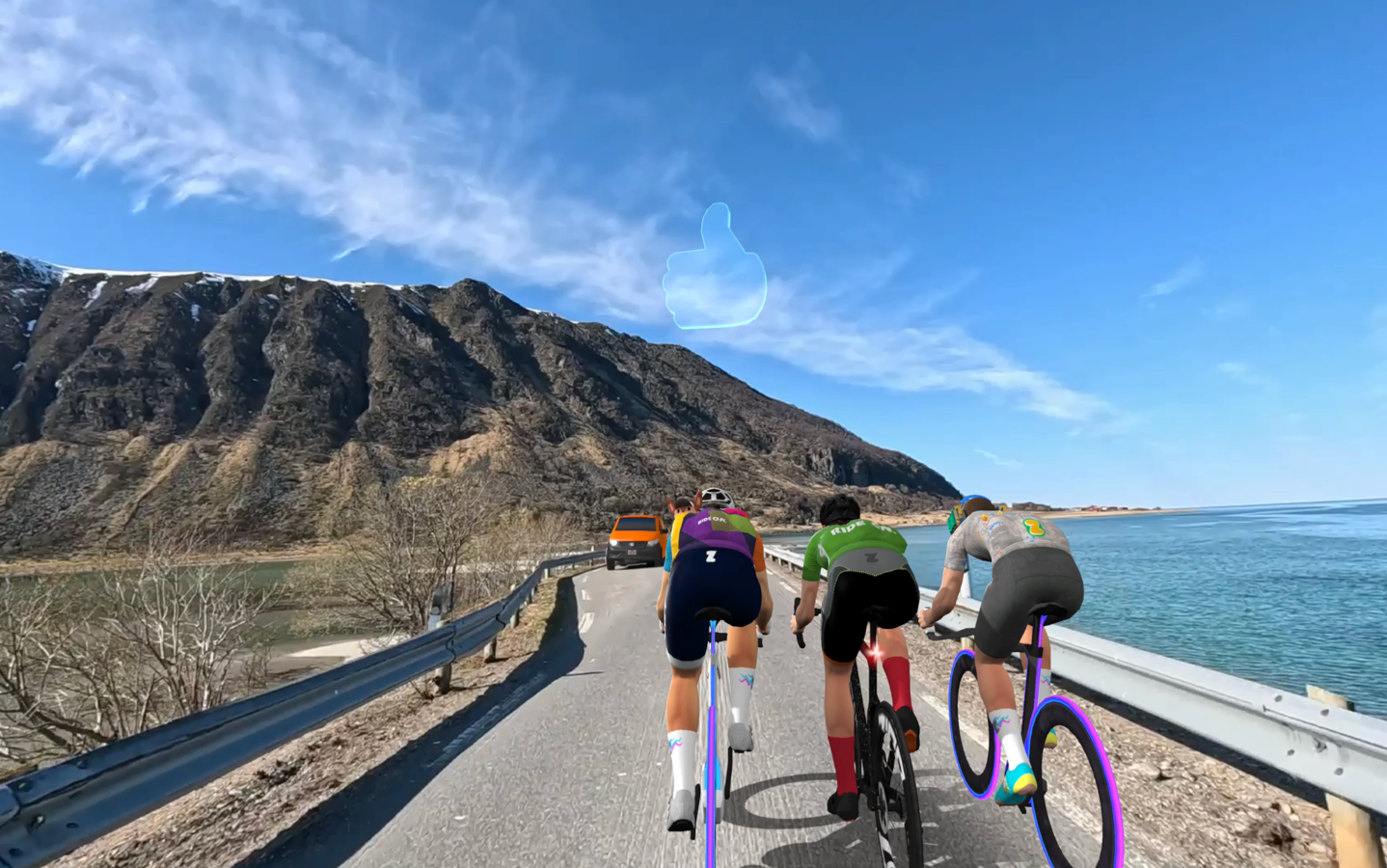
Despite utilizing real-world video, the platform overlays signature Zwift elements to maintain continuity with the broader game environment. Users encounter augmented reality features such as sprint and King of the Mountains (KOM) finish banners, virtual rider shadows, on-road distance markers, and simulated support vehicles. These virtual elements are integrated to mask minor road imperfections or temporary construction zones, creating a seamless visual experience. However, early user feedback highlights minor ergonomic quirks, such as the camera angle mimicking a cyclist’s head height, which results in persistent close-up views of other riders’ avatars during group rides.
Integration of Zwift Coach
The second major pillar of the Zwift Plus tier is Zwift Coach, an adaptive training system designed to dynamically adjust an athlete’s schedule based on completion rates and external workloads. Departing from purely generative artificial intelligence models, the coaching system incorporates algorithmic modeling derived from training load methodologies, drawing on expertise from the creators of BestBikeSplit.
Upon subscribing, users complete an onboarding questionnaire detailing their fitness background, availability, and specific event goals. The system then generates a customized schedule that incorporates structured workouts, traditional free rides, video routes, and participation in specific Pacer Groups. A key differentiator of Zwift Coach is its responsiveness: if a user deviates from the plan—such as completing an unprescribed group ride or taking an unscheduled rest day—the algorithm dynamically recalibrates future training loads to optimize recovery and progression.
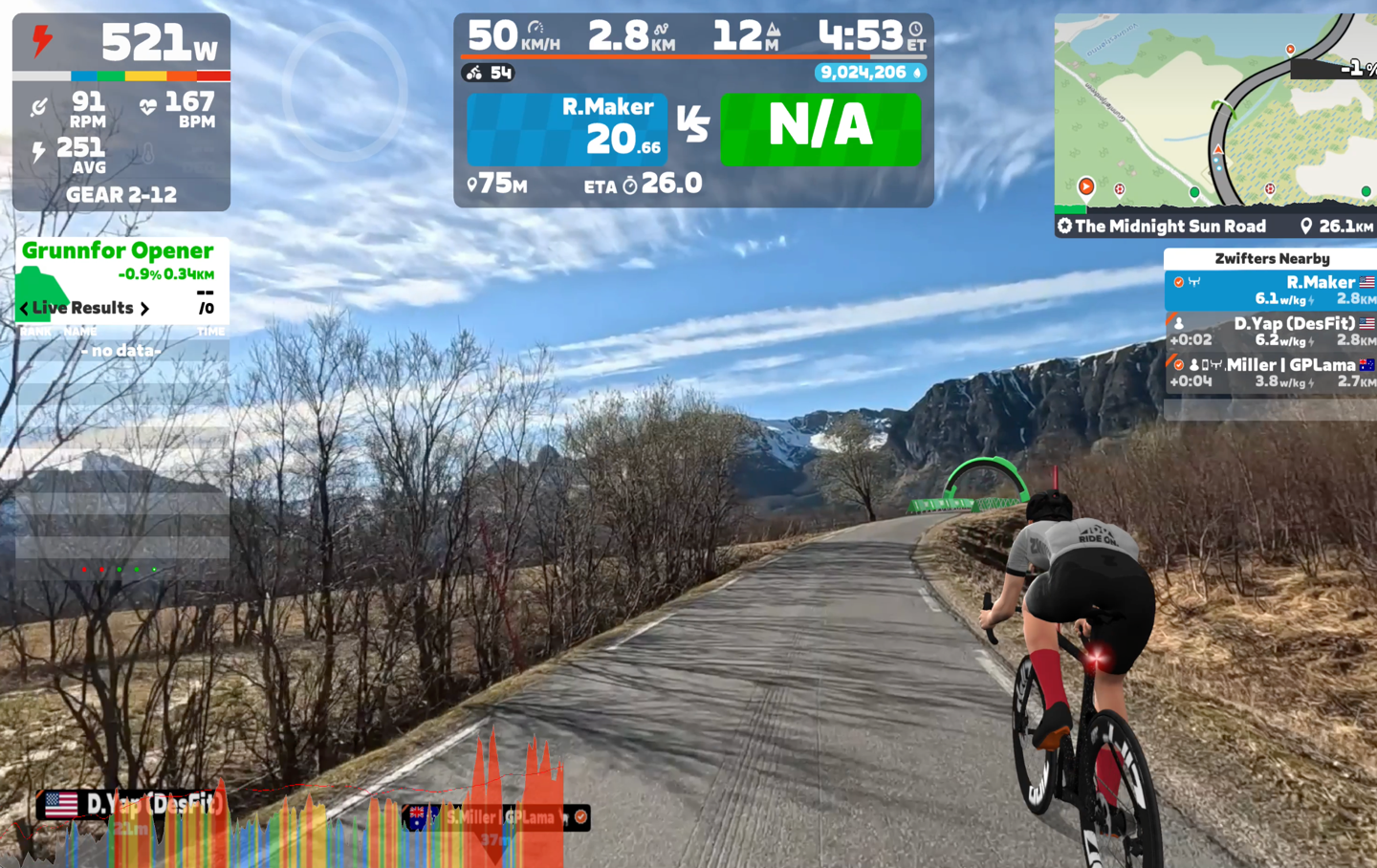
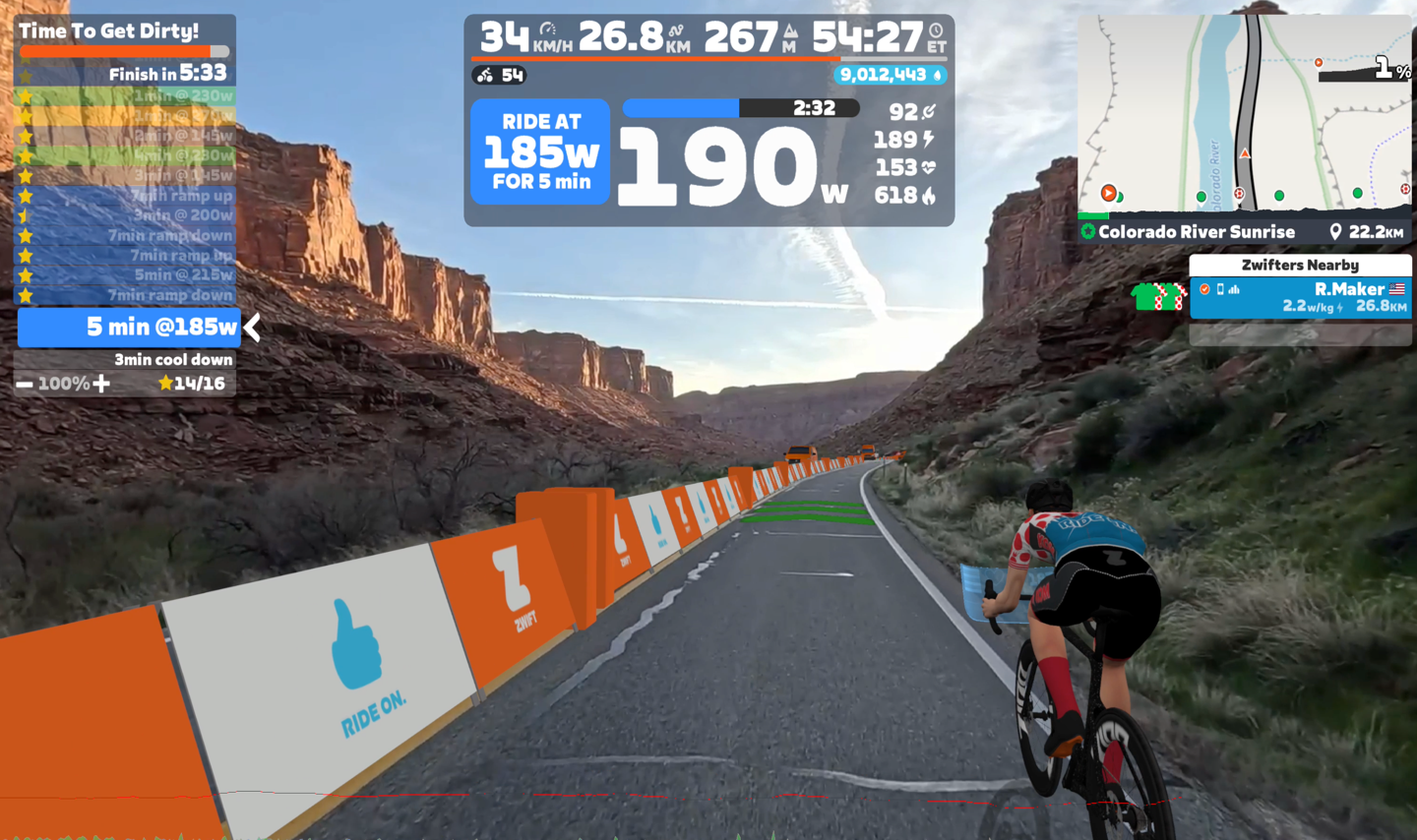
The integration allows athletes to execute prescribed structured workouts while utilizing the new video routes as a visual backdrop, bridging the gap between targeted interval training and scenic virtual exploration. Post-workout analytics and qualitative feedback are delivered directly through the Zwift Companion app, providing immediate context on adherence and physiological stress.
Market Implications and Competitive Landscape
The introduction of Zwift Plus marks a significant escalation in the competition among indoor cycling software providers. By entering the real-world video route space, Zwift directly challenges established players like Rouvy, which boasts a library exceeding 6,000 routes, including specialized race and Ironman courses.
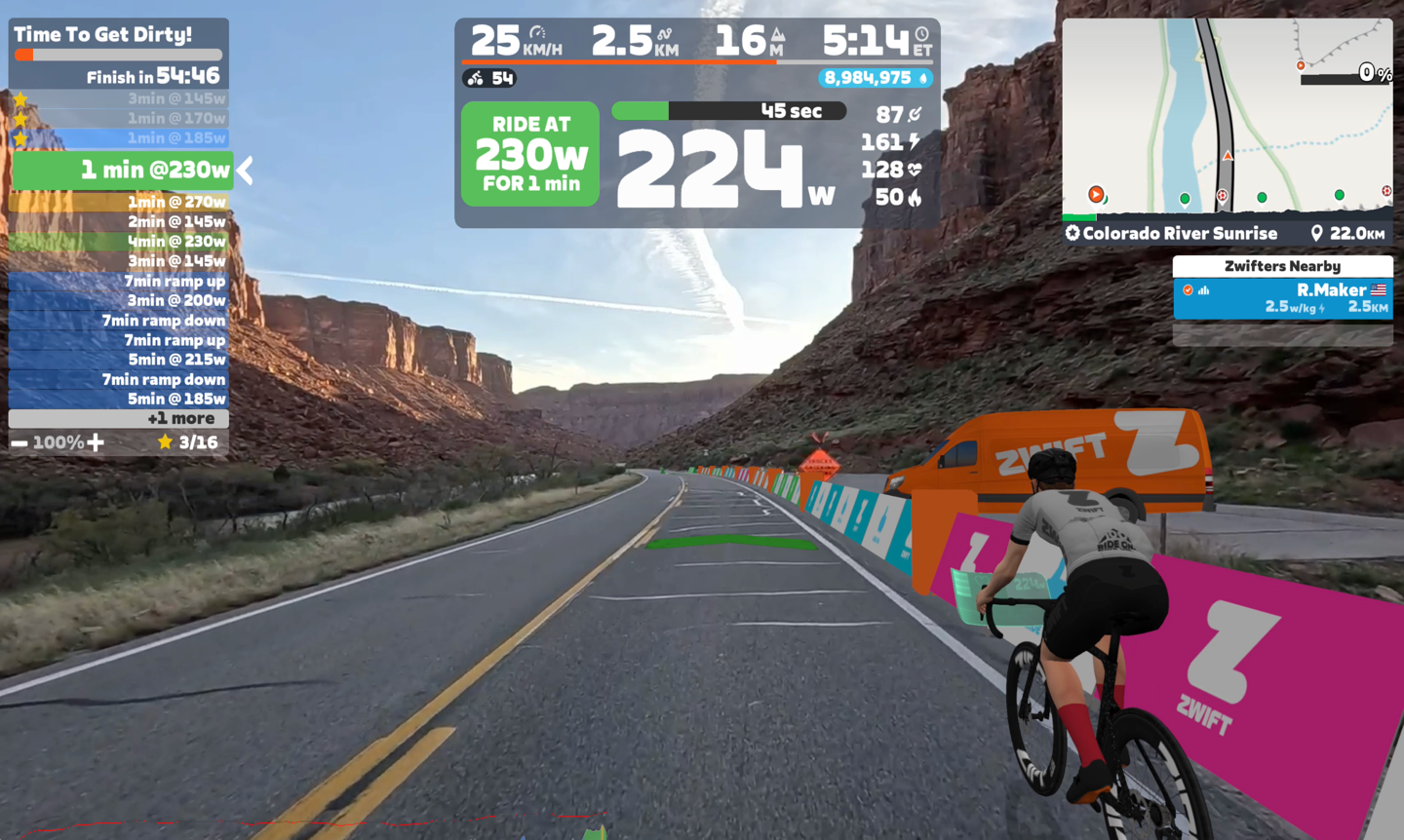
While Rouvy maintains a massive advantage in sheer volume and route variety, Zwift’s emphasis on high-resolution production standards, color grading, and continuous single-take filming establishes a distinct quality benchmark. Industry observers suggest that Zwift’s willingness to invest heavily in proprietary media production could compel other market participants to upgrade their own video capture standards.
However, the $10 monthly price premium introduces financial considerations for consumers in an increasingly crowded subscription landscape. Observers point out that while the combination of adaptive coaching and curated video routes provides a comprehensive package for dedicated enthusiasts, casual users may find the standard tier sufficient for their needs.
As Zwift continues to roll out updates—including planned support for organized video route meetups and group events—the long-term market impact will depend on the platform’s ability to scale its route library while maintaining technical stability across varied internet bandwidths. For now, Zwift Plus represents a calculated expansion, offering a hybrid training model that attempts to harmonize indoor virtual gaming with the realities of outdoor cycling geography.