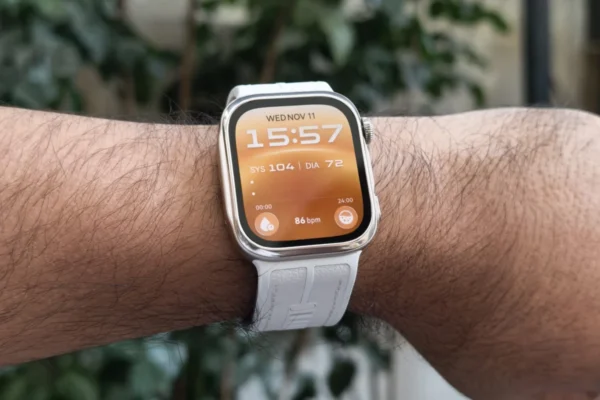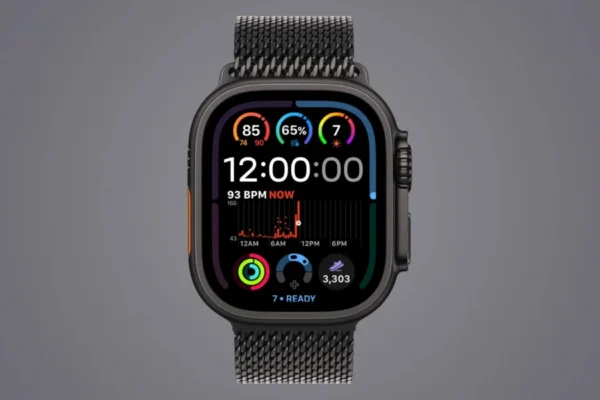







Apple has officially confirmed that watchOS 27.3 will roll out to the global user base next month, marking a significant milestone in the integration of generative artificial intelligence into wearable technology. This software update introduces a suite of features designed to enhance productivity, accessibility, and user convenience, primarily leveraging the advanced onboard processing power found in the latest Apple Watch Series 12 and Apple Watch Ultra 4 hardware. As the wearable ecosystem moves toward more autonomous, context-aware computing, these updates represent Apple’s continued strategy to shift the device from a passive notification hub to an active personal assistant.
A Chronology of the watchOS 27 Development Cycle
The path to watchOS 27.3 began in June 2026, when Apple first unveiled the architectural foundations of its latest operating system during the Worldwide Developers Conference (WWDC). Throughout the summer, developers and early testers analyzed the platform’s shift toward "Audio Intelligence" and expanded Siri functionality. By September, Apple provided initial demonstrations of features like Live Rewind and Siri Recap, which were designed to test the limits of what a wrist-worn device could process locally regarding privacy-sensitive audio data.

The beta testing phase, which commenced in October 2026, allowed for a refined calibration of the machine learning models required to support these new features. With the final release scheduled for December, Apple is signaling that it has successfully optimized these complex algorithms to operate without significant impact on the daily battery life of the Series 12 and Ultra 4 models. This timeline reflects Apple’s traditional "tick-tock" cycle of software deployment, where major system overhauls are followed by iterative, feature-rich maintenance updates that capitalize on the hardware introduced earlier in the fall.
Enhanced Siri AI: Linguistic Expansion and App Integration
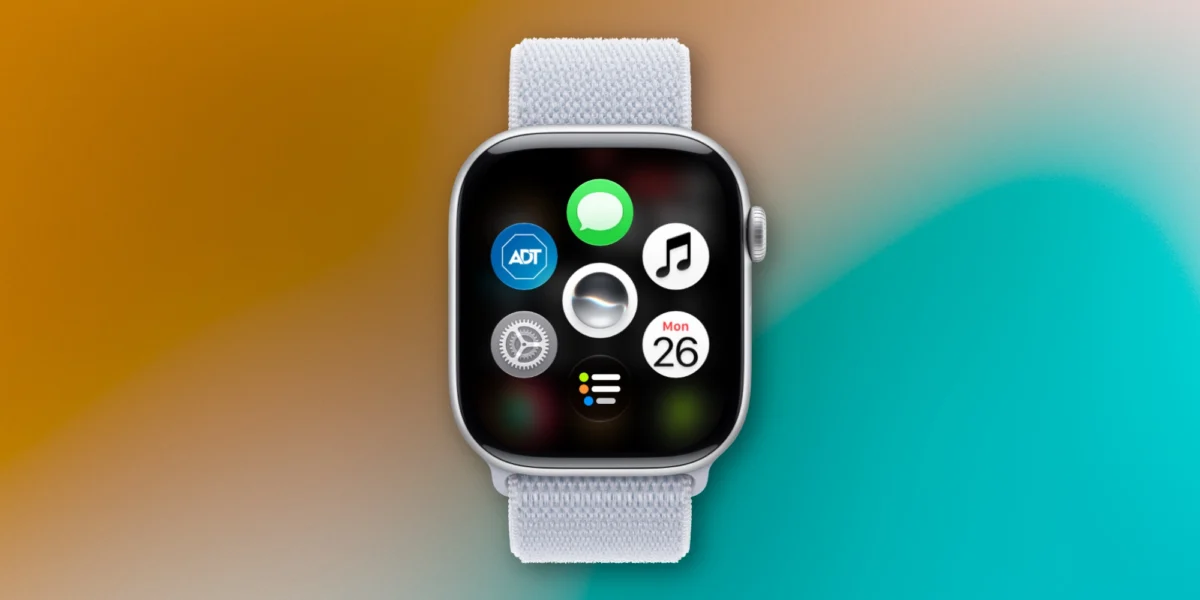
Central to the watchOS 27.3 update is the significant maturation of Siri AI. For years, Siri has been criticized for limited cross-app functionality on watchOS, often requiring users to defer to their iPhones for complex tasks. The new update fundamentally alters this dynamic by enabling deep-link app actions across the core Apple software suite.
Users will now be able to execute specific, multi-step commands within Calendar, Mail, Maps, Messages, Music, Notes, Photos, and Weather. For example, rather than simply checking a forecast, a user can command the watch to "add a note about the current weather and send it to my spouse via Messages." This integration represents a shift toward "agentic" AI, where the system is capable of performing tasks on behalf of the user rather than merely retrieving information.

Furthermore, Apple is continuing its aggressive localization strategy. The addition of four new languages—Chinese (Traditional), Norwegian, Turkish, and Vietnamese—underscores the company’s intent to maintain dominance in diverse global markets. Data suggests that localization is a critical lever for adoption in the Nordic and Southeast Asian regions, where Siri’s previous limitations had created a barrier to entry for non-English speakers.
Audio Intelligence: The Advent of Live Rewind
Perhaps the most controversial and innovative addition in watchOS 27.3 is "Live Rewind." This feature utilizes the watch’s microphone array to record and process short-term audio buffers. By double-pressing the Digital Crown, users can trigger a 15-second "look back" at the previous audio stream, which the watch transcribes into a text snippet displayed on the screen.
From a technical standpoint, this feature requires a delicate balance between local processing and privacy. Apple has stated that all audio processing for Live Rewind is performed locally on the Neural Engine of the S12 and Ultra 4 chips, ensuring that no audio data is transmitted to cloud servers. This is a direct response to the privacy concerns raised by consumer advocacy groups when the feature was first rumored in late 2026.
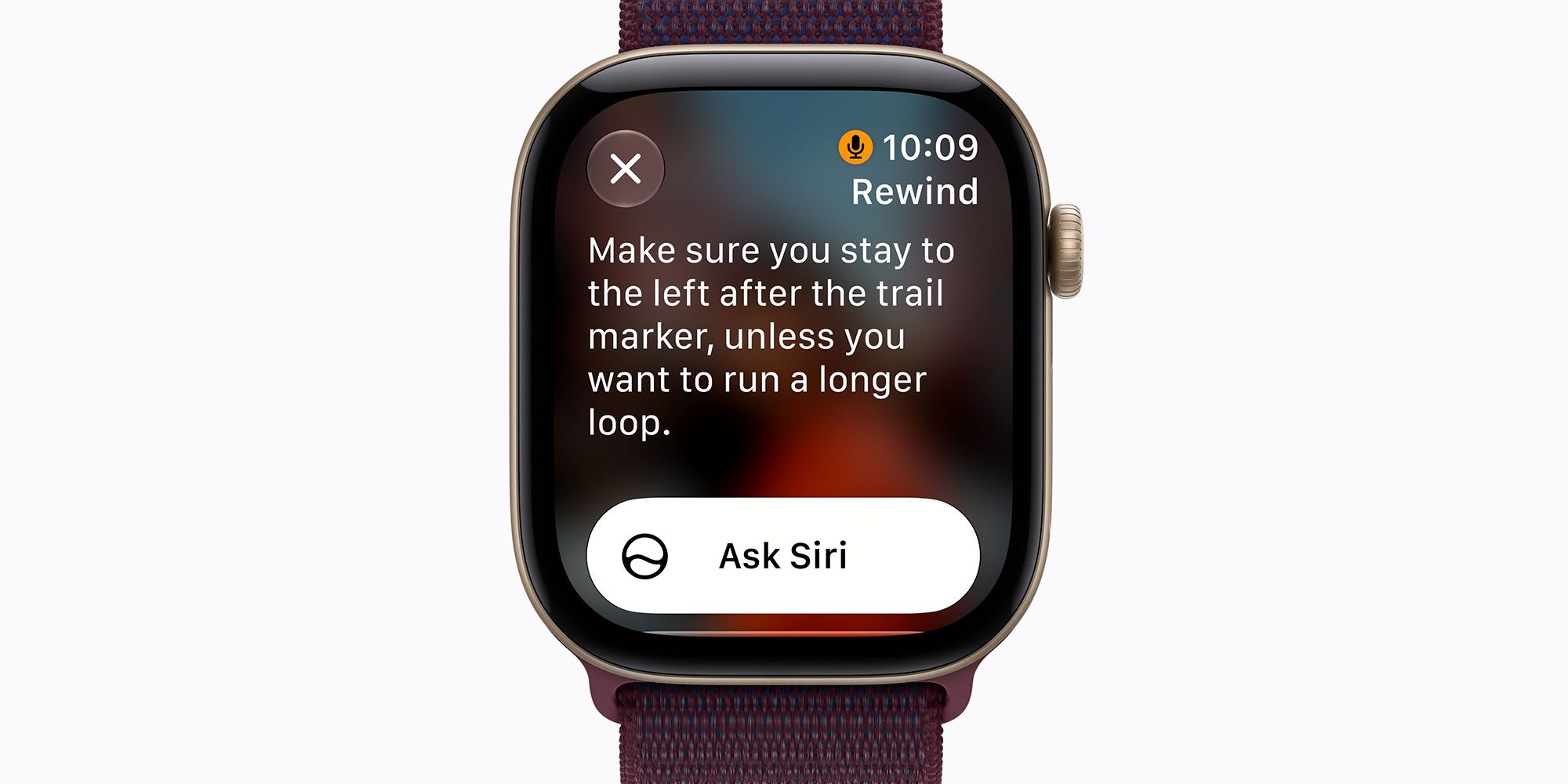
Market analysts view Live Rewind as a tool with significant potential in professional settings, such as during board meetings, lectures, or medical consultations. While the initial demonstration focused on mundane scenarios—such as recalling a server’s menu description—the utility of being able to instantly capture and transcribe a fleeting verbal instruction or piece of information has a wide range of practical applications. However, legal experts have noted that the use of such recording features may eventually necessitate new legal precedents regarding "expectation of privacy" in public or semi-public spaces, a topic that regulators in the European Union and North America are currently monitoring.
Contextual Memory: The Siri Recap Feature
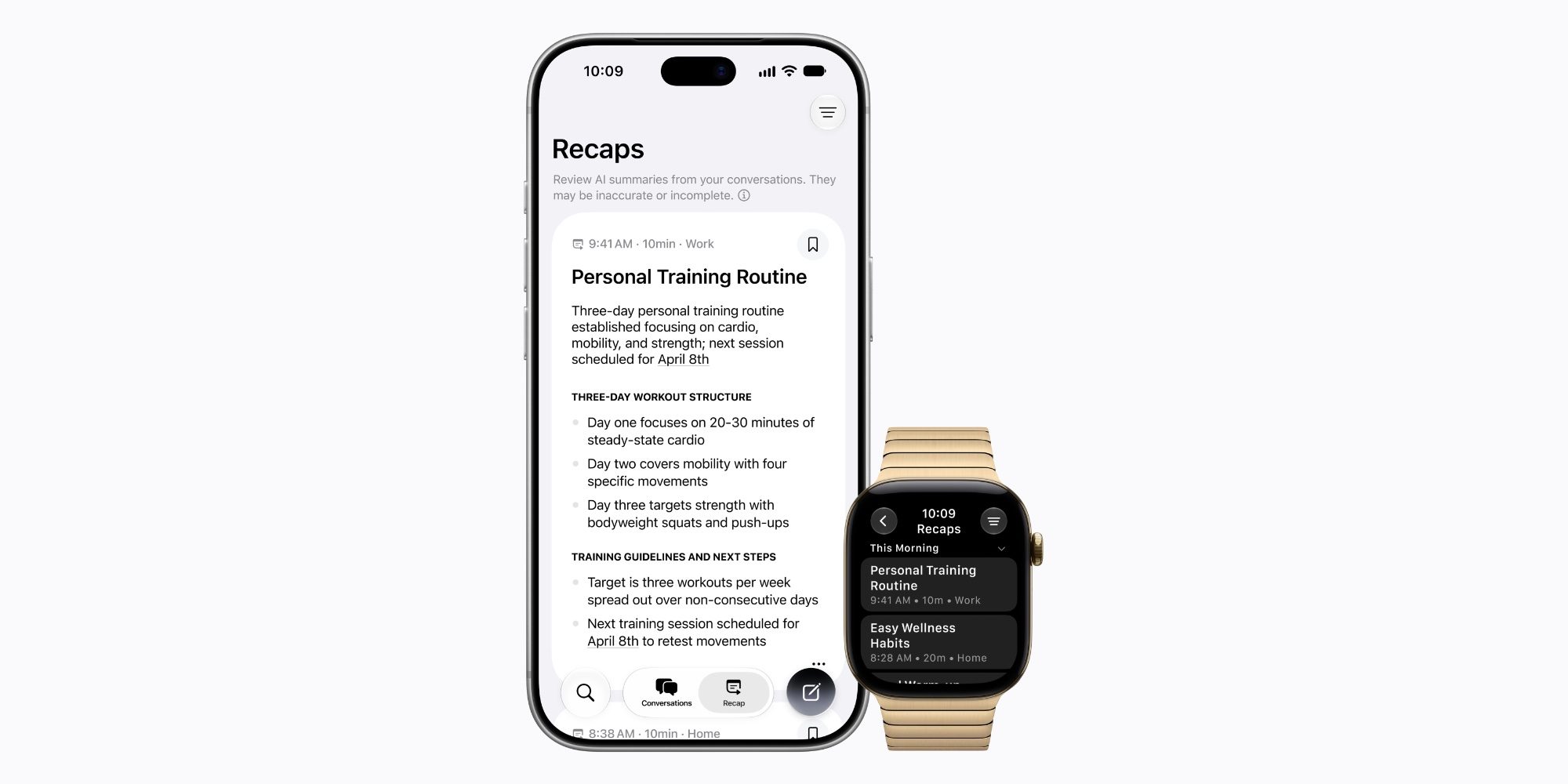
Complementing the real-time functionality of Live Rewind is the new Siri Recap feature. This system provides a retrospective view of the user’s day, logging key interactions and contextual data points. Designed specifically for the high-performance processors of the Series 12 and Ultra 4, Siri Recap acts as a personal digital diary, synthesizing data from various apps to provide a summary of the user’s activities, messages, and notable events.
For privacy-conscious users, the system includes built-in safeguards: the logs are stored locally, are off by default, and are subject to a strict seven-day auto-deletion policy. By limiting the retention period, Apple aims to mitigate the risk of a "data treasure trove" being accessed if the device were ever lost or compromised. This approach serves as a case study in modern privacy engineering—offering high-utility features while minimizing the long-term data footprint on the device.
Broader Implications for the Wearable Industry
The introduction of these features in watchOS 27.3 marks a critical juncture for the wearable industry. As smartphones reach a state of feature saturation, the focus has shifted toward "ambient computing." By leveraging AI to make the Apple Watch more capable of understanding and interacting with the user’s environment, Apple is attempting to solidify the device as the primary interface for personal computing.
The industry impact is twofold. First, it sets a new baseline for competitor products. Manufacturers such as Samsung and Google, who are currently developing their own AI-integrated wearables, will likely face increased pressure to match the depth of app integration and local processing capabilities demonstrated by Apple. Second, it raises questions about the "cognitive load" of technology. As watches become more proactive, the challenge for developers will be to provide information that is helpful without becoming intrusive.
Looking Ahead
As the launch of watchOS 27.3 approaches, the consumer electronics market remains in a period of rapid transition. The shift from reactive, command-based systems to proactive, intelligence-based systems represents the most significant change in user interface design since the introduction of the touchscreen.

While the technical hurdles have been cleared, the ultimate success of these features will depend on user adoption and the perceived value of the convenience they offer. For power users, the integration of Siri AI and the utility of Live Rewind may justify the cost of upgrading to the Series 12 or Ultra 4. For the general public, the focus will remain on whether these tools enhance daily life or add unnecessary complexity to an already busy digital environment.
Apple’s move to update the software suite in December is also strategically timed to coincide with the post-holiday period, where users often look to optimize their new devices. By providing these updates to existing owners, Apple is also reinforcing its commitment to device longevity, a key selling point that differentiates the Apple Watch from its competitors in the Android ecosystem. Whether these features become essential daily drivers or niche curiosities will be determined in the months following the December release, but the direction of travel is clear: the future of the wearable device is increasingly autonomous, intelligent, and deeply integrated into the fabric of the user’s daily life.