











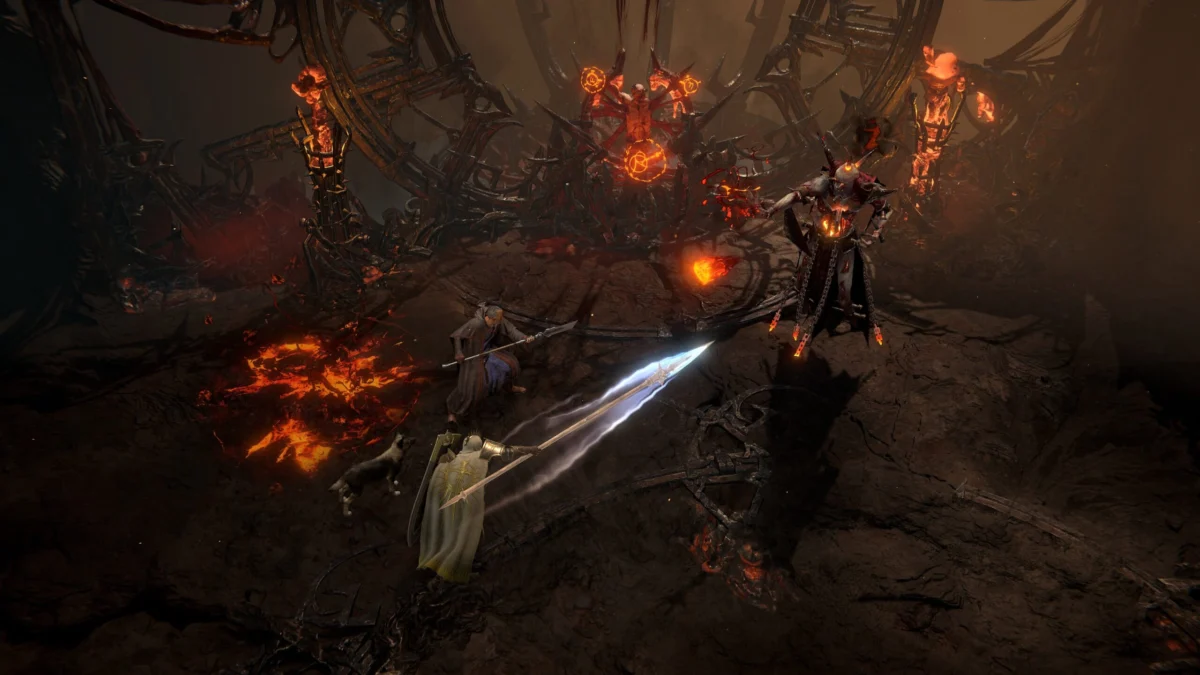
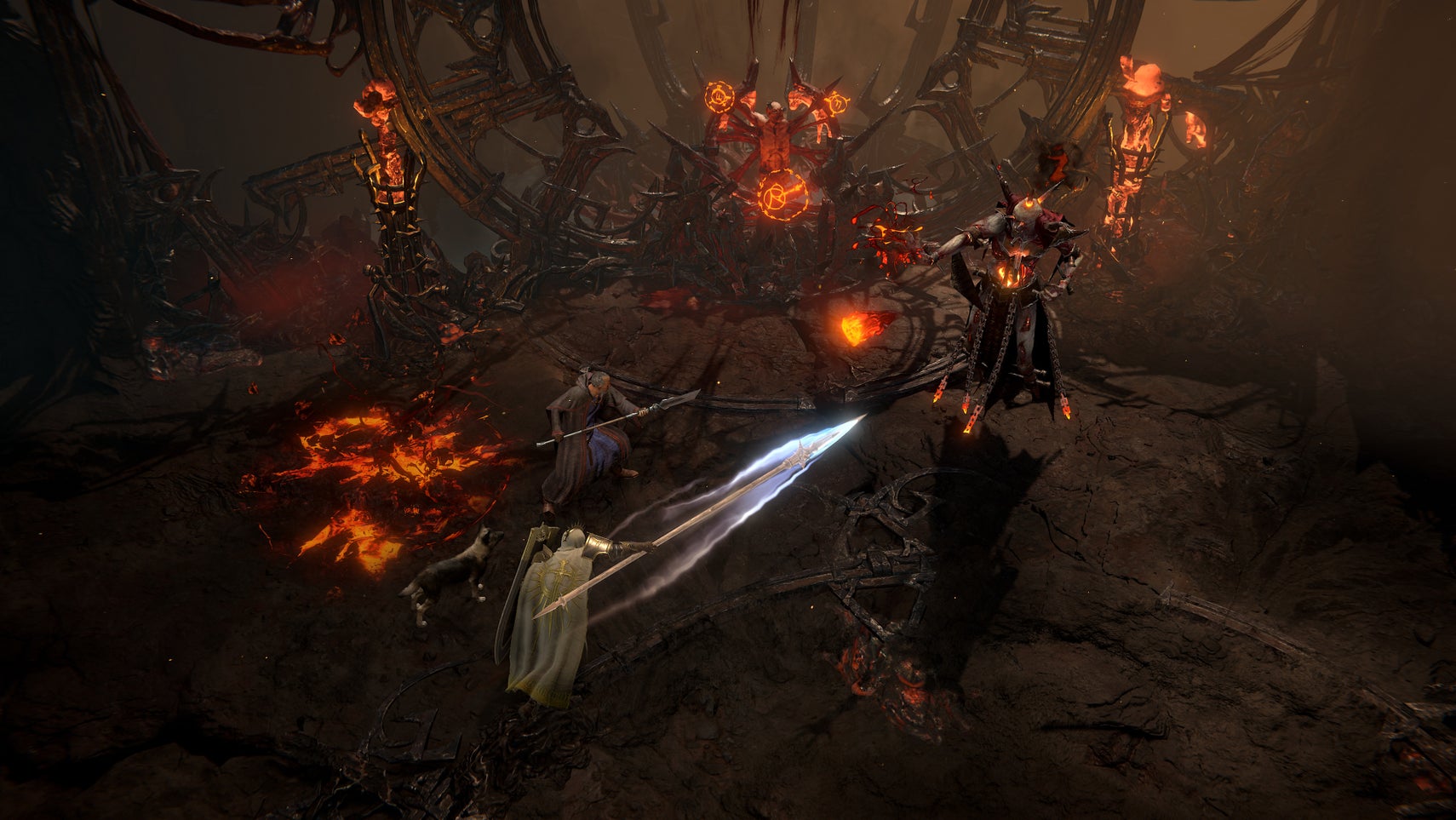
Blizzard Entertainment is preparing for one of the most significant post-launch milestones in the history of Diablo 4 with the impending arrival of the Lord of Hatred expansion. Historically, major content expansions for modern live-service role-playing games fundamentally disrupt and reshape the seasonal cadence established by developers. Blizzard has officially confirmed that the release of the Lord of Hatred will alter the traditional operational flow of Diablo 4, introducing a lighter seasonal experience for players who choose to forego the new expansion while establishing a robust foundation for future updates.
The upcoming thirteenth season of the critically acclaimed action role-playing game has been officially designated as the Season of Reckoning. Scheduled to launch globally alongside the expansion, the Season of Reckoning will be accessible to all players regardless of whether they purchase the Lord of Hatred add-on, maintaining Blizzard’s commitment to keeping core seasonal mechanics free-to-play. However, a deeper examination of the update reveals a notable shift in development focus, which may leave non-purchasing players with a comparatively sparse gameplay experience.
Main Facts and Seasonal Content Adjustments
While the Season of Reckoning will roll out according to Blizzard’s standard release schedule, the overarching scope of the season is substantially leaner than what the community has experienced in previous iterations. Players who opt out of purchasing the Lord of Hatred expansion will notice a distinct reduction in the complex gameplay mechanics, novel seasonal themes, and extensive feature sets that typically define a fresh Diablo 4 update.
Despite the scaled-back seasonal mechanics for non-expansion owners, the fundamental progression systems will remain intact. Participants can still engage with the traditional Season Rank chase, earn Smoldering Ashes, and unlock a variety of cosmetic and functional rewards across each tier. Furthermore, the popular Season Blessings are confirmed to return, offering passive buffs to accelerate character progression. To compensate for the lighter thematic mechanics, Blizzard has incorporated an expanded array of specific goals and objectives designed to keep players engaged throughout the duration of the season.
Progression outside of core gameplay will follow familiar monetization and reward structures. The Season of Reckoning will feature a comprehensive battle pass system divided into four distinct Reliquaries. In line with previous seasons, the first Reliquary will be entirely free to all players, while the subsequent three tiers will require purchase to unlock their premium cosmetic rewards and additional items.
Chronology and Technical Deployment
The rollout of the Lord of Hatred expansion and the Season of Reckoning follows a precise deployment schedule managed across multiple gaming platforms, including PC, PlayStation, and Xbox consoles. Blizzard has already initiated the pre-load phase for the massive update, designated internally as patch 3.0.0.
A critical detail for the player base is that patch 3.0.0 contains all the core data for the Lord of Hatred expansion, regardless of whether a user has pre-ordered or purchased the add-on. This unified distribution model ensures that all clients are synchronized ahead of the official launch window scheduled for April 27 and April 28. By downloading the pre-patch early, players can bypass lengthy queues and substantial download times on launch day. However, developers have noted that a secondary, smaller update—version 3.0.1—will be deployed on the official release day to finalize activation parameters, hotfix minor bugs, and enable final server-side hooks.
Supporting Data and Industry Context
The release of the Lord of Hatred follows a well-established blueprint set by the game’s previous major narrative and mechanical addition, the Vessel of Hatred expansion. When Blizzard introduces expansive regional maps, new classes, and sweeping system overhauls, development resources are frequently concentrated on the premium offering. This dynamic often results in a bifurcated update cycle where the concurrent seasonal theme serves primarily as a narrative bridge rather than a standalone mechanical overhaul.
Industry analysts and veteran players alike anticipated this adjustment, noting that live-service games relying on annual expansions often experience a temporary dip in base-game seasonal complexity. Blizzard has proactively addressed these community expectations, reassuring the player base that subsequent seasons following the Season of Reckoning will return to the classic, content-heavy format that emphasizes seasonal gimmicks and sweeping mechanical refreshes for all users.

Official Responses and Developer Stance
Blizzard’s communication surrounding the Season of Reckoning emphasizes transparency regarding resource allocation and the studio’s long-term vision for Diablo 4. By openly acknowledging that the Season of Reckoning will be lighter on mechanical innovations for non-buyers, the development team aims to manage community expectations while directing attention toward the expansive features included within the Lord of Hatred.
Representatives for the studio have reiterated that future seasonal roadmaps will maintain the high volume of content updates that the community has come to expect since the game’s initial launch. The temporary streamlining of the Season of Reckoning is framed as a necessary accommodation to ensure a seamless integration of the expansion’s major structural additions, which include new character classes, reworked itemization layers, and an extension of the primary storyline.
Broader Impact and Implications for the Player Base
The release of patch 3.0.0 and the subsequent launch of the Season of Reckoning carry significant implications for the long-term health and economy of Diablo 4. For players dedicated strictly to the free-to-play seasonal loop, the lighter content drop may encourage a brief hiatus or a shift in focus toward completing unresolved endgame challenges, such as perfecting masterworked gear or conquering higher tiers of the Pit.
Conversely, for those diving into the Lord of Hatred, the expansion represents a massive injection of fresh content that fundamentally alters core progression, character builds, and endgame loops. Early critical reception, highlighted by recent reviews praising the expansion’s narrative depth and gameplay refinements, suggests that the content locked behind the paywall offers substantial value for dedicated fans of the franchise.
Ultimately, the Season of Reckoning serves as a transitional phase for Diablo 4. While base-game players may find the immediate seasonal offerings less transformative than previous updates, the overarching technical framework established by patch 3.0.0 ensures that the game remains unified, stable, and primed for the next generation of seasonal content scheduled to arrive in the months ahead.