










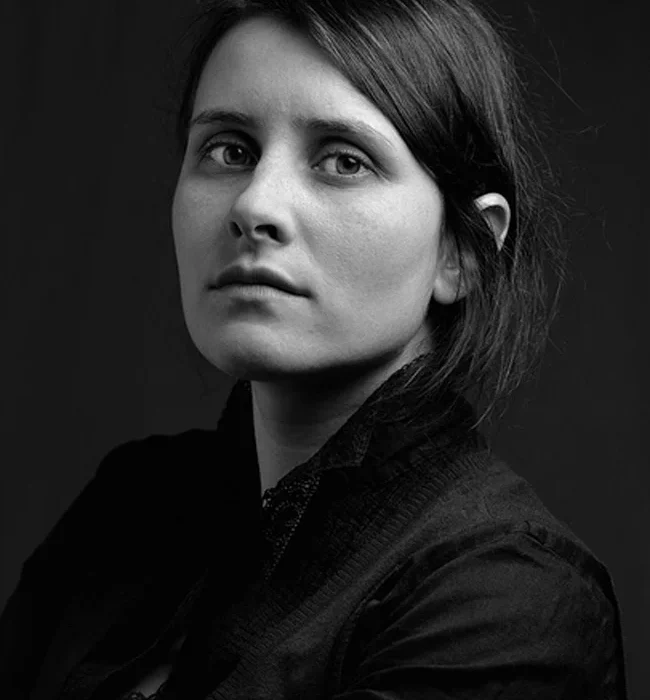
The practice of photographing subjects in dark attire against a black background has long been a hallmark of high-end editorial, fashion, and fine-art portraiture. This aesthetic choice offers a minimalist, moody, and undeniably dramatic outcome that draws the viewer’s attention toward the nuances of the human face. However, from a technical perspective, the margin for error is razor-thin. When lighting and composition are not precisely calibrated, the subject risks losing their physical presence, resulting in the "floating head" effect or an undefined, monolithic shape that lacks depth. Achieving a professional-grade image in these conditions requires a rigorous understanding of texture, light separation, and stylistic restraint.
The Historical Evolution of Low-Key Photography
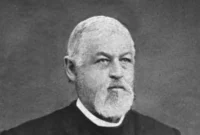
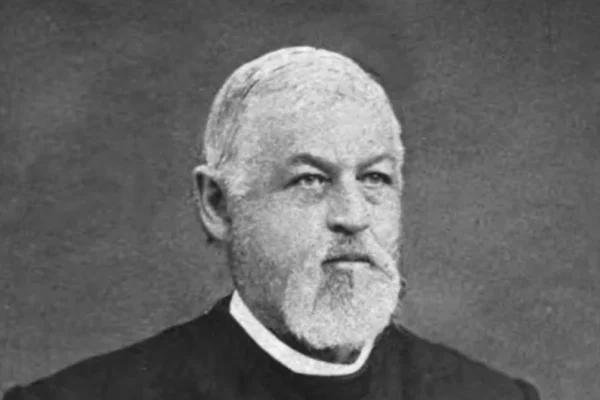
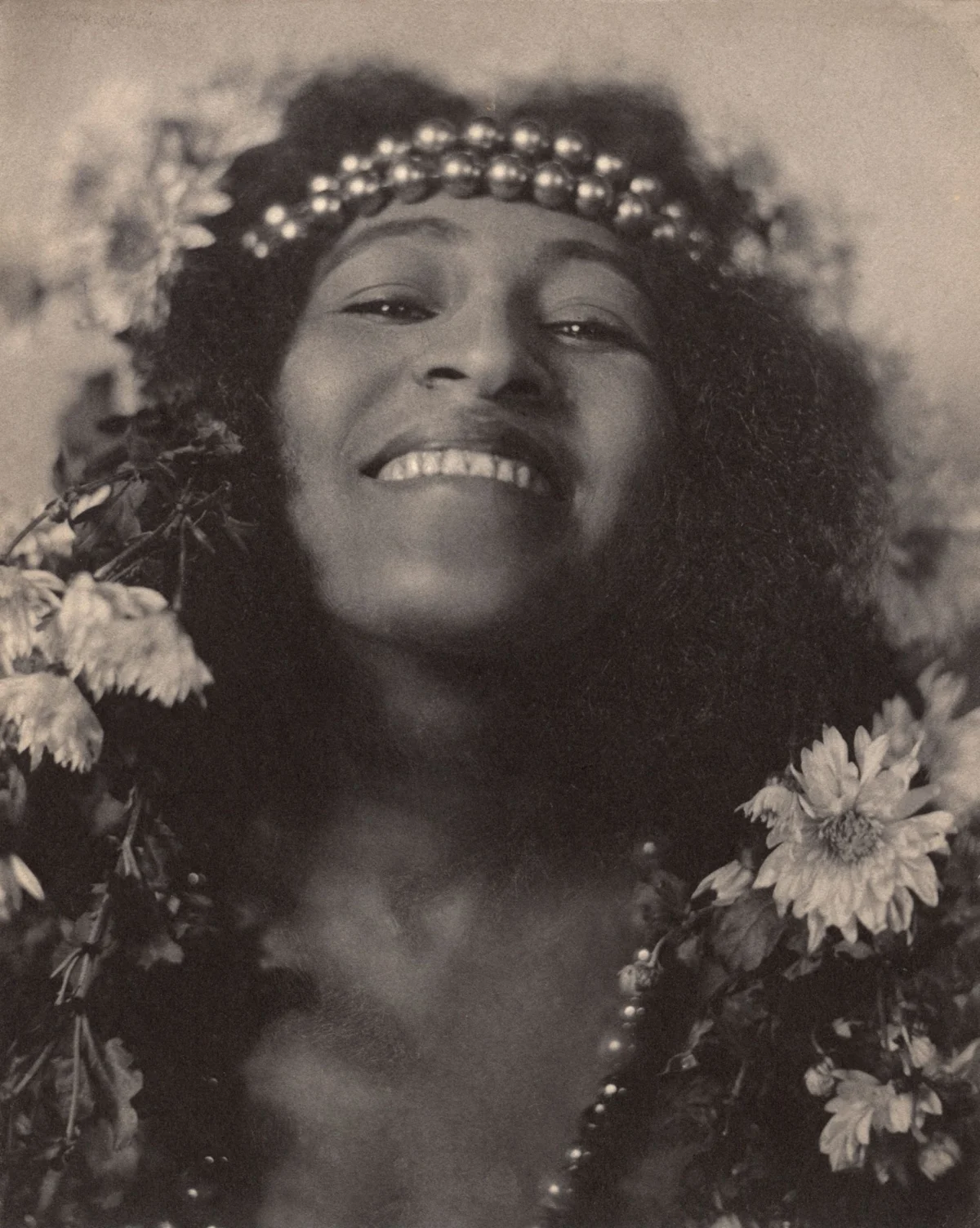
The technique of high-contrast, low-key lighting has its roots in the chiaroscuro tradition of Renaissance painting, where artists like Caravaggio and Rembrandt utilized intense contrasts between light and dark to create volume and emotional depth. In the medium of photography, this approach gained significant traction during the mid-20th century, particularly within the realm of black-and-white film portraiture. Legendary photographers such as Yousuf Karsh utilized deep, dark backgrounds to isolate his subjects, ensuring that the character and texture of the skin became the singular focal point of the narrative.
As digital photography matured, the ability to control exposure and dynamic range allowed for even more precise execution of this aesthetic. Modern photographers often leverage raw data and post-processing tools to manage the subtle gradients between deep blacks in the clothing and the skin tones of the subject, ensuring that the transition remains natural rather than abrupt.
Structural Integrity and Compositional Balance
A primary challenge in low-key photography is the loss of anatomical definition. In a studio setting, the absence of ambient light means the camera relies entirely on the photographer’s ability to "sculpt" the subject out of the darkness. To prevent the subject from disappearing into the backdrop, professionals emphasize the importance of silhouette and skin exposure.
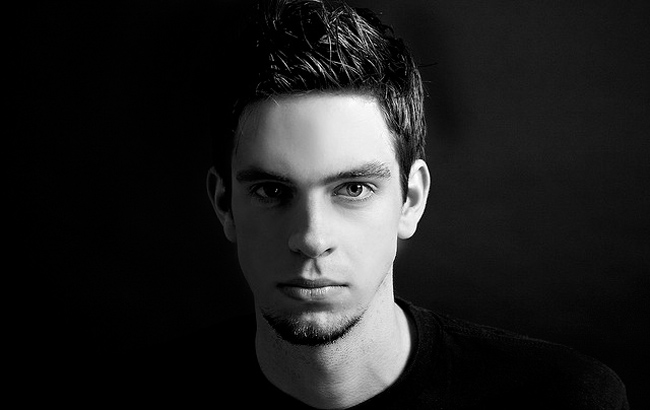
Current industry best practices suggest that simplicity is the most effective tool in the photographer’s arsenal. When the background is a void, every accessory, garment choice, and stray hair becomes magnified. Large, reflective jewelry or high-contrast accessories like bright white earrings or metallic pendants can introduce "hot spots" that distract from the eyes. Data from portrait lighting studies indicate that the human eye is naturally drawn to the brightest part of a frame; if a necklace is brighter than the subject’s eyes, the viewer’s gaze will be diverted, effectively undermining the emotional impact of the portrait.
The Role of Texture and Attire in Visual Differentiation
To avoid the "shapeless blob" phenomenon, photographers must rely on the differentiation of textures. If a model is wearing a matte cotton shirt against a matte black backdrop, there is no visual boundary to separate the two. Professional stylists and photographers now advocate for the use of mixed materials. A shirt with a subtle sheen, a distinct weave, or a structured collar can catch the light differently than the backdrop, creating a subtle outline that defines the subject’s silhouette.
Clothing design also plays a functional role in this process. As previously noted, garments that reveal a small amount of skin—such as a button-down with the top buttons undone or a V-neck shirt—act as visual markers. This sliver of skin serves as a bridge between the dark fabric and the face, providing a necessary break in the color palette. This is supported by professional lighting theory, which suggests that the contrast between the subject’s skin tone and the surrounding darkness provides the "anchor" for the entire composition. Conversely, large areas of exposed skin, such as bare arms or legs, often introduce too much luminance, which can pull the eye away from the face, the intended focal point of the portrait.
Advanced Lighting Techniques: The Physics of Separation
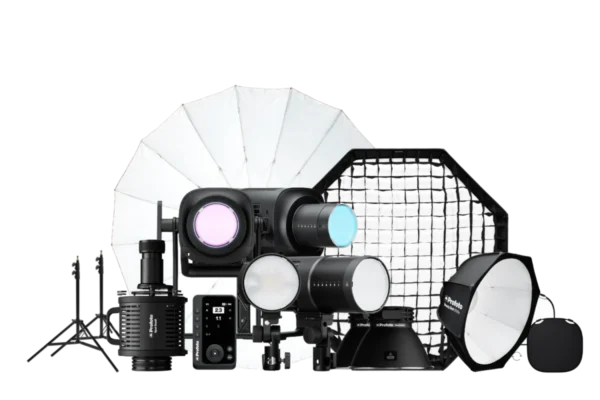
The technical solution to the challenge of black-on-black portraiture lies in the precise application of secondary light sources. While the primary light—the key light—illuminates the face, the photographer must deploy rim lights or kicker lights to define the edges of the subject.
In a standard three-point lighting setup, the "hair light" or "rim light" is positioned behind and to the side of the subject, directed toward the shoulders and hair. This creates a thin line of highlight that separates the dark clothing from the black background. According to technical analysis by industry experts, even a subtle rim light of less than one stop of brightness compared to the key light is sufficient to create the necessary separation.

Furthermore, the use of oblique or side lighting is essential for revealing texture. By positioning the light source at a sharp angle to the subject, the photographer can highlight the folds, wrinkles, and material properties of the clothing. This creates a gradient of shadow across the garment, providing the viewer with the depth perception needed to identify the subject’s posture and form.
Chronology of a Studio Session
For photographers attempting this style, a structured approach to the session is recommended:
- Preparation (0–30 minutes): Wardrobe selection and makeup application. Focus on matte finishes for the skin to prevent unwanted oily reflections under bright studio lights.
- Base Lighting (30–60 minutes): Establishing the key light to ensure the subject’s face is properly illuminated. Testing the background exposure to ensure it remains completely underexposed.
- Refinement of Separation (60–90 minutes): Introduction of rim lighting. Adjusting the angle of the light until a clear, thin highlight is visible on the edge of the subject’s profile.
- Compositional Review: Assessing the image for distracting elements. If the model is wearing jewelry, remove it one piece at a time until the face becomes the sole focus.
- Execution and Post-Processing: Capturing images in RAW format to allow for high-bit-depth adjustments to the shadows, ensuring that "black" does not become "clipped" or devoid of detail.
Broader Implications and Creative Impact
The resurgence of high-contrast, black-background photography in social media and professional portfolios indicates a shift toward a more deliberate and artistic approach to portraiture. Unlike "high-key" photography, which often seeks to minimize shadows and create an airy, positive vibe, the "black-on-black" style is inherently introspective. It is frequently employed in professional headshots to convey authority, seriousness, and timelessness.
From an analytical standpoint, the success of these portraits is measured by the viewer’s ability to intuitively understand the subject’s form without being visually overwhelmed. When executed correctly, the image feels cohesive and intentional. When executed poorly, the image feels unfinished or accidental.
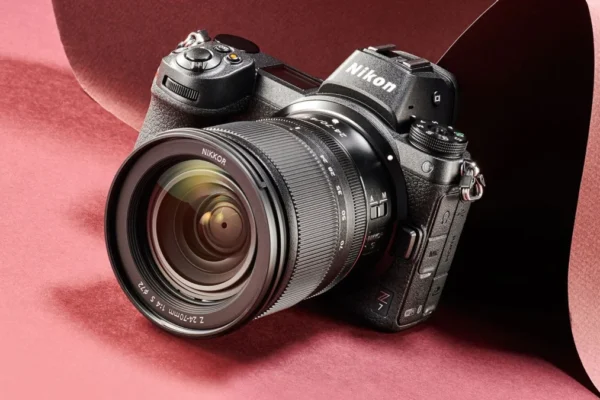
As technology continues to evolve, with the integration of AI-assisted lighting masks and high-dynamic-range sensors, the ability to control the separation between subject and background has become more accessible to amateur photographers. However, the fundamental principles—the necessity of contrast, the importance of texture, and the focus on the face—remain constant. Whether using a modern mirrorless camera with high-speed off-camera flash or a traditional film setup with constant tungsten lighting, the objective remains the same: to create a visual narrative that persists long after the initial viewing. By adhering to these rigorous technical standards, photographers ensure that their work stands out in an increasingly saturated visual landscape, proving that even in the darkest of settings, clarity is the ultimate goal.