





The evolution of ultralight backpacking gear has consistently pushed manufacturers to reconsider traditional design paradigms, challenging the necessity of heavily padded hipbelts, rigid internal frames, and voluminous compartments. For decades, standard backpacking philosophy dictated that transferring the bulk of a pack’s load to the user’s hips was the only viable method for preventing shoulder fatigue and maintaining posture over long distances. However, the continuous refinement of materials, coupled with design influences drawn from trail running and fastpacking disciplines, has introduced alternative load-distribution systems. A prominent example of this industry shift is the Volpi FastPack 30, an ultralight, frameless, and hipbeltless pack designed by thru-hikers for minimalist outdoor enthusiasts. Evaluated recently during a rigorous three-day field test along Wisconsin’s historic Ice Age Trail, the FastPack 30 offers a compelling case study in the viability of vest-style, shoulder-borne load carriage for specific backpacking applications.
Main Facts and Product Specifications
Manufactured by Volpi Outdoor Gear—a company founded by experienced thru-hikers originating from Mexico with the explicit aim of producing specialized, practitioner-designed equipment—the FastPack 30 represents a minimalist approach to gear configuration. Constructed using cutting-edge Ultra material, the standard version of the pack achieves a remarkably low baseline weight of precisely one pound.
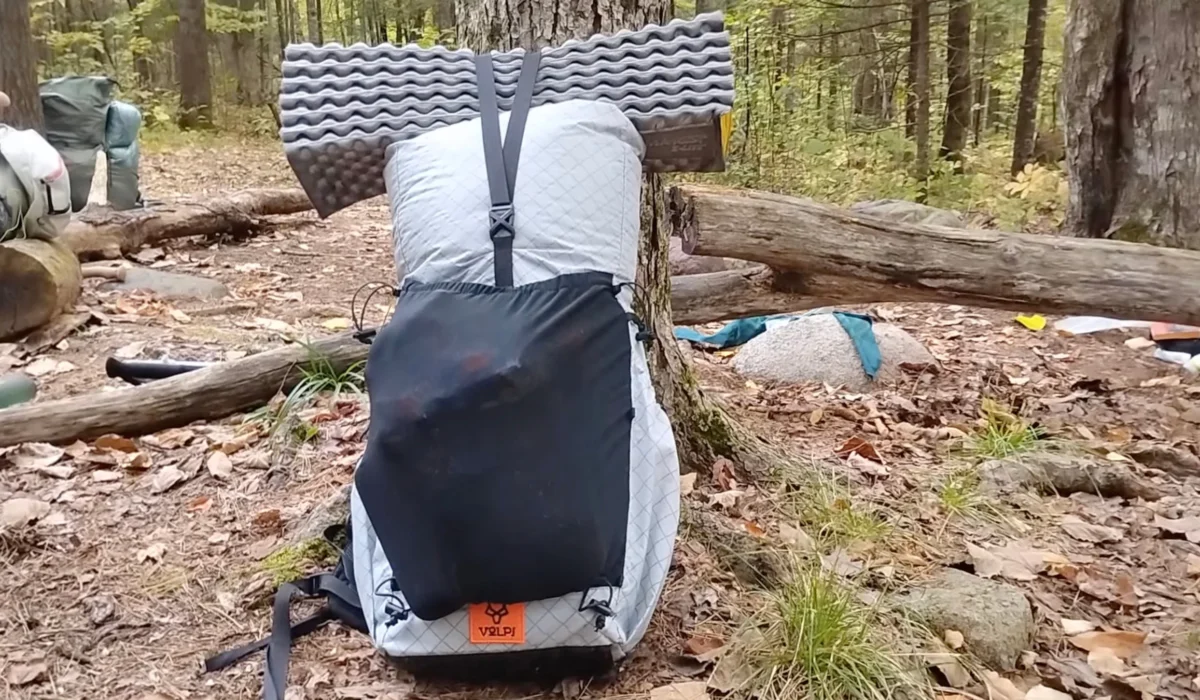
Unlike conventional backpacks that rely on a structural frame sheet or stays to transfer weight downward to a padded hipbelt, the FastPack 30 utilizes a vest-style harness. This design secures the load primarily across the torso and shoulders, mimicking the stabilization principles common in endurance running vests. The primary storage architecture includes dual shoulder-strap pockets sized specifically for soft flasks or water bottles, a generous rear stretch-mesh stuff pocket, and accessible side pockets. The pack features a standard roll-top closure system, supplemented by exterior attachment points designed for carrying sleeping pads, trekking poles, and other external gear configurations.
Chronology of Field Testing on the Ice Age Trail
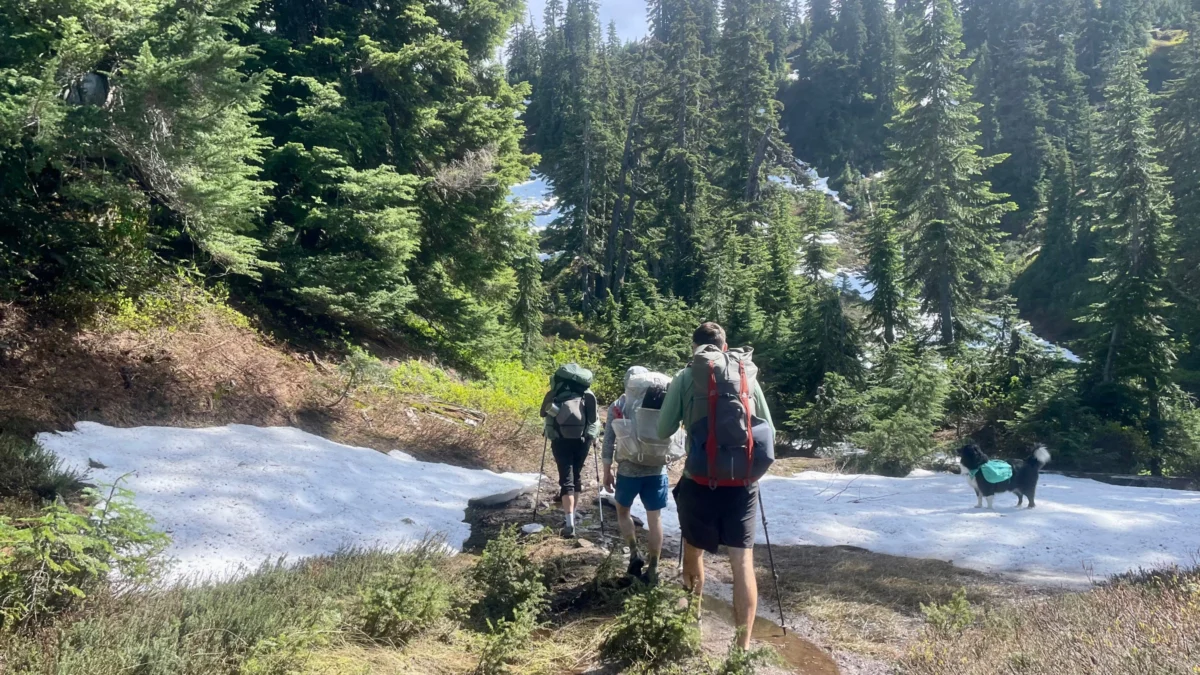
The initial assessment of the Volpi FastPack 30 took place during a three-day backpacking excursion along a select segment of the Ice Age Trail in Wisconsin, a National Scenic Trail spanning approximately 1,200 miles across the state’s glacial topography.
Day One involved the initial fitting and packing phase. Recognizing the structural limitations of a frameless, hipbeltless system, the tester meticulously organized the interior payload to prevent "barreling"—a common phenomenon where poorly packed gear pushes against the user’s back, creating uncomfortable pressure points. The sleeping system was strategically positioned to occupy the lower interior space, serving as an improvised internal structure. External gear, including a sleeping pad, was secured to the top of the pack using the integrated buckle-and-strap system. Water hydration management was split between the dual shoulder strap pockets, utilizing soft flasks for immediate access, thereby eliminating the need to stop and remove the pack for hydration.
Day Two tested the ergonomic endurance of the vest-style harness over sustained mileage. Navigating rolling terrain and forested corridors, the absence of a hipbelt altered the traditional center of gravity, causing the pack to ride higher on the upper back and shoulders. While the wide, vest-style straps successfully distributed pressure across a broad surface area of the chest and shoulders, physical feedback indicated a noticeable accumulation of upper-body fatigue compared to traditional framed packs. Access to gear during midday movement relied heavily on complementary storage solutions, such as an auxiliary hip pack, to mitigate the inconveniences posed by the main compartment’s roll-top closure.
Day Three focused on equipment stabilization, gear accessibility, and load limits. By keeping the primary roll-top compartment sealed throughout the day and utilizing the rear stretch pocket exclusively for intermittent layers—such as a rain jacket and a grid fleece—the workflow remained efficient. The trek concluded without mechanical failure of the hardware, seams, or attachment points, validating the material durability of the Ultra fabric under standard trail conditions.
Supporting Data and Technical Trade-Offs in Ultralight Design
The deployment of a one-pound, hipbeltless pack introduces distinct operational parameters that differentiate it from traditional 40-to-60-liter internal frame backpacks. Industry data and user feedback gathered from the field test highlight several critical performance metrics:
- Weight Capacity Thresholds: Because the entire load is supported by the shoulders and upper torso, the FastPack 30 is fundamentally restricted in its optimal carrying capacity. While structured packs can comfortably manage payloads exceeding 35 to 40 pounds, vest-style packs perform best when total base weight and consumable supplies (food and water) remain low.
- Hydration Constraints: The pack’s architecture is optimized for environments with abundant water sources, allowing hikers to carry smaller volumes of water between resupply points. In arid environments or desert conditions requiring multi-day water carries—often exceeding two gallons—the absence of a hipbelt shifts an unsustainable amount of shear stress onto the trapezius muscles and shoulders.
- Packing Efficiency: Frameless packs demand disciplined packing techniques. Without a frame sheet to create a rigid barrier, improperly stowed hard items can cause discomfort against the user’s spine. The necessity of utilizing sleeping pads or quilts to create a pseudo-frame requires advanced preparation by the user.
- Accessibility Management: The roll-top closure system, while highly effective at weather resistance and weight reduction, requires unbuckling and unrolling to access main compartment contents. This design favors a "pack once and leave it" strategy for the interior, necessitating external pockets or secondary packs (like running vests or hip packs) for frequently needed items during daylight hours.
Official Responses and Maker Intentions
The design philosophy behind the Volpi FastPack 30 directly mirrors the experiential background of its creators. Emerging from the thru-hiking community, Volpi Outdoor Gear was established to address specific performance gaps identified by long-distance backpackers who prioritize speed, agility, and minimalism over camp luxury and heavy-duty load carriage.
According to design statements and brand principles shared by the founders, the objective was not to create a universal backpack suitable for every outdoor scenario, but rather to engineer a specialized tool tailored for fastpackers, lightweight backpackers, and thru-hikers executing high-mileage days under favorable logistical conditions. By stripping away non-essential hardware, excessive fabric, and heavy suspension systems, the brand aimed to reduce user fatigue associated with swinging heavy dead weight on the hips, replacing it with a synchronized, torso-hugging carriage system that moves naturally with the human body.
Broader Industry Impact and Market Implications
The reception of the Volpi FastPack 30 points to a broader trend within the outdoor recreation industry: the increasing crossover between trail running hydration vests and traditional backpacking packs. As lightweight and ultralight backpacking philosophies continue to gain mainstream adoption, gear manufacturers are responding with hybrid designs that challenge conventional category boundaries.
Market analysts note a steady rise in consumer demand for sub-two-pound packs, driven by advancements in high-tenacity, waterproof fabrics such as Ultra and Dyneema Composite Fabrics (DCF). These materials allow manufacturers to build structurally sound packs without the heavy denier nylon and aluminum stays that defined previous generations of outdoor gear.
However, this shift also carries implications for consumer education. Industry safety advocates and gear experts frequently emphasize that ultra-minimalist gear requires a corresponding adjustment in hiker skill sets. Transitioning to a hipbeltless, frameless pack necessitates rigorous optimization of base weight, advanced knowledge of route planning and water availability, and a willingness to accept trade-offs in comfort during high-load scenarios.
As field testing of the Volpi FastPack 30 and similar vest-style packs continues across diverse geographical regions and trail systems, manufacturers will likely refine strap geometries, pocket placements, and modular attachment options. For the modern lightweight backpacker, equipment choices are increasingly defined by specificity of purpose rather than universal utility, with specialized packs like the FastPack 30 carving out a definitive role for fast-moving, minimalist itineraries.