









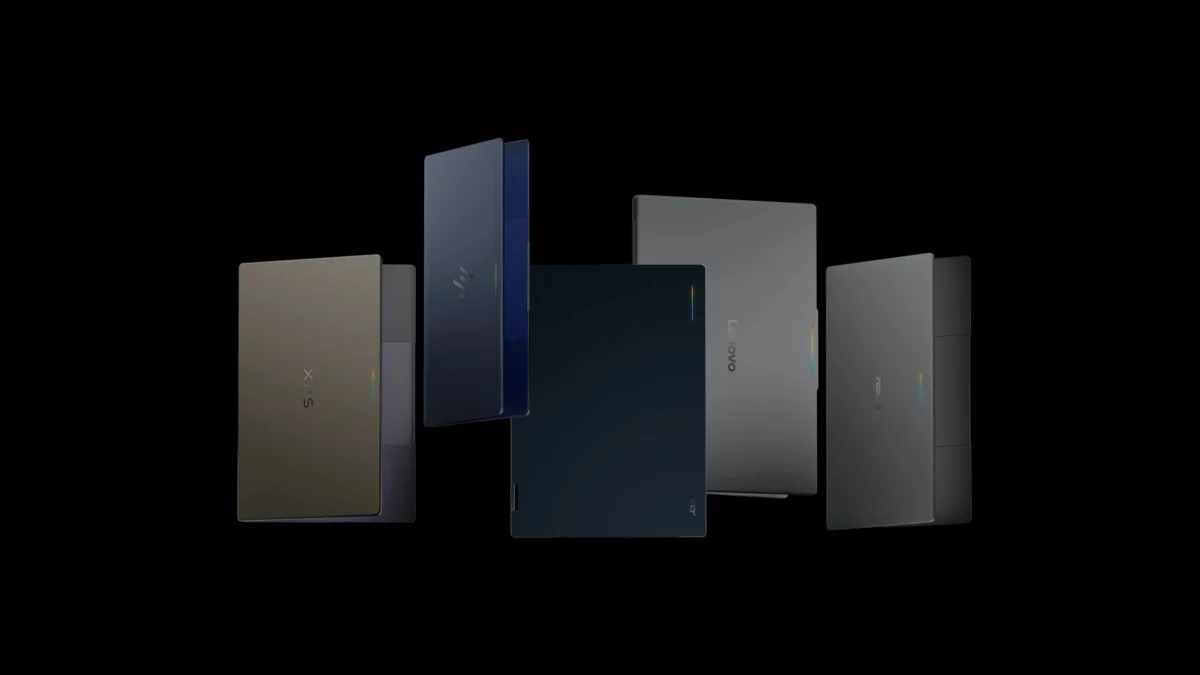
At the Android Dev Summit 2026 held earlier this week, Google officially confirmed that its growing Googlebook ecosystem is set to expand beyond traditional clamshell and convertible form factors. In a move that signals a significant maturation of the desktop-class operating system, the company announced that detachable devices—tablets equipped with magnetic keyboards and kickstands—are the next phase in the product roadmap. This announcement, delivered during the developer keynote on Wednesday, provides a clear vision for the future of Google’s computing hardware ambitions, moving away from mobile-first interfaces toward a more versatile, productivity-focused paradigm.
The Evolution of the Googlebook Form Factor
The announcement marks a strategic shift for Googlebook OS, which was initially introduced to address the middle ground between high-end mobile devices and traditional desktop environments. Until this week, the market presence of Googlebook devices was defined primarily by the clamshell laptop design, with the notable exception of the Acer Googlebook 14. Priced at $899, the Acer model currently stands as the sole convertible in the ecosystem, offering 2-in-1 functionality that transitions between laptop, tent, and tablet modes.
However, the current iteration of the software carries distinct limitations that highlight the ongoing developmental work required for a truly seamless detachable experience. While users can currently run applications in portrait tablet mode, the core OS architecture—specifically the homescreen, the Overview multitasking interface, and the application tray—remains locked to a landscape orientation. By committing to the detachable form factor, Google has signaled its intention to optimize these system elements for vertical, touch-first usage, effectively bridging the gap between a pure tablet experience and a full desktop workstation.
Chronology of the Googlebook Initiative
The trajectory toward this announcement began in early 2026, as leaks and developer documentation began to hint at a more modular future for the platform. The following timeline outlines the key milestones in the development of the Googlebook initiative:
- Q1 2026: Initial industry reports suggest Google is working on a unified OS strategy for large-screen devices, moving away from legacy limitations.
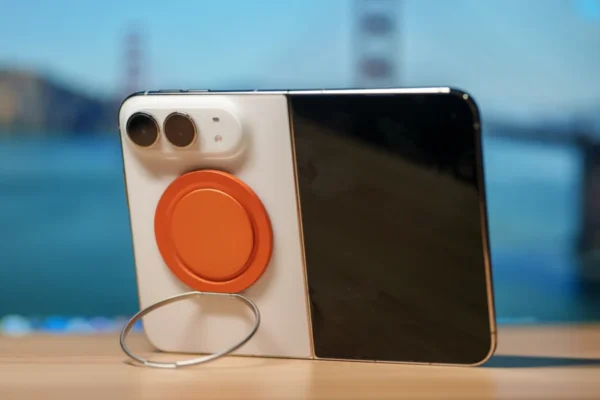
- July 2026: Industry insiders uncover specifications for a forthcoming Lenovo-branded device featuring a detachable keyboard and a dedicated kickstand, alongside a "Glowbar" light integration next to the camera module.
- October 2026: Google formally presents the "Connected Apps Platform" at the Android Dev Summit, emphasizing the importance of cross-device interoperability.
- Late October 2026: During the developer keynote, Google leadership officially acknowledges that detachables are the "next form factor" in the product pipeline.
The Lenovo Connection and Hardware Innovation
While Google has remained guarded regarding specific release dates, the industry focus has shifted toward the anticipated Lenovo detachable. Based on leaks surfaced in July, the device is expected to be a flagship-tier product designed to showcase the full potential of Googlebook OS in a portable chassis. The inclusion of a kickstand and a detachable keyboard suggests a direct challenge to the design language established by the Microsoft Surface and Apple iPad Pro lines.

Furthermore, the mention of a "Glowbar" near the camera system indicates that Google is prioritizing communication and notification features for this new form factor. Such hardware flourishes suggest that the detachable Googlebook will likely be marketed toward professionals and creative users who require a high degree of portability without sacrificing the robust window-management capabilities of a desktop operating system.
Market Context and Developer Reactions
The developer community at the Android Dev Summit 2026 responded with cautious optimism to the news. For years, developers have struggled with the fragmented nature of Android tablets, which often lacked the windowing capabilities necessary for complex professional software. By bringing Googlebook OS to a detachable form factor, Google is essentially creating a standardized environment where developers can write code once and expect it to perform predictably across different orientations and input methods.
Industry analysts suggest that this transition is a logical response to the declining growth of traditional clamshell laptops and the rising demand for ultra-portable, multi-functional computing devices. By standardizing the interface, Google is attempting to lower the barrier to entry for third-party manufacturers who want to build premium hardware without having to maintain their own custom skins or interface layers.
Broader Impact: The Future of Android Tablets
The emergence of Googlebook detachables raises a fundamental question regarding the future of high-end Android tablets. For over a decade, Android has served as the primary operating system for tablet devices, but it has historically struggled to provide a true "desktop" experience. With the introduction of Googlebook OS on tablets, there is a clear fork in the road for the company’s product strategy.
It is highly probable that Google will maintain a bifurcated strategy: Android will continue to power media-consumption-focused tablets, while Googlebook OS will become the standard for "productivity-first" detachables. This bifurcation would allow Google to protect its mobile ecosystem while simultaneously competing with Windows and macOS in the professional sector.
The technical implications of this shift are profound. If Googlebook OS can successfully handle touch-based navigation in portrait mode while maintaining a full desktop browser, file manager, and multi-window environment, it could potentially displace many users who currently rely on mid-range laptops for daily tasks. The success of this move will depend largely on the polish of the software update that accompanies the first wave of detachable hardware.

Economic and Technical Considerations
From a market analysis perspective, the $899 price point of the current Acer Googlebook 14 serves as a benchmark for the premium nature of the ecosystem. If the forthcoming Lenovo detachable arrives at a similar or slightly higher price point, it will place Google in direct competition with premium ultra-portables.
Technical hurdles remain, particularly regarding battery management and thermal efficiency in thinner, detachable chassis. Furthermore, the transition of the UI to a fully responsive, orientation-aware system requires significant work on the part of the Android/Googlebook engineering teams to ensure that the transition between "tablet mode" and "desktop mode" is instantaneous and glitch-free.
Looking Toward 2027 and Beyond
As the industry looks ahead, the integration of Googlebook OS into the tablet market represents the most significant change to the platform since its inception. By moving toward a hardware-agnostic, form-factor-versatile OS, Google is positioning itself to be a primary player in the next generation of personal computing.
The announcement at the Android Dev Summit 2026 was not merely a hardware reveal; it was a declaration that the ecosystem is ready for professional-grade, mobile-first computing. Whether the market is ready to embrace a third major desktop operating system remains to be seen, but the infrastructure being built by Google suggests that the company is playing a long-term game, aiming to capture the segment of the market that demands the flexibility of a tablet with the raw power and interface depth of a desktop workstation.
As the first detachable devices begin to reach consumers, the focus will shift from the promise of the hardware to the consistency of the user experience. The coming months will be critical for Google as they refine the software to support the new form factor, setting the stage for what could be a transformative year for the Googlebook brand in 2027.