










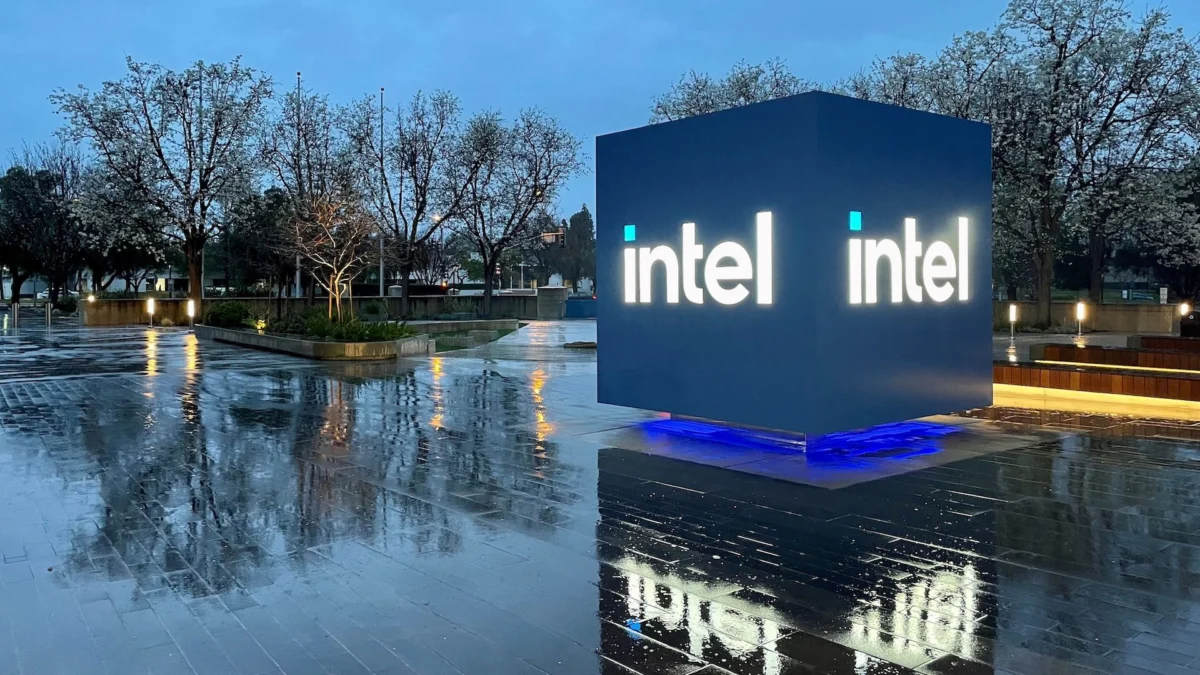
The global semiconductor industry experienced one of the darkest trading sessions in its history on Friday, as a catastrophic financial forecast from legacy chipmaking pioneer Intel Corporation sent shockwaves through the financial markets. Intel shares plummeted by a staggering 30 percent by the closing bell, vaporizing nearly $150 billion in market capitalization in a single trading session. This dramatic contraction stands as the largest single-day loss of market value in the company’s decades-long history, instantly reshaping the competitive landscape of the technology sector.
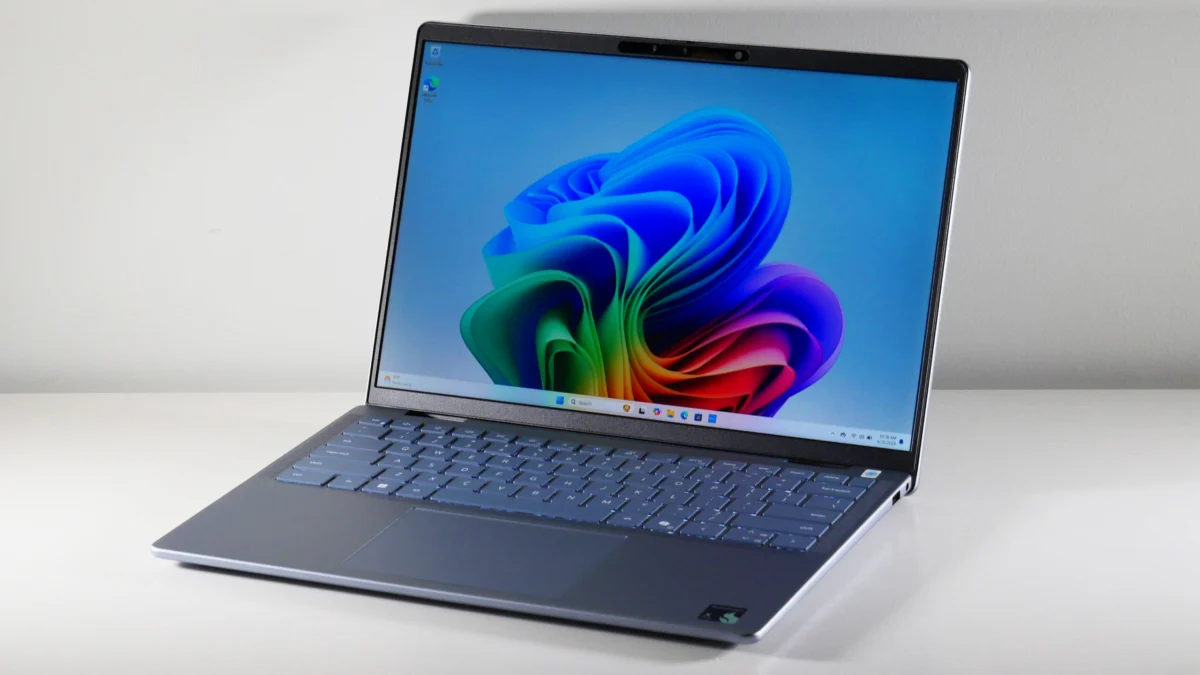
The immediate catalyst for the historic sell-off was a profoundly disappointing quarterly financial outlook released by Intel management. The guidance revealed that the company’s primary cash cow—the Client Computing Group (CCPG), which manufactures processors for personal computers and laptops—is bracing for an anticipated sales drop of more than 20 percent in the upcoming quarters. This grim projection underscored deep-seated anxieties regarding decelerating demand in the consumer PC market, persistent macroeconomic headwinds, and Intel’s ongoing struggle to maintain its market share against aggressive competitors such as Advanced Micro Devices (AMD) and Apple, alongside foundry dominance by Taiwan Semiconductor Manufacturing Company (TSMC).
While Intel bore the brunt of the investor exodus, the shockwaves refused to stay contained within the company’s corporate boundaries. Within hours of the opening bell, the negative sentiment metastasized across the entire semiconductor ecosystem. According to intraday market estimates compiled by Benzinga, approximately $1 trillion in total market capitalization was systematically wiped out across major chip stocks on Friday. Industry heavyweights including Nvidia, AMD, TSMC, and Broadcom all suffered notable declines as institutional and retail investors rapidly de-risked their portfolios, fleeing technology assets amid renewed fears of a broader sector downturn.
Chronology of the Meltdown
The events leading up to Friday’s unprecedented market correction began late Thursday afternoon, immediately following the conclusion of regular trading hours, when Intel published its earnings report and forward-looking guidance. Wall Street analysts and institutional investors had anticipated a challenging fiscal period given the cyclical nature of the personal computer market, but the magnitude of the projected decline caught the financial community completely off guard.
By early Friday morning in pre-market trading, Intel’s equity value had already eroded by over 25 percent. As soon as the opening bell rang on the New York Stock Exchange, institutional sell orders flooded the market. Volume surged to historic highs as algorithmic trading models reacted to the downgraded guidance, triggering automatic stop-loss provisions across numerous portfolios.
By midday, the contagion had clearly spread to other semiconductor equities. Nvidia, which had previously enjoyed a seemingly unstoppable rally fueled by the artificial intelligence boom, saw its shares dip as investors reassessed the lofty valuations of the entire hardware sector. AMD, Marvell Technology, and Qualcomm experienced sharp pullbacks, while equipment manufacturers such as ASML and Applied Materials also registered steep losses. By the time trading concluded on Friday afternoon, the cumulative loss across the semiconductor universe approached the staggering threshold of $1 trillion, marking one of the most volatile trading days in the history of modern equity markets.
Supporting Data and Financial Metrics
To understand the sheer magnitude of Friday’s collapse, it is necessary to examine Intel’s financial trajectory leading up to this inflection point. For decades, Intel operated as the undisputed heavyweight champion of semiconductor design and manufacturing, consistently generating robust profit margins and dominating both the server and client computing markets.
However, in recent years, the company’s financial health has faced intense pressure. The Client Computing Group (CCPG), which historically accounted for the lion’s share of Intel’s operating income, has struggled against a post-pandemic slump in PC shipments. Enterprises and consumers alike have extended their hardware replacement cycles, leading to swollen inventories and depressed average selling prices.
The projected 20 percent-plus decline in CCPG sales directly threatens Intel’s ability to fund its ambitious capital expenditure programs. Under the leadership of Chief Executive Officer Pat Gelsinger, Intel has committed billions of dollars to an aggressive turnaround strategy centered on the Integrated Device Manufacturer (IDM) 2.0 model. This strategy involves heavy investments in leading-edge fabrication plants—known as fabs—in the United States and Europe, with the dual purpose of manufacturing Intel’s own cutting-edge chips and offering foundry services to external clients.
Friday’s market wipeout directly undermines the financial scaffolding supporting this capital-intensive transformation. With $150 billion in market value erased, the company’s cost of capital rises significantly, potentially complicating its ability to raise debt or equity financing on favorable terms. Furthermore, the broader $1 trillion semiconductor wipeout reflects a growing skepticism among investors regarding whether the immense capital expenditures currently flowing into artificial intelligence and fab construction will generate near-term returns that justify their costs.
Corporate and Industry Reactions
In the immediate aftermath of the market close, financial analysts, industry experts, and corporate governance specialists scrambled to parse the implications of Intel’s guidance and the subsequent sector-wide rout.
Wall Street equity research desks quickly downgraded Intel’s stock rating, slashing price targets and questioning the timeline of the company’s turnaround. Several major investment banks noted that while the long-term strategic vision of building domestic foundry capacity remains strategically aligned with geopolitical priorities, the execution timeline is fraught with cyclical vulnerability. Analysts highlighted that Intel is currently caught in a multi-front war: defending its declining market share in client and server CPUs against AMD and ARM-based architectures, while simultaneously attempting to build a competitive external foundry business from scratch to rival TSMC.
While formal, comprehensive executive statements from Intel leadership addressing the specific share price collapse were limited during the quiet period immediately following earnings, previous communications from CEO Pat Gelsinger have repeatedly emphasized that turnarounds of this scale require patience, substantial upfront investment, and a willingness to absorb near-term pain for long-term technological leadership. However, Friday’s dramatic market reaction suggests that investor patience is wearing exceedingly thin, and the margin for operational error has effectively evaporated.
Competitors within the semiconductor space maintained a cautious silence regarding Intel’s specific misfortunes, though industry insiders privately expressed concern that a downturn of this scale could prompt broader macroeconomic questions about enterprise technology spending. Representatives from companies like AMD and Nvidia focused their messaging on their respective product roadmaps, attempting to decouple their near-term execution from Intel’s structural headwinds. Nevertheless, the algorithmic linkage of semiconductor equities ensured that even companies with pristine balance sheets and dominant market positions were penalized during the session.
Broader Economic and Geopolitical Implications
The seismic events of Friday extend far beyond Wall Street trading terminals, carrying significant implications for global supply chains, national security initiatives, and industrial policy.
Semiconductors have increasingly become the foundational infrastructure of the modern global economy, powering everything from consumer electronics and automobiles to advanced military systems and artificial intelligence data centers. The vulnerability exposed by Intel’s historic drop—and the subsequent trillion-dollar market contraction—highlights the extreme sensitivity of the sector to shifts in consumer demand and macroeconomic sentiment.
Moreover, Intel occupies a uniquely strategic position within Western industrial policy. Through legislative frameworks such as the CHIPS and Science Act in the United States, billions of dollars in federal subsidies have been earmarked to revitalize domestic semiconductor manufacturing. Intel has positioned itself as the primary domestic champion intended to anchor this industrial renaissance by constructing massive fabrication facilities in states like Ohio, Oregon, Arizona, and New Mexico.
A structurally weakened Intel raises complex strategic questions for policymakers in Washington and Brussels. If the company’s core cash flows continue to contract at the rates projected in Friday’s guidance, funding the extensive capital expenditures required to complete and operate these advanced fabs could become increasingly dependent on government intervention or external partnerships. This dynamic introduces a new layer of risk for national initiatives aimed at securing the semiconductor supply chain against geopolitical disruptions, particularly concerning Taiwan and the South China Sea.
As global financial markets prepare to reopen for the upcoming week, all eyes will remain fixed on the technology sector. Regulators, institutional investors, and industry executives will be closely monitoring whether Friday’s panic represents a temporary overreaction to cyclical PC weakness or the beginning of a deeper, structural contraction across the entire semiconductor landscape. For Intel, the immediate challenge is clear: management must restore credibility, stabilize its core cash-generating segments, and prove to a skeptical market that its multi-year transformation strategy remains on solid footing.