









The practice of fabricating bespoke climbing equipment has a storied history, dating back to the sport’s mid-20th-century origins when climbers frequently modified industrial hardware to navigate vertical terrain. In the current era, while professional engineering standards and rigorous UIAA (International Climbing and Mountaineering Federation) certifications have rendered the "garage-hammered" approach to critical safety gear obsolete, the appeal of DIY solutions for peripheral equipment remains strong. Modern climbers, facing an inflationary environment where entry-level gear costs have increased by approximately 15% over the last three years, are increasingly turning to hardware store solutions for non-life-critical accessories. While professional organizations continue to emphasize that structural gear—such as cams, ropes, and harnesses—must be purchased from certified manufacturers, there is a burgeoning segment of the market focused on optimizing utility through affordable, field-expedient modifications.
A recent evaluation of five common crag accessories demonstrates that significant fiscal savings are achievable without compromising the integrity of the climber’s primary safety system. By repurposing common household materials, practitioners can effectively reduce their equipment overhead by nearly 80% on specific items.
The Evolution of Climbing Equipment and Safety Standards
The transition from DIY to manufactured gear was largely precipitated by the formalization of safety standards in the 1970s and 80s. Before this period, equipment failures were common, and the lack of standardization meant that regional climbing ethics were often dictated by the specific "home-made" tools available to local climbing communities. Today, the UIAA and CEN (European Committee for Standardization) maintain strict requirements for load-bearing equipment.
Industry analysts note that while the cost of specialized equipment has risen, the functional design of many accessories—such as stick clips and rope tarps—has remained largely static for decades. This stagnation in design, combined with the premium markup applied to brand-name accessories, has created a vacuum that many climbers are filling with DIY projects. The following analysis outlines the technical construction of five such items, their manufacturing costs, and the practical implications of their use.
Technical Analysis of DIY Climbing Accessories
1. Ice Tool Leashes
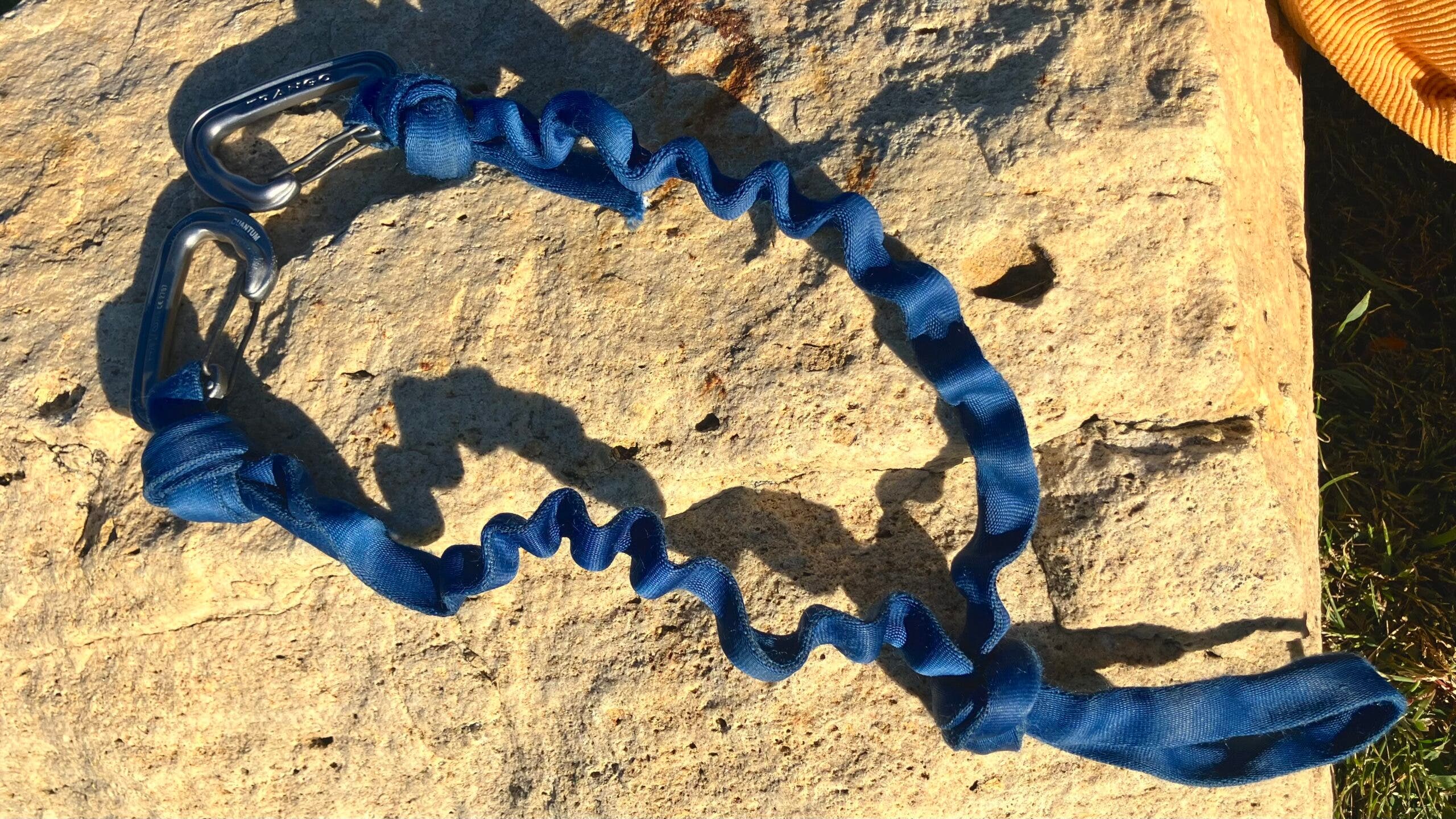
On vertical ice, the loss of an ice tool is a critical failure point. Commercially available bungee leashes typically retail between $40 and $80, depending on the inclusion of integrated swivels. The DIY alternative involves utilizing 6mm or 8mm shock cord encased in tubular webbing. By threading the cord through the webbing and securing it with overhand knots, a climber can replicate the elasticity required for dynamic movement.
The primary technical challenge in this fabrication is ensuring the webbing is sufficiently scrunched to provide enough "slack" without allowing the cord to tangle. If an additional $10 swivel is sourced from a hardware retailer, the total cost of $15 remains significantly lower than the market average, providing a savings of roughly 65% to 80%. Professional alpine guides suggest that these DIY leashes are suitable for recreational climbing but caution that users must regularly inspect the shock cord for signs of fraying, as industrial hardware is often rated for higher UV resistance.
2. Nut Tool Tethers
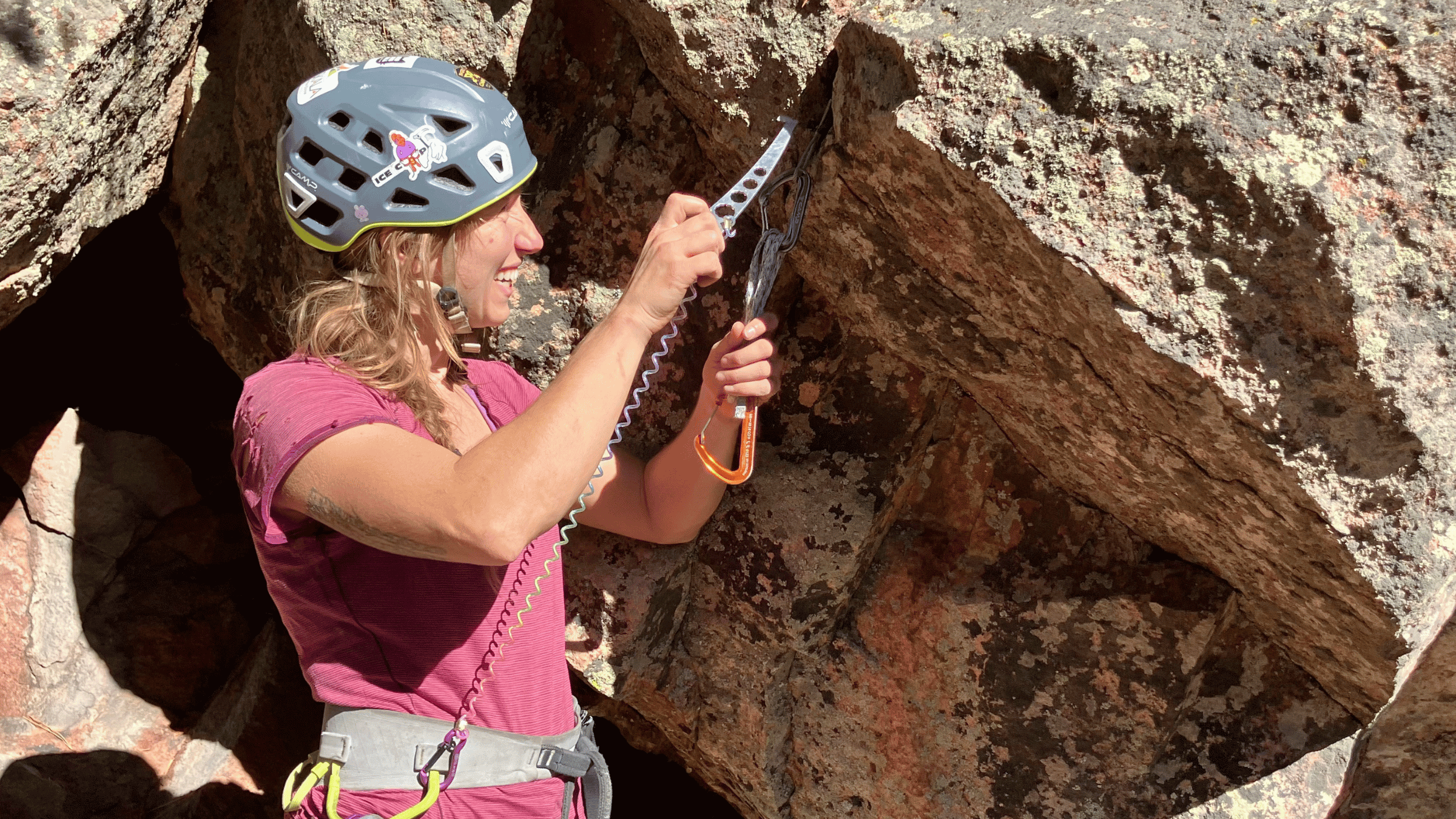
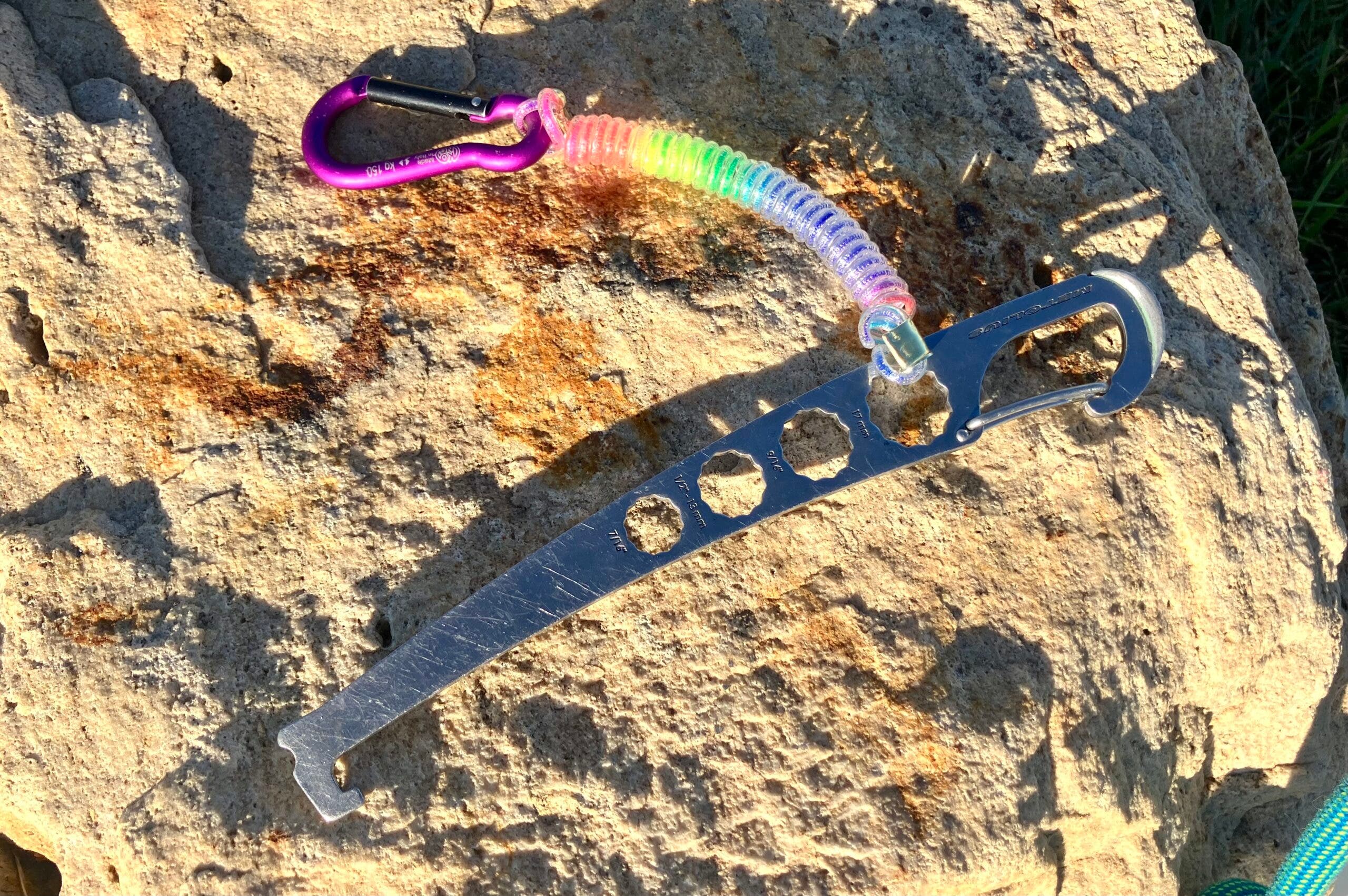
Nut tools are frequently lost due to incidental contact with rock faces or accidental drops during retrieval. While basic tethers are inexpensive, many users find commercial versions bulky or restrictive. A DIY tether constructed from a repurposed coil keychain and electrical crimps offers a minimalist alternative. By utilizing industrial-grade crimps, the user can ensure a secure bond between the coil and the tool.
From a mechanical standpoint, the DIY tether is effective; however, the reliance on residential-grade materials means the lifespan of the coil is generally shorter than that of high-tensile climbing-specific tethers. This solution is best utilized as an interim measure rather than a permanent replacement for high-frequency climbing environments.
3. Stick Clips
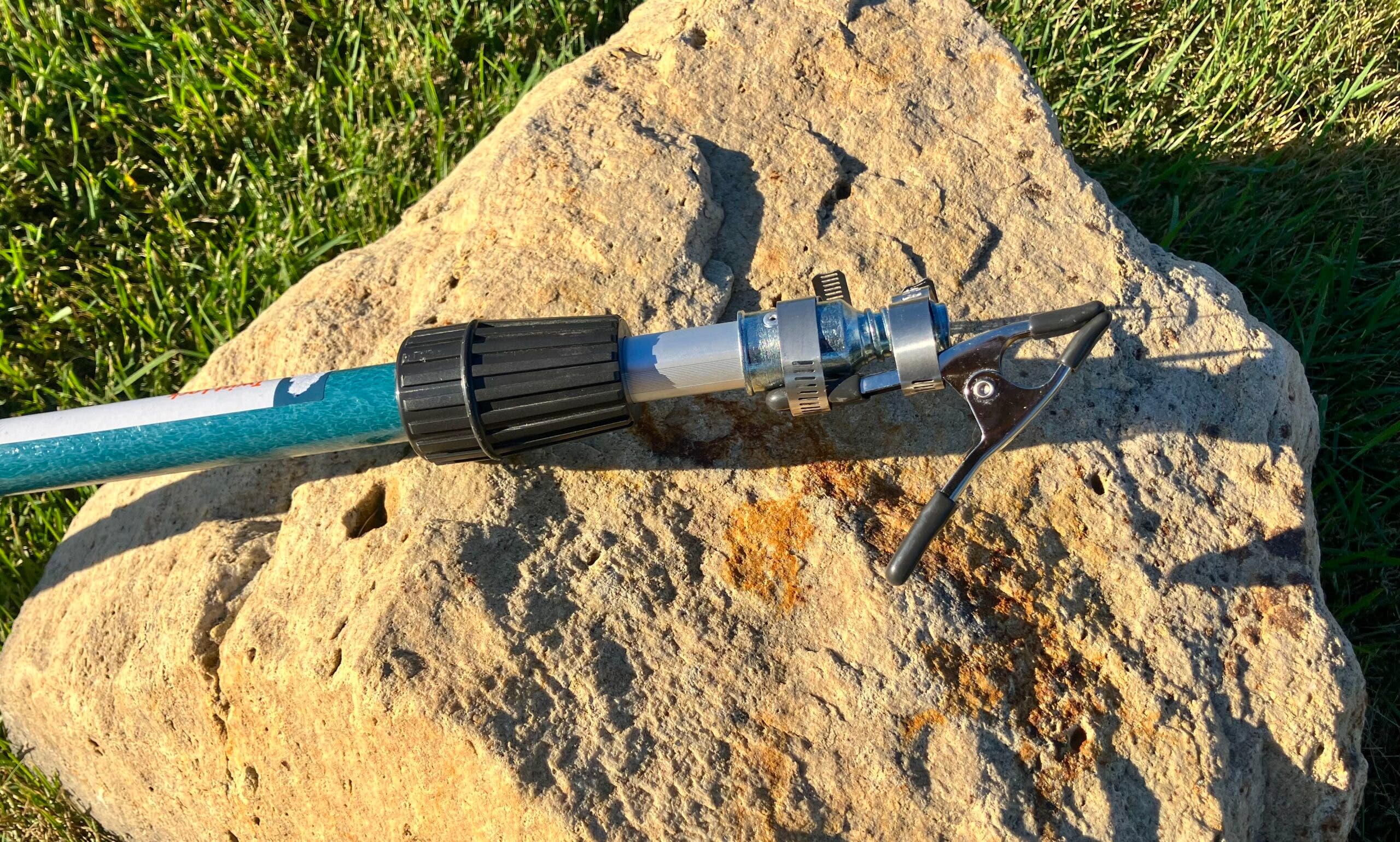
The stick clip represents the most significant area of potential savings. High-end telescopic poles designed specifically for climbing can exceed $100. By contrast, a high-quality painter’s pole, available at most home improvement centers, can be modified for less than $30. The modification involves attaching a spring-loaded clamp to the end of the pole using stainless steel hose clamps.
Data from recent consumer surveys indicates that the "painter’s pole" method has become the industry standard for community-based climbing areas, such as municipal crags and indoor-outdoor training facilities. The primary drawback is portability; while commercial sticks are designed to collapse into small, packable units, standard painter’s poles are often cumbersome, making them better suited for local crags than for remote alpine approaches.
4. Stiffy Draws (Panic Quickdraws)
A "stiffy draw" is a specialized tool used for clipping bolts that are just out of reach. These devices utilize a rigid or semi-rigid structure to hold a carabiner in place. DIY versions utilize a length of heavy-duty housing wire inserted into the hollow core of tubular webbing.
Industry experts warn that while this is a common modification, it lacks the precision engineering of a "Panic" draw, which typically includes a secondary mechanism to ensure the carabiner snaps shut upon contact with the bolt hanger. Users are cautioned that DIY stiffy draws should never be used as primary protection in a lead climbing scenario; their utility is restricted exclusively to facilitating the first clip or aiding in difficult reach-dependent sequences.
5. Rope Tarps
The rope tarp is a foundational piece of equipment designed to keep ropes free of grit, which can accelerate wear and tear on the sheath. While commercial tarps are often marketed as high-durability gear, a 4-by-4-foot sheet of 2mm-gauge plastic or Tyvek house wrap serves the exact same purpose at a fraction of the cost.
The application of heavy-duty shipping tape to create anchor loops for the rope ends is an effective, albeit rudimentary, solution. Given that the function of a rope tarp is purely protective and not structural, this is perhaps the safest and most recommended DIY project for climbers looking to preserve the longevity of their primary safety equipment without incurring unnecessary expenses.
Economic Implications and Industry Response
The surge in DIY equipment modification reflects a broader shift in outdoor recreation culture, where participants are increasingly prioritizing self-sufficiency and resourcefulness. From a manufacturing perspective, the rise of DIY hacks for non-critical gear has not yet prompted a shift in pricing strategies for larger companies. However, some manufacturers have begun to introduce "base model" accessories that compete more aggressively with these DIY solutions, acknowledging that the entry-level market is sensitive to price hikes.
The risks associated with DIY gear are well-documented by safety organizations like the American Alpine Club. While the items discussed above are considered peripheral, the potential for misuse—such as attempting to apply these DIY methods to structural components like slings or cams—remains a concern. The consensus among professional equipment testers is that any DIY modification must be evaluated against the potential consequences of failure. If an item’s failure results in a minor inconvenience (e.g., losing a nut tool), the DIY route is viable. If the item’s failure poses a risk to life or limb, the cost of professional, certified equipment is a necessary investment.
Future Outlook
As the cost of living continues to impact the outdoor sector, it is likely that the trend toward DIY maintenance and modification will continue. The emergence of 3D printing and advanced composite materials in the home-garage setting may eventually lead to more sophisticated DIY equipment. Nevertheless, the fundamental philosophy of climbing safety remains unchanged: there is no substitute for high-quality, certified equipment when it comes to the safety of the individual. For the foreseeable future, the savvy climber will continue to balance the pragmatism of DIY hacks for accessory gear with the non-negotiable requirement for industry-standard safety equipment for all life-critical applications.