







A New Strategic Direction for Apple Home
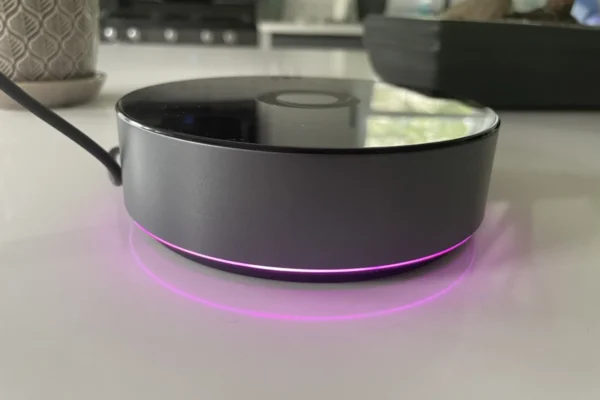
For years, Apple’s strategy regarding the smart home was primarily anchored by the HomePod and the HomePod mini, devices that prioritized audio quality and Siri integration over visual interaction. While competitors aggressively pushed smart displays—devices featuring touchscreens that facilitate video calls, home security camera monitoring, and media consumption—Apple maintained a more conservative approach. The upcoming launch signifies a pivot in this philosophy, acknowledging that a significant portion of the consumer market views a central, screen-based hub as the essential "nerve center" of a modern household.
The decision to move into this form factor is not merely a reaction to market trends but a calculated effort to solidify the utility of the Home app and the HomeKit ecosystem. By introducing a dedicated display, Apple aims to increase the engagement time users spend interacting with their home automation controls, thereby fostering greater loyalty to the Apple hardware ecosystem.
Design Language and Hardware Specifications
The technical specifications and design language of the new device suggest a blend of modern minimalism and a nostalgic nod to Apple’s design history. According to recent intelligence, the primary unit will feature a 6-inch square display, characterized by quarter-inch black bezels. While these dimensions may seem modest compared to modern tablets, they are optimized for quick-glance information, such as weather, calendar events, and home security alerts.

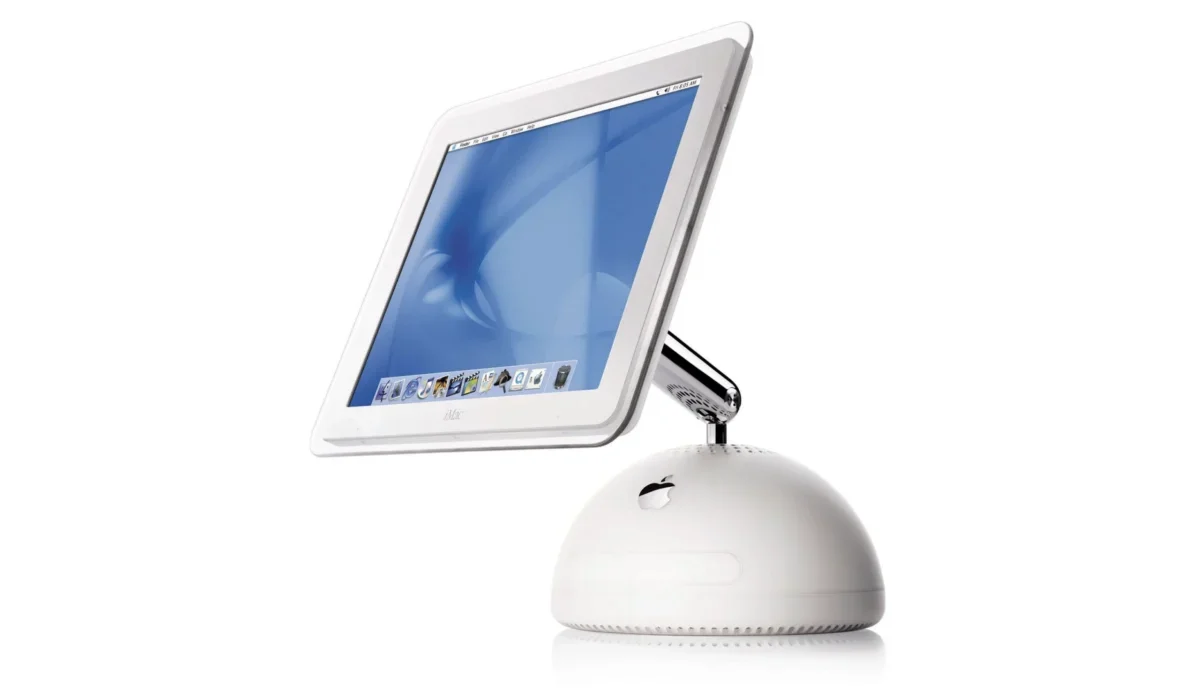
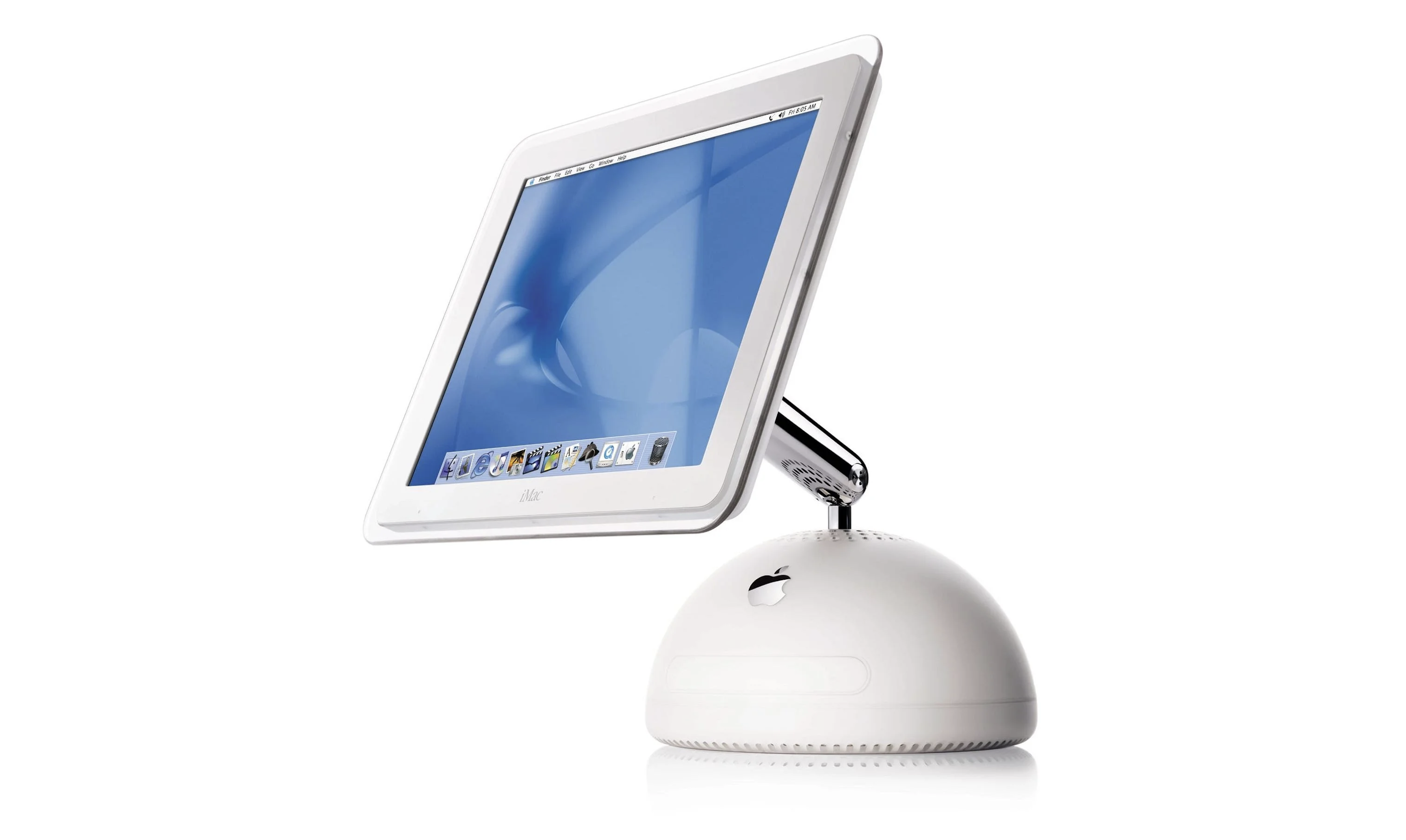
Perhaps most striking is the design aesthetic, which observers have compared to the iconic iMac G4. The device utilizes a half-dome base, supported by a distinct arm mechanism that elevates the screen. This design choice is inherently functional, providing a stable footprint while allowing for an ergonomic viewing angle. The device’s thickness is reportedly comparable to that of a contemporary iPhone, maintaining a sleek, unobtrusive profile that avoids the "clunky" aesthetic often found in budget smart displays. The absence of sharp edges, combined with the rounded corners, ensures that the product fits comfortably within a domestic environment, favoring a soft, approachable visual language over the utilitarian rigidity of competing devices.
A Two-Pronged Approach: The Wall-Mounted Variant
In addition to the standalone desktop model, industry reports indicate that Apple is developing a secondary, wall-mounted version of the hardware. This iteration is specifically engineered for a flush-mount experience, providing a permanent, centralized control panel for home automation. By utilizing USB-C for power delivery, the wall-mounted unit offers a streamlined installation process, avoiding the clutter of external power bricks.
This version features a specialized, thin, square-shaped base located beneath the screen, which houses the necessary microphone arrays and speaker hardware. By placing the acoustic components in a base that sits flat against the wall, Apple is prioritizing both sound quality and aesthetic continuity, ensuring that the hardware does not protrude excessively from the wall surface. This dual-model strategy suggests that Apple is targeting two distinct consumer needs: the mobile, versatile tabletop user and the permanent, "command center" homeowner.
The Chronology of Development
The path to this product launch has been a lengthy one. Rumors regarding an Apple smart display have circulated since as early as 2021, with various patents and supply chain leaks suggesting that the company was experimenting with a variety of form factors.
- 2021–2022: Initial reports suggested Apple was exploring a device that combined an iPad with a motorized, robotic arm to track users in a room.
- 2023–2024: Development shifted toward a more stationary, hub-centric design as the company prioritized the refinement of its "Matter" smart home protocol integration.
- 2025: Internal testing reportedly ramped up as Apple finalized the software stack, specifically focusing on a custom operating system designed to run on lower-power, always-on displays.
- September 2026: Official signals indicate that mass production has reached a stage where a public release is imminent, with the product slated to arrive in retail channels before the end of the year.
Market Context and Competitive Analysis
The smart display market is currently mature, with Amazon and Google having iterated through several generations of hardware. Data from industry analysts suggests that while smart speaker growth has plateaued, the demand for smart displays remains steady among users heavily invested in home security and automation.
Apple enters this market with a distinct advantage: the "walled garden" effect. Users who are already deeply embedded in the Apple ecosystem—utilizing iCloud, Apple Music, and HomeKit—are the primary target demographic. Unlike third-party devices that often struggle with seamless integration into Apple’s proprietary software, this new hub is expected to provide a frictionless experience. This native integration is likely to be the device’s primary selling point, as it eliminates the connectivity latency often experienced when using non-Apple hardware to manage HomeKit devices.
Furthermore, privacy remains a central pillar of Apple’s branding. In an era where consumers are increasingly wary of "always-listening" devices, Apple’s focus on on-device processing and granular privacy controls could provide it with a significant edge over competitors. If the new hub processes voice commands and image recognition locally, it could attract a demographic of privacy-conscious consumers who have previously avoided smart displays.
Economic and Industry Implications
The introduction of this product is expected to have a ripple effect across the smart home accessory market. Manufacturers of smart lights, locks, and thermostats will likely pivot their marketing and compatibility efforts to emphasize "works with Apple Home" more aggressively, anticipating that a surge in dedicated hub sales will drive consumer demand for accessories.

For Apple, this move is a critical component of its broader services revenue strategy. By increasing the number of touchpoints between the user and the home automation ecosystem, Apple creates more opportunities for recurring revenue through iCloud storage, HomeKit Secure Video subscriptions, and potential new services integrated into the device’s interface.
The Path Forward: Anticipation and Logistics
With the launch less than two weeks away, anticipation is building regarding the official retail price and regional availability. Market analysts speculate that Apple will position this device as a premium, yet accessible, gateway to its ecosystem, likely pricing it competitively against high-end smart displays to encourage multi-room adoption.
Retailers are reportedly preparing for an influx of interest, and the supply chain appears to be primed for a holiday season release. As the company prepares for the official unveiling, the focus remains on whether the hardware can deliver a user experience that justifies its existence in an already crowded marketplace. If the design language and the rumored integration capabilities hold true, the device could redefine how users interact with their environments, marking a significant evolution in the company’s mission to be the central operator of the modern home.
Ultimately, the success of this smart display will be measured by its ability to simplify, rather than complicate, the daily routines of its users. By prioritizing a clean design, deep ecosystem integration, and a focus on privacy, Apple is positioning itself to capture a significant share of the smart home market, potentially setting a new standard for what consumers should expect from their home technology. As the industry awaits the final announcement, the hardware represents a clear commitment from Apple to continue its expansion into the domestic space, transforming the smart home from a fragmented collection of devices into a cohesive, centralized experience.