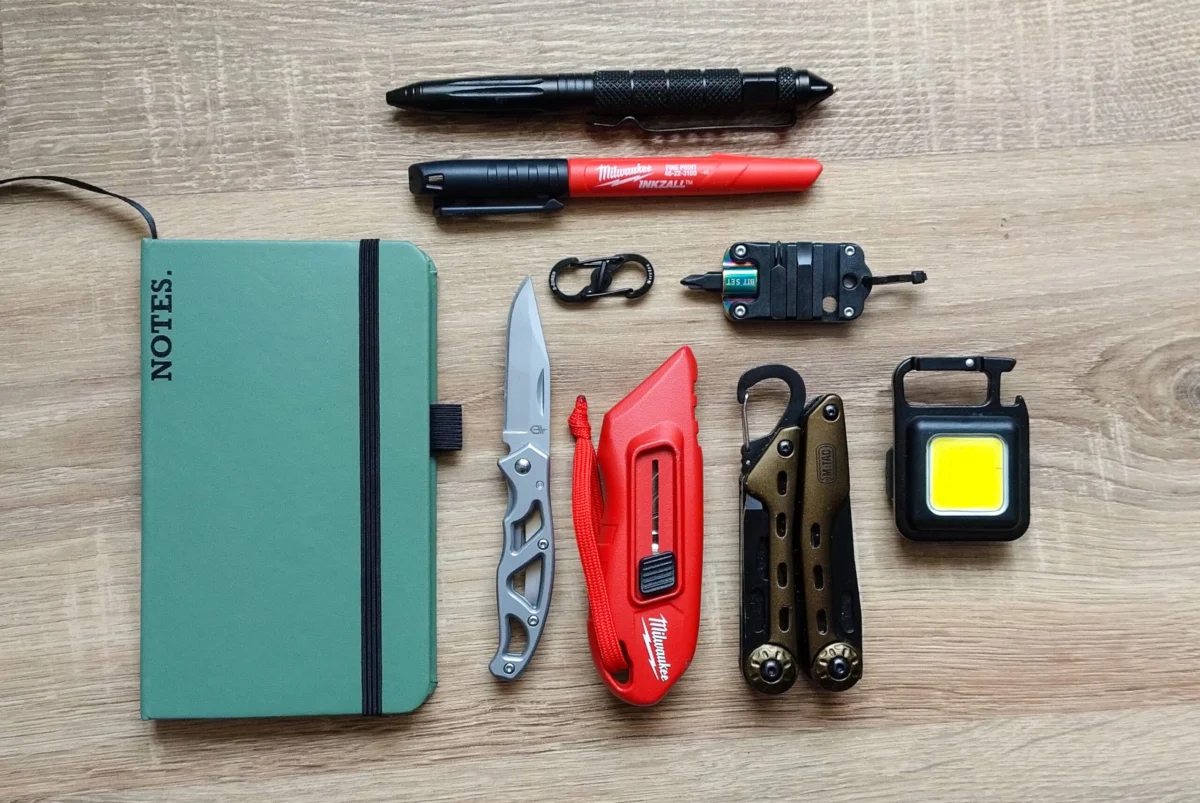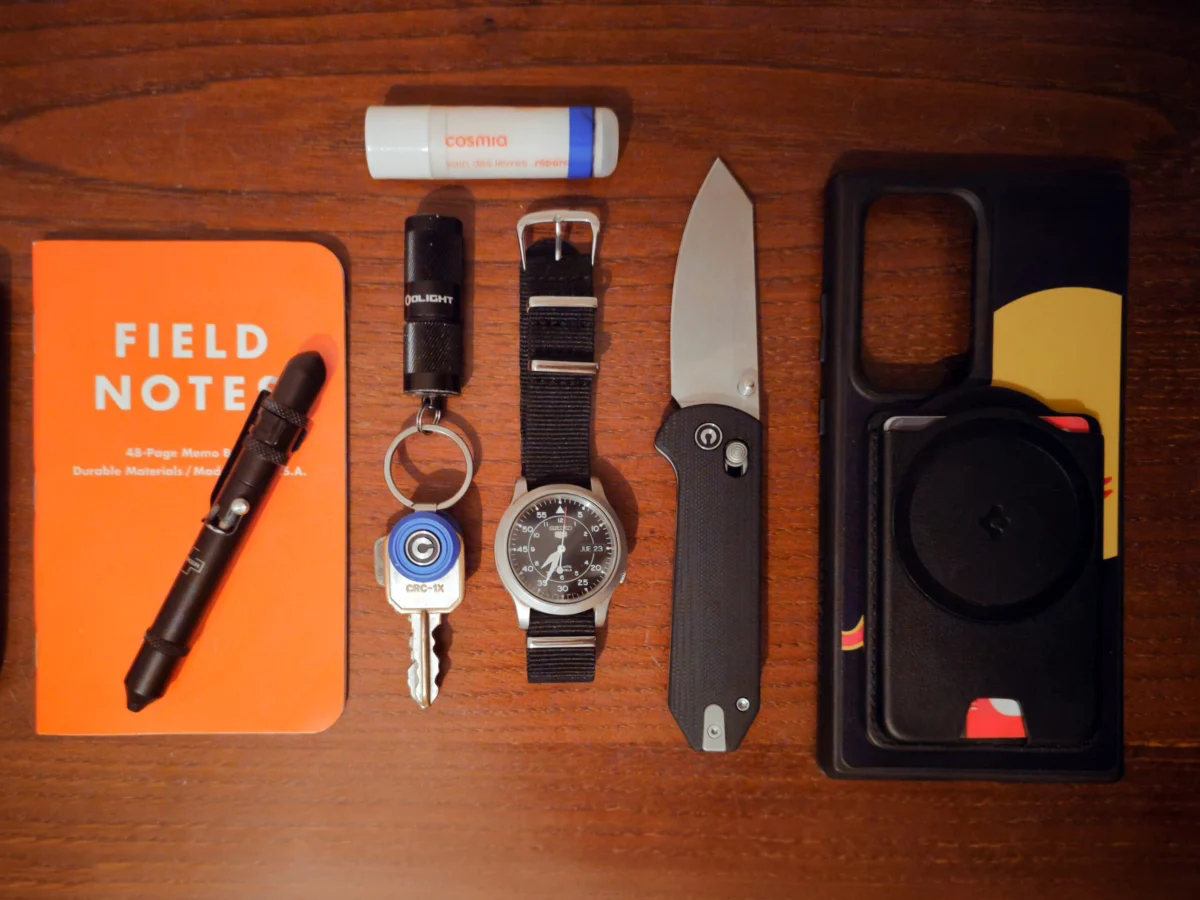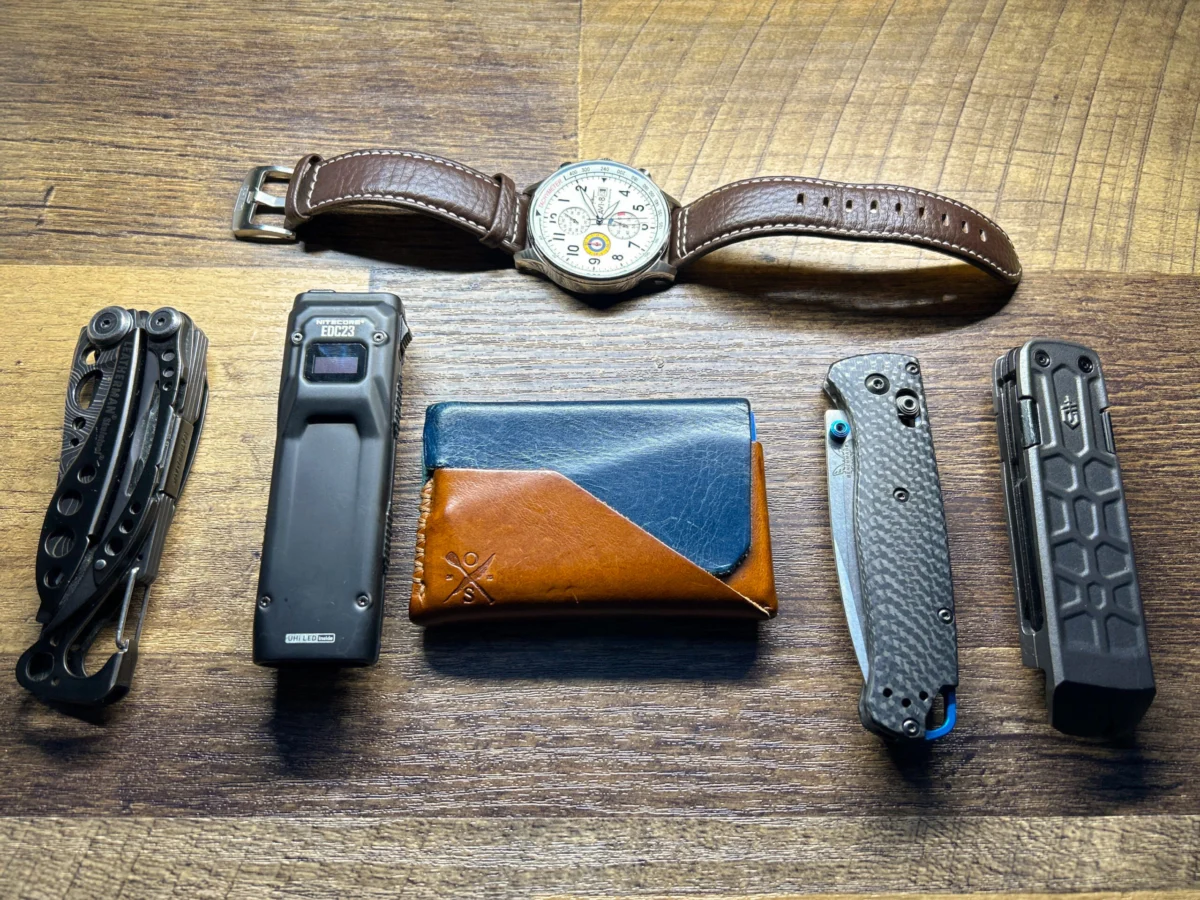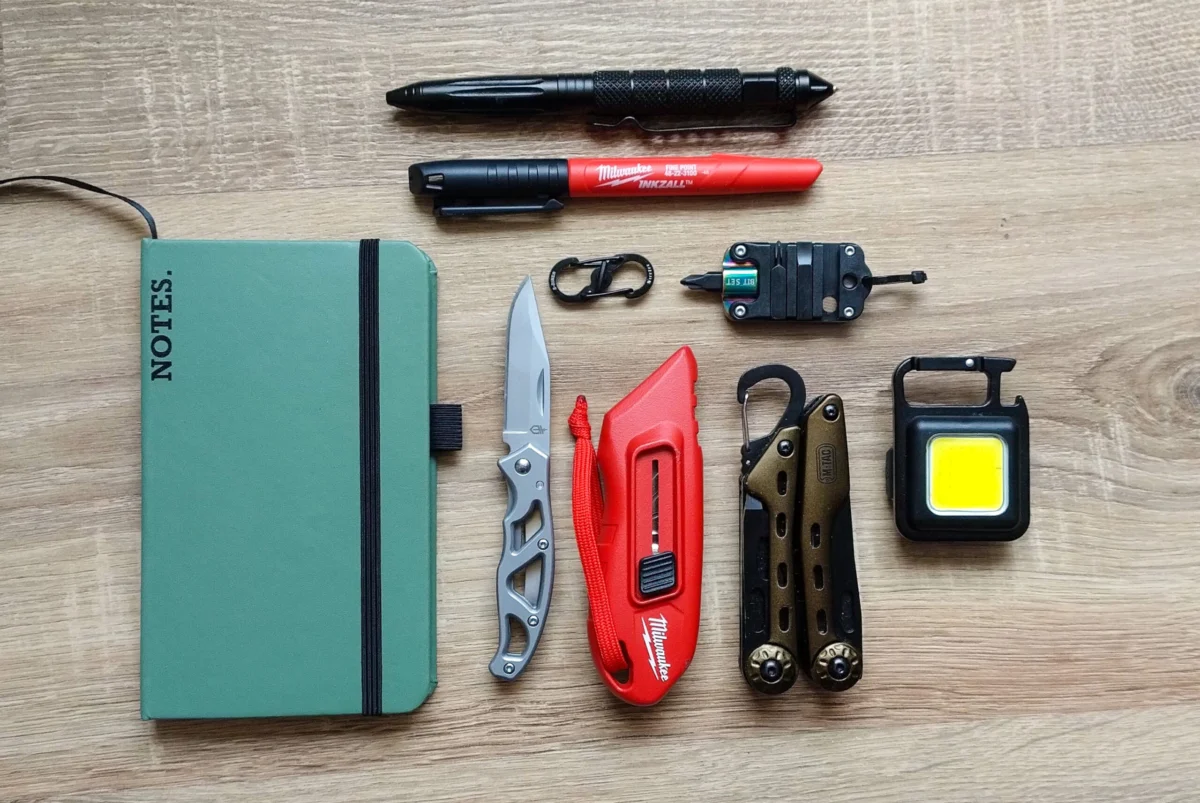








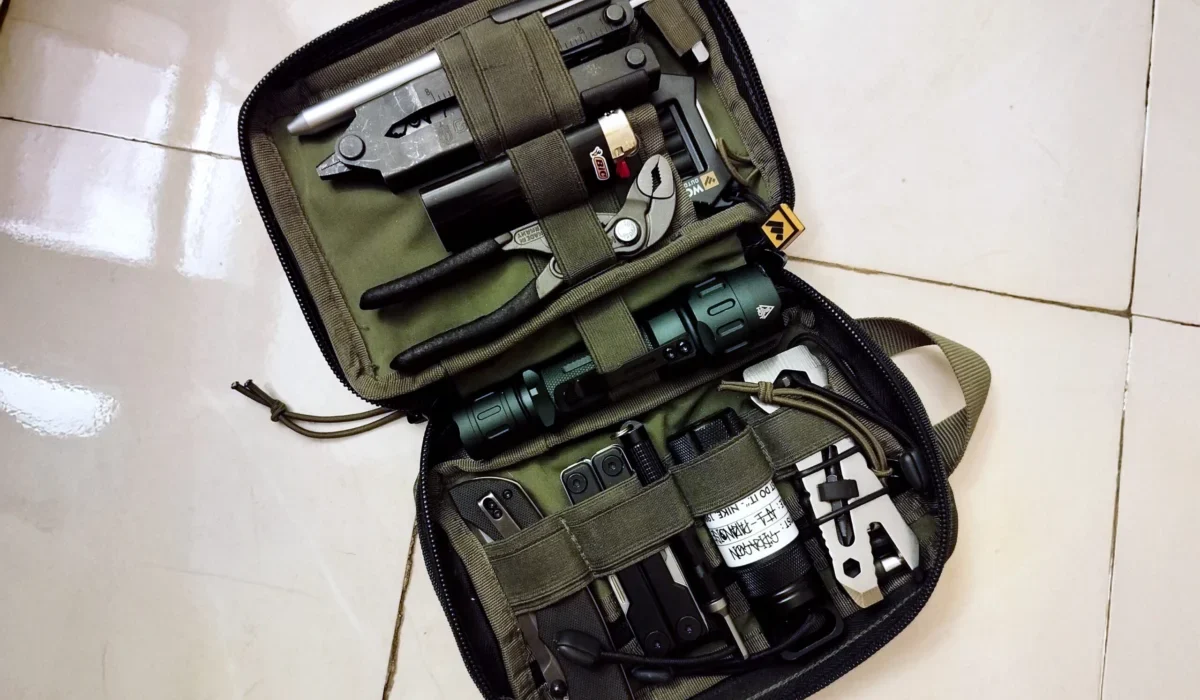
The modern everyday carry (EDC) landscape has evolved significantly from a niche hobbyist pursuit into a disciplined approach toward preparedness and efficiency. For professionals like software engineer and outdoor enthusiast Dezdenova, the philosophy of EDC is rooted in the intersection of digital complexity and wilderness minimalism. A recent submission to the community highlights a specialized pouch organization system designed specifically for extended excursions, demonstrating how strategic equipment selection can bridge the gap between technical work environments and off-grid reliability. This specific configuration, which prioritizes multi-tool redundancy and field-maintenance capabilities, offers a compelling case study in functional load-outs for those who transition frequently between the office and the campsite.
The Anatomy of a Specialized Field Kit
At the core of this EDC system is the "pouch organizer" methodology—a practice that emphasizes modularity and rapid deployment. Unlike pocket-based carry, which relies on individual items being distributed across a user’s clothing, a pouch system centralizes tools into a single, accessible unit. The selection presented by Dezdenova is particularly notable for its deliberate, multi-layered approach to tool utility.
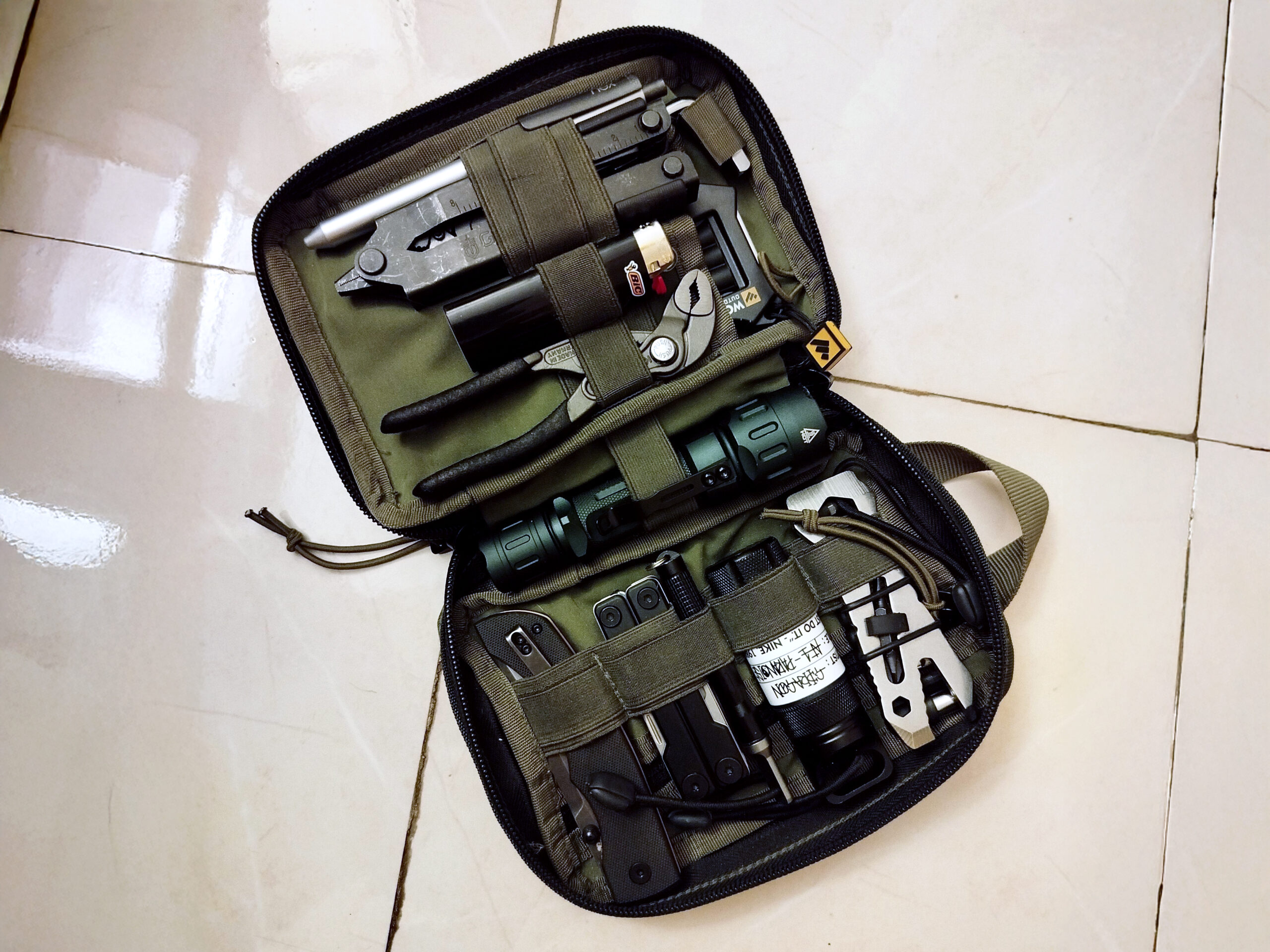
The load-out is anchored by three distinct tiers of multi-tools, a design choice that reflects a comprehensive risk-mitigation strategy. The full-sized Gerber serves as the primary workhorse, capable of handling high-torque tasks that would be impossible for smaller implements. Complementing this is a compact multi-tool manufactured by NexTool/Xiaomi, which provides a more ergonomic solution for precision work or rapid, low-impact adjustments. Rounding out the set is the discontinued Leatherman Piranha 2, a single-piece multi-tool that functions primarily as a pry bar and heavy-duty scraping tool. By carrying all three, the user effectively creates a system of redundancy; if the primary tool is engaged in a long-term task, the secondary and tertiary options remain available for immediate use.
Evolution of the Everyday Carry Movement
The rise of curated EDC kits can be traced back to the early 2010s, initially popularized by online forums and social media platforms. Initially, the movement focused on aesthetics and status-driven items, such as luxury pocket knives and custom-machined pens. However, over the past decade, the focus has shifted toward practical, utilitarian configurations that address specific lifestyle needs.
According to industry trends, the "outdoor-tech" hybrid category has seen a 22% increase in consumer interest since 2020. This shift is attributed to the rise of remote work, which has enabled a larger demographic of tech professionals to seek extended periods in remote environments without fully disconnecting from their professional responsibilities. The "software engineer-turned-camper" profile is emblematic of this demographic, necessitating gear that is lightweight enough for mobility but rugged enough to withstand environmental stressors.
The Role of Maintenance and Field Readiness
One of the most distinctive features of this specific carry is the inclusion of a dedicated pocket knife sharpener. In the context of wilderness survival and outdoor utility, the state of a blade’s edge is critical to both safety and efficiency. A dull blade requires more force to use, which increases the likelihood of slippage and injury. Furthermore, a sharp blade is essential for tasks such as fire preparation, cordage cutting, and minor gear repairs.
The inclusion of sharpening equipment indicates a shift toward long-term sustainability in gear management. Rather than viewing tools as disposable items that are replaced once they lose their edge, the user adopts a maintenance-first mindset. This aligns with broader movements toward repairability and sustainability, which have gained significant traction in the consumer electronics and outdoor equipment sectors.
Comparative Analysis: Multi-Tool Versatility
The integration of different multi-tool form factors provides a strategic advantage for those who spend significant time away from established workshops. Below is a breakdown of the functional utility offered by the tools identified in this setup:
- Full-Sized Workhorse (Gerber): Designed for heavy mechanical leverage and durability. These tools typically include robust pliers, wire cutters, and locking blades.
- Compact Utility (NexTool/Xiaomi): Optimized for speed and accessibility. These tools are often lightweight, favoring quick-release mechanisms for everyday tasks like opening packages or minor electrical adjustments.
- One-Piece Tool (Leatherman Piranha 2): Serving as a non-moving part, this tool excels in tasks that would otherwise risk damaging the folding mechanisms of traditional multi-tools, such as prying, scraping, or tightening specific bolt sizes.
This trifecta allows for a "right tool for the job" approach, preventing the premature wear and tear of a single expensive multi-tool.
Industry Implications and User Trends
The professional community observing these trends notes that this specific approach to organization—using high-density pouches to manage diverse hardware—is becoming the industry standard for outdoor preparedness. Manufacturers have responded by creating more durable, weather-resistant pouches using materials like 1000D Cordura, YKK water-resistant zippers, and internal elastic webbing to keep tools secure.
Furthermore, the data suggests that users are moving away from "gadget-heavy" setups toward "capability-heavy" setups. Where early EDC enthusiasts might have prioritized having a large number of items, current practitioners are prioritizing the capability to perform specific actions—cutting, prying, tightening, and sharpening—using the fewest, most reliable pieces of hardware possible.
The Impact of Discontinued Gear
The presence of the Leatherman Piranha 2 in the user’s kit serves as a reminder of the secondary market’s importance in the EDC community. When a manufacturer discontinues a highly functional tool, it often gains "cult status" among enthusiasts. This creates a robust secondary market where collectors and users trade, sell, and restore legacy gear. The fact that Dezdenova continues to integrate the Piranha 2 into a current, active-use kit highlights the value of specialized geometry and material science that, in some cases, has not been surpassed by newer iterations.
Broader Implications for Outdoor Preparedness
As more professionals integrate high-end gear into their leisure time, the boundary between "professional tools" and "outdoor gear" continues to blur. This has led to an increase in cross-industry innovation. For instance, the lightweight materials used in aerospace or software development (such as titanium, carbon fiber, and aerospace-grade aluminum) are increasingly being utilized in the construction of EDC gear.
This trend is not merely about consumerism; it represents a fundamental change in how individuals interact with their environments. By maintaining a highly organized and capable kit, the individual is better prepared to handle unforeseen mechanical failures, environmental challenges, or simple logistical hurdles. In a world where digital connectivity is ubiquitous, the ability to rely on analog, physical tools to solve real-world problems offers a unique form of psychological security.
Conclusion
The setup provided by Dezdenova serves as a quintessential example of modern, thoughtful everyday carry. It demonstrates that effective preparedness is not about the accumulation of gear, but the selection of tools that offer distinct, redundant, and specialized functions. Whether one is a software engineer working from a remote campsite or an outdoor professional navigating the backcountry, the principles remain the same: identify the necessary tasks, select tools that minimize failure points, and organize them in a way that allows for immediate access. As the EDC movement continues to mature, it is likely that we will see further refinements in material science and modular design, continuing to empower individuals to be ready for whatever challenges their environment may present. The focus remains clear: through careful curation and a commitment to maintenance, the modern enthusiast can ensure that they are never truly caught off guard.