










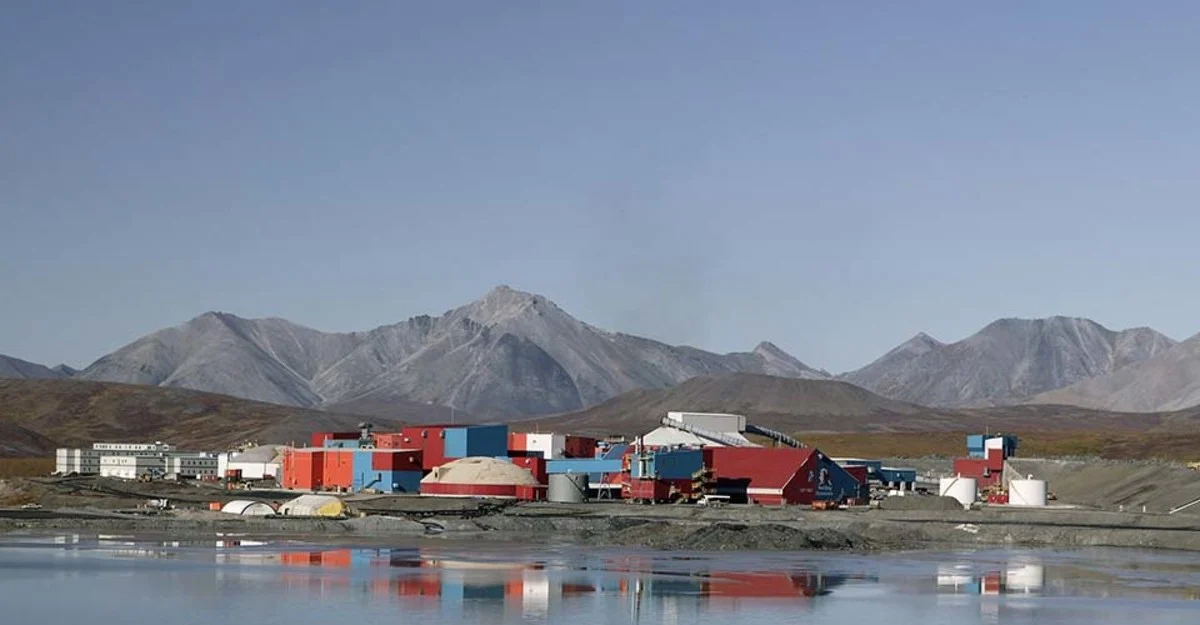
Deep in the remote wilderness of Northwest Alaska, roughly 105 miles north of the Arctic Circle, one of the world’s largest zinc and lead operations is undergoing a quiet energy transformation. The Red Dog Mine, a powerhouse of global metal supply, currently relies on an intensive fossil-fuel infrastructure, consuming approximately 40,000 gallons of diesel fuel daily to maintain round-the-clock operations. However, a newly approved, multi-million-dollar renewable energy initiative aims to reshape how heavy industry operates in extreme northern climates. An upcoming 8.8-megawatt (MW) solar farm, paired with a substantial battery energy storage system, is set to drastically reduce the facility’s carbon footprint and fuel expenditures, marking a significant milestone for industrial sustainability in the American Arctic.
The venture represents a collaborative financial and operational effort between state agencies, native corporations, and private mining interests. Recently, the board of the Alaska Energy Authority (AEA) unanimously greenlit a near-$5 million low-interest loan drawn from its Power Project Fund to catalyze the development. The overarching $35 million enterprise is being spearheaded by Tugliq Red Dog1, a specialized renewable energy developer responsible for building, owning, and operating the physical assets. Once operational, the facility will supply clean electricity directly to Teck Alaska, the subsidiary of Teck Resources that operates the massive extraction site on land owned by NANA, an Iñupiat-owned Alaska Native corporation.
Project Scope and Logistical Realities
Constructing a massive solar array in the sub-arctic environment presents unique engineering and logistical hurdles. According to administrative records and local reporting by Desiree Hagen for Alaska Public Media, initial site preparation began quietly in June, setting the stage for a projected commercial launch in October 2028. Upon completion, the installation will claim the title of the largest operational solar farm in the state of Alaska.

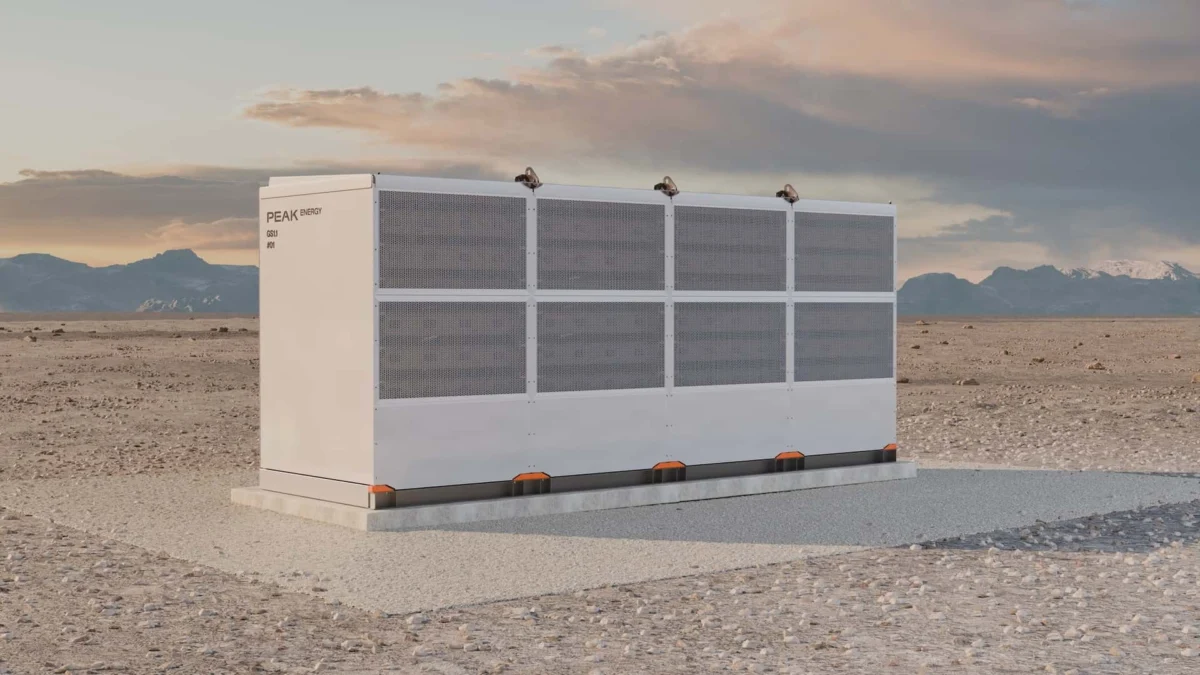
The physical scale of the project is substantial for the region. Current blueprints outline an array comprising more than 15,000 individual photovoltaic panels spanning approximately 30 acres of rugged northern terrain. To mitigate the notorious intermittency of Arctic weather—which features months of continuous daylight in the summer followed by prolonged darkness in the winter—the project incorporates an 8.8-megawatt, 15 megawatt-hour (MWh) lithium-ion battery storage system. This storage capacity is critical for capturing surplus energy during peak production windows and dispatching it reliably when demand spikes or generation drops.
Historically, Red Dog’s isolated location has left it entirely dependent on its on-site diesel generators for power generation, heat, and heavy machinery support. During peak summer months, operational loads routinely stretch the microgrid to its limits, occasionally forcing mine operators to curtail power consumption in non-essential areas of the facility. The integration of the new solar and battery infrastructure will inject a flexible, secondary power source capable of absorbing these sudden energy crunches and stabilizing the local microgrid.
Chronology and Operational Timeline
The path to integrating renewable energy at Red Dog has evolved through careful planning, environmental assessments, and economic evaluations characteristic of large-scale industrial transitions in remote territories.
- Pre-2024: Teck Alaska and energy consultants evaluate the feasibility of supplementing the mine’s heavy diesel consumption with alternative energy sources capable of withstanding extreme sub-zero temperatures and high wind loads.
- June: Initial site work and civil engineering preparations officially commence at the Red Dog property, paving the way for logistical staging north of the Arctic Circle.
- Late 2024: The Alaska Energy Authority board reviews the economic viability and public benefit of the initiative, culminating in a unanimous vote to approve a near-$5 million loan through the state’s Power Project Fund.
- October 2028 (Projected): The 8.8-MW solar installation and its accompanying 15-MWh battery storage system are scheduled to come online, officially commencing commercial electricity sales to Teck Alaska.
- 2031 (Projected): Teck Resources estimates that current, highly productive mineral reserves at the main Red Dog deposit will reach depletion under current operating plans, shifting the site toward post-mining transition phases.
Evolving Energy Needs Across the Mine’s Lifecycle
The quantitative impact of the solar farm shifts dramatically depending on the operational phase of the mine. Under current active mining conditions, the state of Alaska projects that the 8.8-MW solar array and battery system will satisfy roughly 5% of the massive facility’s total annual electricity consumption. While a 5% offset may appear modest against a backdrop of 40,000 daily gallons of diesel, in absolute terms, it represents a massive displacement of fossil fuels for an off-grid Arctic microgrid.

Teck Resources is currently evaluating the potential development of two nearby mineral deposits that could extend the life of the industrial complex well beyond the current 2031 horizon. Should those expansion efforts receive final approval and move forward, the relative share of electricity supplied by the solar and battery project would adjust to approximately 3% of the expanded operation’s significantly larger energy demand.
Conversely, the true long-term value of the renewable asset becomes strikingly apparent once active commercial extraction permanently ceases. When mining operations conclude, the site’s overall energy demand will plummet by an order of magnitude. However, environmental stewardship mandates that the location remain active for extensive post-closure remediation, site cleanup, and long-term water treatment facilities—operations that require a steady, decades-long supply of electricity.
In a post-mining scenario where heavy industrial extraction has ceased, the solar and storage installation is projected to cover an impressive 90% of the site’s annual electricity requirements. This drastic reduction in operating costs shields future environmental management funds from volatile global diesel prices, which are historically exacerbated by the extreme logistical costs of barging or trucking fuel to remote northern outposts.
Economic and Environmental Implications
The partnership between Tugliq Red Dog1, Teck Alaska, and NANA highlights a broader paradigm shift occurring across the global mining sector. Resource extraction companies face mounting pressure from investors, regulatory bodies, and local communities to decarbonize their supply chains and reduce exposure to commodity price shocks associated with imported fossil fuels.

For Alaska, the Red Dog project serves as a proving ground for large-scale renewable integration in isolated microgrids. Because the state is dotted with dozens of remote communities and industrial sites that rely entirely on imported diesel for power generation, successful deployment of high-latitude solar and battery storage offers a scalable blueprint. The technological lessons learned regarding panel durability, snow shedding, inverter performance in sub-zero temperatures, and battery thermal management will likely inform future clean energy deployments across rural Alaska and other circumpolar regions.
Furthermore, the involvement of NANA underscores the economic self-determination of Indigenous corporations in shaping industrial activity on their ancestral lands. By supporting projects that not only power current mineral extraction but also secure the long-term, low-cost energy needed for environmental remediation, native leadership ensures lasting utility long after the mineral wealth has been fully extracted.
As site work continues to progress toward the anticipated late-2028 commissioning date, all eyes in the northern energy sector will remain fixed on the Red Dog Mine. The project stands as a testament to the fact that even in the harshest, most isolated environments on Earth, the economics of renewable energy storage are fundamentally altering how heavy industry powers its future.