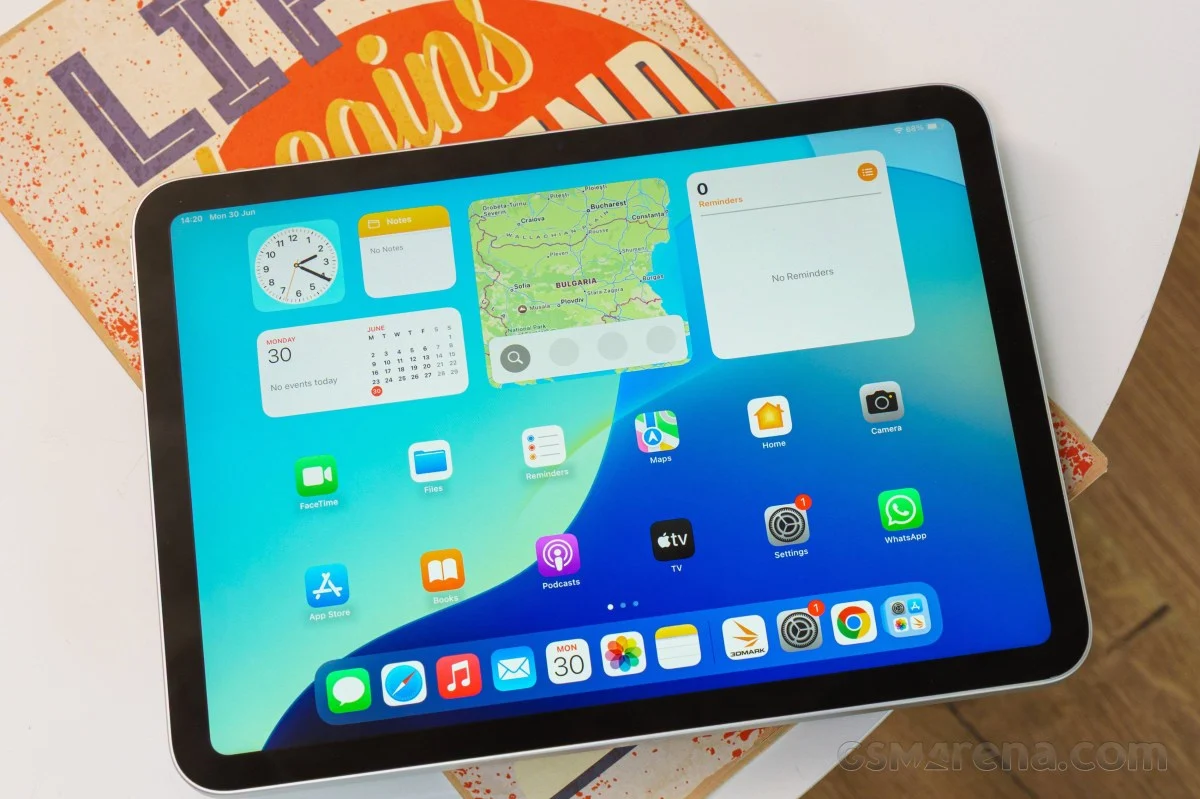
The upcoming iteration of Apple’s entry-level tablet, slated for release in the spring of 2027, is poised to bring a substantial hardware overhaul that aligns the base-model iPad with the company’s broader artificial intelligence initiatives. Recent analysis of internal Apple code has unveiled key specifications for the device, confirming a shift toward more robust silicon, increased memory capacity, and next-generation networking capabilities. These findings offer a comprehensive look at how the tech giant plans to bridge the gap between its budget-friendly tablet offerings and the requirements of the Apple Intelligence ecosystem.
Technical Specifications and Hardware Architecture
At the heart of the 2027 entry-level iPad will be the A19 Bionic chip, a major architectural leap from the A16 chip featured in the current 2025 model. The transition to the A19 architecture is expected to provide substantial improvements in both computational speed and power efficiency, which are critical for maintaining battery life during intensive tasks. Furthermore, the memory configuration is set to increase to 8GB of RAM, a 33% increase over the 6GB found in the existing hardware.
This hardware foundation is specifically engineered to support Apple Intelligence, the company’s suite of generative AI tools. By mandating 8GB of RAM, Apple ensures that the device can handle on-device machine learning models, which require significant memory overhead. The inclusion of the new Siri AI, which relies on these advanced neural processing capabilities, suggests that the 2027 iPad will no longer be relegated to simple media consumption or basic productivity, but will instead function as a capable AI-driven computing device.
Networking and Connectivity Enhancements
Beyond internal processing power, the 2027 iPad will receive a comprehensive networking upgrade. The device is expected to feature Apple’s custom C1X modem, providing enhanced connectivity for sub-6GHz 5G networks. This is a critical development for users who rely on cellular data in environments where Wi-Fi access is limited or unreliable. The C1X modem is designed to provide better signal acquisition and lower latency compared to its predecessors, reflecting Apple’s ongoing strategy of vertical integration in its cellular modem development.
Equally significant is the inclusion of the N1 networking chip. This component brings support for Wi-Fi 7, the latest standard in wireless networking, which promises lower latency, higher throughput, and more efficient management of crowded networks. Additionally, the N1 chip incorporates Bluetooth 6 and Thread support. The inclusion of Thread, a low-power, mesh-networking protocol, signals that Apple intends for the entry-level iPad to serve as a more robust hub for smart home devices, further integrating the tablet into the Apple Home ecosystem.
A Chronology of the Entry-Level iPad Evolution
To understand the significance of these 2027 updates, one must look at the historical trajectory of the entry-level iPad. Since its inception, the product line has served as the gateway to the Apple ecosystem, often prioritizing price accessibility over bleeding-edge performance.
- 2017–2020: The entry-level iPad was defined by consistent, incremental updates to processors, maintaining a familiar chassis design and Lightning connectivity to keep costs low.
- 2022: Apple introduced a significant redesign, moving to a modern flat-edged aesthetic, USB-C connectivity, and the removal of the home button, marking a departure from the "legacy" design language.
- 2025: The current entry-level iPad refined these features, incorporating the A16 chip and focusing on display quality and thermal management. However, the June 2025 price hike, which saw the base model rise to $449, shifted the market perception of the device.
- 2027 (Projected): With the upcoming release, the focus shifts to AI integration and advanced connectivity, marking the end of the "budget-first" era and the beginning of the "AI-ready" entry-level era.
Market Dynamics and Pricing Implications
The evolution of the iPad’s specifications inevitably leads to discussions regarding retail pricing. The current $449 price point, established following the mid-2025 price adjustment, was met with mixed reactions from analysts who noted the increasing cost of high-performance components. Industry analysts suggest that incorporating the A19 chip, 8GB of RAM, and the advanced N1 networking module will exert significant upward pressure on the bill of materials (BOM).
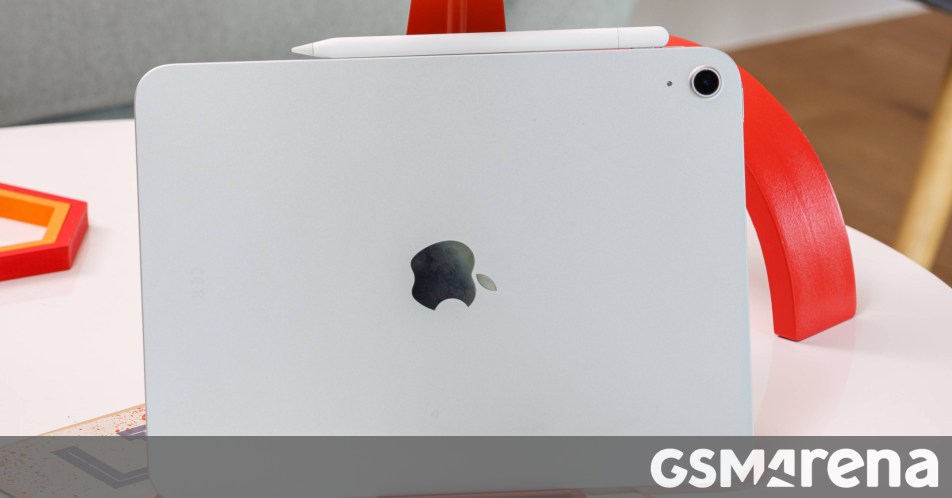
While Apple has historically attempted to maintain competitive pricing for the entry-level segment, the current technical roadmap suggests that a price increase to $499 or higher is a distinct possibility. This potential price hike reflects the broader inflationary pressures in semiconductor manufacturing and the rising costs associated with integrating specialized AI-ready silicon into lower-cost consumer electronics. Whether Apple chooses to absorb these costs to maintain market share or passes them to the consumer remains a point of intense speculation among supply chain analysts.
Broader Impact on the Tablet Market
The decision to standardize AI capabilities across the iPad lineup, including the entry-level model, carries significant implications for the tablet industry. By ensuring that even the most affordable tablet can run advanced Siri features and local machine learning tasks, Apple is effectively raising the floor for what constitutes a "functional" tablet in the modern era.
This move forces competitors to accelerate their own AI integration efforts. Companies that rely on Android-based tablets may find themselves at a disadvantage if they cannot provide similar on-device AI performance at a comparable price point. Furthermore, the integration of Thread and Wi-Fi 7 solidifies the iPad’s position not just as a content consumption device, but as a central control unit for modern, interconnected homes.
Analysis of Apple’s Strategic Shift
Apple’s strategy appears to be a multi-pronged approach to maintaining dominance in the tablet market. First, by standardizing the A-series chip evolution, they simplify their software development pipeline, ensuring that iPadOS updates run consistently across a wider range of devices. Second, by focusing on Apple Intelligence, they create a "walled garden" effect where users are incentivized to remain within the Apple ecosystem to take advantage of the seamless integration between their iPhone, Mac, and iPad.
The decision to include 8GB of RAM is particularly telling. Previously, Apple was often criticized for keeping memory capacity low to maximize margins. However, the move to 8GB is a functional necessity to support the LLM (Large Language Model) requirements of Apple Intelligence. This confirms that Apple is prioritizing user experience and feature parity over the incremental savings that would have been achieved by sticking to 6GB of RAM.
Conclusion and Future Outlook
The leaked specifications for the 2027 entry-level iPad represent a turning point for the product line. No longer merely a budget tablet for students or casual users, the upcoming model is set to be a sophisticated piece of hardware capable of high-speed connectivity and advanced artificial intelligence. While the hardware itself promises a significant jump in utility, the potential impact on pricing will be the primary metric by which consumers judge the success of this transition.
As the industry moves closer to the spring 2027 launch window, further leaks and supply chain disclosures are expected to clarify the production timeline. For now, the integration of the A19 chip, 8GB of RAM, and next-generation connectivity standards paints a clear picture of an Apple product line that is doubling down on its commitment to high-performance, AI-driven personal computing, regardless of the price bracket. As Apple continues to refine its ecosystem, the entry-level iPad stands as a testament to the company’s ability to scale high-end technology to a mass-market audience, provided the economics of such a move remain sustainable in an increasingly volatile global electronics market.