The sustainability movement within the outdoor sports industry has reached a pivotal juncture as manufacturers and consumers alike grapple with the environmental impact of synthetic equipment. Climbing gear—typically constructed from high-tensile steel, aluminum alloys, and specialized nylon or Dyneema webbing—is subject to rigorous safety standards, such as those mandated by the Union Internationale des Associations d’Alpinisme (UIAA) and the European Committee for Standardization (CEN). Once these materials exceed their designated shelf life or sustain structural damage, they are frequently relegated to landfills. However, a growing trend among the climbing community involves upcycling this specialized hardware into domestic utility items, effectively extending the lifecycle of high-performance materials.
The Lifecycle of Climbing Equipment: A Safety Imperative
Climbing gear is designed for high-stress environments, often tested to withstand dynamic forces exceeding 20 kilonewtons. Standard industry recommendations, as outlined by major manufacturers like Black Diamond and Petzl, suggest retiring soft goods—such as ropes, harnesses, and slings—after five to ten years, regardless of use, due to the natural degradation of polymers caused by ultraviolet (UV) radiation, chemical exposure, and micro-abrasions. Hard goods, including carabiners and mechanical cams, are similarly retired upon showing signs of fatigue, stress fractures, or gate malfunction.
The disposal of these items presents a logistical challenge. Many recycling facilities are not equipped to process the mixed-material composition of climbing ropes (a nylon sheath over a nylon core) or the heat-treated aerospace-grade aluminum found in carabiners. By repurposing these items into household tools, users can divert significant tonnage from municipal waste streams while maintaining the durability inherent in the equipment’s original design.

Chronology of the Repurposing Trend
The movement toward "gear-cycling" gained significant traction between 2022 and 2026, coinciding with a global surge in climbing popularity following the sport’s inclusion in the Olympic Games. As more participants entered the fold, the volume of retired equipment escalated proportionally.
By 2024, specialized online forums and social media platforms began documenting experimental DIY projects. Early efforts focused on aesthetic modifications, such as converting chalk bags into planters. By 2025, the focus shifted toward high-utility applications, such as using accessory cords for architectural load-bearing and utilizing retired metal hardware as structural fasteners. The publication of these methodologies has since transitioned from niche subcultural interest to a broader discussion on circular economy practices within the outdoor industry.
Functional Applications in the Domestic Sphere
Repurposing efforts generally fall into two categories: static load-bearing and organizational utility.
Structural Load-Bearing and Rigging
Accessory cords, particularly those with a diameter of 6mm or greater, possess a breaking strength often exceeding 8–9 kilonewtons. When retired from climbing, these cords retain significant tensile strength, making them ideal for hanging interior fixtures such as heavy decorative lighting, studio equipment, or shelving. Engineering experts advise that while these cords are reliable for static loads, they should never be repurposed for life-safety systems (e.g., overhead climbing anchors or fall protection) once their official service life has expired.
Hardware as Architectural Fasteners
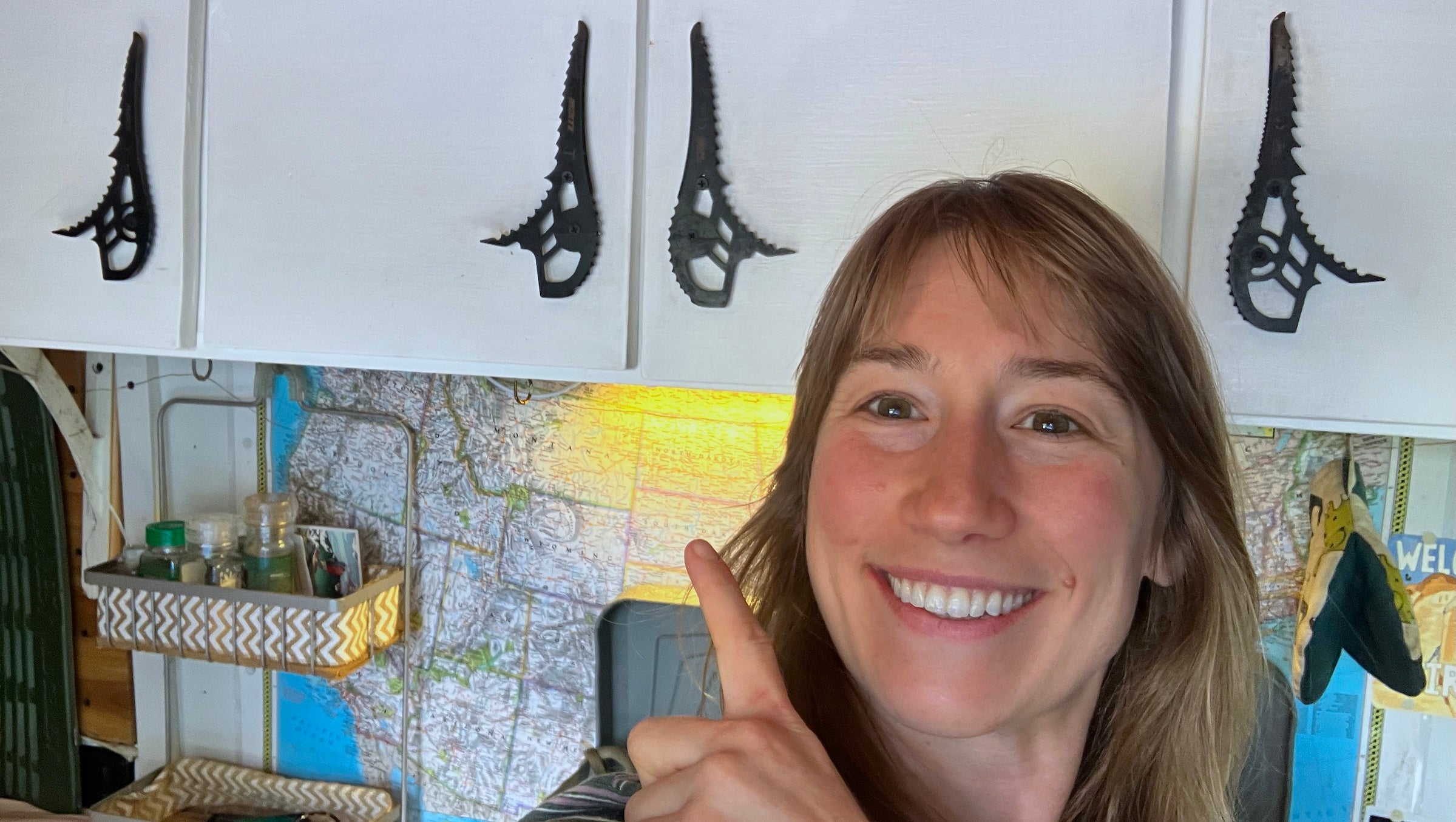
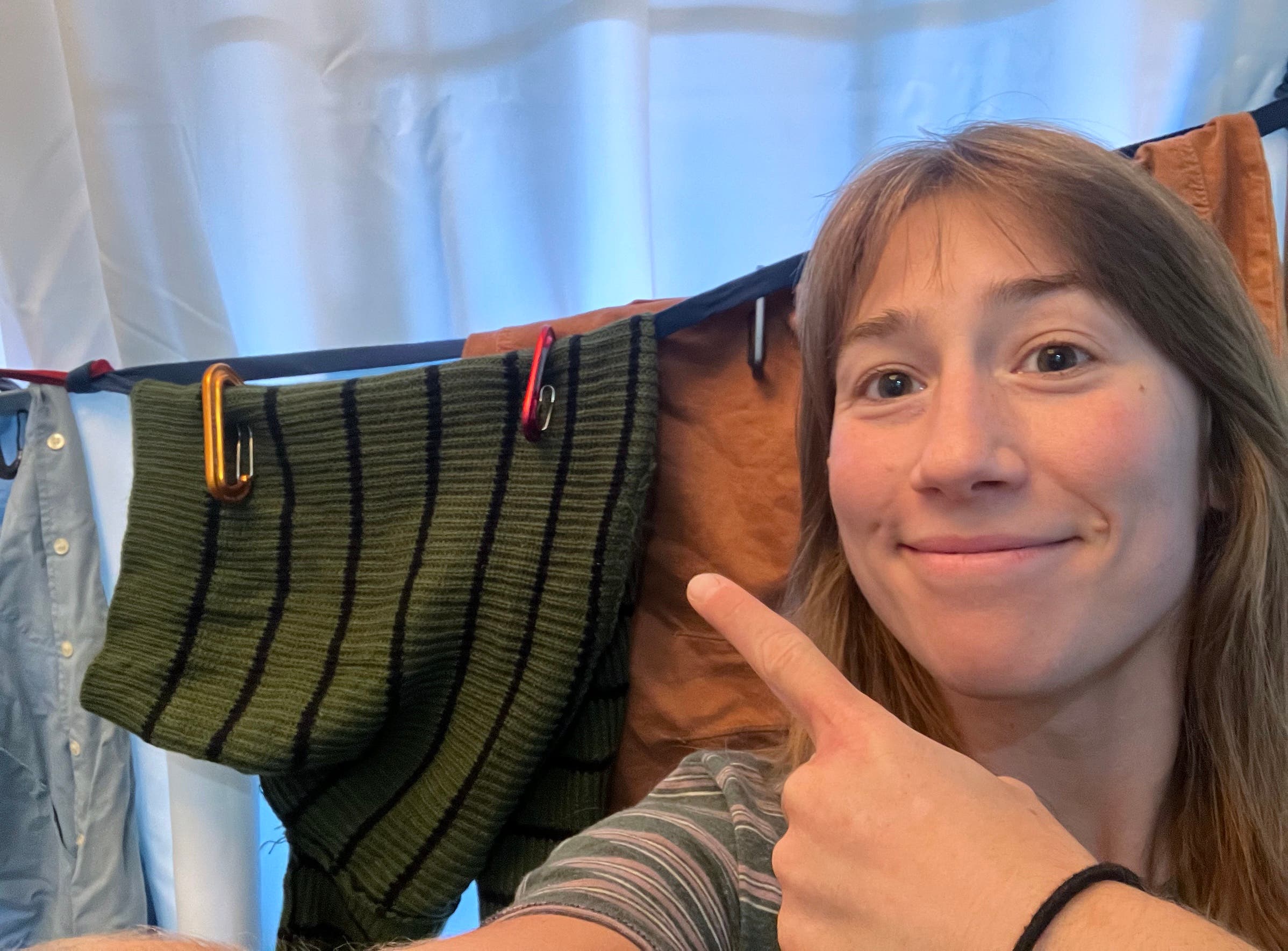
The mechanical integrity of stainless steel and aluminum climbing hardware allows for innovative applications in cabinet and furniture design. Retired ice axes, which feature ergonomic grips and high-strength shafts, are increasingly utilized as bespoke cabinet pulls. This application requires precision drilling and the use of machine screws to secure the metal to cabinetry. While this provides a robust aesthetic, interior designers note that the grip geometry of an ice axe—intended for gloved use in sub-zero temperatures—may provide a unique tactile experience compared to standard hardware.
Data on Waste Reduction and Sustainability
Recent industry estimates indicate that a single active climber generates approximately 1.5 to 3 kilograms of retired soft goods annually. With an estimated 35 million climbers globally, the total potential waste is substantial. Small-scale upcycling efforts, while not a replacement for industrial-scale recycling, provide a critical mechanism for individual responsibility.
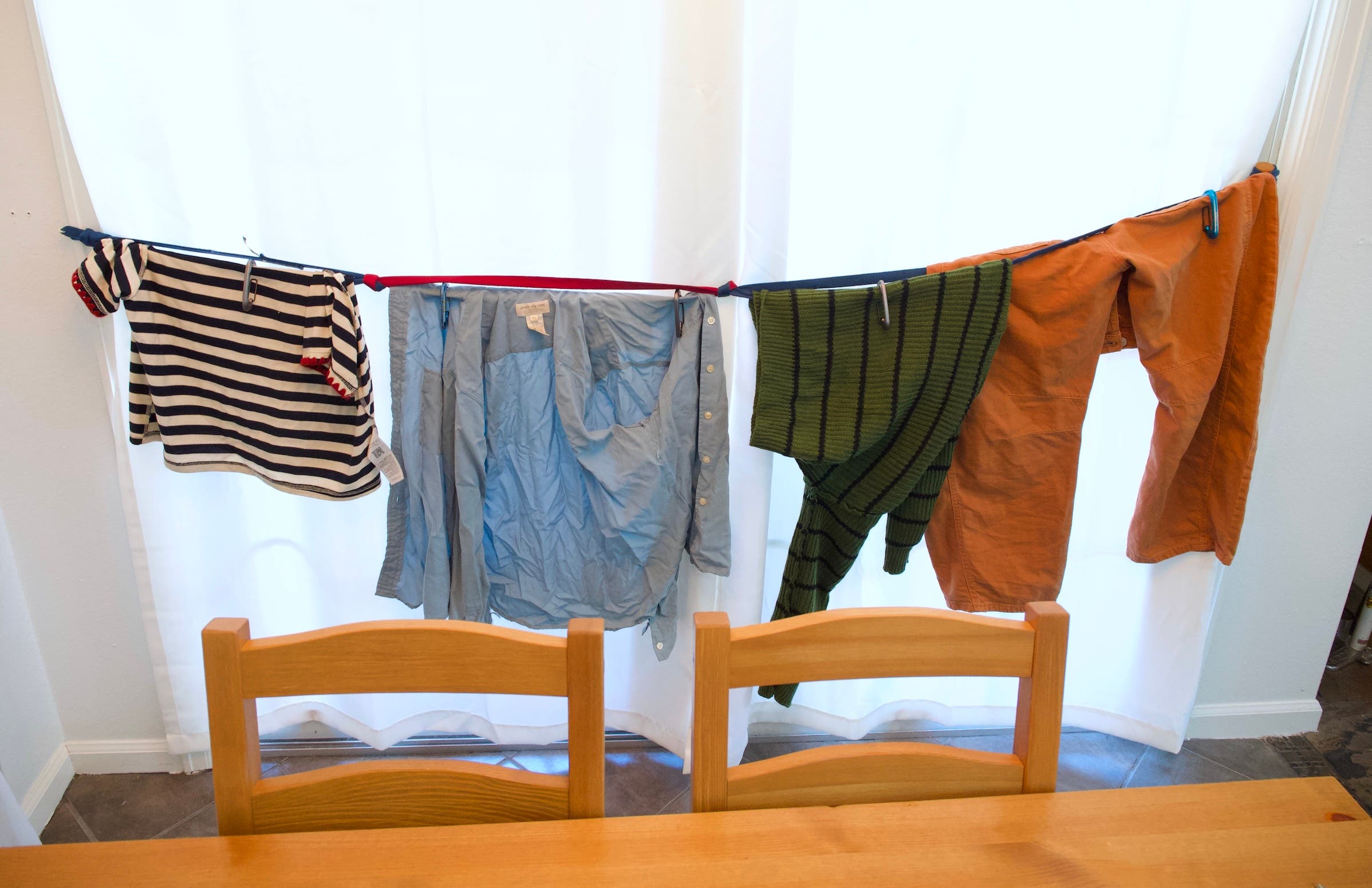
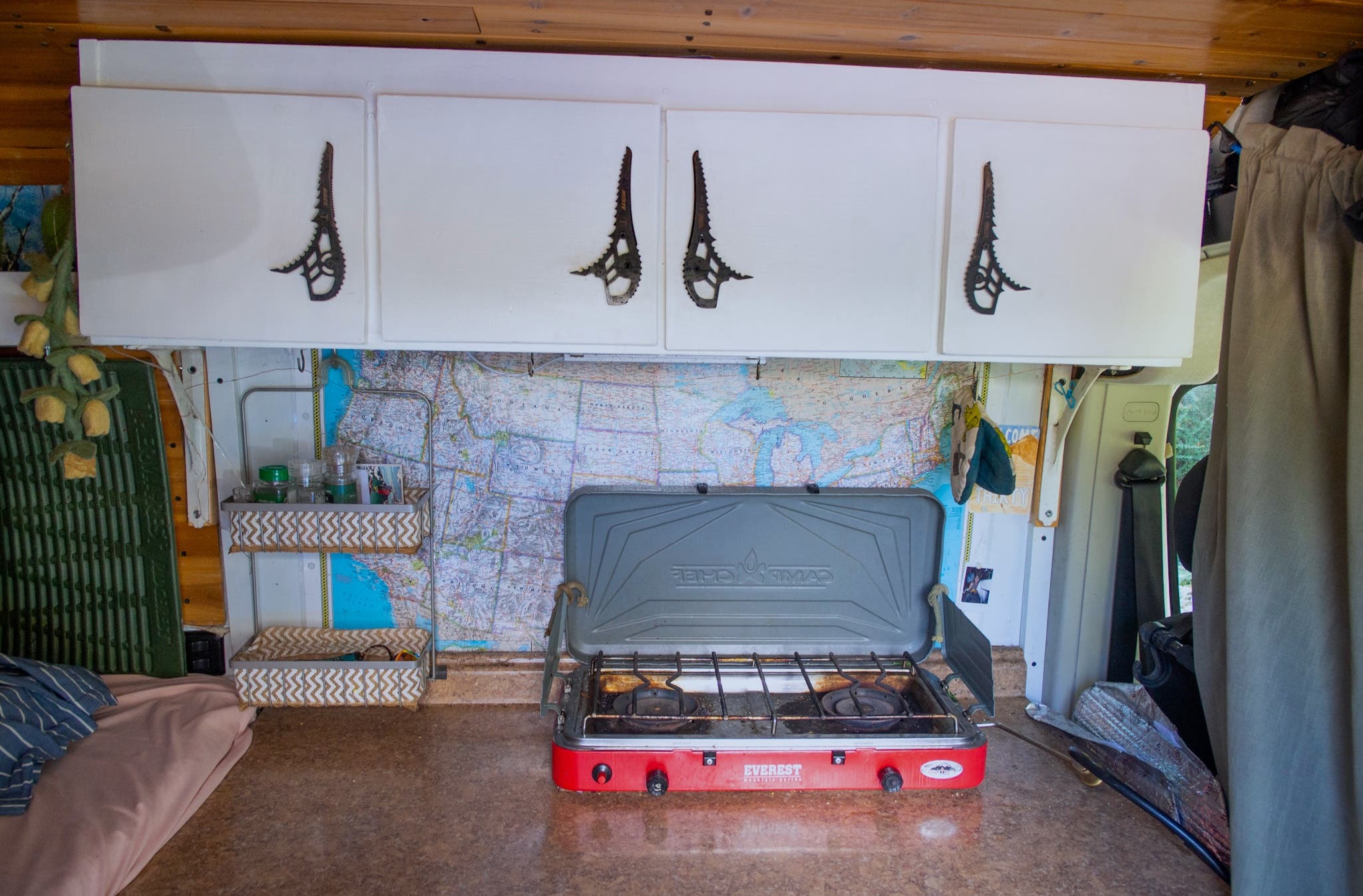
According to lifecycle assessments conducted by textile researchers, repurposing nylon webbing for utility functions—such as clotheslines or strap systems—prevents the immediate release of synthetic fibers into landfill environments, where they could take centuries to break down. Furthermore, the high heat resistance of climbing-grade nylon makes these materials particularly well-suited for outdoor or high-humidity laundry environments where standard cotton or plastic lines might fail.
Official Responses and Industry Standards
Leading outdoor manufacturers have largely remained neutral regarding the home use of retired gear, primarily due to liability concerns. A representative for a major climbing hardware firm stated, "We emphasize that equipment is tested and certified for specific safety parameters. Once an item is retired, its structural integrity can no longer be guaranteed for climbing. While we acknowledge the creative spirit of the community, we advise consumers to use common sense and avoid utilizing retired gear for any application where human safety is at risk."
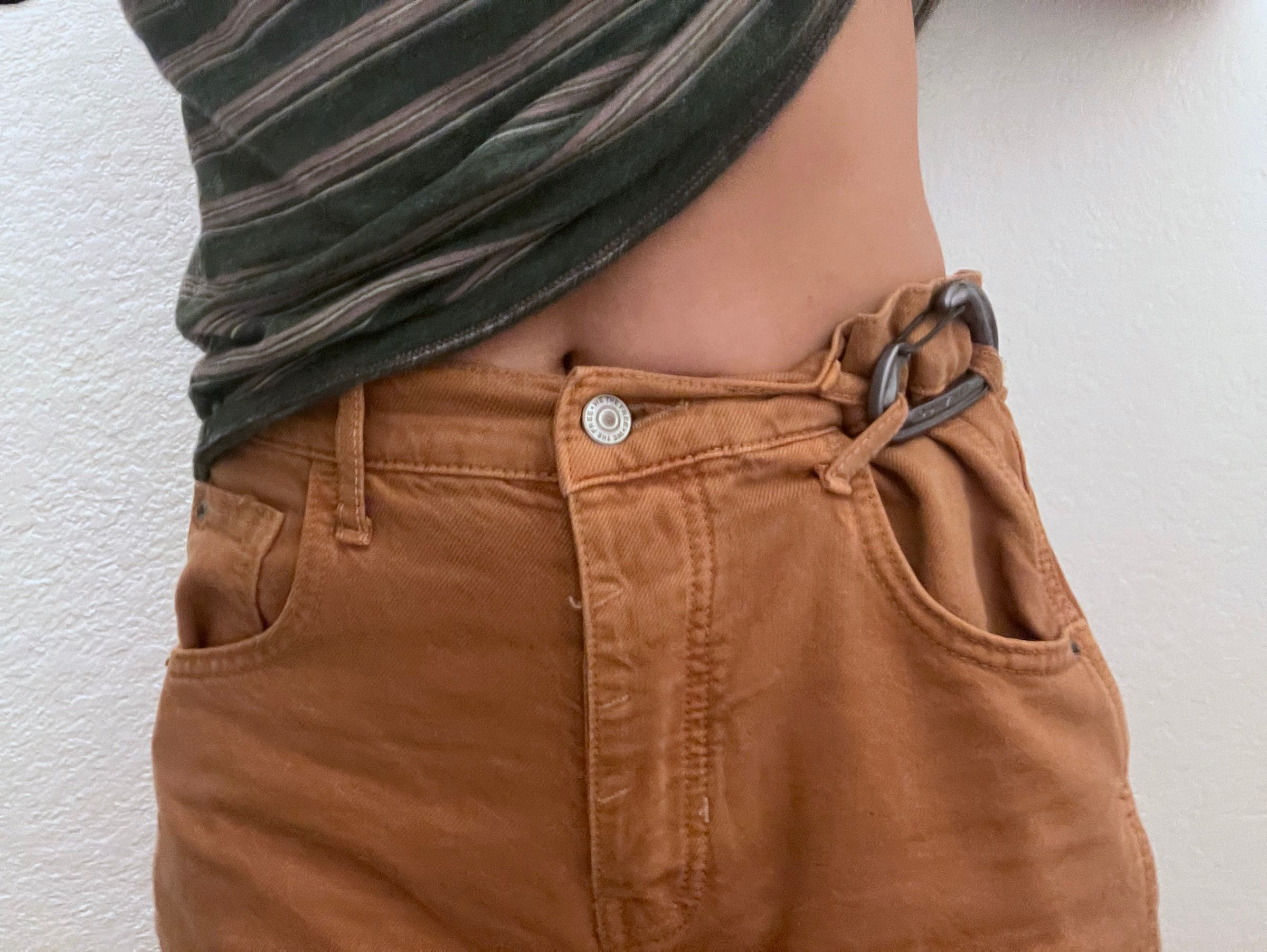
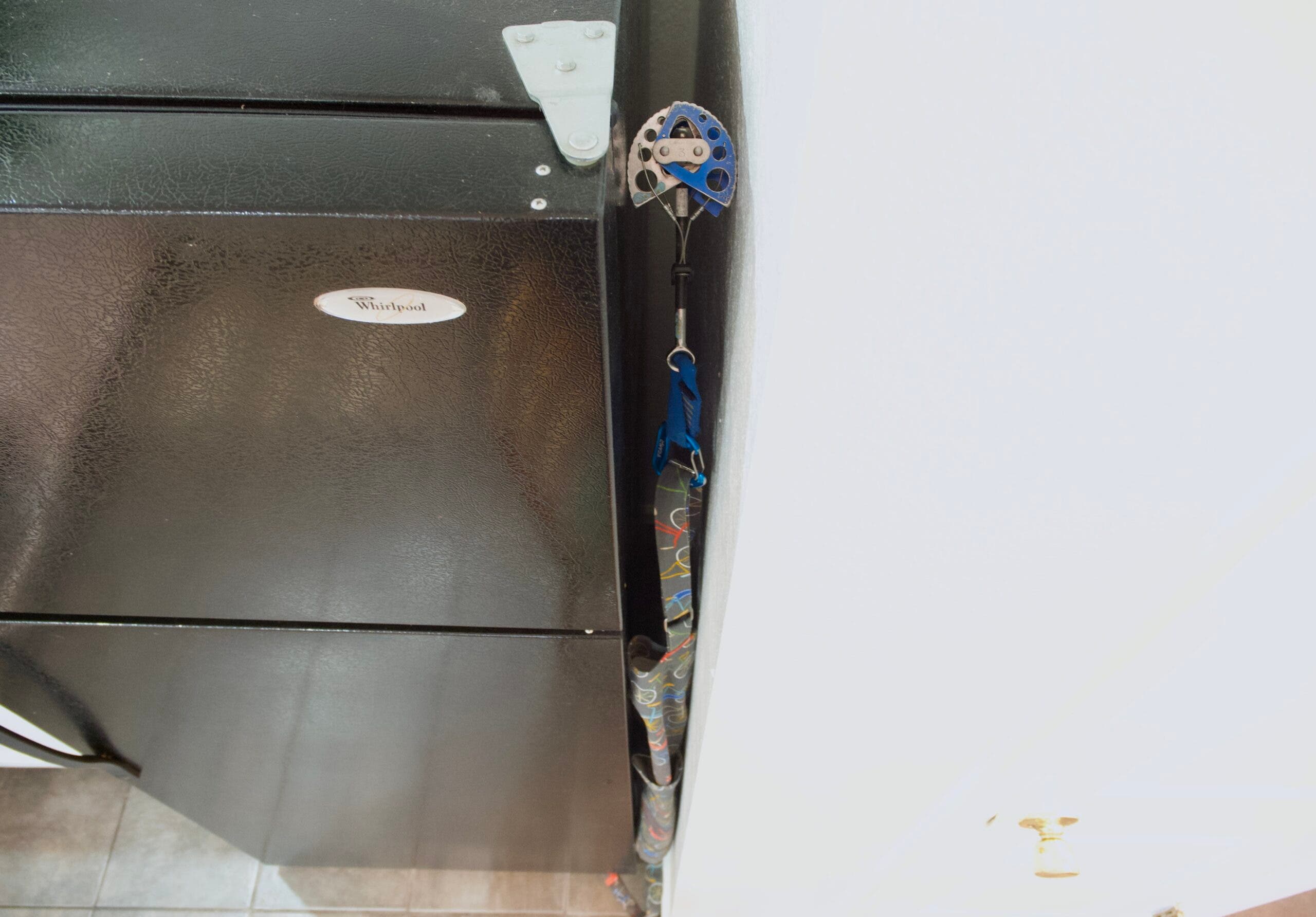
The consensus among industry safety experts is that repurposing should be restricted to non-critical, non-safety-dependent tasks. For instance, using a retired camming device to support an apron or a set of alpine draws to manage cable clutter does not introduce risks to human life. Conversely, using retired rope for swing sets or load-bearing furniture construction is strongly discouraged, as the internal core degradation of the rope is often invisible to the naked eye.
Broader Implications and Future Outlook
The shift toward gear-cycling mirrors a broader cultural pivot toward "slow consumption." As the cost of high-performance gear continues to rise—driven by the increased price of raw aluminum and synthetic polymers—the economic incentive to extend the life of these tools has never been greater.
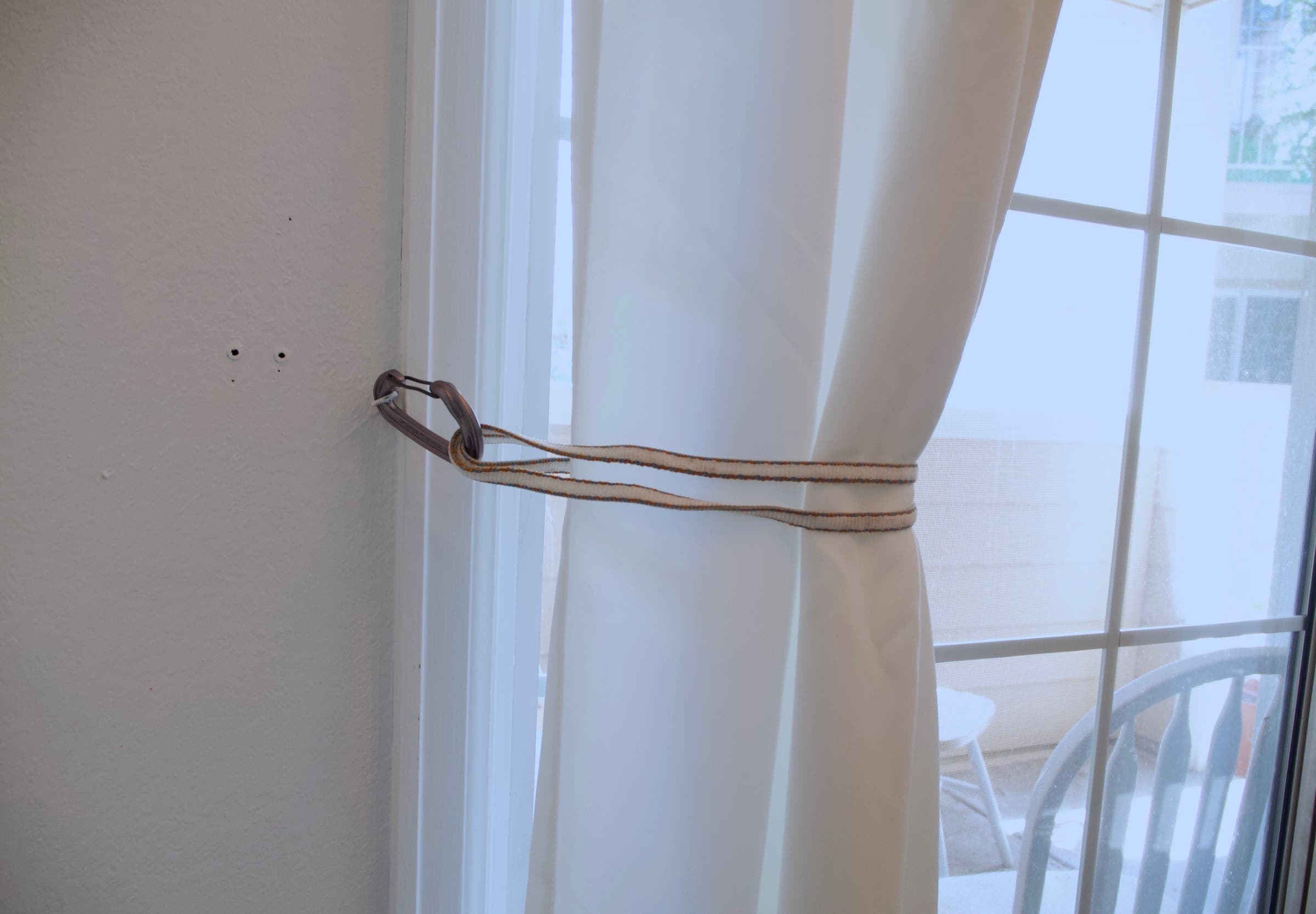
Beyond the aesthetic appeal, the practice serves as a practical lesson in material science. Participants are learning the tensile limits, knot-holding capabilities, and friction coefficients of the equipment they rely on at the crag. This deepened understanding of material properties often results in safer practices while climbing, as users become more adept at identifying the early warning signs of wear and tear.
Furthermore, the rise of "gear-cycling" has prompted a dialogue with manufacturers regarding take-back programs. Several companies have begun investigating the feasibility of "closed-loop" manufacturing, where retired gear is returned to the factory, shredded, and re-extruded into new components. Until such programs are fully implemented at a global scale, the individual repurposing of gear serves as a vital bridge between environmental awareness and personal habit.
Summary of Best Practices for Home Repurposing
For those intending to implement these hacks, safety and preparation are paramount.
- Cleaning and Inspection: Before installation, all gear should be washed in warm, mild soapy water to remove accumulated grit, dirt, and chemical residues that could damage household surfaces.
- Structural Assessment: Always evaluate the mounting point of any repurposed gear. A piece of climbing hardware is only as strong as the surface to which it is attached.
- Chemical Neutralization: For items that have been exposed to climbing-specific chemicals (such as chalk or aggressive cleaners), ensure the material is completely neutralized before placing it in contact with clothing or food-grade surfaces.
- Permanent Marking: It is recommended to mark retired gear with permanent ink or paint to ensure it is never inadvertently mixed with active, safety-rated climbing equipment during an emergency.
As the industry continues to evolve, the intersection of high-performance climbing equipment and domestic utility will likely continue to expand, transforming "junk" into a functional, if unconventional, testament to the sport’s history and the ingenuity of its practitioners. By treating retired equipment as a valuable resource rather than waste, the climbing community continues to demonstrate a unique capacity for adaptation—both on the rock face and within the home.