The evolution of athletic competition has historically oscillated between the rigid constraints of the track and the expansive, unpredictable nature of off-road terrain. On October 3, 2026, Los Angeles will host the inaugural Gravelanza, a hybrid event that seeks to bridge the gap between high-performance trail running and the immersive social atmosphere of a music festival. Held within the rugged confines of Griffith Park, the event represents a growing trend in the sports industry: the "festivalization" of endurance racing, where the post-race experience is weighted as heavily as the competition itself.
The Return to Natural Surfaces
The concept of gravel running, while currently trending in the outdoor industry, is a return to the foundational principles of the sport. The earliest Olympic records from 776 B.C. describe running events held on unpaved, uneven tracks. Unlike the standardized, energy-returning synthetic surfaces of modern stadiums, gravel requires a different physiological engagement. The instability of the surface forces athletes to utilize stabilizer muscles in the ankles and core, offering a more holistic physical challenge than traditional road racing.
The choice of Griffith Park as the venue for Gravelanza is intentional. As one of the largest urban wilderness parks in North America, it offers a topography that ranges from coastal sage scrub to dense oak woodlands. With a peak elevation of 1,625 feet, the park provides the necessary vertical gain to differentiate the event from flat-ground urban marathons. By utilizing the park’s existing fire roads and technical trails, the event organizers have created a five-mile loop that demands technical precision, including 864 feet of elevation gain, forcing competitors to manage their heart rates across varying grades.
Event Chronology and Logistics
The Gravelanza weekend is structured as a two-day immersion into the mountain sports culture pioneered by Salomon. The timeline for the event is as follows:
- October 2, 2026 (The Pre-Race): The festivities commence with the "Salomon Shake Out Run," a 3.1-mile community jog. This event serves as a low-stakes orientation for participants to collect race bibs at Fleet Feet in Burbank and acclimate to the local running community.
- October 3, 2026 (The Main Event): The primary competition begins in the morning. The individual race acts as the centerpiece, featuring both a competitive category for those chasing the "Master of the Mountain" title—awarded to the fastest time over a specific, high-intensity segment—and an open category for recreational runners.
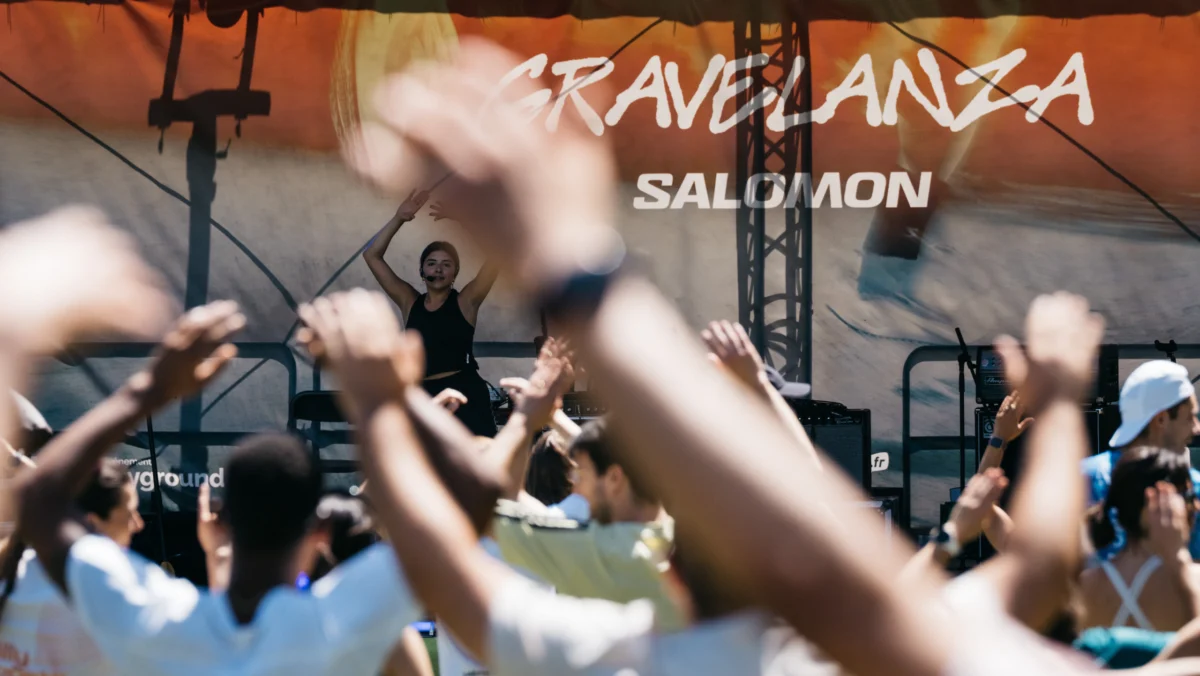
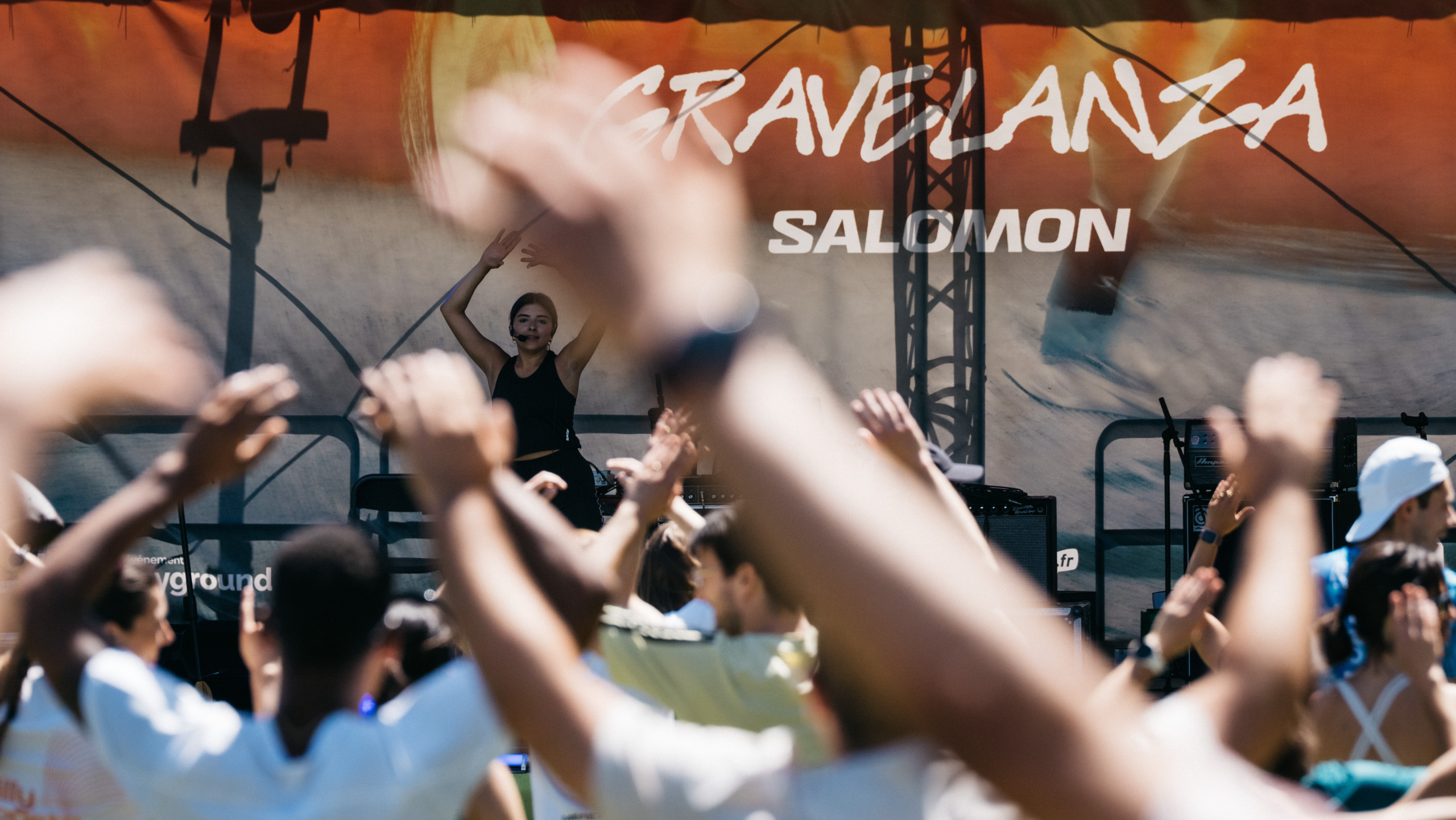
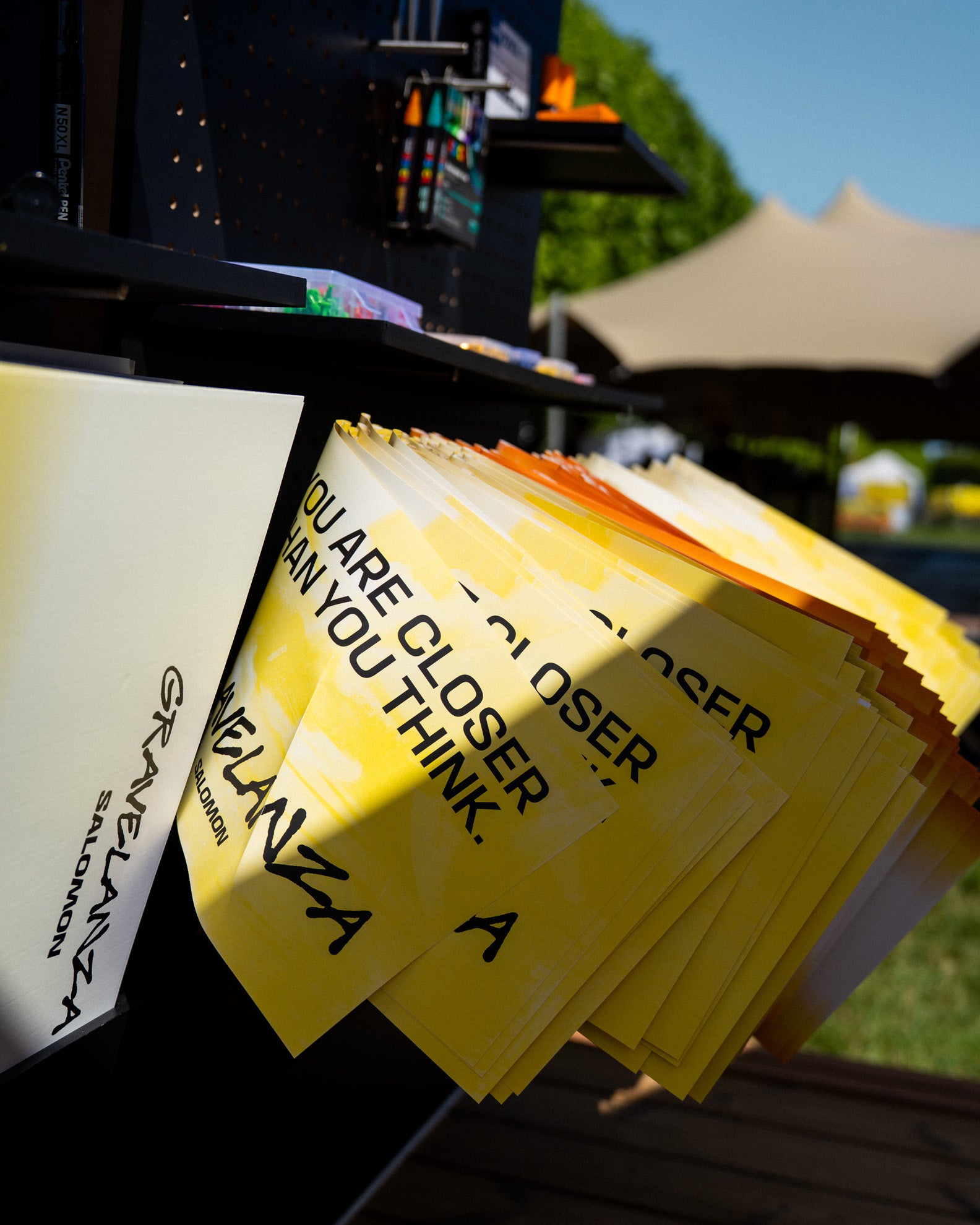
- October 3, 2026 (The Festival Finale): Following the conclusion of the races, the event transitions into a festival atmosphere. This includes live musical performances, a Salomon-hosted "shoe charm" customization bar, and local artisan activations, such as temporary tattoo stations, aimed at cementing the social identity of the event.
Competitive Formats and Team Dynamics
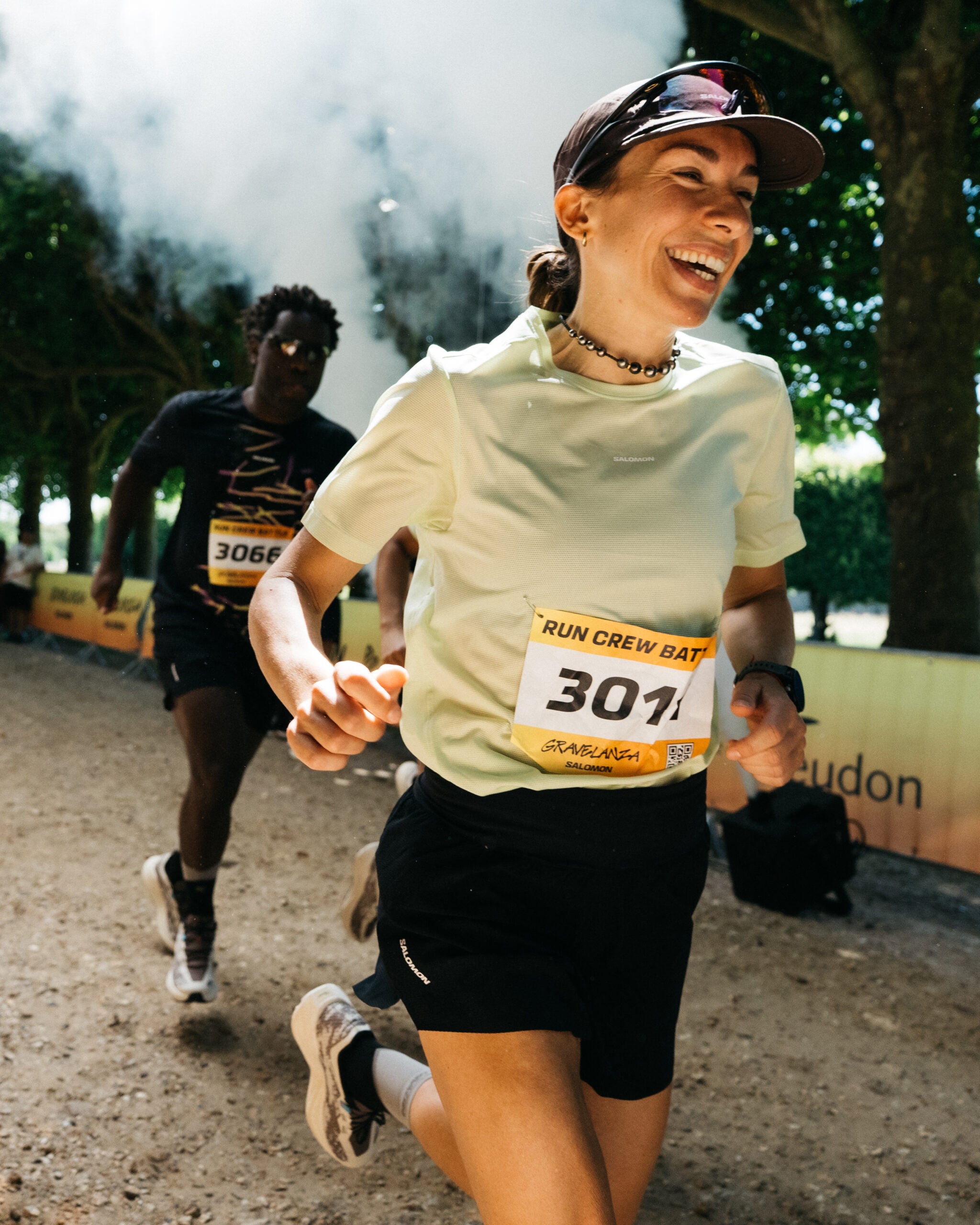
One of the most significant departures from traditional running events is the inclusion of the "Gravelanza Run Crew Battle." This team-based competition targets the growing movement of urban run clubs. By requiring mixed-gender teams of six to complete a 1.6-mile lap, the event shifts the focus from individual glory to collective performance. The scoring methodology—a summation of the times of all six members—mirrors collegiate cross-country scoring, which emphasizes depth over a singular star athlete.
The format culminates in a head-to-head bracket for the top three teams. This "finals" structure is designed to be spectator-friendly, allowing those who have already completed their run to engage with the race in real-time, thereby fostering the "performance meets community" ethos that the organizers advocate.
Industry Context and Market Implications
The emergence of events like Gravelanza signals a broader shift in the running sector. According to recent sports marketing data, participation in traditional road races has plateaued, while demand for "experiential" sporting events—those that combine athletics with entertainment, music, and lifestyle branding—has seen a compound annual growth rate (CAGR) of approximately 7% since 2023.
Industry analysts suggest that this shift is driven by a demographic change in the running population. Younger athletes, particularly those in the 18-35 age bracket, are increasingly prioritizing "social capital" and community belonging over pure personal bests. By integrating tattoo artists, live music, and specialized retail experiences directly into the race hub, brands like Salomon are moving away from traditional sponsorship models toward a "lifestyle ecosystem" approach.
"At the Annecy Design Center, our goal has always been to intersect engineering with the culture of mountain sports," a spokesperson for Salomon noted. "The design of the Gravelanza is a reflection of how athletes are now viewing their sport. It is no longer just about the finish line; it is about the integration of performance gear into a broader social lifestyle."
Analyzing the "Master of the Mountain" Concept
The "Master of the Mountain" prize represents an interesting intersection of gamification and athletic achievement. By isolating a specific, challenging segment of the course for the award, the organizers have effectively created a "race within a race." This strategy serves two purposes: it maintains the interest of elite competitors who may not be in peak form for the full five-mile distance, and it provides a clear, high-intensity goal for those looking to test their anaerobic threshold.
From a physiological perspective, these segments are designed to force high-intensity efforts, pushing athletes into their VO2 max zones. The data gathered from these segments, often tracked via GPS-integrated timing systems, allows for a level of transparency and competition that mirrors virtual cycling platforms, providing an analytical edge to an otherwise community-focused event.
Broader Impact on Urban Athletics
The hosting of such a large-scale running event within the Santa Monica Mountains is not without its complexities. Griffith Park’s status as a protected urban wilderness necessitates strict adherence to trail-use protocols. The event organizers have emphasized that the route is curated to minimize environmental impact while maximizing the "wild" experience for participants.
The success of the Gravelanza in Los Angeles will likely serve as a litmus test for similar events in other metropolitan areas. If the model proves successful in blending high-elevation trail running with an accessible, festival-like environment, it is highly probable that other outdoor brands will adopt similar strategies to capture the urban running demographic.
The movement toward gravel running is not merely a stylistic choice; it is a reaction to the saturation of road marathons and the increasing desire for athletes to reconnect with uneven, natural terrain. As the sport continues to evolve, the distinction between a "race" and a "festival" will likely continue to blur, creating a new standard for athletic engagement in the 21st century.
For those looking to participate, organizers have advised that registration is capped to preserve the quality of the trail and the festival experience. The convergence of professional-grade course design and an inclusive, music-driven atmosphere marks a significant milestone in the evolution of Los Angeles’s outdoor fitness scene, setting the stage for what may become a permanent fixture in the regional sports calendar.