The launch of the Garmin Fenix 9 marks a significant milestone in the evolution of the premium multisport watch market, establishing a refined balance between hardware upgrades, extensive software enhancements, and a strategic shift in how the company approaches product line iteration. Building upon the groundwork laid by the Fenix 8 and Fenix 8 Pro series, the Fenix 9 introduces expanded LTE and satellite connectivity across solar models, integrates a new 43mm AMOLED variant into the high-end lineup, and delivers a massive array of sports-focused features.

Unlike its immediate predecessors, which focused primarily on hardware milestones such as integrated speakers, microphones, diving capabilities, and standalone satellite communications, the Fenix 9 addresses critical consumer feedback regarding software capability. By balancing hardware improvements with robust sports tracking updates—spanning rucking, indoor rowing, and expanded stamina metrics—Garmin has produced its most comprehensive wearable to date.
Hardware Enhancements and Display Innovations
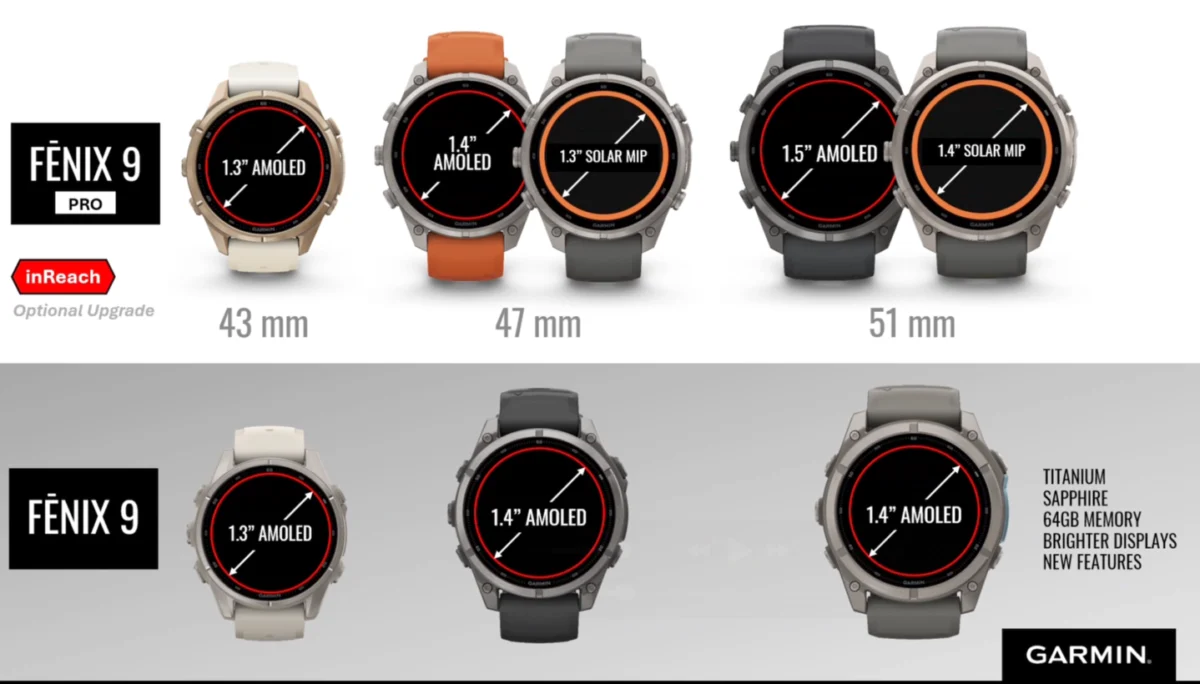
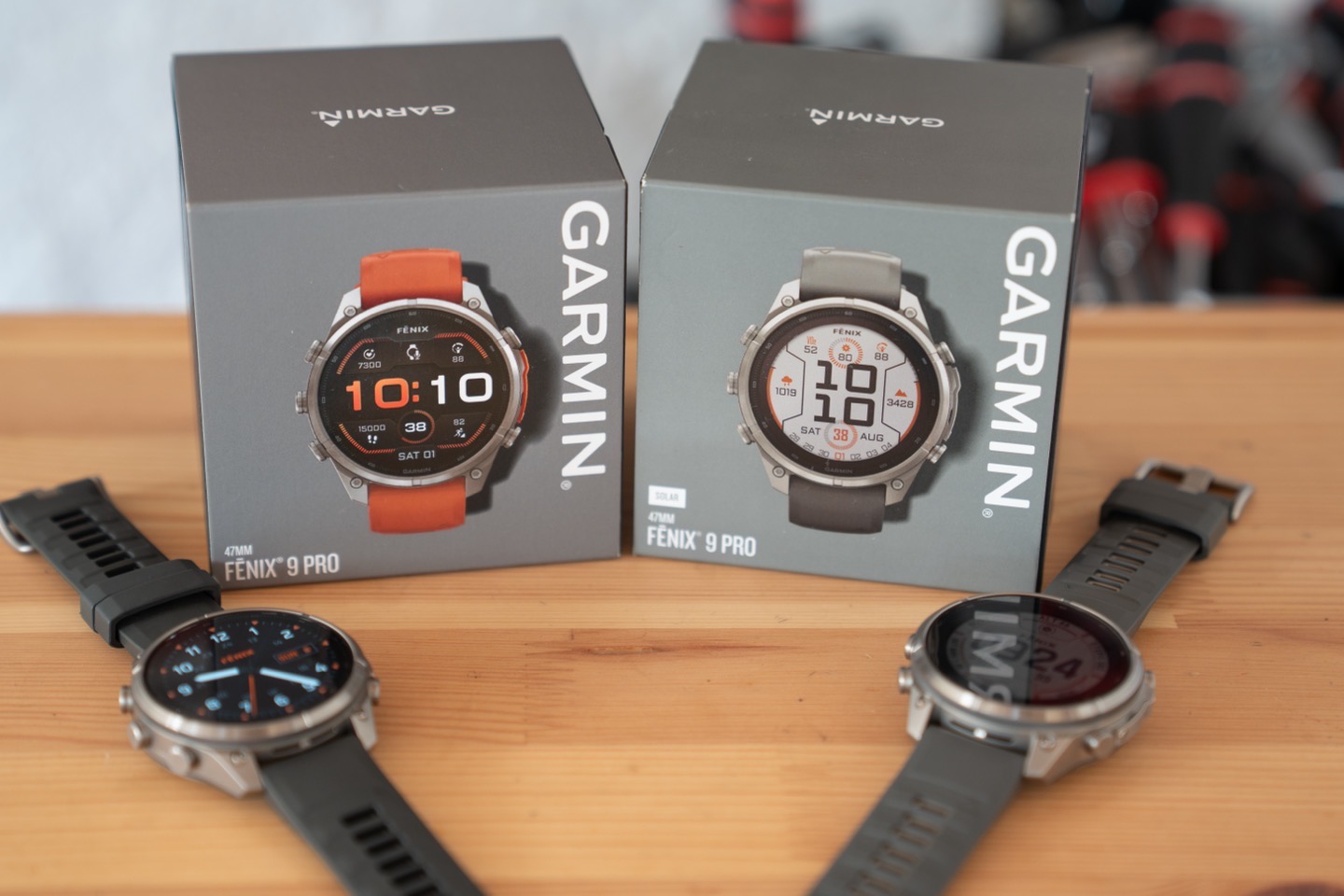
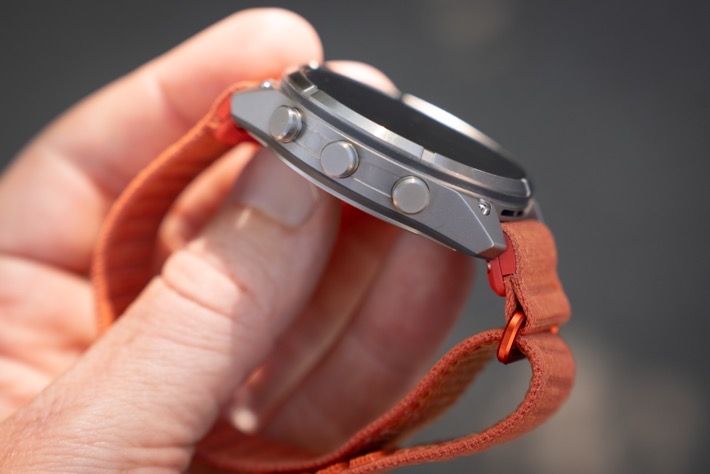
The physical architecture of the Fenix 9 series introduces several notable modifications designed to improve usability and durability. Across the Pro model tier, titanium cases and sapphire crystal glass have been standardized, eliminating mixed-material configurations from the top-tier options. Storage capacity across all Pro variants has been doubled to 64GB, accommodating larger regional mapping packages and local audio libraries.
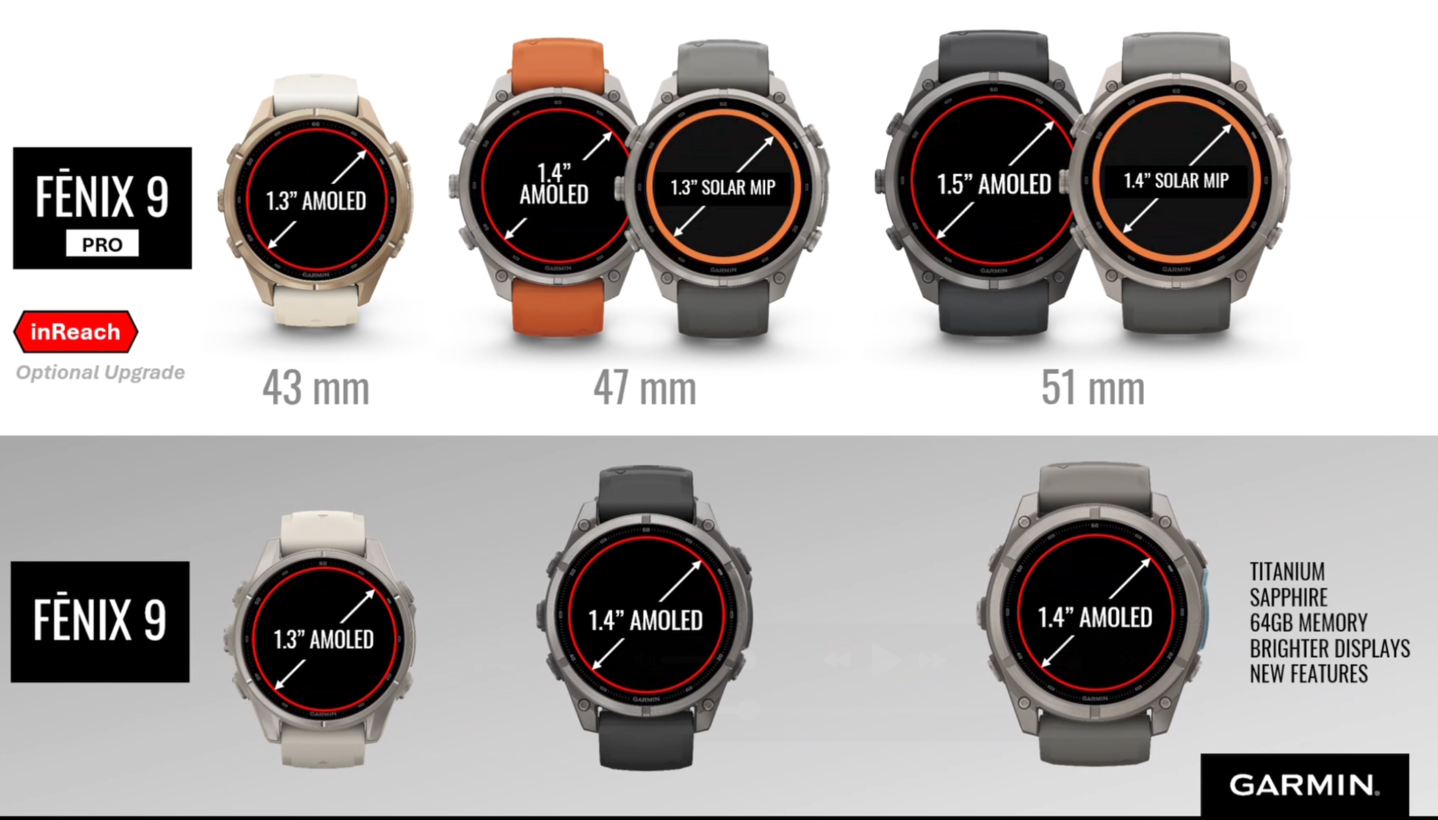
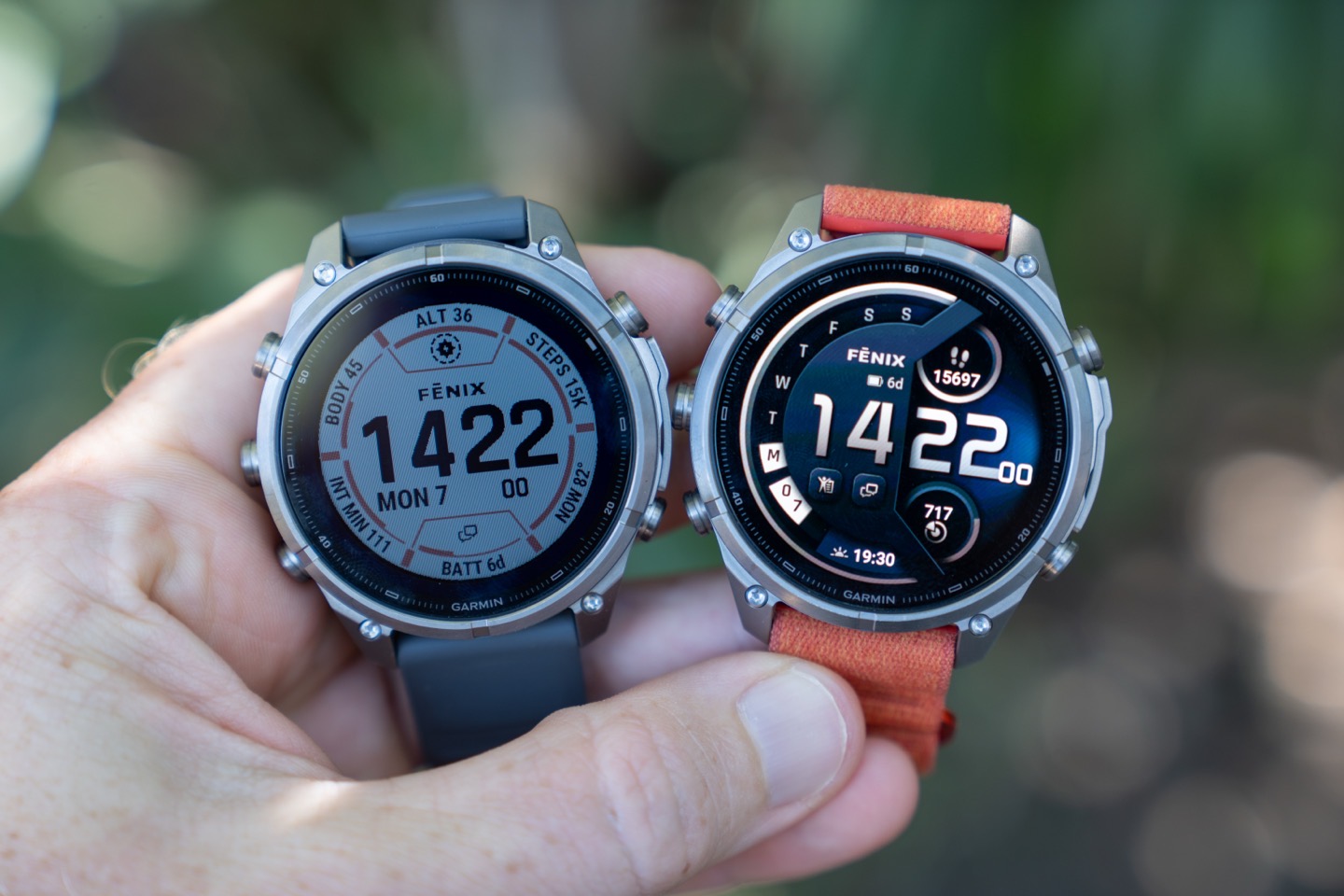
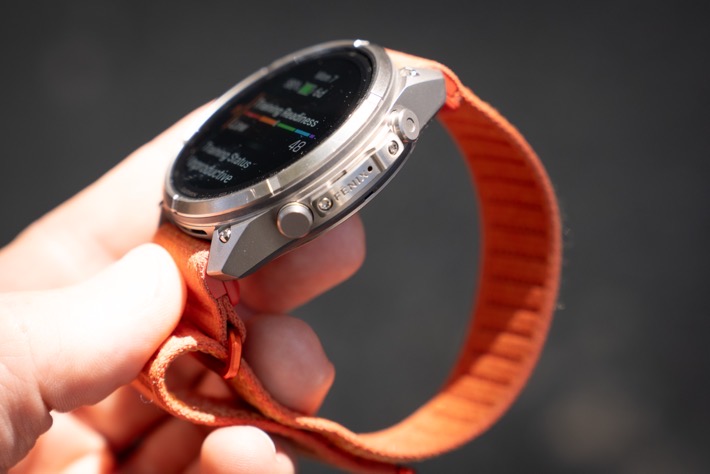
Display technology receives a major upgrade, with base models featuring displays capable of 2,000 nits, while Pro variants push brightness to 3,000 nits. The 51mm Pro model boasts a 1.5-inch display, the largest ever featured on a Garmin timepiece. The flashlight functionality on Pro models now includes a green LED alongside the traditional white and red configurations, offering specialized tactical and night-vision utility.
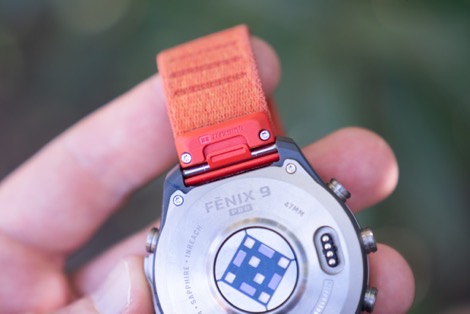
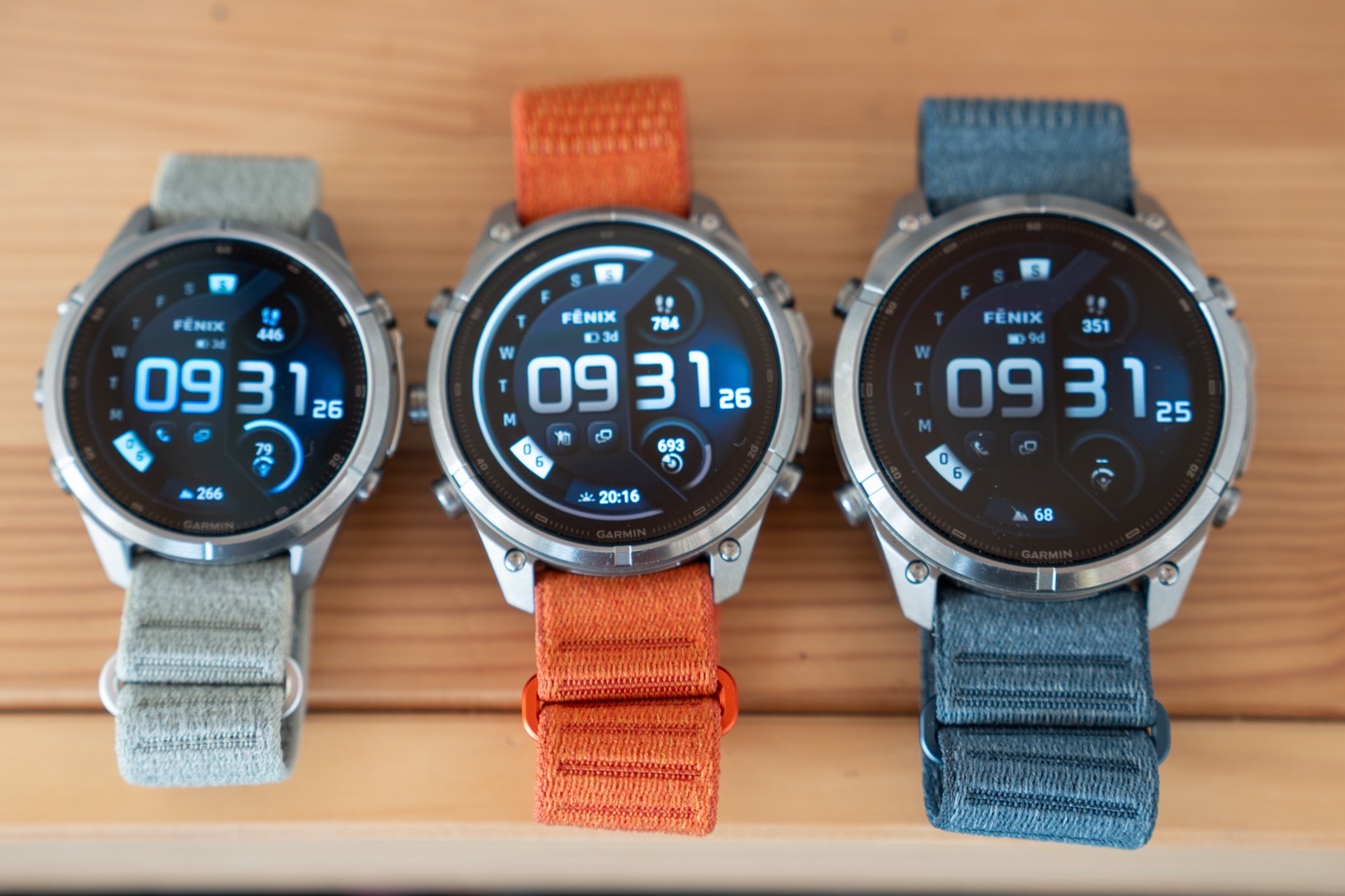
Case dimensions have also been optimized. The 47mm Fenix 9 Pro reduces thickness by 0.5mm compared to the previous generation, matching the profile of the non-Pro Fenix 8. Conversely, solar models see a slight increase in thickness to accommodate upgraded photovoltaic layers, while overall case diameters have been slightly reduced for enhanced ergonomic comfort on smaller wrists.
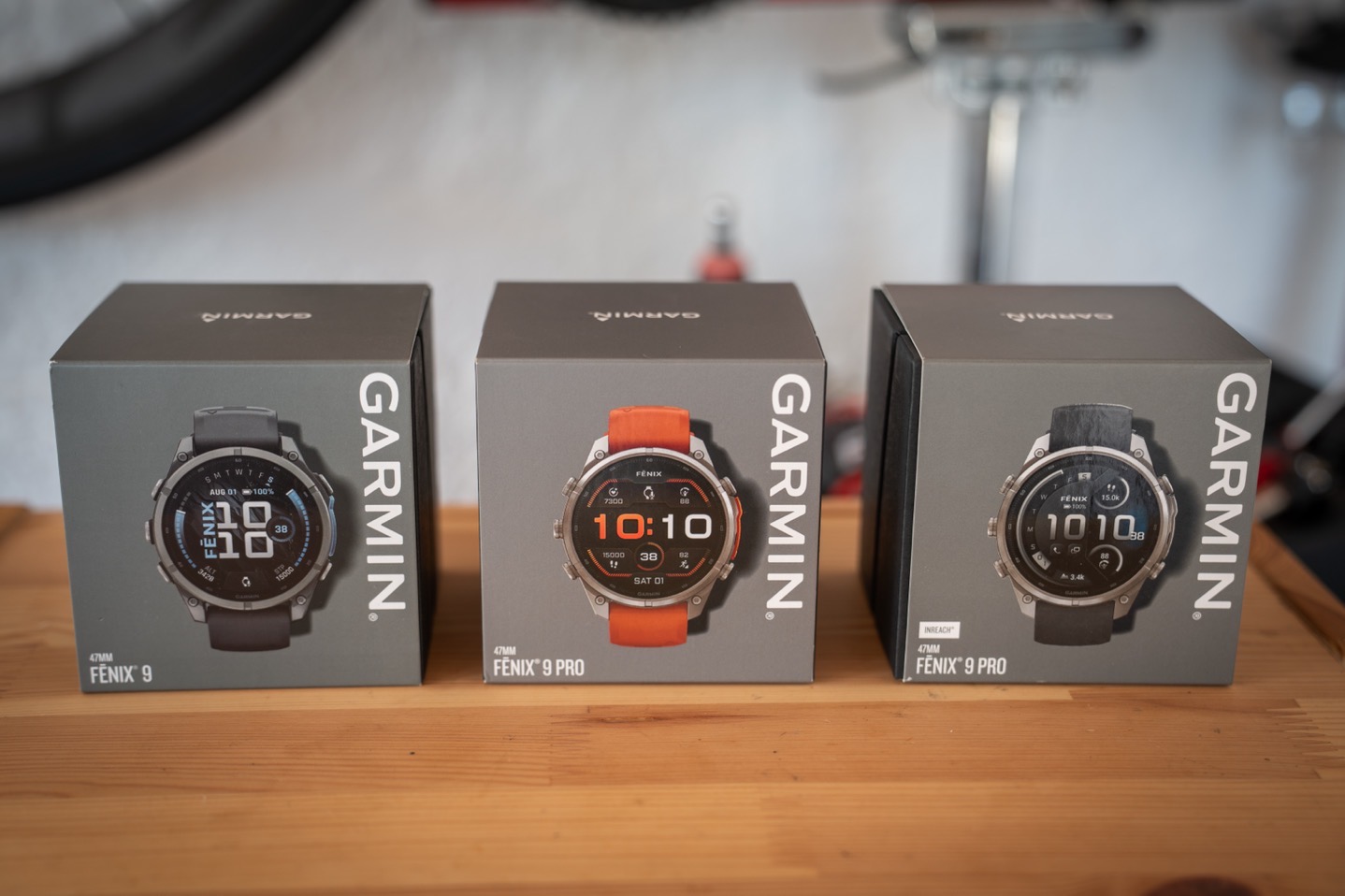
Pricing structures for the Fenix 9 series remain stable relative to the Fenix 8 Pro launch. Base models begin at $999 for the 43mm and 47mm variants, scaling to $1,099 for the 51mm version. Pro models start at $1,099, and the top-tier Pro inReach variants—which include cellular and satellite communication hardware—start at $1,199.
Software Evolution and Cross-Generational Updates
In a departure from traditional product segmentation strategies, Garmin has confirmed that the vast majority of software features debuting on the Fenix 9 will eventually be retrofitted to existing Fenix 8 series watches. This represents a major shift toward unified codebase management, aligning Garmin’s lifecycle support more closely with competitors like Apple and Coros, though rollout timelines remain protracted.
The software suite introduces several advanced training and navigation tools:
- Garmin Epics: A dedicated adventure journaling tool that aggregates multi-day activities, sleep metrics, and training loads into a cohesive timeline on both the watch and the Garmin Connect app.
- Stamina Zones: Expanded real-time stamina metrics broken down into specific intensity zones, providing granular pacing and power guidance for runners and cyclists.
- Rucking Suite: Comprehensive tracking for weighted pack activities, featuring specialized calorie calculations, mid-activity weight adjustment, a target calculator, and structured workouts developed in partnership with GoRuck.
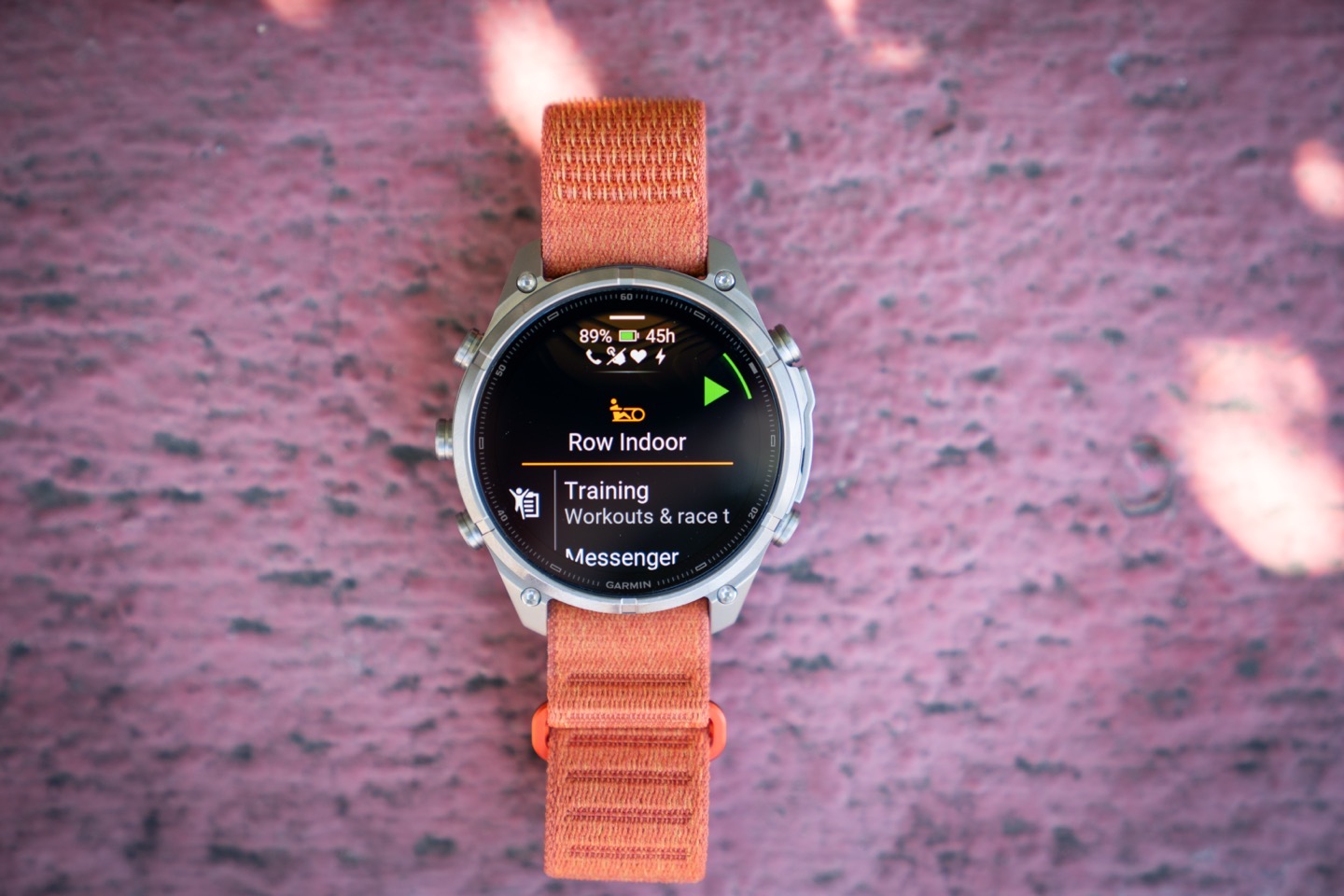
- Indoor Rowing and SkiErg Profiles: Advanced performance analytics for indoor rowers and SkiErg users, including estimated Functional Threshold Power (FTP), VO2 Max calculations, lactate threshold tracking, and performance condition metrics.
- Enhanced Mapping: Faster route calculation speeds, smoother zoom performance, and a new Perspective View mode that tilts the topographical map interface for improved route visualization.
Connectivity and the Pro inReach Ecosystem
The Pro inReach models integrate dual-connectivity hardware supporting both LTE-M cellular networks and two-way satellite communications. Cellular capabilities enable LiveTrack data streaming, two-way voice calling, voice messaging, and text communication via the Garmin Messenger app without requiring a smartphone to be within Bluetooth range.
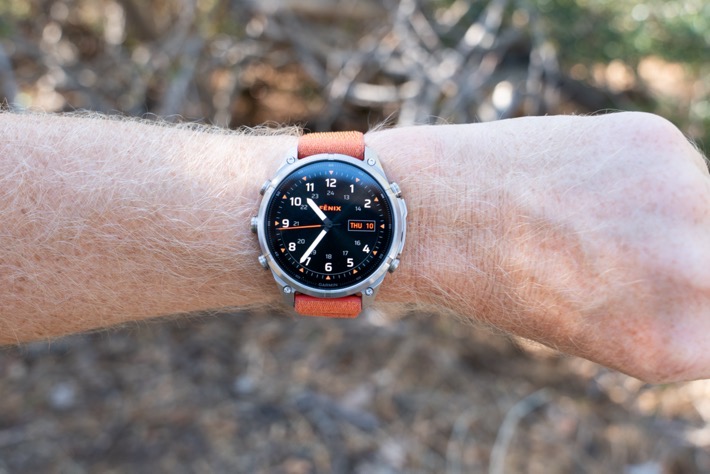
Satellite connectivity relies on geostationary (GEO) satellites via partner networks, providing emergency SOS services managed by the Garmin Response Center, as well as satellite-based weather updates and manual messaging. While satellite messaging provides a critical safety net in remote wilderness areas, the hardware’s directional antenna requirements necessitate holding the wrist in a specific orientation during transmission, contrasting with the omnidirectional capabilities of dedicated handheld inReach devices.
A subscription plan is required to maintain LTE and satellite functionality following the initial 30-day trial period, with base safety tiers starting at $9.99 per month.
GPS and Optical Heart Rate Accuracy
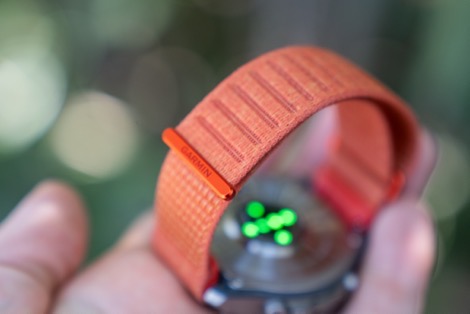
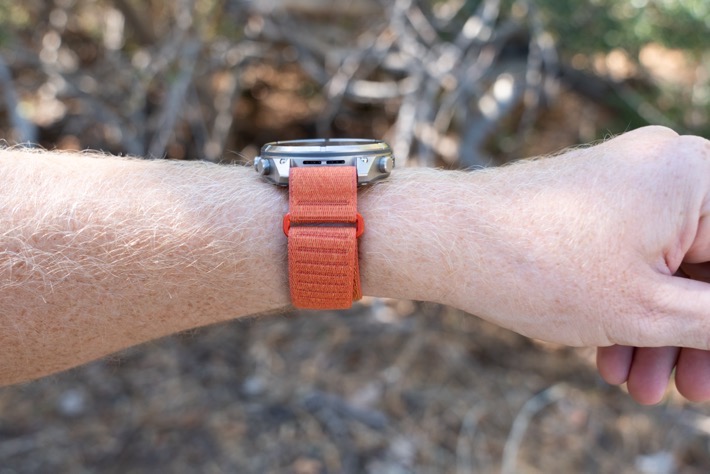
The Fenix 9 utilizes Garmin’s fifth-generation Elevate optical heart rate sensor, which maintains ECG certification for atrial fibrillation detection across supported regulatory regions. Real-world testing indicates that the sensor continues to deliver industry-leading accuracy for a wrist-based wearable, particularly during steady-state endurance efforts and warm-weather training conditions.
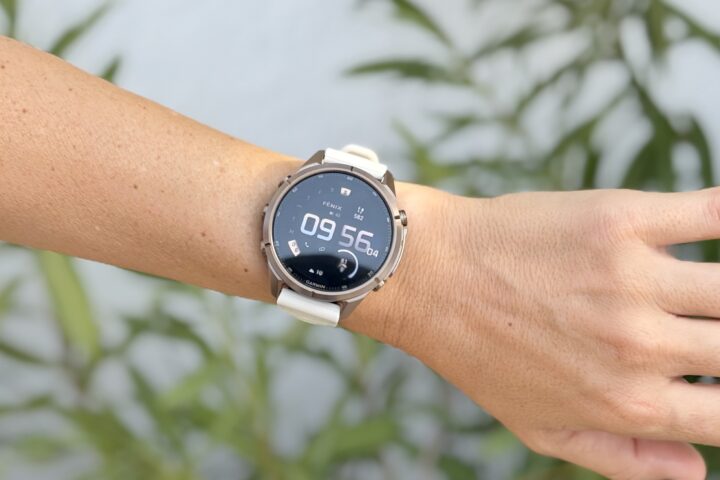
GPS performance is governed by software-defined modes incorporating SatIQ technology, which dynamically switches between single-frequency and multi-band GNSS depending on environmental obstruction. Field testing in dense urban canyons, such as downtown San Francisco, and complex mountain topography demonstrates that default SatIQ modes successfully match the tracking precision of forced multi-band configurations while conserving battery life.
Real-World Battery Performance
Battery longevity remains a defining characteristic of the Fenix 9 series, though real-world figures vary based on display technology and configuration. The memory-in-pixel (MIP) solar models continue to deliver approximately double the operational runtime of their AMOLED counterparts under identical conditions.
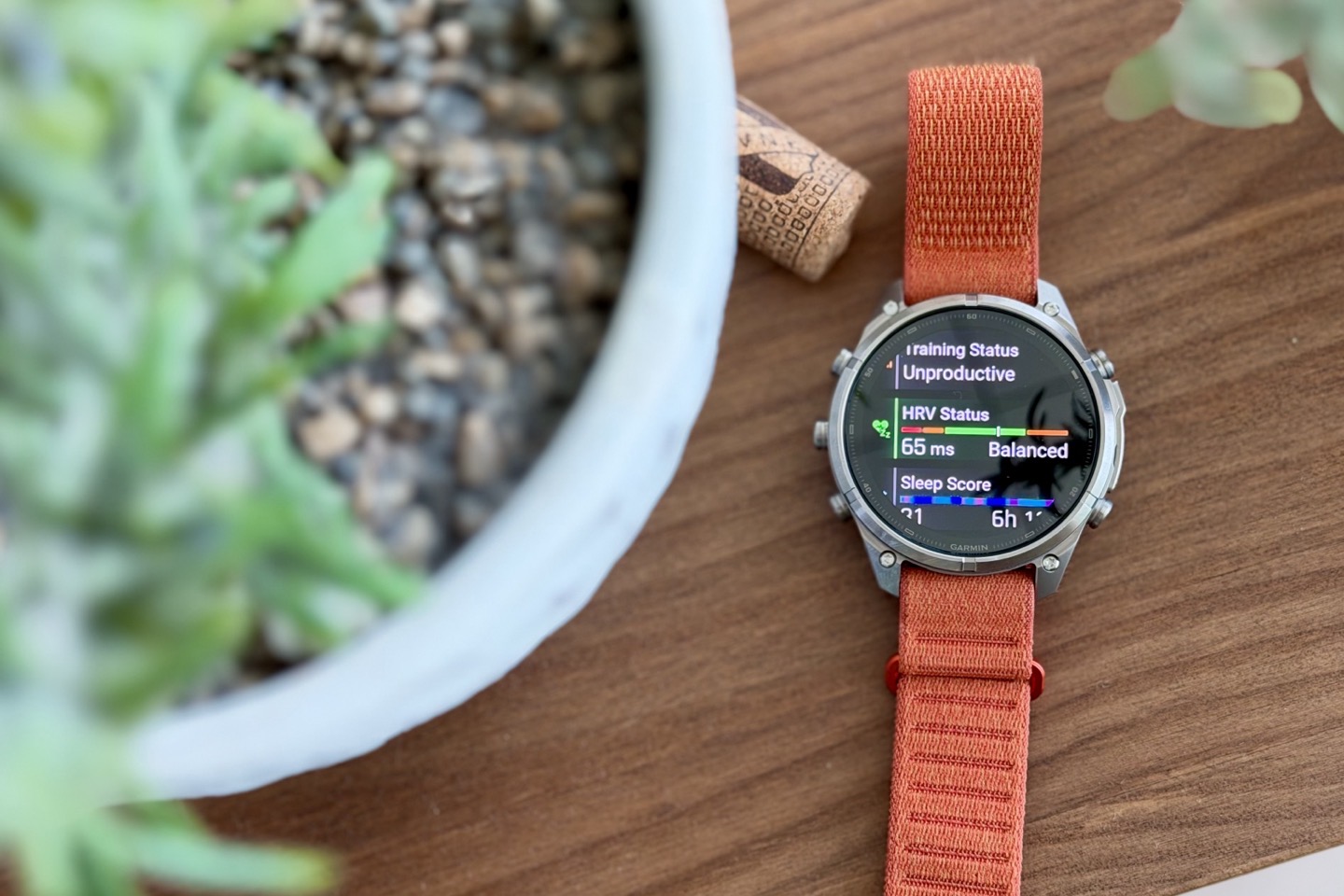
In everyday usage with the LTE-M modem set to auto-standby and continuous health monitoring enabled, the 47mm AMOLED model yields approximately five days of battery life under heavy training loads (1 to 2 hours of daily GPS tracking). During dedicated GPS activities, the AMOLED models maintain an estimated 40-hour runtime, while solar variants achieve significantly higher efficiency when exposed to direct sunlight during long outdoor excursions.
Market Implications and Strategic Analysis
The simultaneous release of both base and Pro variants represents a maturation of Garmin’s product strategy, eliminating consumer confusion regarding annual release cadences. By ensuring software parity with the Fenix 8 series, Garmin addresses long-standing criticisms regarding software obsolescence, thereby strengthening brand loyalty in the face of increasing competition from smartwatch manufacturers entering the endurance sports market.
Ultimately, the Fenix 9 solidifies Garmin’s position as the dominant ecosystem for serious endurance athletes, combining rugged hardware durability with unparalleled physiological analytics, robust navigation tools, and versatile connectivity options.