The modern landscape of industrial labor has necessitated a shift in how workers approach their daily gear, moving away from cumbersome, specialized tool belts toward a more streamlined, versatile approach known as Everyday Carry (EDC). Recent submissions to industry-focused journals, including accounts from manufacturing professionals such as Kamren—a factory technician and parent—highlight this transition. By prioritizing compact, multi-functional tools, workers are effectively addressing the dual demands of high-precision industrial maintenance and the unpredictable requirements of domestic life. This report examines the technical specifications, the philosophy behind modern gear selection, and the broader implications for workplace efficiency and personal readiness.
The Anatomy of Industrial EDC
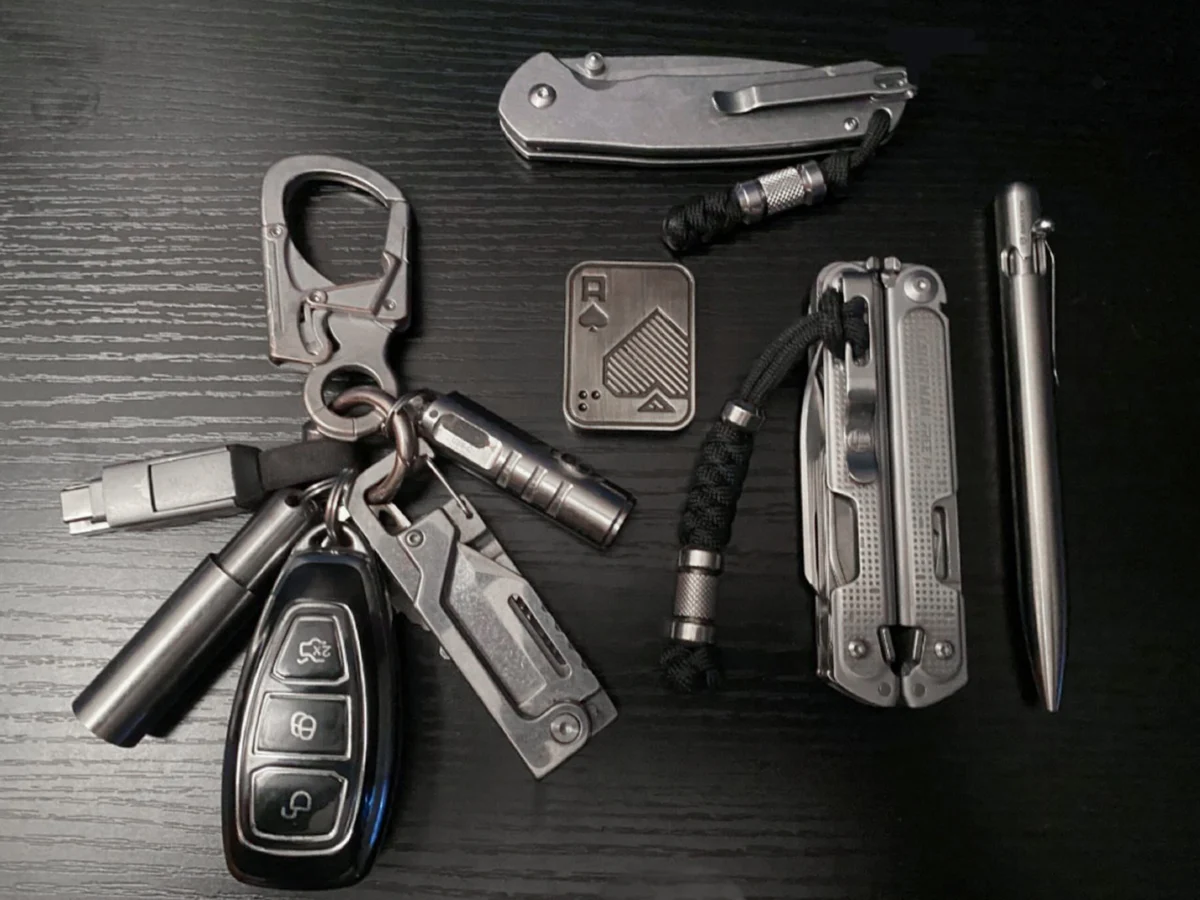
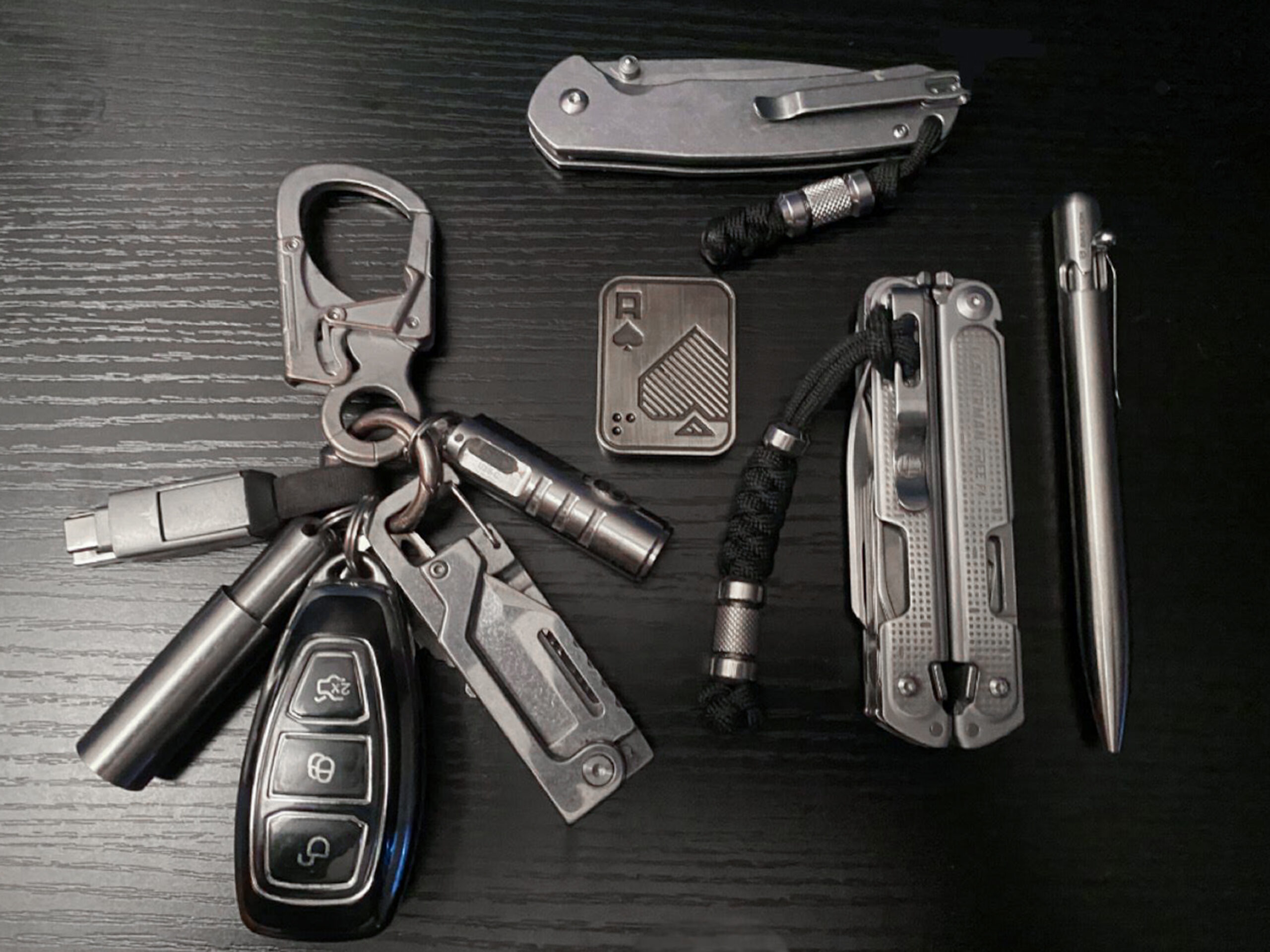
At the heart of the modern industrial worker’s toolkit is the philosophy of modularity. In environments where tasks range from high-frequency plastic piping maintenance to emergency mechanical repairs, the gear must be both durable and rapidly accessible. The recent spotlight on Kamren’s kit serves as a representative case study for this trend. His setup features a curated selection of tools, including the CJRB Pyrite, a Leatherman FREE multi-tool, a RovyVon A4 flashlight, and a Mordeco Nanosprayer, all unified by a monochrome aesthetic and reinforced with paracord for rapid deployment.
The selection of these specific items is not incidental. The CJRB Pyrite, known for its button-lock mechanism, offers a high degree of safety and one-handed operability—critical features when working around rotating machinery. Similarly, the Leatherman FREE series represents a significant advancement in ergonomics, utilizing magnetic architecture to allow for smooth, frictionless access to implements without the need for fingernail nicks. For industrial workers tasked with working in low-light environments, such as inside machine housings or behind industrial piping, the RovyVon A4 provides a high-lumen output in a form factor that fits comfortably on a keychain.
Chronology of Gear Integration
The integration of such sophisticated tools into daily industrial life has evolved over the past decade. Historically, the factory worker’s kit was defined by heavy-duty, fixed-blade knives and dedicated screwdrivers. However, the 2020s marked a pivot toward "micro-utility."
- 2015–2018: The rise of consumer-grade, high-performance titanium tools began to penetrate the industrial sector. Workers moved away from bulkier traditional tools in favor of multi-tools that consolidated three to four individual implements into one chassis.
- 2019–2022: The focus shifted toward connectivity and personal hygiene, as evidenced by the integration of charging cables and portable sanitization devices, such as the Mordeco Nanosprayer, into the standard EDC rotation.
- 2023–Present: The current trend emphasizes "platform-based" carrying. Rather than overloading pockets, workers are utilizing keychains and integrated loops as docking stations for specialized gear, allowing for a seamless transition between the factory floor and the home.
Supporting Data on Tool Efficiency
Industry surveys regarding worker productivity indicate a direct correlation between the accessibility of hand tools and the reduction of "downtime per task." According to manufacturing workflow studies, a technician who utilizes an integrated multi-tool can reduce the time spent retrieving specific instruments from a centralized toolbox by approximately 15 to 20 percent.
Furthermore, the weight distribution of a modern EDC kit—averaging between 12 and 18 ounces—minimizes musculoskeletal strain compared to traditional leather tool belts, which can weigh upwards of five to ten pounds. This reduction in daily load is vital for long-term occupational health, as repetitive strain injuries remain a leading cause of lost time in manufacturing facilities.
Contextualizing the "Girl Dad" and Industrial Balancing Act
The term "girl dad," as utilized in modern cultural parlance, has come to represent a specific intersection of professional labor and active, engaged parenting. For workers like Kamren, the EDC kit serves a dual purpose: it must be robust enough to handle the abrasive nature of industrial pipe cutting while remaining subtle enough for daily family life.
This requirement for dual-use gear has driven the market toward tools that are aesthetically neutral. The monochrome metal look—often utilizing stainless steel or titanium—is favored because it does not appear aggressive or out of place in a social or domestic setting. The inclusion of items like a cologne atomizer or a compact charging cable within a work-focused kit is a direct response to the need for a seamless transition from the factory floor to the responsibilities of parenthood, ensuring that the worker is prepared for any contingency, whether it is a mechanical failure or a family emergency.
Professional Analysis: The Keychain as a Utility Hub
From an engineering and ergonomics perspective, the keychain has undergone a transformation from a simple storage device for keys to a legitimate utility hub. Experts in human-factors engineering note that by distributing tools across a keyring, the user can maximize the use of the "pocket real estate."
The use of paracord, as observed in recent kits, is a key component of this tactical evolution. Paracord serves two functions: it provides a high-visibility, high-tactile pull point for rapid retrieval, and it acts as an emergency resource for lashing or cordage. This level of preparation is common in wilderness survival circles but is increasingly becoming a staple of the "urban survivalist" factory worker, who recognizes that preparedness is a transferable skill.
Implications for the Future of Industrial Gear
The trajectory of the EDC market suggests that we are moving toward a future of "hyper-personalization." Manufacturers are increasingly taking notice of the feedback provided by industrial users who operate these tools in high-stress, high-frequency environments.

- Material Science: We can expect a continued shift toward materials like Grade 5 Titanium and carbon fiber, which offer superior strength-to-weight ratios.
- Modular Attachment Systems: Future tools will likely feature standardized mounting points, allowing workers to swap out components on their keychains or pocket clips based on the specific tasks scheduled for their shift.
- Smart Integration: As wearable technology advances, it is probable that compact diagnostic sensors—capable of measuring ambient temperature, noise levels, or chemical exposure—will be integrated into the EDC kits of the next generation of industrial workers.
Official Perspective on Workplace Safety and Personal Tools
While the trend toward personalizing one’s toolkit is growing, industrial safety officers often emphasize the importance of compliance with facility-specific guidelines. Most manufacturing facilities mandate that any cutting tool must have a secure locking mechanism, and many prohibit the modification of tools that could compromise their structural integrity.
"The key to a successful EDC kit in an industrial environment is compatibility," notes one safety consultant. "While personal preference is a valid driver for gear selection, the primary concern must always be the prevention of accidental discharge, structural failure, or electrical conductivity issues."
Conclusion
The evolution of the modern factory worker’s Everyday Carry is a testament to the ingenuity of the American workforce. By carefully selecting tools that bridge the gap between heavy-duty industrial labor and the demands of modern life, professionals are creating kits that are not only functional but deeply personalized. As the industry continues to advance, the emphasis on lightweight, high-performance, and multi-functional gear will likely remain a cornerstone of industrial culture. Whether it is through the use of advanced metallurgy or the tactical organization of a keychain, the modern worker is proving that preparedness is not just about having the right tool for the job—it is about having the right tool for every aspect of life.