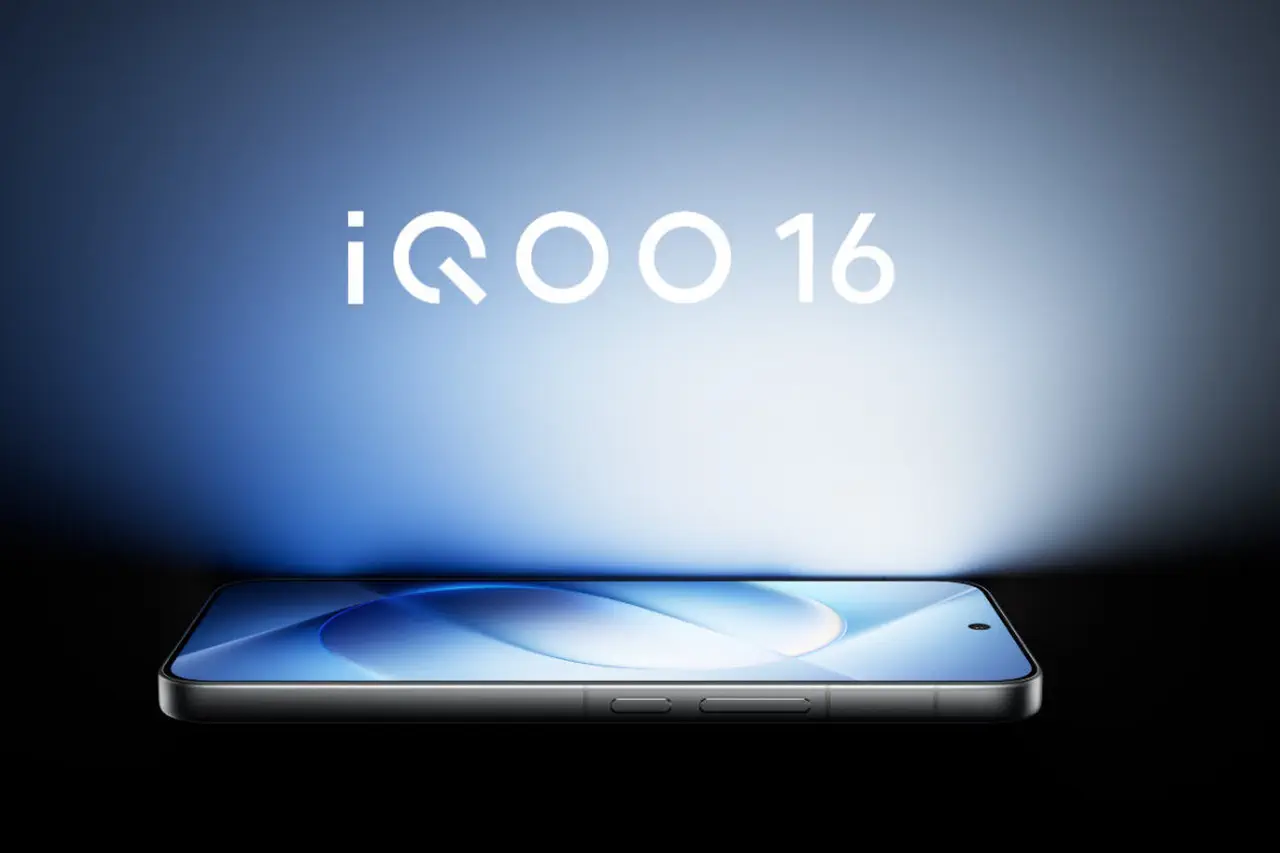
Samsung Display has once again raised the bar for mobile screen technology with the official announcement of its next-generation M16 OLED display panel. Unveiled as part of the company’s aggressive roadmap to dominate the high-end smartphone component market, the new panel is set to debut commercially in the highly anticipated iQOO 16 smartphone. The M16 OLED introduces cutting-edge innovations, including a striking 2K resolution, a remarkably fluid 165Hz maximum refresh rate, and an industry-shaping peak brightness capability reaching a staggering 10,000 nits. This announcement highlights Samsung’s continued commitment to supplying premier display solutions not only to its own Galaxy ecosystem but also to competitive external brands aiming for the pinnacle of mobile visual performance.
Background Context and Technological Evolution
The development of the M16 OLED panel represents the culmination of years of research and material science advancements by Samsung Display. For over a decade, Samsung has maintained a dominant position in the small-to-medium OLED market, supplying panels to nearly every major smartphone manufacturer globally. The transition from previous iterations, such as the M14 and M15 series, to the M16 platform was driven by the relentless demand from consumers and manufacturers alike for brighter, more energy-efficient, and visually immersive displays that perform exceptionally well under direct sunlight and during high-intensity mobile gaming sessions.
In recent years, peak brightness has become a primary battleground for flagship smartphone manufacturers. While early OLED panels struggled to break past 1,000 nits, rapid advancements in organic emissive materials and display driver ICs have pushed these boundaries exponentially. The introduction of the M16 panel signifies a massive leap forward, addressing historical compromises between high brightness levels, color accuracy, and battery longevity. By collaborating with performance-focused brands like iQOO—a sub-brand of Vivo known for pushing hardware boundaries—Samsung Display ensures its latest technological breakthroughs reach consumers looking for uncompromising performance.
The 2K LEAD 2.0 Architecture and Structural Innovations
At the core of the M16 panel’s superior performance is the newly engineered "Everest Display" architecture, featuring Samsung’s proprietary 2K LEAD 2.0 polarizer-free OLED technology. Traditional OLED screens utilize a physical polarizer layer to prevent ambient light reflection, which inherently absorbs a significant percentage of the light emitted by the organic pixels, thereby reducing overall panel efficiency and brightness.
By eliminating the traditional polarizer layer through advanced manufacturing processes, Samsung Display has dramatically improved light transmittance. Technical specifications indicate that the 2K LEAD 2.0 panel achieves up to a 30% reduction in power consumption compared to standard OLED screens of previous generations, and roughly a 31% improvement over conventional 1.5K resolution panels. This structural redesign not only optimizes power management—a critical factor for devices operating at high refresh rates—but also enhances optical clarity for augmented reality (AR) applications and immersive media consumption.
Luminous Performance, Color Fidelity, and Brightness Metrics

The headline-grabbing feature of the M16 OLED panel is its unprecedented luminosity. While the High Brightness Mode (HBM) operates comfortably at 2,800 nits for sustained outdoor usage, the panel is capable of achieving an astonishing absolute peak brightness of 10,000 nits under specific conditions—namely, a 1% Picture Level (1% OPR) window. This extreme capability ensures that HDR content, explosions in movies, or bright highlights in photographs possess a dynamic range previously thought impossible on mobile form factors.
Color reproduction and accuracy have also received substantial upgrades. The M16 panel supports 1.24 times the DCI-P3 color gamut volume, ensuring richer, more vibrant hues without oversaturating natural tones. Furthermore, native hardware-level support for advanced HDR formats, including Dolby Vision, guarantees that cinematic content is rendered with precise shadow detail and luminance control. Comparative laboratory metrics released alongside the announcement reveal that panel efficiency has increased by 22% overall, while driving down power consumption dedicated to luminance by 40%, proving that immense brightness no longer carries a prohibitive penalty on device battery life.
Advanced Display Integration and iQOO 16 Implementation
The integration of the M16 panel into the upcoming iQOO 16 smartphone marks a significant milestone in how specialized display ICs interact with high-performance mobile processors. The iQOO 16 is engineered to leverage a customized Display IC specifically designed to interface seamlessly with the M16 architecture, allowing the device to support a lightning-fast 165Hz refresh rate.
This high refresh rate is paired with advanced variable refresh rate (VRR) technology, which dynamically scales down to lower frequencies during static viewing tasks to conserve energy, and instantly ramps up to 165Hz during high-speed gaming or UI navigation. According to internal benchmarks provided during the rollout, this hardware-software synergy reduces motion blur by up to 30% compared to previous high-refresh-rate panels, offering a noticeably sharper and more responsive visual experience for competitive mobile gamers.
Broader Industry Implications and Future Outlook
The commercialization of the Samsung M16 OLED panel has far-reaching implications for the broader consumer electronics market. As smartphone manufacturers prepare their next-generation flagship lineups for late 2026 and 2027, the benchmark for display quality has officially shifted. Industry analysts note that while external brands like iQOO have secured early access to the M16 technology, the underlying panel architecture is widely expected to serve as the foundation for Samsung’s own upcoming flagship devices, including the anticipated Galaxy S27 series.
This strategy underscores Samsung Display’s dual role as both an internal component supplier for Samsung Electronics and a dominant merchant vendor for competing smartphone giants. By maintaining technological leadership through innovations like the 2K LEAD 2.0 architecture and polarizer-free light management, Samsung ensures its supply chain remains indispensable to the premium mobile ecosystem. As consumers increasingly prioritize display longevity, energy efficiency, and outdoor visibility, the M16 OLED panel establishes a rigorous new standard that competitors will be forced to match in the generations to follow.