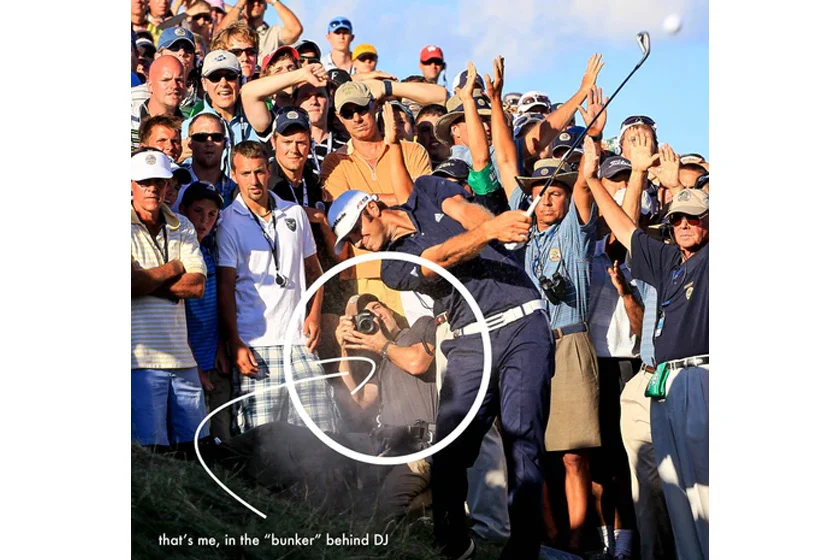
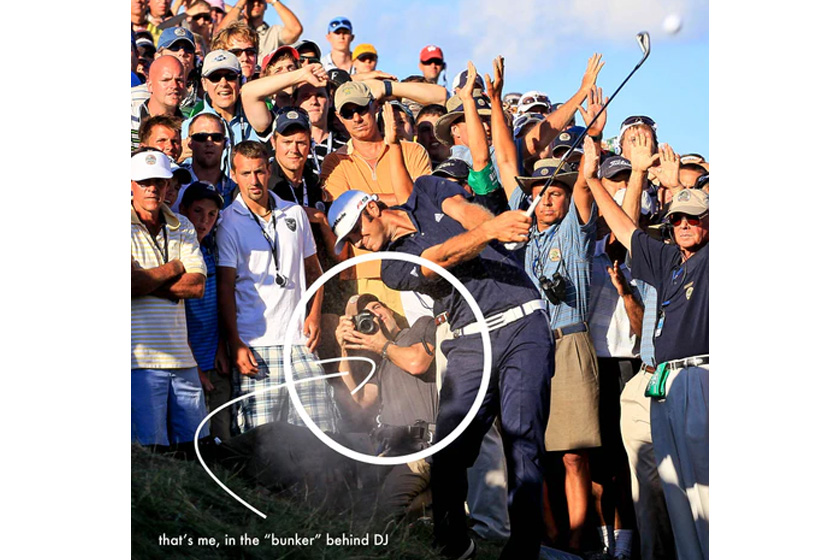
The journey of soft-goods design is rarely linear, particularly when forged in the high-pressure environment of professional photojournalism. For two decades, Allan Henry operated from the sidelines of major sporting championships, hauling heavy telephoto lenses and dual camera bodies for USA Today. In this demanding ecosystem, ergonomics are not merely a matter of comfort; they are a critical operational factor. An extra pound of dead weight or an ill-fitting harness translates directly to cumulative physical fatigue, undermining focus and performance over an eight-hour assignment. This unromantic, utilitarian perspective ultimately formed the philosophical bedrock of Atlas Packs, a brand that would eventually redefine how photographers and travelers interface with their equipment.
When Henry transitioned from gear user to manufacturer, he bypassed conventional industry trajectories. Rather than starting with lifestyle accessories, his inaugural creations—the Adventure and the Athlete packs—tackled the complex demands of the backcountry. By marrying alpine-grade, custom-sized suspension systems with dedicated, modular camera storage, Atlas Packs established a new benchmark for outdoor photography transport. This formula resonated profoundly within the technical gear community, culminating in a prestigious Carry Award for Best Camera Bag for the Atlas Athlete Pack. Yet, translating these rugged wilderness principles into a streamlined, everyday carry (EDC) ecosystem required a deliberate departure from the company’s heavy-duty origins.
The Genesis of the Atlas One System

The conceptualization of the Atlas One lineup marked a deliberate deceleration in a rapidly moving consumer market. Rejecting the notion of scaling down existing outdoor templates, Henry approached the project with a blank slate. To ensure absolute structural and functional integrity before commercial manufacturing began, he initiated an exhaustive 365-day variable test. Utilizing a single, finished prototype, Henry lived with the bag for a full year without altering a single stitch.
This extended testing window allowed him to track how fabric panels settled under constant stress, observe natural wear points across four distinct seasonal shifts, and evaluate how his own posture adapted to the pack’s geometry. In an industry frequently driven by rapid quarterly release cycles, this commitment to unhurried, empirical validation set a distinct tone for the brand’s future development.
Focus Groups and the Strip-Down Philosophy
Every product designer contends with preconceptions regarding consumer desires, but market realities often demand a pivot. When Henry initially conceptualized his travel and everyday carry offerings, he anticipated that his core audience—users accustomed to feature-heavy, rugged photography gear—would request an intricate array of specialized pockets, external attachment points, and modular compartments. To test these assumptions, he convened focus groups comprising long-time Atlas customers.
The feedback proved to be a decisive reality check. The community expressed little interest in added complexity or extraneous features. Instead, their demands centered unanimously on two core pillars: uncompromising ergonomic comfort and flawless build quality. Armed with this insight, Henry systematically stripped away the architectural clutter. Rather than focusing on peripheral bells and whistles, he redirected all design energy toward optimizing primary touchpoints, refining internal spatial cleanliness, and partnering with manufacturing lines capable of executing pristine, durable construction.
Rethinking Internal Geometry: One Body, One Lens
Conventional everyday carry and travel backpacks are frequently designed as generic compartments. Users typically pack laptops, tech pouches, and secondary camera inserts into a standardized shell, frequently resulting in inefficient dead space. The Atlas One system alters this paradigm by focusing on the geometry of a streamlined, real-world setup described as a "One Body, One Lens" footprint.
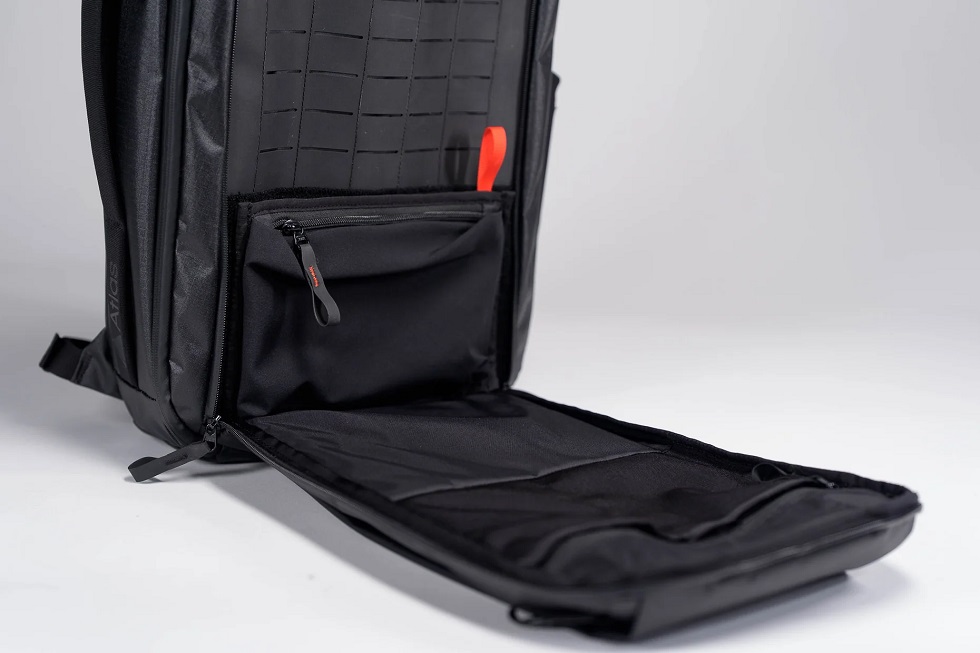
Rather than accommodating an entire equipment inventory, the interior features a wall-to-wall lining of premium Velex loop fabric. This integrated, low-profile ecosystem secures gear stability without requiring rigid, space-consuming organizational cubes. To optimize weight, character, and flexibility, Henry dynamically varied the fabric paneling across the product family. Lightweight ripstops are utilized on low-impact face panels, while high-denier technical textiles reinforce the base and perimeter walls.
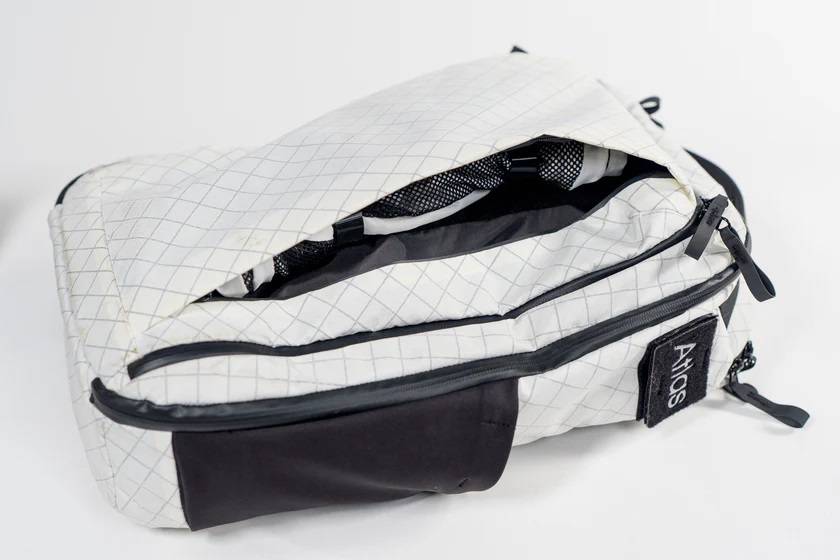
This materials strategy enables three distinct configurations within the Atlas One ecosystem:
- The Day Pack (20–25L): Compresses down to a slim 4.5-inch profile tailored for urban commuting and lightweight daily carry.
- The Getaway Pack (25–32L): Engineered with a deeper clamshell architecture to accommodate multi-day travel requirements while adhering to international airline carry-on standards.
- The Mission Pack (27–30L): Incorporates a built-in Origami Camera Core and a magnetic side-access door optimized for rapid deployment of larger telephoto setups.
Because fabric configurations rotate based on material availability and current technical standards, Atlas implemented a size-agnostic pricing model. This approach indexes costs to the complexity and expense of the underlying textiles rather than the physical volume of the bag, insulating consumers from traditional lifestyle-markup pricing structures.
The Value of Multi-Seasonal Stress Testing
While design patience is frequently cited as a corporate virtue, it remains difficult to execute when commercial momentum pressures a brand to launch. Henry’s commitment to leaving his prototype unedited for a full year served a specific technical purpose: uncovering invisible vulnerabilities that standard, short-term testing phases routinely miss.
Extended daily use across variable climates revealed how technical textiles reacted to continuous ultraviolet radiation, how frameless yokes shifted under fluctuating weight distribution, and where particulate accumulation occurred on body-contact panels. By resisting the temptation to iterate prematurely at month two or month six, Henry ensured that final pattern adjustments were informed by empirical, multi-seasonal data rather than reactionary tweaks. This methodology ultimately secured long-term durability across the production run.
Implications for Independent Soft-Goods Design
The trajectory of Atlas Packs offers a notable case study within the contemporary soft-goods and carry industry. Eschewing the conventional corporate imperatives of mass-market retail distribution and global scaling, the brand has maintained the agility of an independent design laboratory. By managing the product lifecycle directly from initial prototyping to small-batch manufacturing, Atlas has preserved creative autonomy while fostering a direct connection with its consumer base.
The introduction of the Atlas One system demonstrates that minimalist design is not merely a reduction in volume, but an intensification of focus on fundamental performance metrics. In an economic landscape often dominated by volume-driven manufacturing, Atlas Packs illustrates a viable alternative model: one rooted in empirical testing, responsive community engagement, and uncompromising construction standards. Through this deliberate approach, the brand has established a compelling benchmark for modern, independent gear engineering.