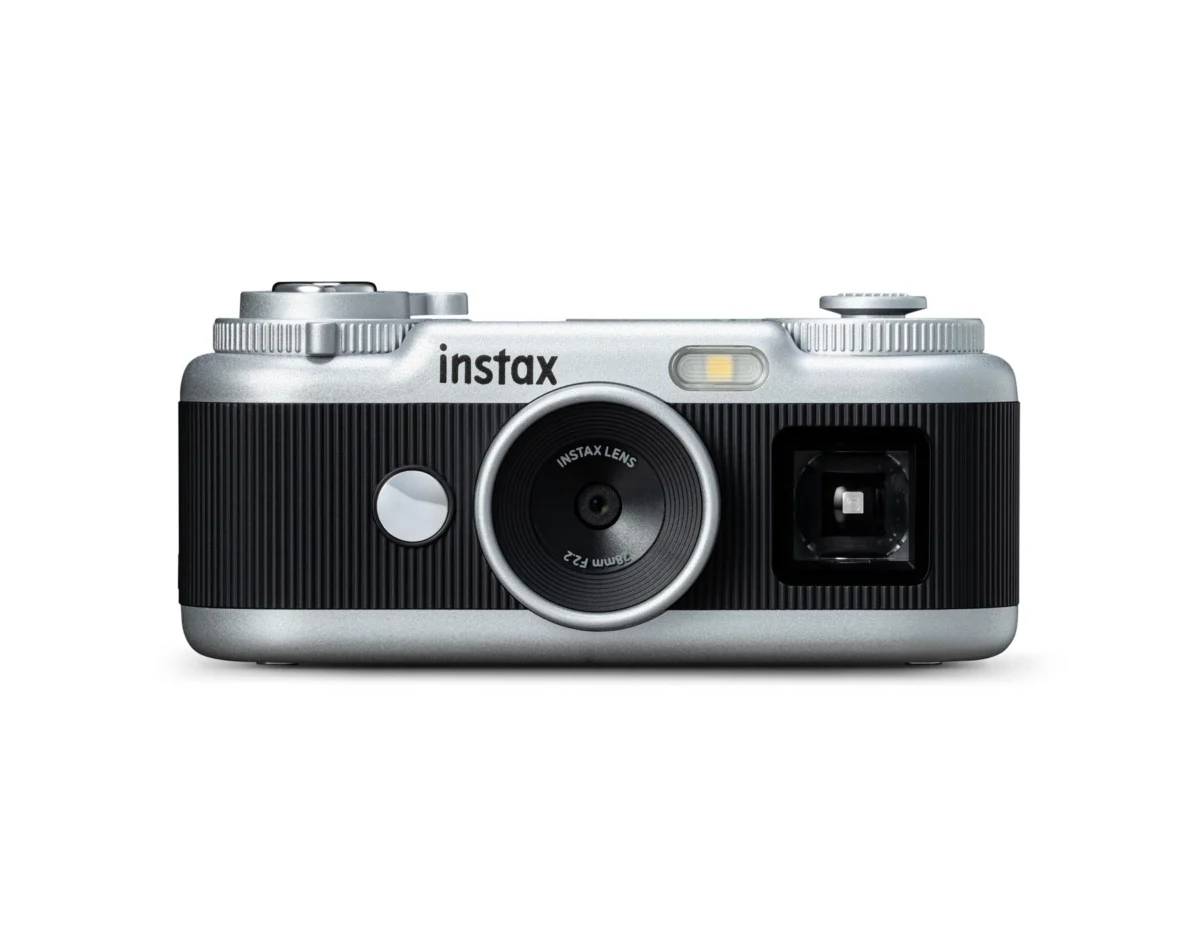
Fujifilm has officially announced the launch of the Instax Pal 2, marking a significant design and functional departure from its predecessor. Abandoning the distinctive, organic egg-shaped profile of the original Instax Pal released in late 2023, the second-generation model embraces a more conventional yet striking industrial design. The new iteration merges the compact, utilitarian look of a classic subminiature spy camera with the iconic, retro-infused aesthetic language that has come to define Fujifilm’s broader instant photography ecosystem.
Priced at $169, the palm-sized digital camera arrives with a comprehensive suite of hardware upgrades, improved storage capabilities, and expanded cross-device connectivity. Pre-orders for the device are currently open through major photography retailers, with the first official shipments scheduled to reach consumers later this month.
Evolution of Design: From Organic Curves to Classic Lines
When Fujifilm introduced the original Instax Pal, it was positioned as a radical departure from traditional camera ergonomics. Designed strictly as a remote-shooting companion device rather than a standalone shooter, its egg-like, rounded body was built to be tossed into a bag or mounted discretely in various locations. While consumer response to its novelty was generally favorable, photographers and casual users frequently noted the challenges of handling an ultra-compact device devoid of traditional tactile feedback, physical viewfinders, or standard grip surfaces.
The Instax Pal 2 addresses much of that initial feedback by pivoting toward a more structured, rectilinear form factor. The body evokes the nostalgia of mid-century espionage cameras—compact devices built for discretion and quick deployment—while incorporating design cues from Fujifilm’s popular X-series and Instax square formats. Despite the visual overhaul, the device retains its core philosophy as a pocket-sized creative tool, engineered to fit easily into the palm of a hand or a coat pocket without weighing down the user.
Hardware Upgrades and Technical Specifications
Beyond its exterior redesign, the Instax Pal 2 packs a significantly enhanced array of internal hardware compared to its predecessor, bridging the gap between a novelty accessory and a capable everyday carry digital camera.
The standout physical addition is the inclusion of a built-in optical viewfinder, allowing users to compose shots traditionally without relying solely on a smartphone screen or guesswork. Complementing the optical viewfinder is a newly integrated 1-inch LCD display, providing immediate visual feedback for settings, battery status, and image management.
Storage capabilities have also seen a notable upgrade. The Instax Pal 2 features internal onboard memory capable of holding up to 100 digital photographs before requiring a transfer. For users who shoot extensively on location, Fujifilm has included a microSD card slot, allowing for vastly expanded local storage capacity.

In terms of connectivity, the device is equipped with Bluetooth 5.1 technology. This low-energy wireless protocol enables fast and stable image transfers directly to a paired smartphone, as well as seamless communication with compatible Fujifilm Instax cameras and portable smartphone printers, such as the Instax Link series.
Versatile Workflow and Companion Ecosystem
The Instax Pal 2 operates in tandem with a dedicated companion application available for iOS and Android platforms. The app serves as the central hub for image management, allowing users to review, edit, and apply digital filters or borders to their captures before printing or sharing them digitally. Furthermore, the application features a remote shutter function, turning a connected smartphone into a live-view viewfinder for group shots, self-portraits, or creative high-angle and low-angle framing.
For users seeking a direct, cable-based workflow, Fujifilm has incorporated a dedicated USB-C port directly onto the camera body. This physical terminal allows the device to be plugged straight into a smartphone or tablet for rapid, wired image ingestion into the companion app, bypassing wireless pairing procedures entirely when rapid transfer speeds are required.
Chronology and Market Positioning
The release of the Instax Pal 2 represents the continuous maturation of Fujifilm’s hybrid digital-analog strategy. Over the past decade, the company has successfully revitalized the instant photography market by merging retro analog appeal with modern digital convenience—a strategy best exemplified by the success of the Instax Mini Evo and Instax Mini LiPlay hybrid cameras.
- September 2023: Fujifilm introduces the original Instax Pal as an ultra-compact, app-dependent digital camera focused on remote shooting and fun, casual photography.
- 2024–2025: Consumer feedback highlights a desire for physical viewfinders, enhanced storage flexibility, and a more tactile, traditional camera body design.
- September 2026: Fujifilm formally announces the Instax Pal 2, shifting toward a spy-camera-inspired aesthetic while integrating a 1-inch LCD screen, optical viewfinder, microSD support, and a $169 price point.
- Late September 2026: Pre-orders open globally, with initial retail shipments slated to arrive to consumers by the end of the month.
This steady cadence of product iteration highlights Fujifilm’s responsiveness to market trends. While the original Instax Pal served as an experimental foray into standalone digital capture within the Instax ecosystem, the second-generation model targets a more mature consumer base looking for reliability, tactile control, and versatile connectivity.
Industry Implications and Consumer Impact
The launch of the Instax Pal 2 arrives at a time when consumer interest in dedicated, single-purpose digital cameras—particularly those offering retro styling and lo-fi or nostalgic image aesthetics—is experiencing a sustained resurgence. Younger demographics, in particular, have driven demand for compact digital cameras as an alternative to smartphone photography, seeking devices that offer a distinct shooting experience free from digital distractions like push notifications and constant connectivity.
By pricing the Instax Pal 2 at $169, Fujifilm positions the camera competitively within the lifestyle gadget and gift markets. It bridges the gap between toy-like novelty items and serious photographic gear, offering enough technical depth—such as expanded microSD storage and wired USB-C transfers—to satisfy enthusiasts, while remaining accessible enough for casual users.
Ultimately, the Instax Pal 2 demonstrates Fujifilm’s ability to refine its product lines based on real-world usage patterns. By moving away from the polarizing organic shape of the first model and outfitting the device with essential physical controls like an optical viewfinder and an LCD screen, Fujifilm has created a more cohesive and user-friendly tool that reinforces the brand’s dominance in the contemporary instant and hybrid photography space.