After a full month of continuous, around-the-clock testing, the debut of the Garmin Cirqa has sparked considerable debate within the wearables market. Positioned as Garmin’s direct answer to screenless, continuous health monitors like the Whoop band and the Fitbit Air, the Cirqa enters a mature product category where consumer expectations are heavily dictated by established competitors. Released exactly one month ago, the device has undergone rigorous day-to-day and workout-based evaluations, including concurrent side-by-side testing against the Whoop 5.0, Fitbit Air, Polar Loop, and Amazfit Helio. This evaluation period encompasses a wealth of historical context, drawing on extensive multi-year usage of major wearable ecosystems to determine how Garmin’s latest offering performs in the real world.

Hardware Specifications and Core Architecture
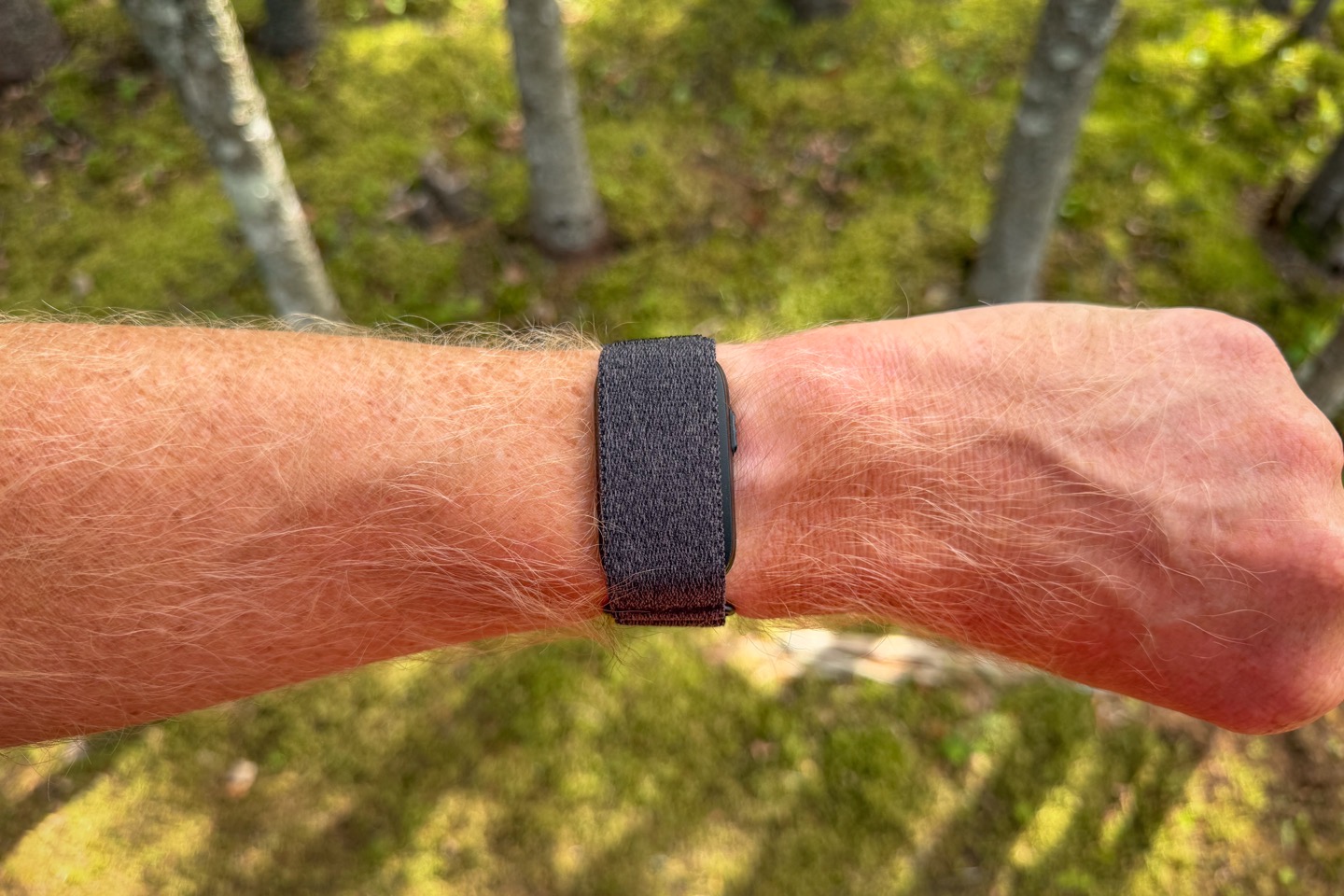
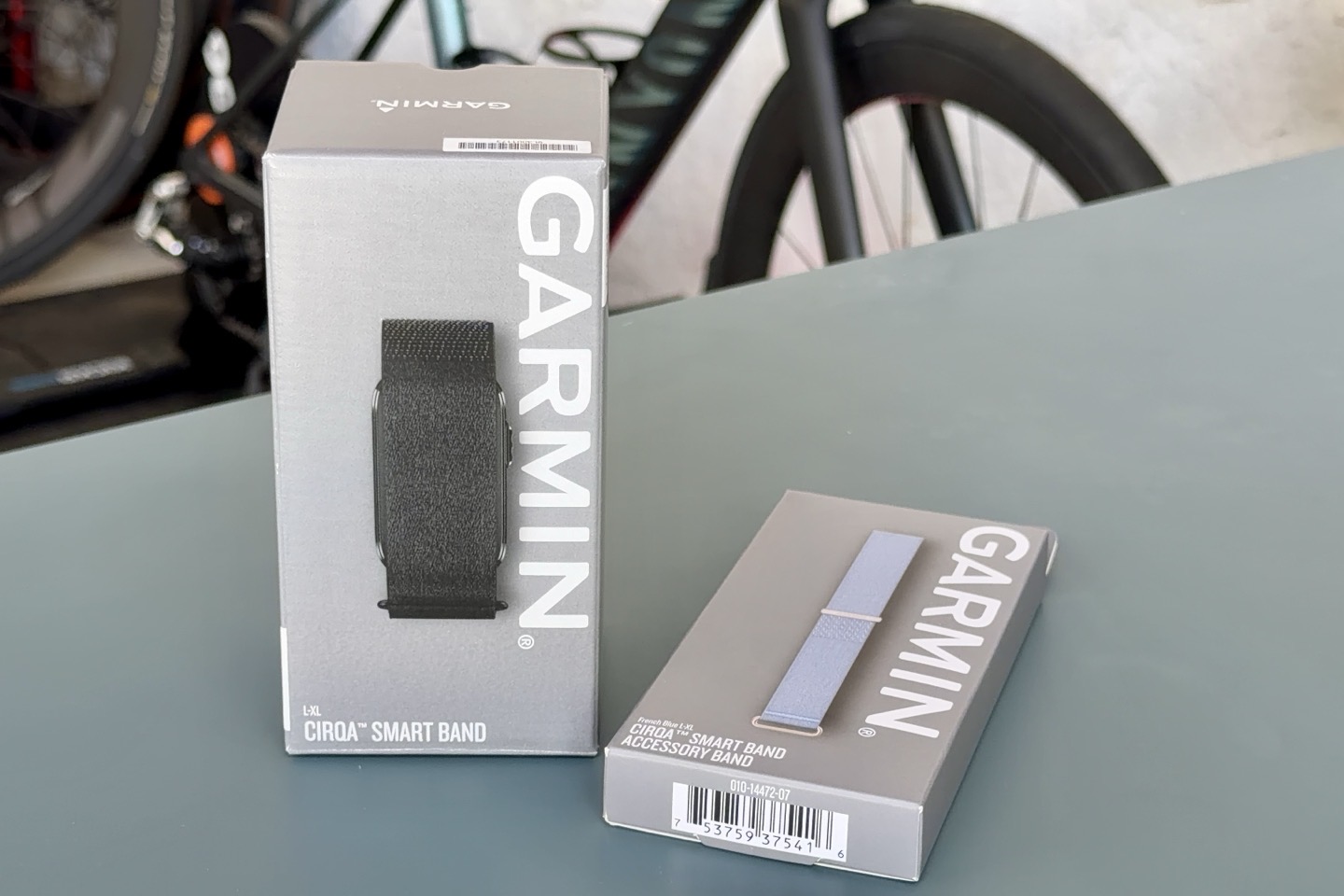
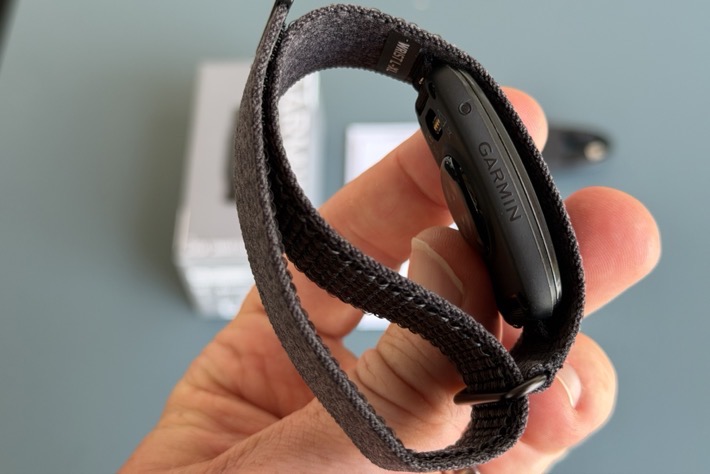
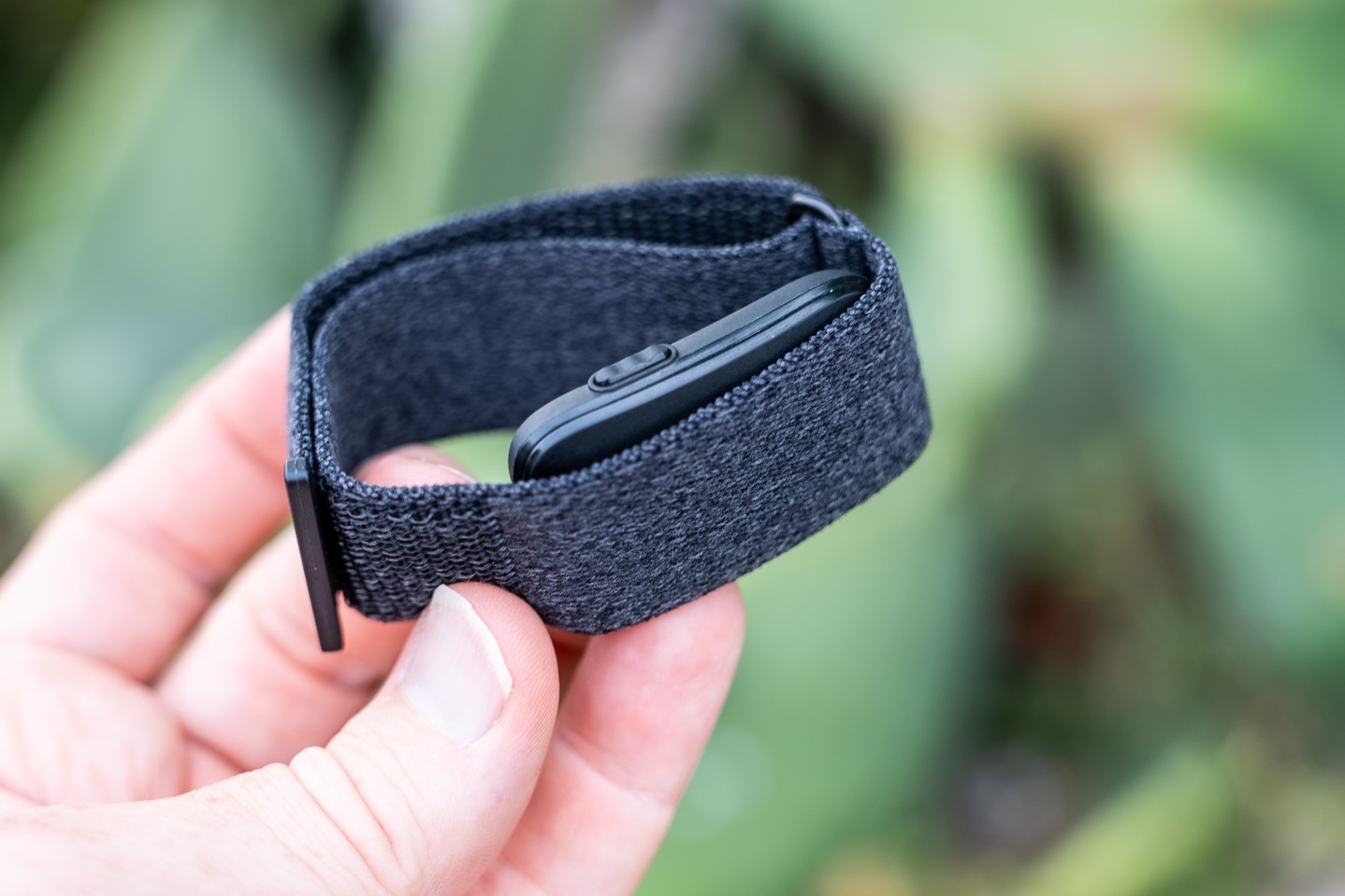
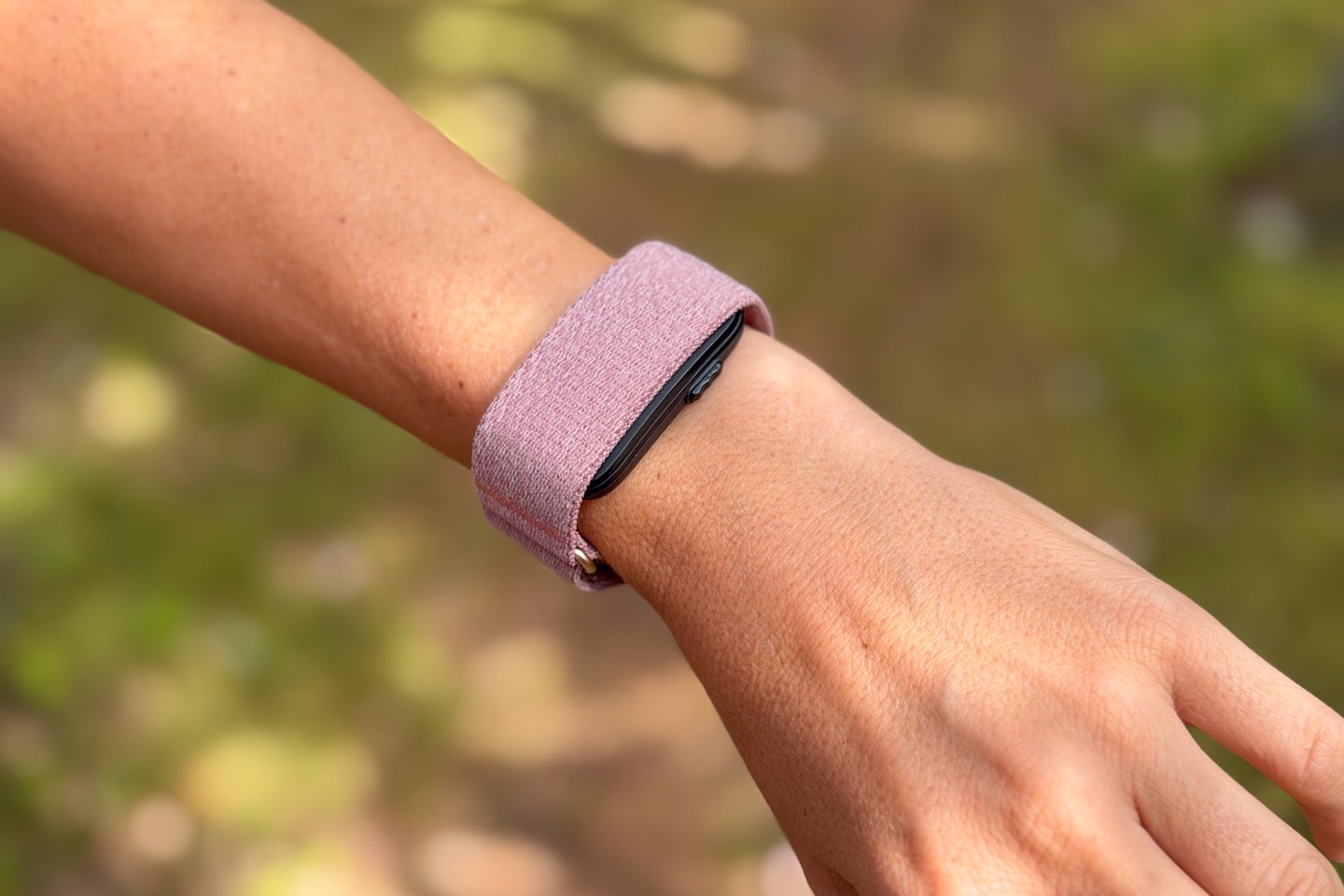
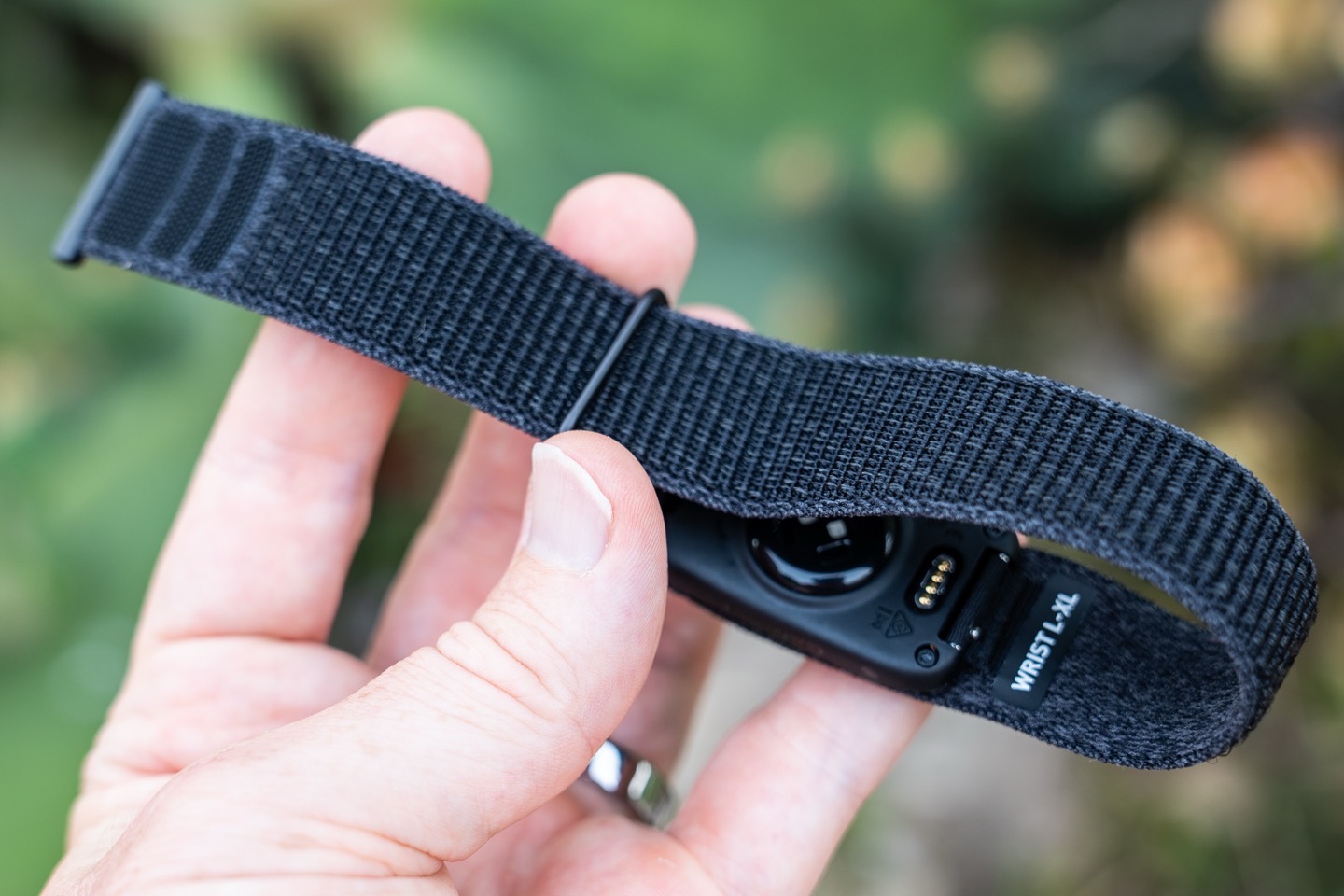
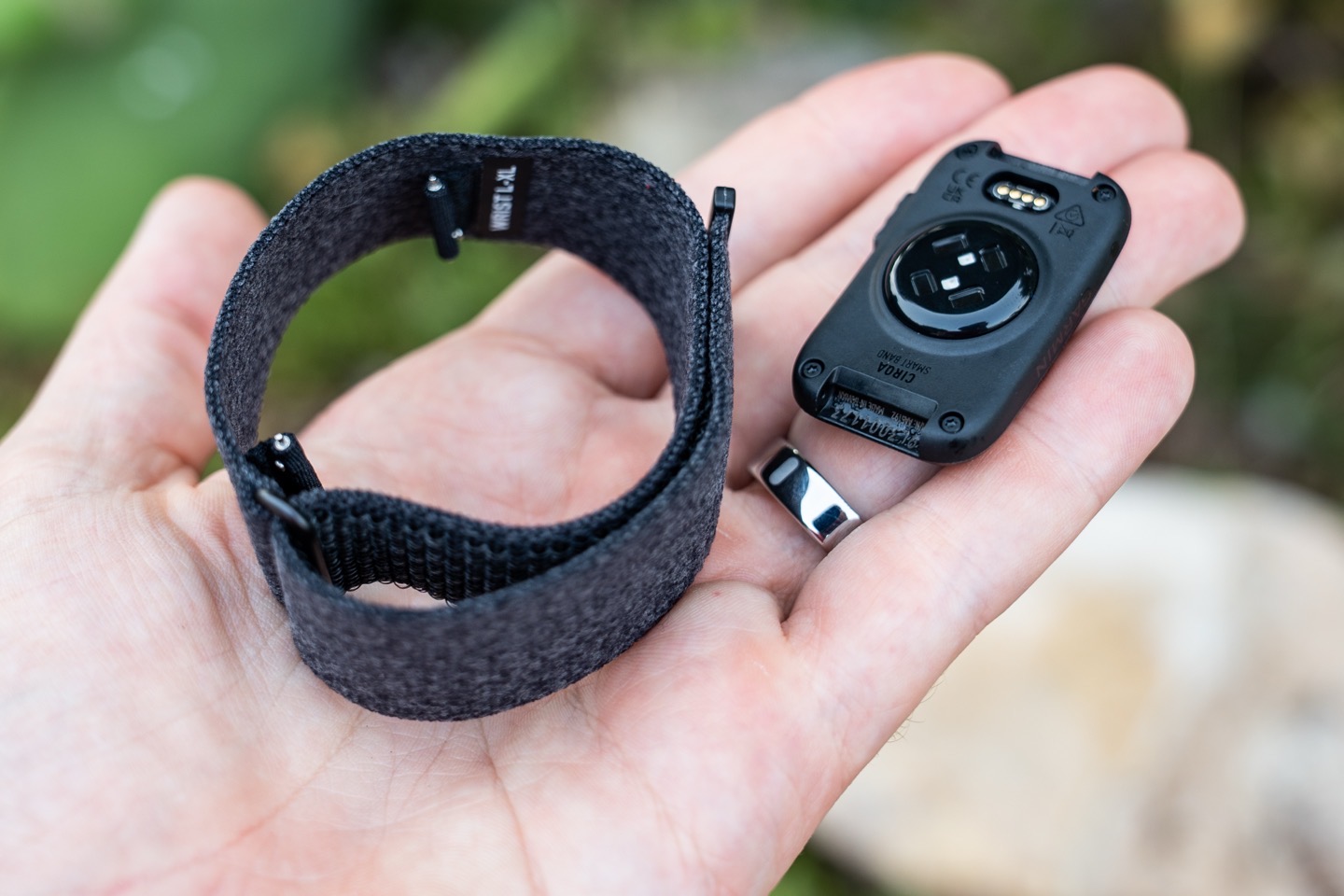
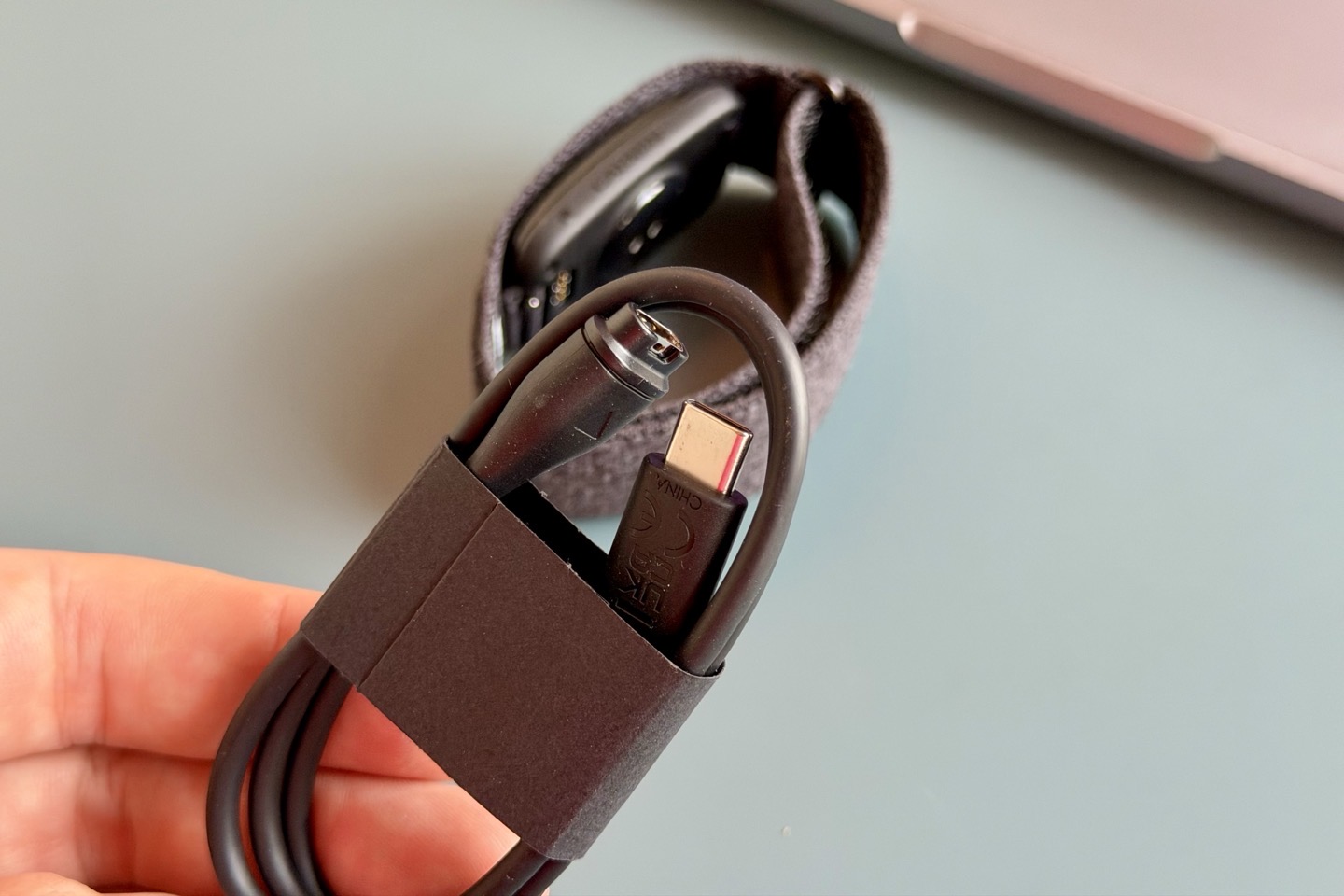
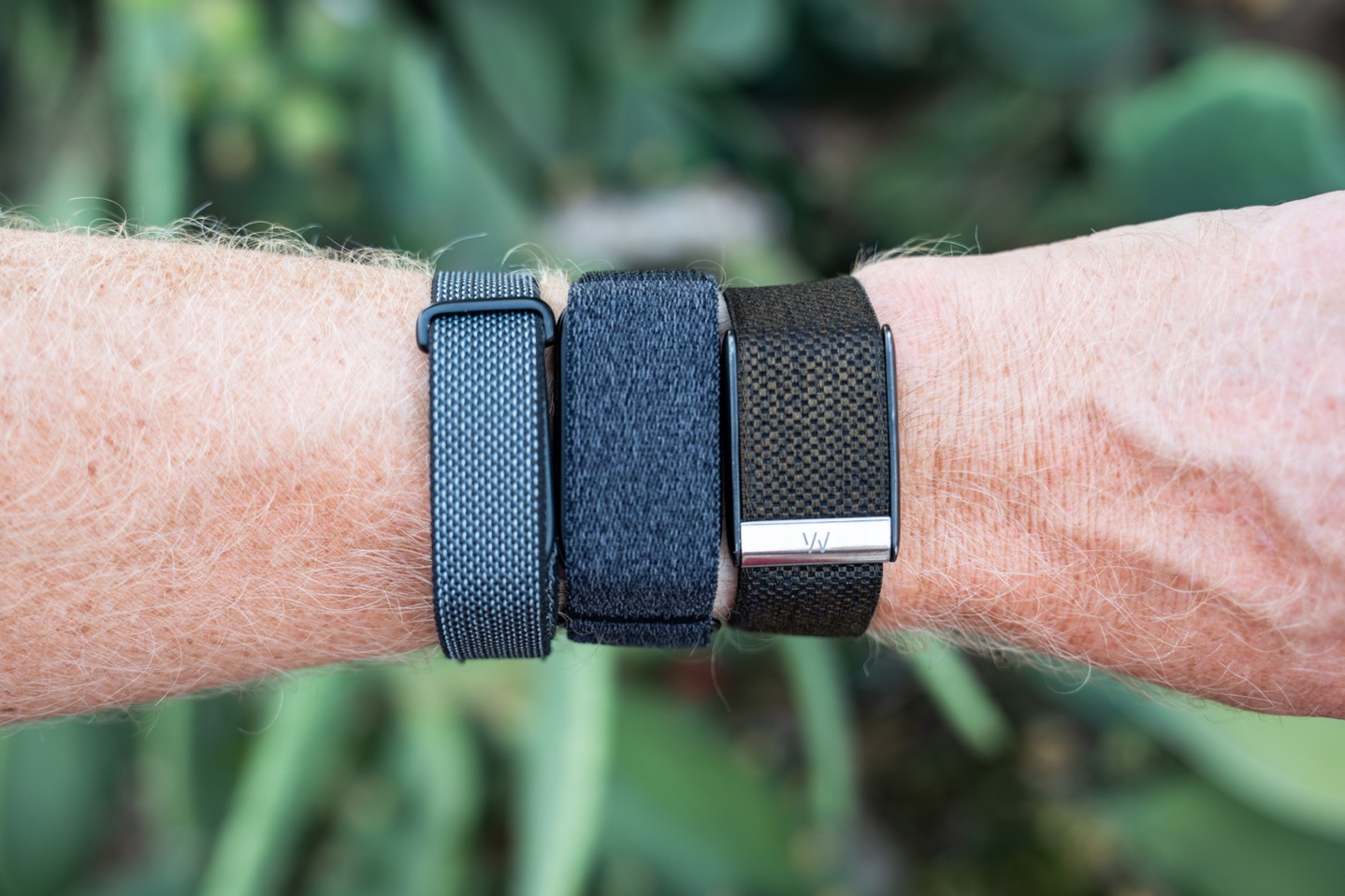
Priced at $199 USD (€199 / £179 / CAN$279), the Garmin Cirqa is designed as a minimalist health pod without a display screen, weighing a mere 20 grams. It is offered in four distinct colorways—Black, Grey, Red/Pink, and Navy Blue—with each color available in Small/Medium and Large/XL sizing. For users seeking alternative placement options, an optional bicep band is available for $59, or bundled at $209 total when purchased directly from Garmin’s website.
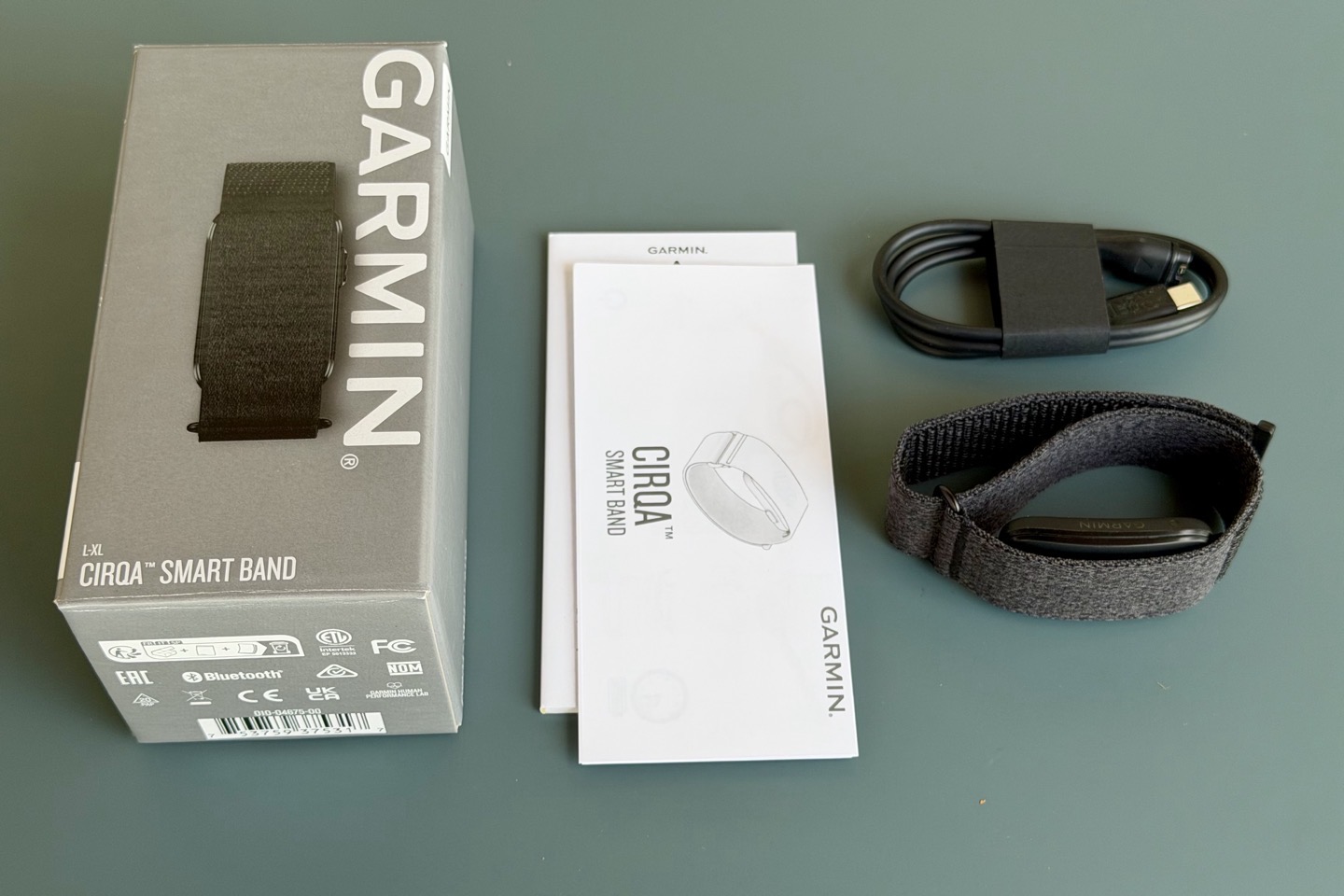
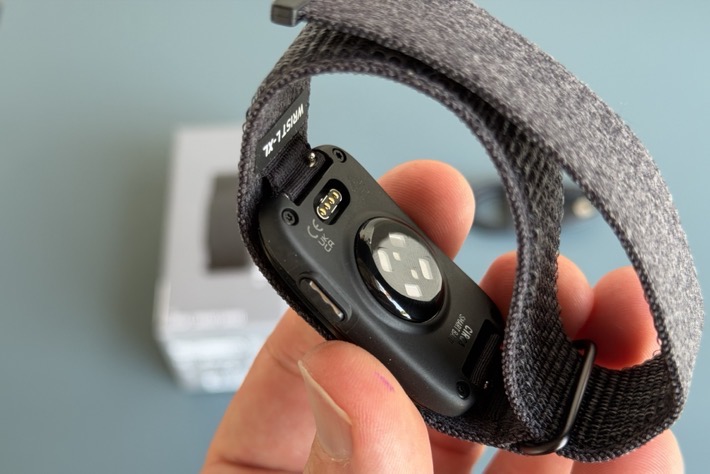
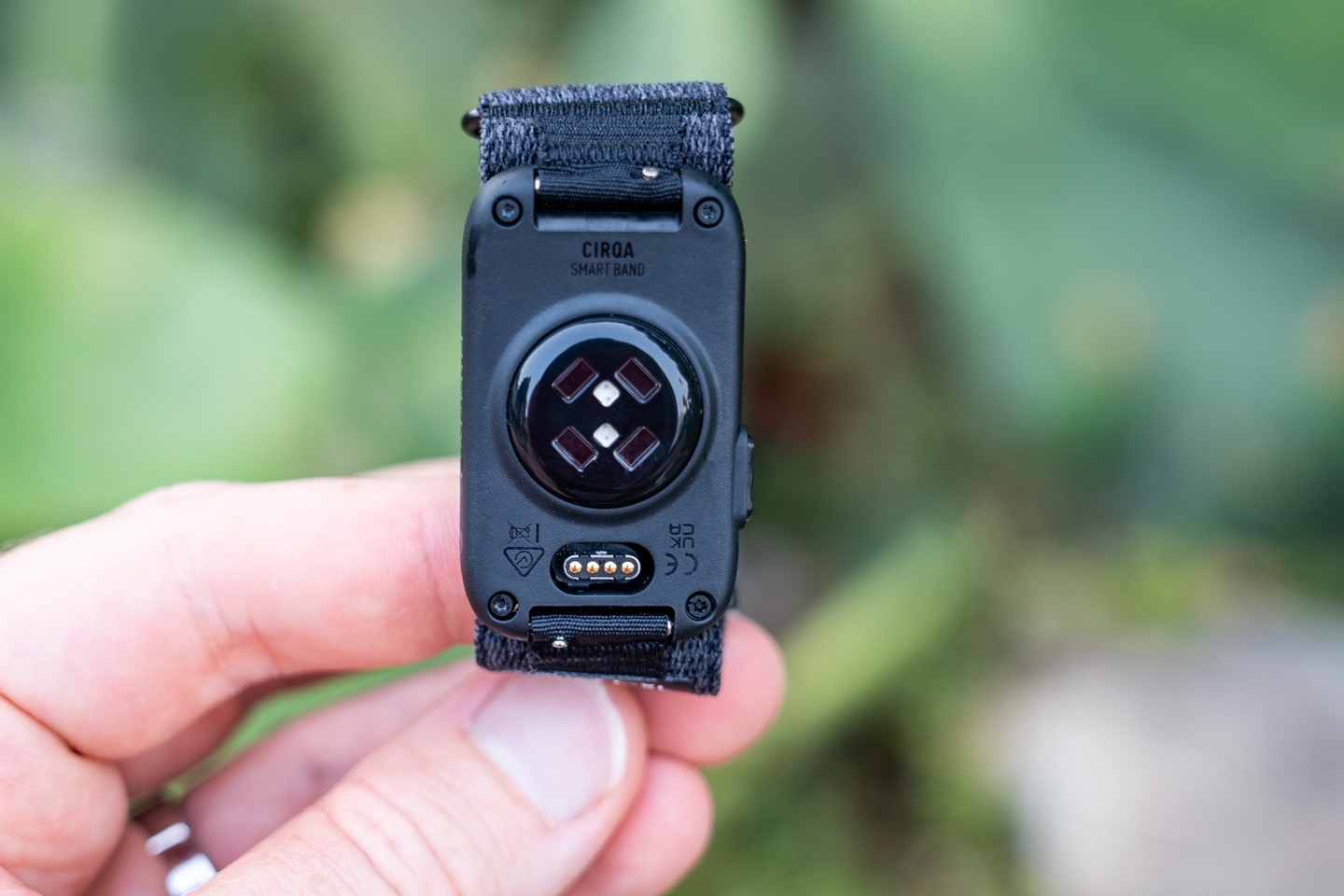
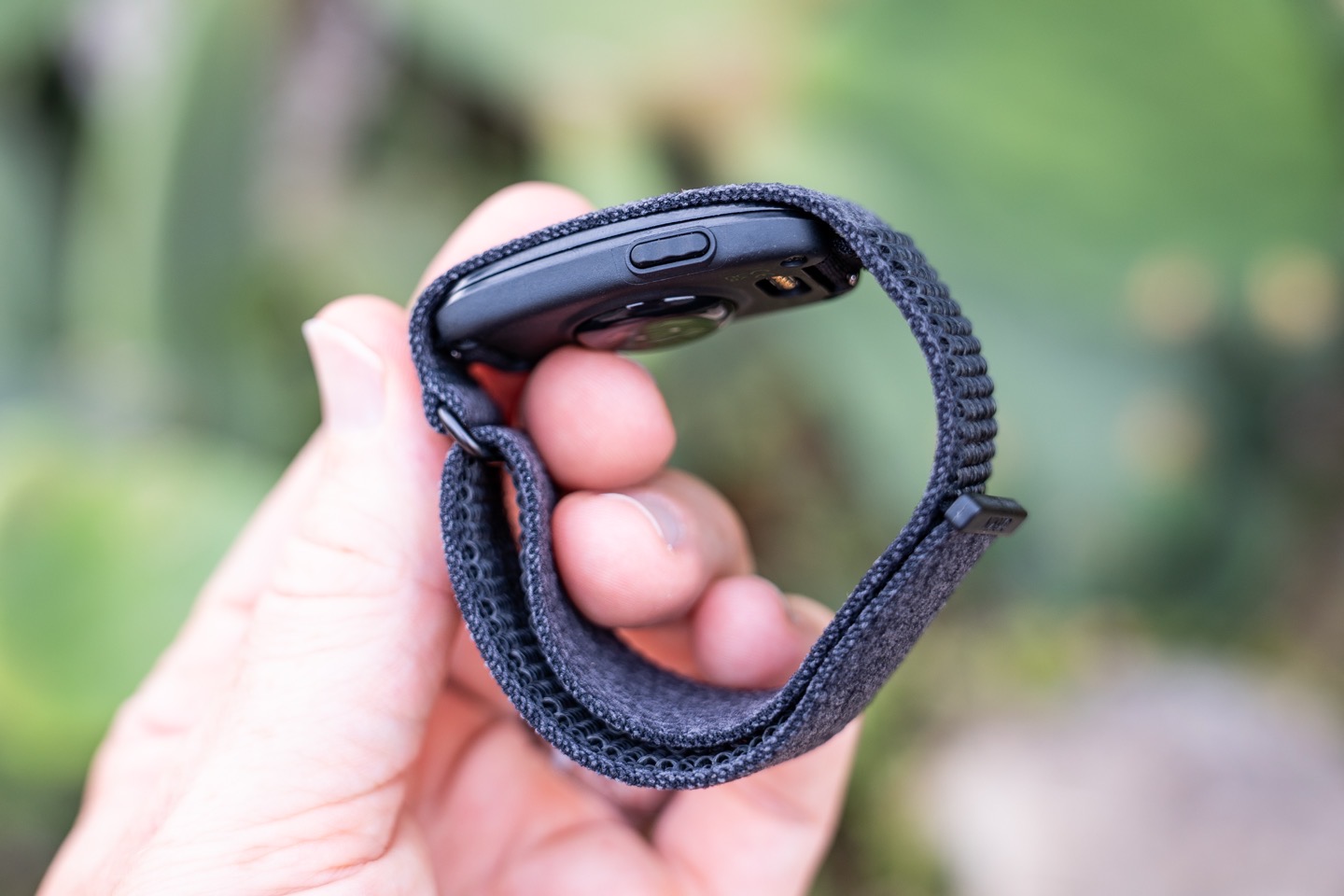
The device features a physical button utilized for manually initiating activities, snoozing alarms, and broadcasting heart rate data via ANT+ and Bluetooth Smart. The underlying optical heart rate sensor relies on Garmin’s Elevate Gen4 module, paired with a specialized hardware layer to capture nightly skin temperature tracking. While higher-end Garmin watches utilize the Gen5 sensor for medical-grade ECG capabilities, the inclusion of the Gen4 sensor in the Cirqa keeps the price point competitive while delivering a comprehensive suite of wellness metrics. These include daily step and calorie tracking, advanced sleep staging, nap detection, smart alarms, HRV tracking, nightly skin temperature, SpO2 (PulseOx), respiration rate, stress monitoring, women’s health tracking, and automatic workout detection across more than 80 sports profiles.
Daily Software Integration and Ecosystem Merging
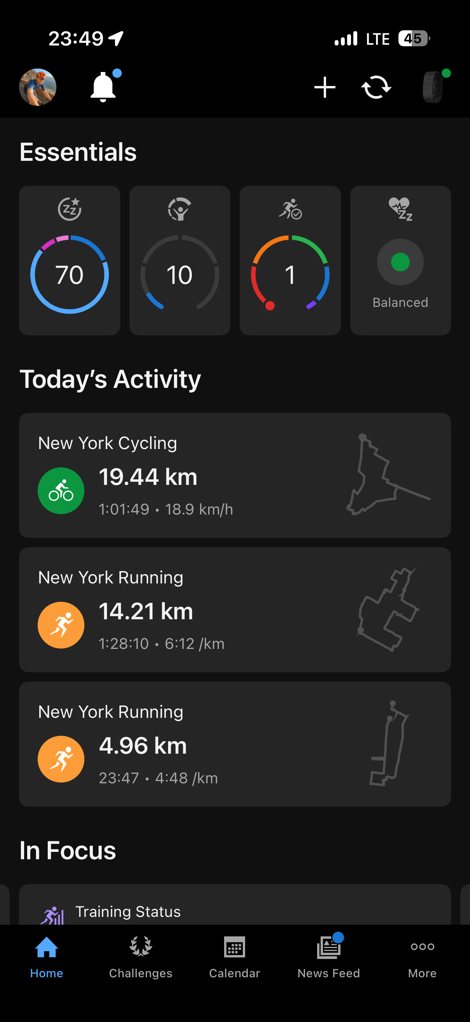
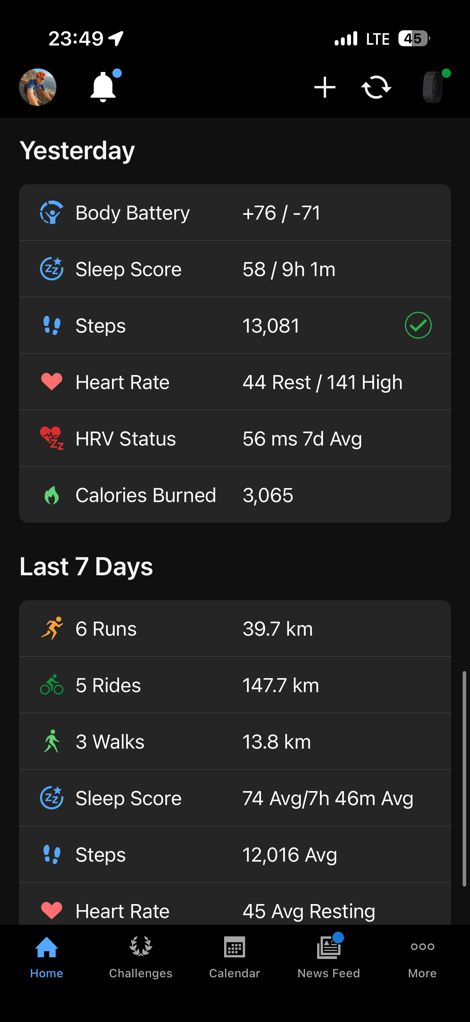
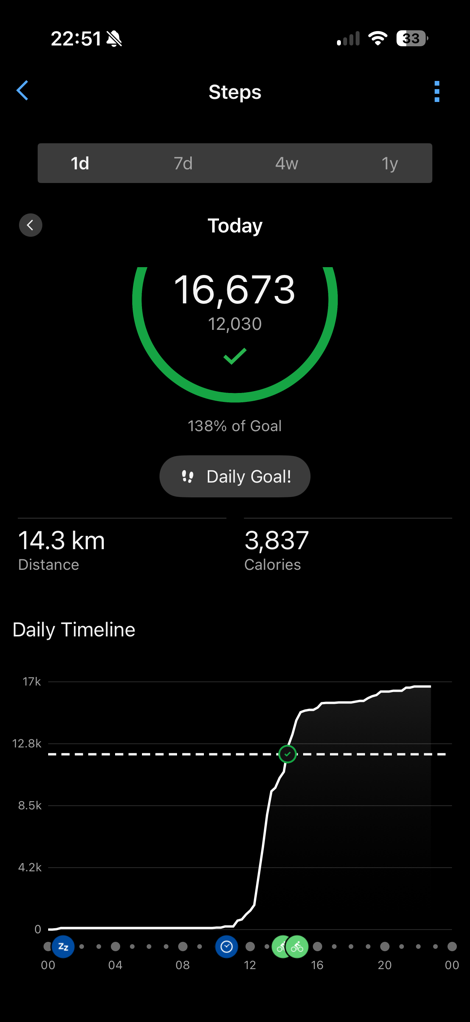
Operating entirely through the Garmin Connect Mobile app or the desktop web dashboard, the Cirqa mirrors the daily wellness metrics of traditional Garmin sports watches. Users familiar with the Garmin ecosystem will find the interface identical to full-fledged devices like the Fenix series, with the exception of stair-counting, which is omitted due to the lack of an onboard barometric altimeter.
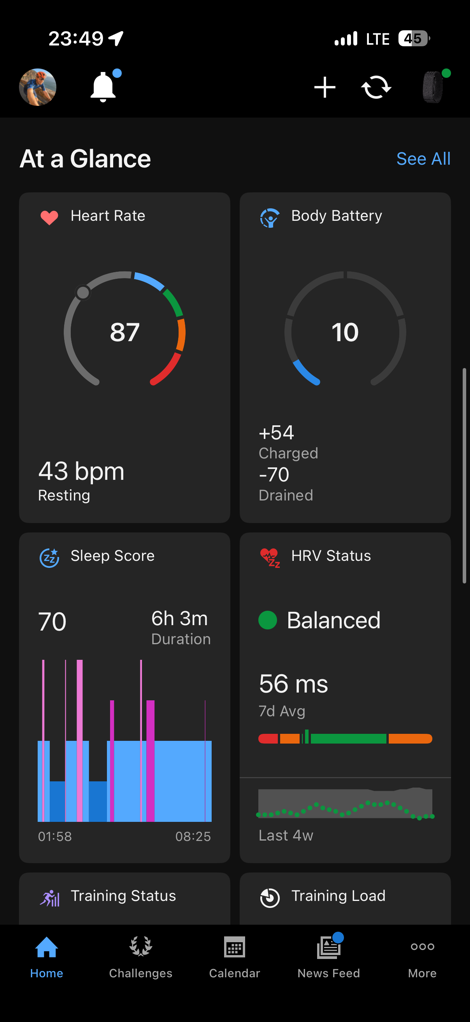
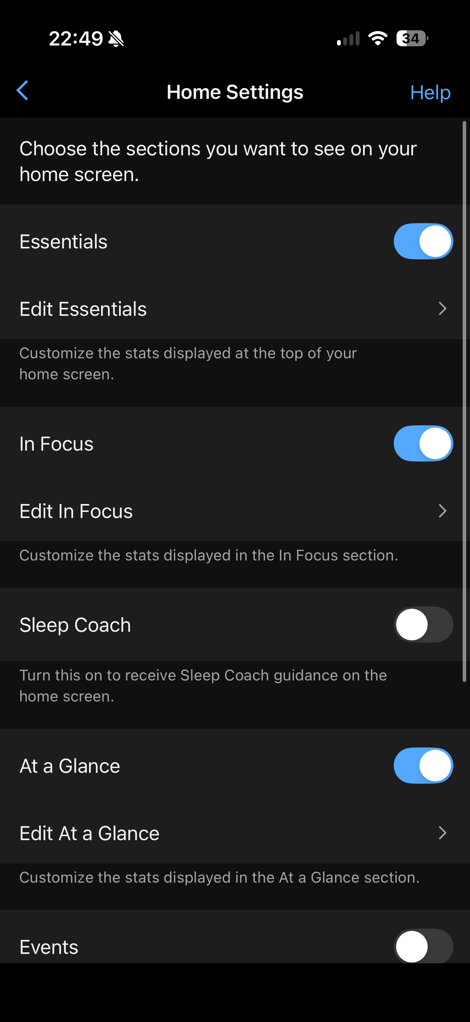
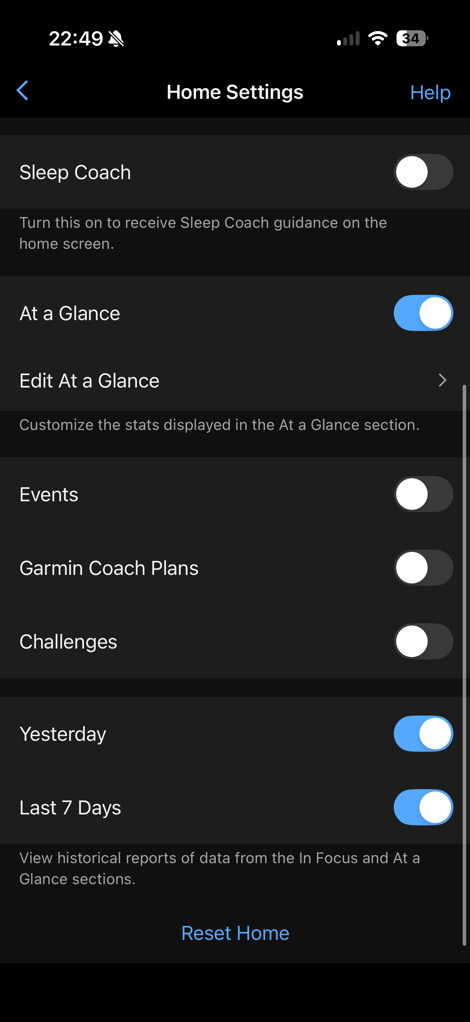
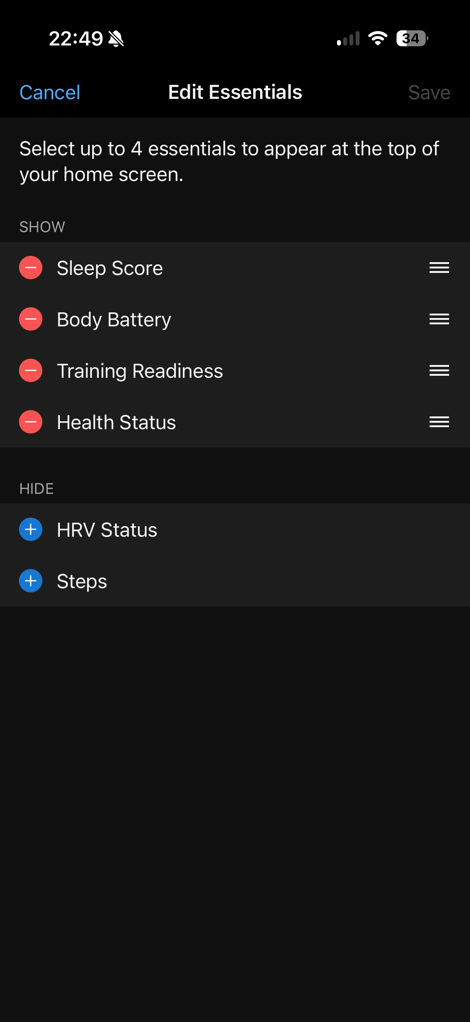
The Garmin Connect dashboard offers extensive customization, allowing users to tailor essentials, glance views, and historical trends. Key recovery metrics such as Body Battery—which tracks daily energy reserves based on sleep, stress, and physical activity—provide a comprehensive view of physiological recovery. Additionally, Health Status trends vital statistics against personalized baseline ranges to alert users to anomalies over time. When integrated with other Garmin ecosystem devices, such as a cycling computer or running watch, data seamlessly merges via Physio TrueUp, ensuring unified training status and physiological metrics without data duplication.
Sleep Tracking, HRV, and Alarm Functionality
Sleep monitoring operates automatically without requiring manual activation. Users can configure SpO2 monitoring specifically for sleep tracking to preserve battery life while populating historical health trends. Upon waking, Garmin Connect issues a comprehensive sleep summary detailing sleep score, duration, resting heart rate, heart rate variability (HRV), SpO2, and skin temperature.
HRV tracking serves as a cornerstone for physiological monitoring, establishing a baseline over a 19-night period to track autonomic nervous system recovery. While smart alarm functionality uses gentle vibrations to wake users during optimal sleep stages up to 30 minutes before a set time, the absence of an audio speaker means users rely entirely on haptic feedback. Naps are also detected automatically, though upright sleeping postures in transit continue to present challenges for accurate classification.
Workout Performance, GPS Integration, and Automatic Detection
Workout tracking can be initiated via three methods: manually through the Garmin Connect app, manually via the physical button, or through automated background detection. The inclusion of connected GPS via a paired smartphone allows outdoor activities like running and cycling to capture accurate distance data, a feature absent in several screenless competitors.
However, automatic workout detection remains a significant hurdle. While the device reliably logs workout start times, it occasionally fragments longer sessions or misses intervals entirely. Unlike competitors that maintain high-fidelity heart rate logging throughout the entire day—allowing users to freely adjust activity windows after the fact—Garmin’s architecture only records high-frequency data when an activity is actively recognized or manually started. If a workout segment is missed or split, the underlying heart rate and GPS data for those unrecorded intervals cannot be retroactively recovered.
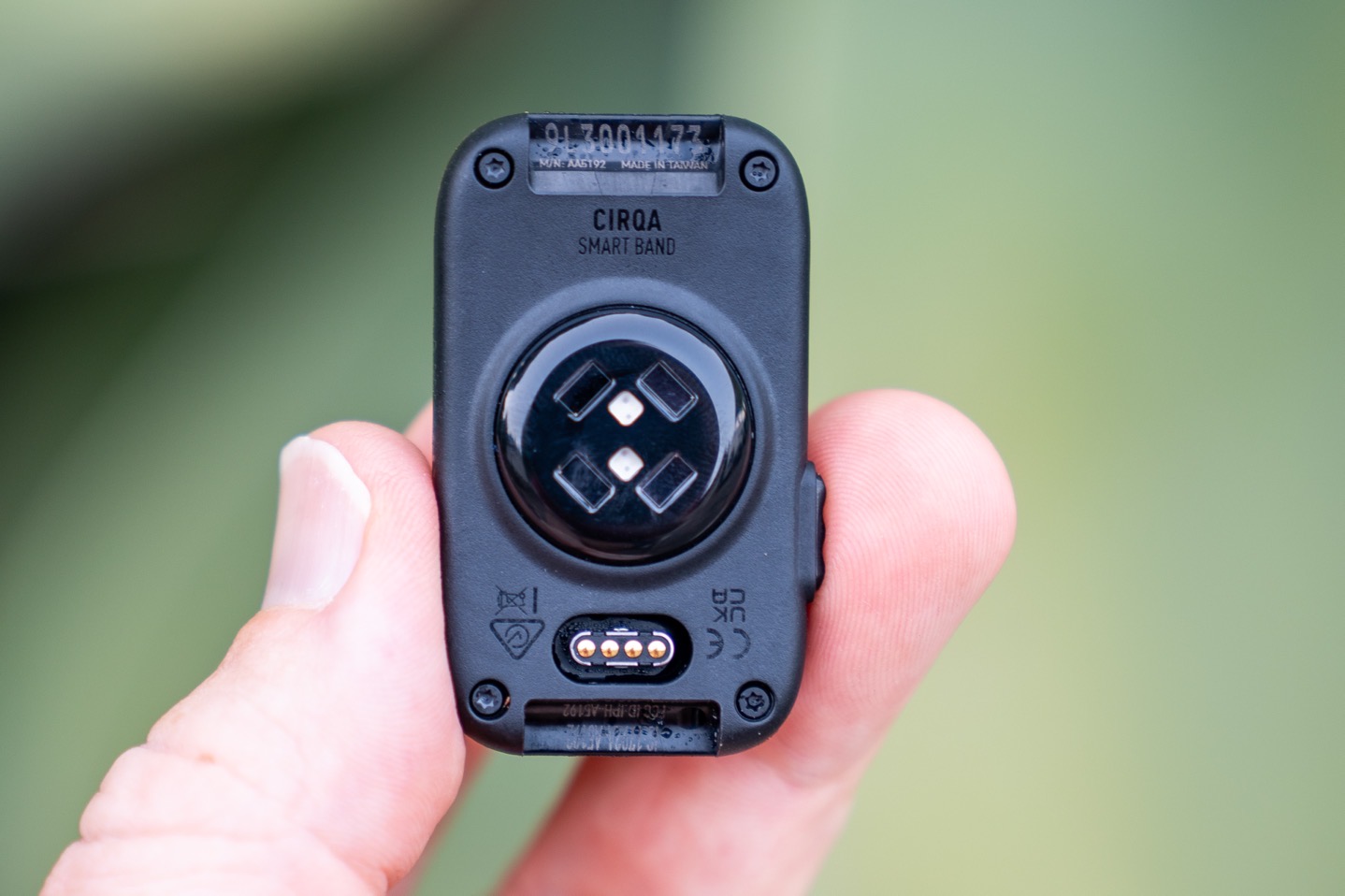
For heart rate broadcasting, a long-press of the device button enables simultaneous ANT+ and Bluetooth Smart transmission, allowing the Cirqa to pair with third-party cycling computers, treadmills, and training applications such as Zwift and TrainerRoad.
Training Status and Training Readiness Advantage
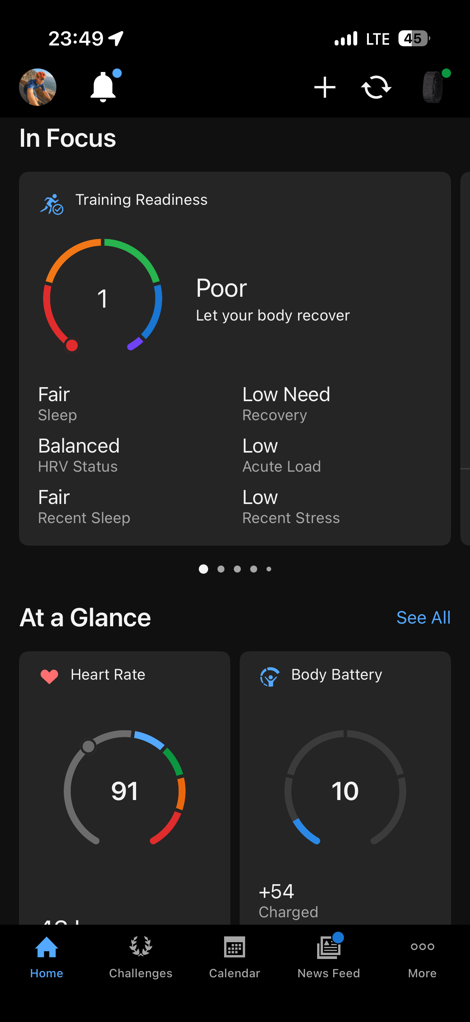
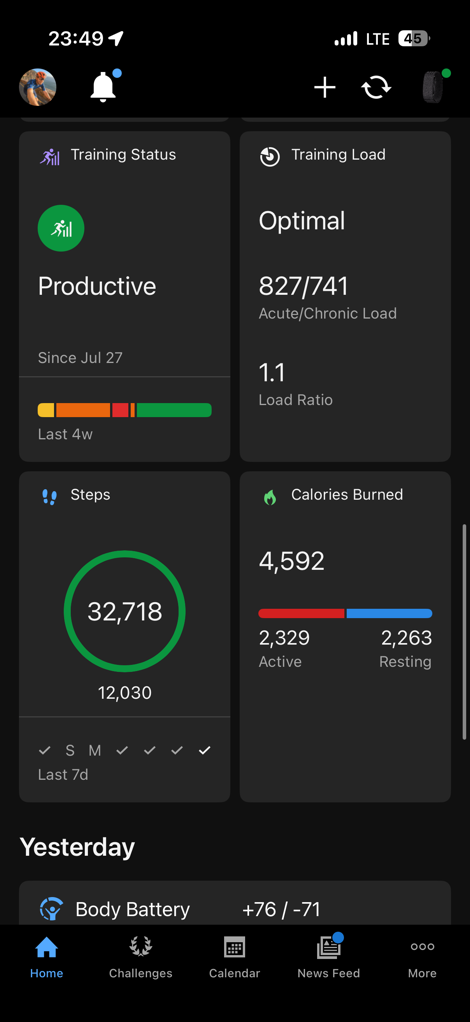
One of Garmin’s most formidable competitive advantages lies in its advanced training analytics: Training Readiness and Training Status. Training Readiness evaluates sleep quality, recovery time, HRV status, acute load, and recent stress to generate a real-time score indicating an athlete’s preparedness for physical exertion.
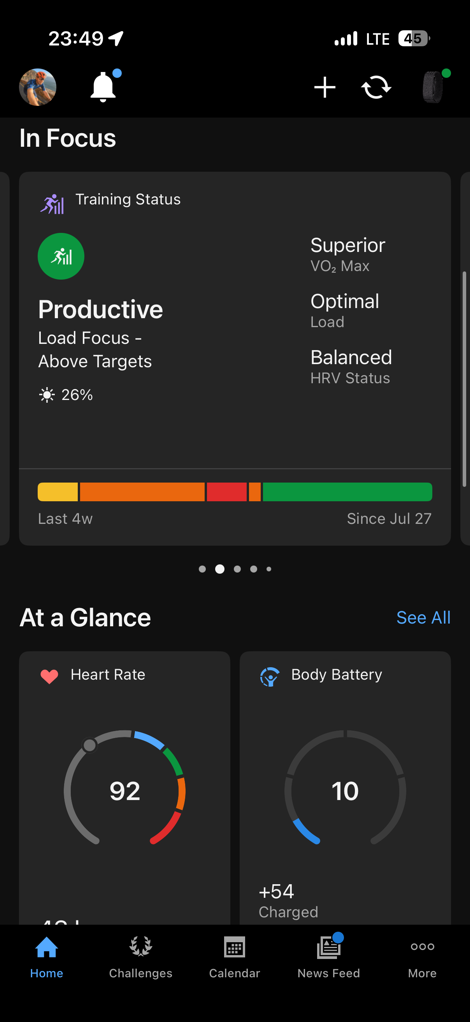
Complementing this, Acute Load tracks a 30-day training history against a 7-day rolling average to compute a Load Ratio, helping users safely manage training progression and avoid overtraining injuries. Training Status further categorizes the overall effectiveness of recent training as Productive, Maintaining, or Overreaching. While Garmin’s algorithms lean conservative to prevent injury, these metrics provide a level of physiological depth that surpasses most screenless wellness trackers on the market.
Bicep Band Ergonomics and Accuracy Implications
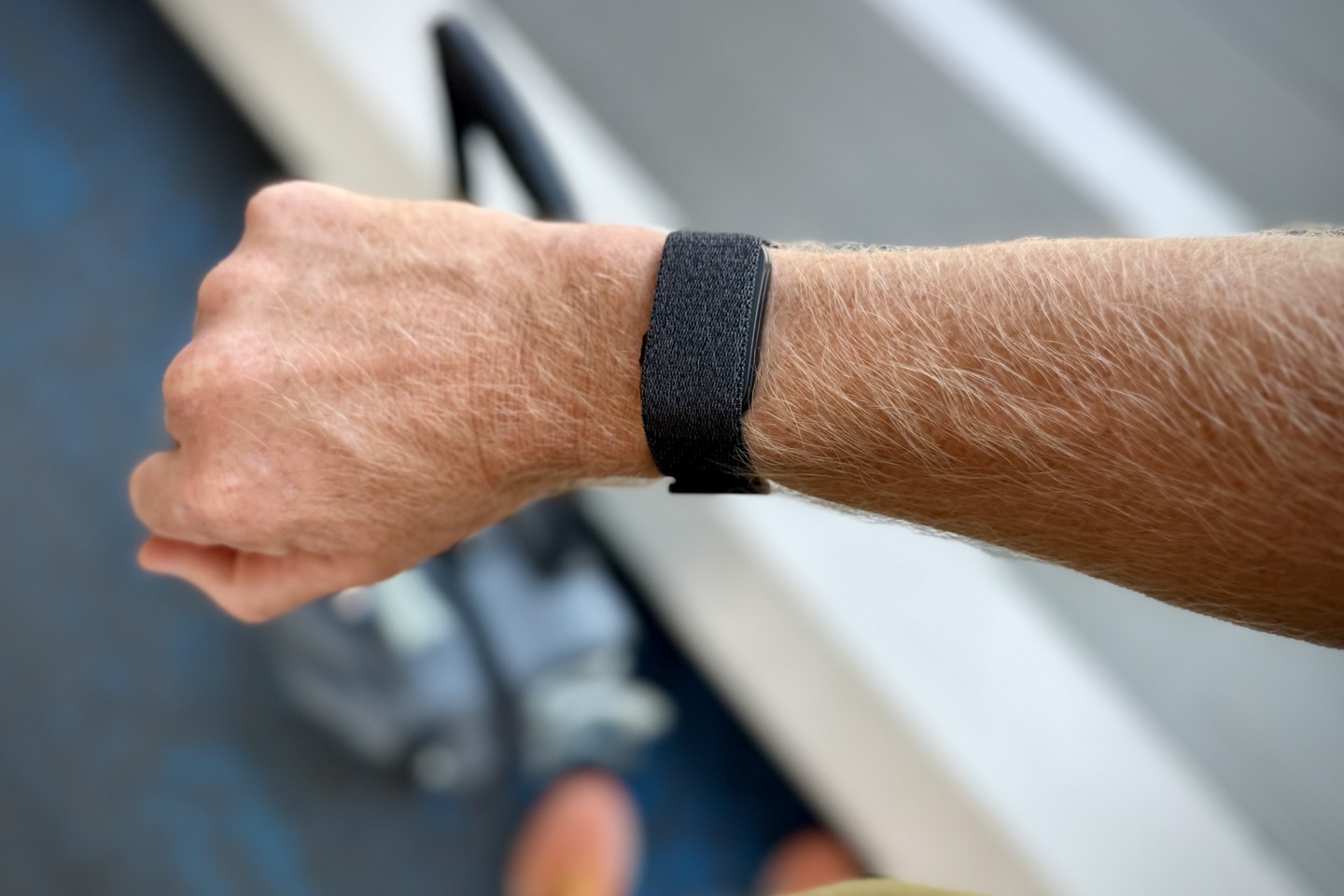
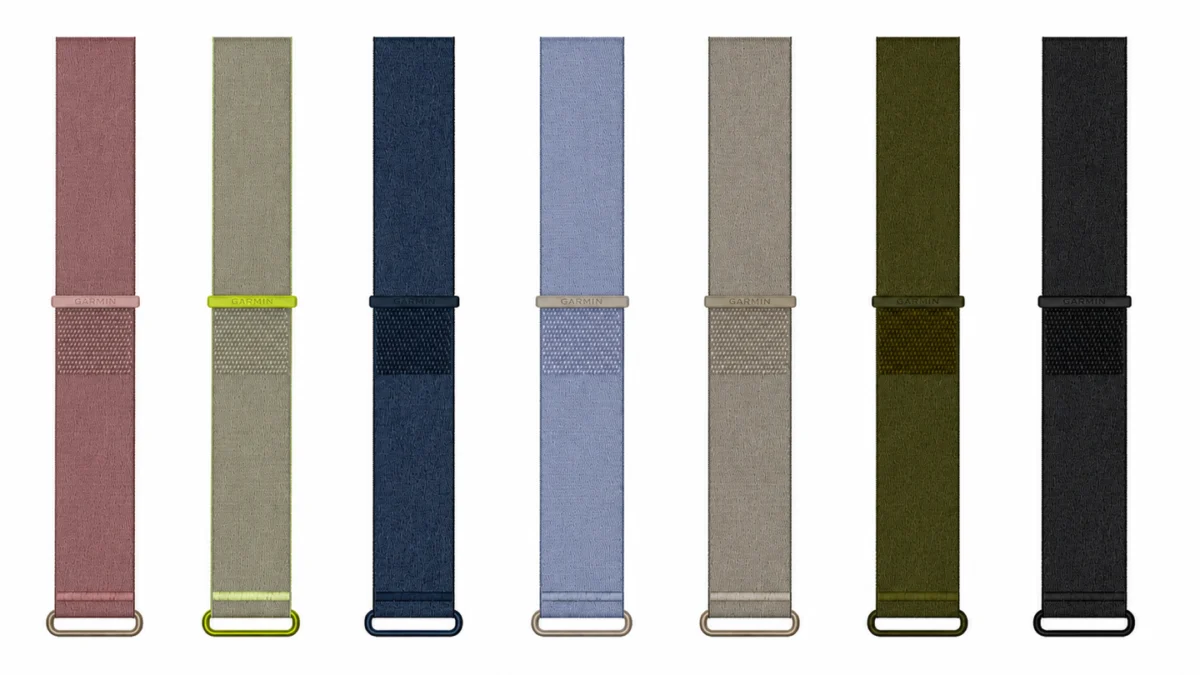
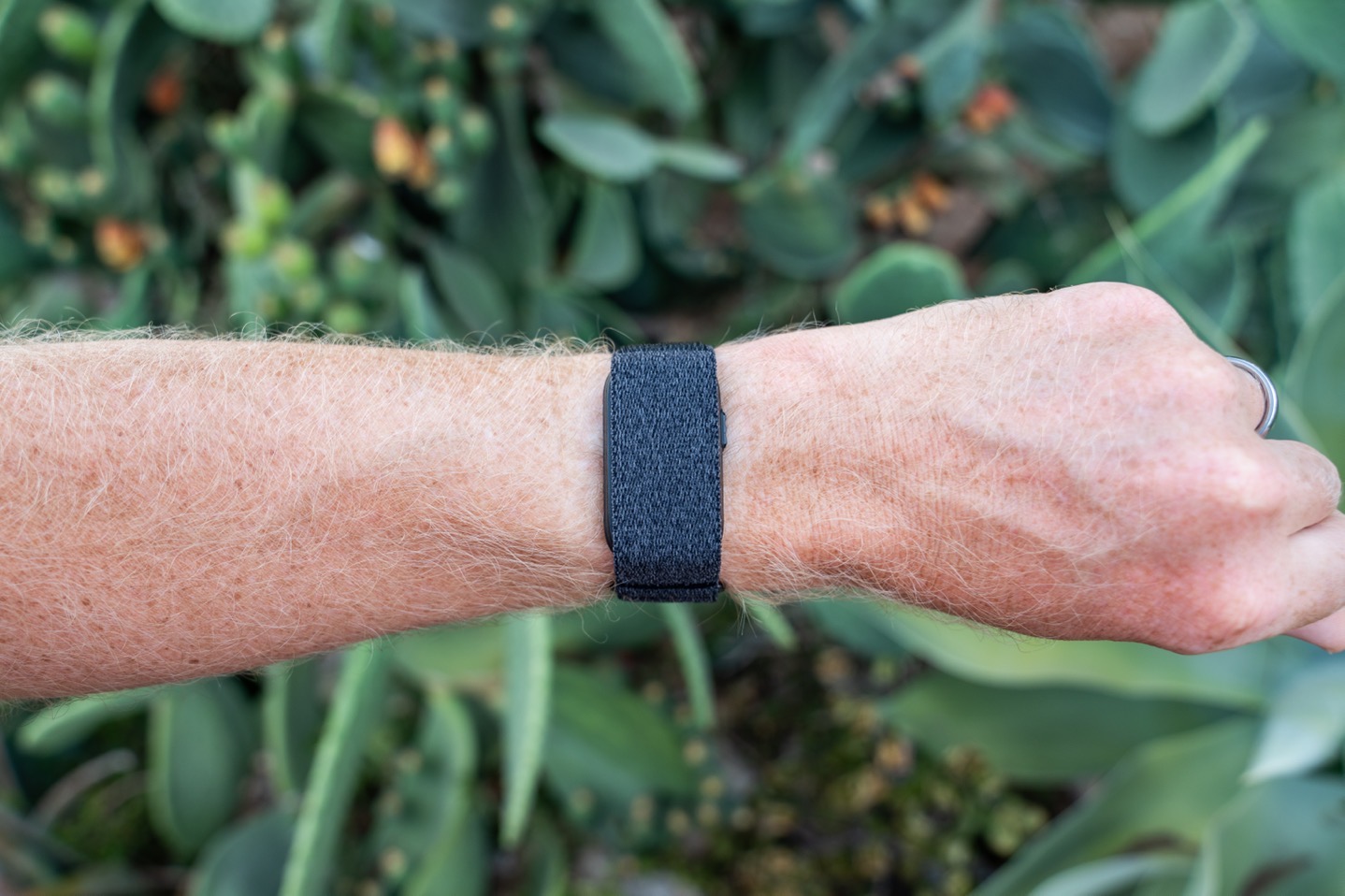
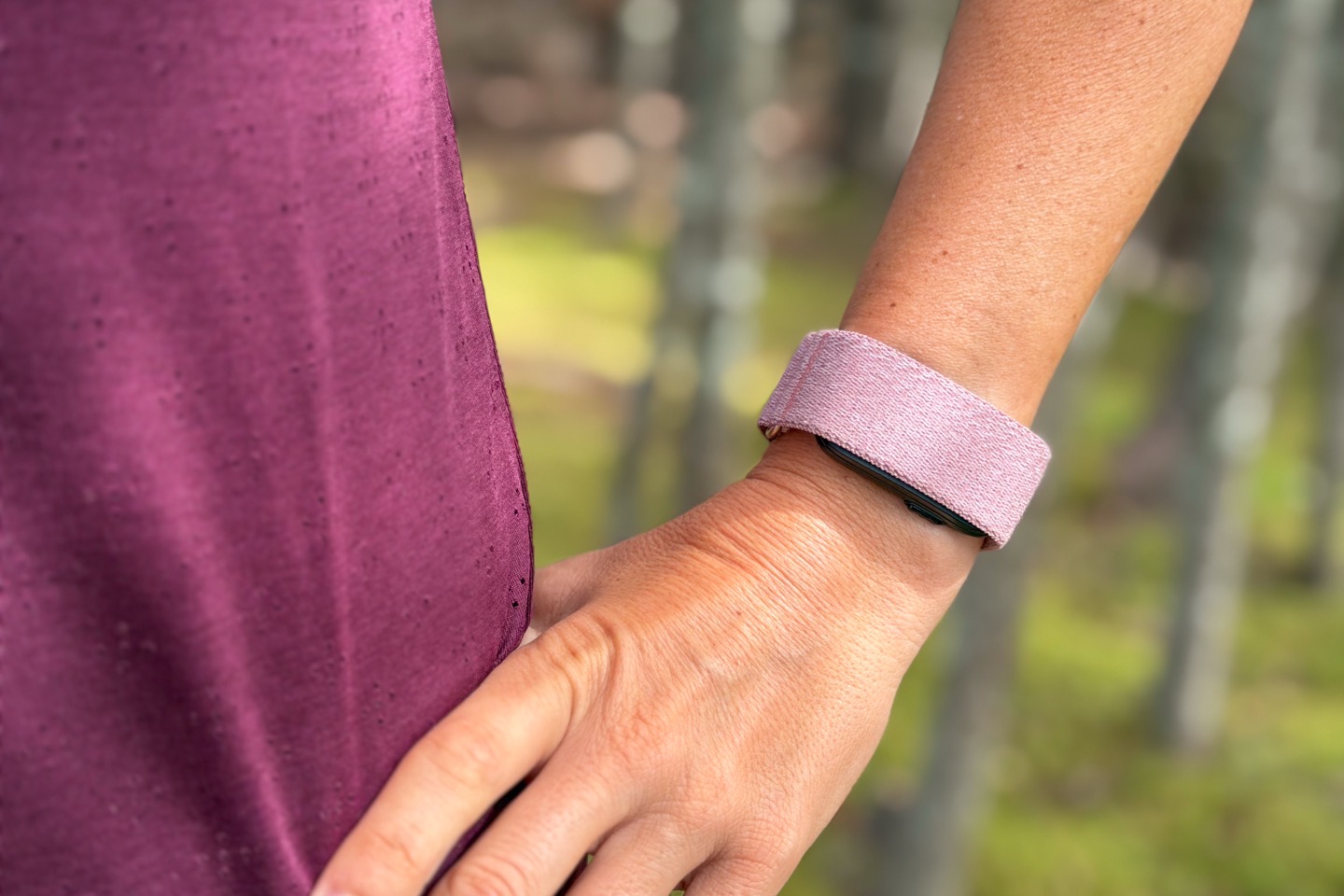
The optional bicep band, available in two sizes, addresses both comfort and athletic accuracy. Constructed from a highly elastic, textured fabric, the Garmin bicep band provides a secure fit that resists the twisting or "flipping" commonly reported with alternative armbands.
Testing indicates that wearing the Cirqa on the bicep during high-intensity workouts or cold-weather training yields heart rate accuracy comparable to traditional chest straps, bypassing wrist-based optical artifacts caused by cold peripheral blood flow or vibration. Conversely, wrist placement remains preferable for sleep tracking, as bicep placement can misinterpret late-night arm movements—such as reading or phone usage—as sleep disruptions.
Battery Life Realities
Garmin officially claims up to 10 days of battery life for the Cirqa. However, real-world testing reveals significant variance depending on configuration settings, workout frequency, and sensor activation. Daily battery drain typically fluctuates between 15% and 30% per 24-hour cycle, translating to a practical lifespan of 5 to 7 days under normal usage with nightly PulseOx enabled. While efficient compared to traditional smartwatches, this performance falls short of the manufacturer’s maximum claims and trails industry benchmarks set by competitors utilizing lower-power hardware architectures.
Software Stability and Launch Environment
Software stability has proven to be a notable challenge for the Cirqa launch. Users have reported intermittent bugs, including dashboard synchronization delays during low-connectivity states, occasional fragmentation of automatically detected workouts, timezone adjustment errors within the JetLag Advisor, and transient battery drain anomalies. While Garmin’s engineering team has issued rapid firmware and app updates to address many of these teething issues, the frequency of initial software patches underscores the complexity of introducing a new hardware platform into an established ecosystem.
Garmin Connect+ Subscription Overview
The optional Garmin Connect+ subscription is not required to operate the Cirqa, as core health, sleep, and training metrics remain free. For subscribers, Connect+ introduces additional app-based features such as advanced Garmin Coach strength workouts, structured training plans for specialized disciplines, nutrition tracking, enhanced LiveTrack capabilities with automated text notifications, and 3D workout mapping. While some core training metrics are locked behind the subscription tier, the core device functionality remains fully intact for standard users.
Market Implications and Conclusions
The Garmin Cirqa successfully bridges the gap between Garmin’s robust physiological analytics and the discreet form factor of a screenless health tracker. By offering detailed training load metrics, recovery tracking, and robust ecosystem integration without requiring a mandatory monthly subscription, it presents a compelling alternative for athletes already invested in the Garmin platform.
Nevertheless, limitations in automatic workout detection, software stability at launch, and battery life that falls short of official specifications highlight areas requiring refinement. For users who prioritize deep training analytics, continuous physiological monitoring, and seamless integration with existing Garmin hardware, the Cirqa serves as a capable daily wellness companion—provided users are willing to navigate initial software iterations and occasional manual workout logging.