The unveiling marks a significant milestone in Apple’s hardware trajectory, signaling a shift toward deeper integration of under-display biometrics and high-performance computational photography. As the Cupertino-based giant continues to refine its flagship lineup, the iPhone 18 Pro series arrives with a focus on structural efficiency and the expansion of the Apple Intelligence ecosystem, now bolstered by the capabilities of the A20 Pro chipset.
Design Evolution and the Shrinking Dynamic Island
The most immediate visual departure from previous iterations is the refined Dynamic Island. By migrating the Face ID sensors beneath the display, Apple has successfully reduced the footprint of the interactive interface by approximately 20%, bringing it down to a compact 16.57 mm. This engineering achievement allows for a more immersive viewing experience on the Super Retina XDR OLED panels, which measure 6.3 inches for the Pro and 6.8 inches for the Pro Max. Both models retain the 120 Hz ProMotion technology, ensuring fluid transitions and responsiveness.
The transition to an under-display sensor array represents a multi-year effort in optical engineering. For the end user, this change translates to more screen real estate, which is particularly beneficial when utilizing the multitasking features of iOS 27. The updated software now supports up to three simultaneous Live Activities within the reduced island, effectively turning the top of the display into a more capable hub for real-time data monitoring, whether it be sports scores, flight tracking, or navigation prompts.
Under the Hood: The A20 Pro and Thermal Architecture
At the heart of the iPhone 18 Pro series is the A20 Pro chip, a silicon marvel manufactured on a refined sub-3nm process. Paired with 12 GB of RAM, this configuration is designed to handle the growing demands of on-device AI. The integration of Apple Intelligence requires significant memory bandwidth and processing power, and the A20 Pro appears specifically optimized for these neural tasks.
To manage the heat generated by such potent performance, Apple has introduced a redesigned vapor chamber cooling system. Internal benchmarks indicate a 40% improvement in thermal dissipation compared to the previous generation. This is a critical upgrade for power users, gamers, and videographers who push the device to its limits for extended periods. By keeping the thermal ceiling higher, the device can sustain peak clock speeds longer without throttling, a common issue in ultra-thin mobile hardware.

Advancing Computational Photography and Videography
The camera system on the iPhone 18 Pro series has undergone a comprehensive overhaul. Apple has moved to a uniform triple 48 MP array, ensuring that images remain consistent in color, detail, and noise profile regardless of the lens being used. The primary sensor is the standout performer, featuring a variable aperture that shifts between f/1.48 and f/4. This flexibility allows users to exert greater control over depth of field and light intake, mimicking the capabilities of professional mirrorless cameras.
Videographers will find the introduction of native Pro Controls particularly notable. Apple has effectively bypassed the need for third-party apps by allowing manual adjustments for shutter speed, ISO, and focus peaking directly within the native camera app. With the inclusion of Sensor-Shift stabilization across the board, the iPhone 18 Pro is positioning itself as a legitimate tool for cinematic production. The front-facing camera has also been upgraded to an 18 MP sensor with improved autofocus, ensuring that content creators maintain high fidelity in video calls and social media content.
Battery Longevity and Connectivity
Power management remains a cornerstone of the Pro experience. The iPhone 18 Pro features a 4,288 mAh battery, while the Pro Max reaches 5,567 mAh. While these figures are impressive, the efficiency gains are largely driven by the Apple C2 modem. This custom-designed silicon manages 5G and satellite connectivity with lower power consumption, ensuring that users can leverage high-speed data without sacrificing the longevity required for a full day of heavy usage. Charging speeds remain consistent at 25 W, balancing fast replenishment with long-term battery health.
The Rise of Apple Intelligence and iOS 27
The software layer, iOS 27, is inseparable from the hardware improvements. Apple Intelligence is now deeply embedded, utilizing personal context—with user permission—to automate routine tasks. The revamped Siri AI is more conversational and capable of parsing multi-step requests, while new tools like Image Playground and photo Clean Up leverage the Neural Engine in the A20 Pro to provide creative capabilities that were previously restricted to desktop workstations. This shift reflects a broader industry trend where hardware is no longer judged solely on clock speed, but on the ability to perform complex machine learning tasks locally, preserving user privacy.
Chronology of Innovation: The Path to iPhone 18
The development of the iPhone 18 Pro follows a clear progression in Apple’s design philosophy. Since the introduction of the Dynamic Island with the iPhone 14 Pro, the company has methodically worked toward reducing the physical cutout. The path from the initial implementation to the current under-display solution spans three product cycles, demonstrating Apple’s conservative approach to hardware adoption.
- 2024: Introduction of Apple Intelligence and the initial A18 Pro architecture.
- 2025: Refinement of thermal management and the integration of larger, more power-efficient batteries.
- 2026: The current launch of the iPhone 18 Pro, characterized by the successful integration of under-display Face ID and the maturation of the 48 MP triple-lens system.
Market Positioning and Pricing
The pricing strategy for the iPhone 18 Pro series remains competitive within the ultra-premium segment. Starting at $1,099 for the 256 GB Pro model and $1,199 for the 256 GB Pro Max, Apple is banking on the "prosumer" market’s willingness to pay for superior hardware. The inclusion of storage tiers up to 2 TB caters specifically to the professional photography and video market, which necessitates large local file storage.
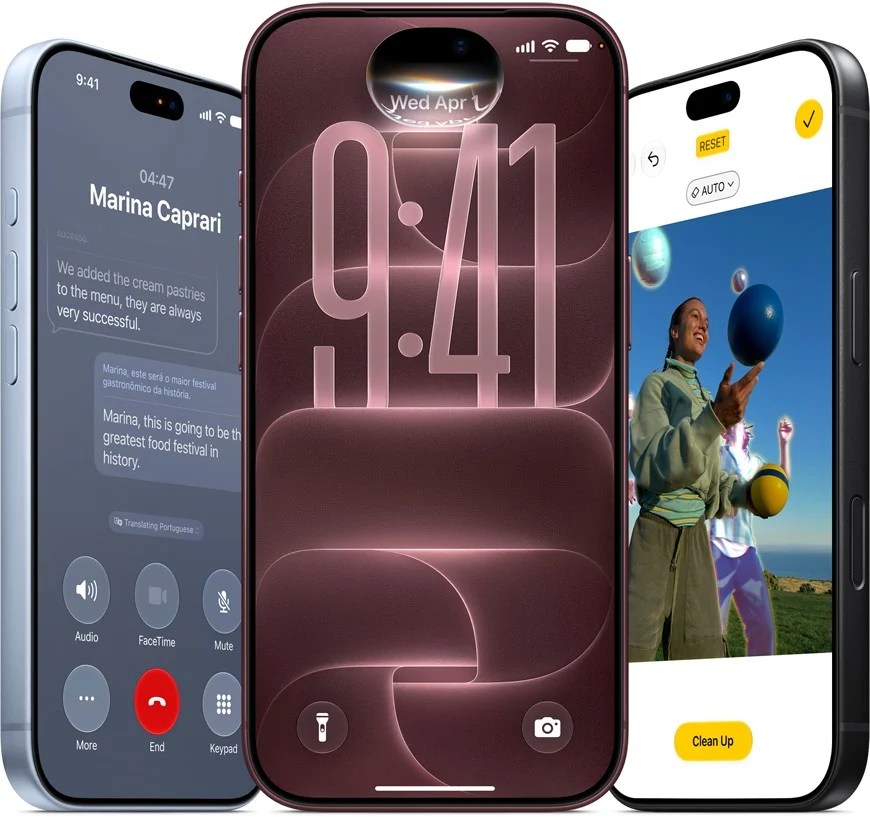
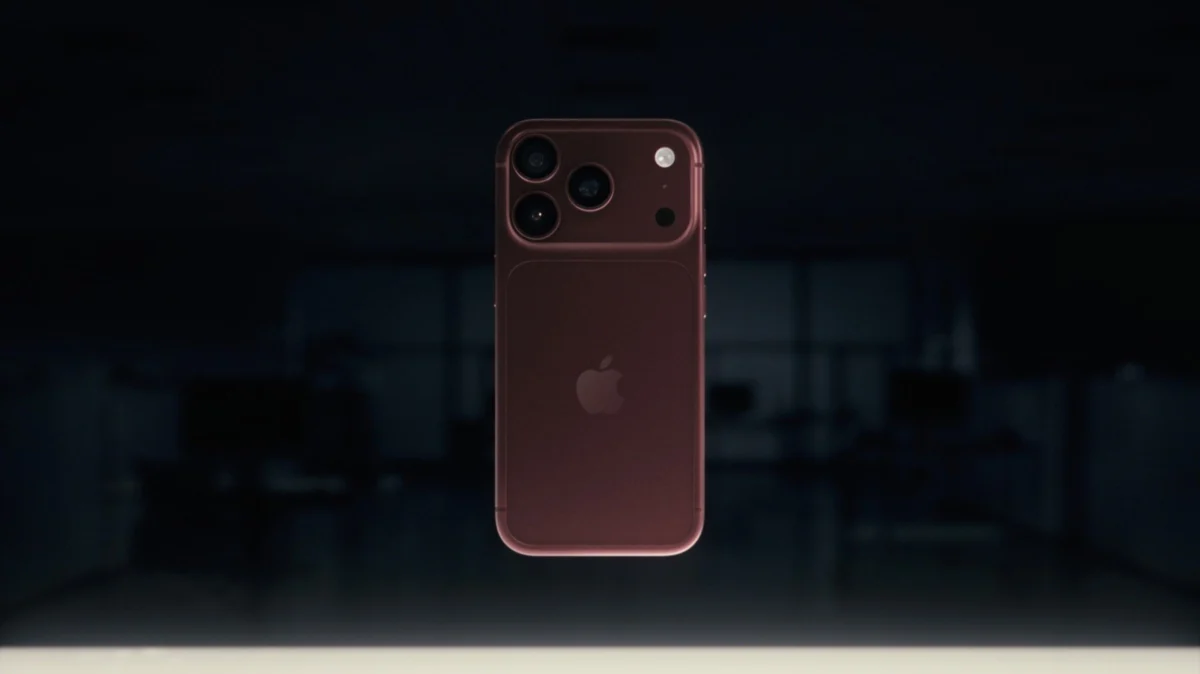
The range of colors—Glacial, Silver, Black, and the new Burgundy—suggests a pivot toward more refined, sophisticated aesthetics. The Burgundy finish, in particular, is expected to serve as the "hero color" for this year’s marketing campaign, aiming to distinguish the 18-series from the more utilitarian color palettes of previous years.
Broader Implications for the Smartphone Industry
The arrival of the iPhone 18 Pro series forces a recalibration of what constitutes a "pro" smartphone. By standardizing 12 GB of RAM across the lineup and focusing on thermal management, Apple is acknowledging that the mobile device is no longer just a communication tool, but a primary workstation. The focus on privacy-centric, on-device AI—as opposed to cloud-reliant models—further solidifies Apple’s unique value proposition in an increasingly crowded market.
Industry analysts suggest that the shift to under-display biometrics will likely become the standard for the entire smartphone sector within the next 24 months. By perfecting this technology, Apple maintains its status as a gatekeeper of consumer hardware trends. Furthermore, the reliance on the proprietary C2 modem indicates that Apple is continuing its vertical integration strategy, reducing dependence on third-party suppliers like Qualcomm and tightening control over the entire device ecosystem.
Conclusion
The iPhone 18 Pro and Pro Max are iterative refinements that emphasize stability, performance, and user-centric software. While the hardware updates—such as the vapor chamber and the variable aperture camera—are incremental in nature, they represent a high-water mark for mobile engineering. For the average consumer, the device offers a seamless upgrade path; for the professional user, it provides a toolset that is increasingly difficult to replicate with standalone equipment. As Apple continues to lean into the intersection of silicon, software, and services, the iPhone 18 Pro series serves as a clear demonstration of the company’s roadmap for the coming decade.