The world of photography often gravitates towards the latest camera bodies and lenses, but seasoned professionals know that sometimes, the most impactful tools are the simplest. Among these, the Neutral Density (ND) filter stands out as a remarkably versatile yet frequently overlooked accessory, particularly within the realm of portraiture. While commonly associated with landscape photography for its ability to control light without altering color, the ND filter offers portrait photographers an extraordinary degree of creative control, enabling them to overcome challenging lighting conditions and achieve artistic visions previously thought unattainable. This article delves into three distinct methodologies for employing ND filters in portrait sessions, alongside recommendations for quality equipment.
The Artistic Alchemy of Long Exposure Portraits with ND Filters
One of the most compelling applications of ND filters in portrait photography is the realization of long exposure techniques in bright daylight. Traditionally, achieving motion blur, a hallmark of long exposure photography, necessitates a slow shutter speed. However, under the harsh glare of midday sun, this often requires a drastically closed aperture (high f-stop), which in turn leads to a loss of desirable shallow depth of field and can force an increase in ISO, potentially introducing noise.
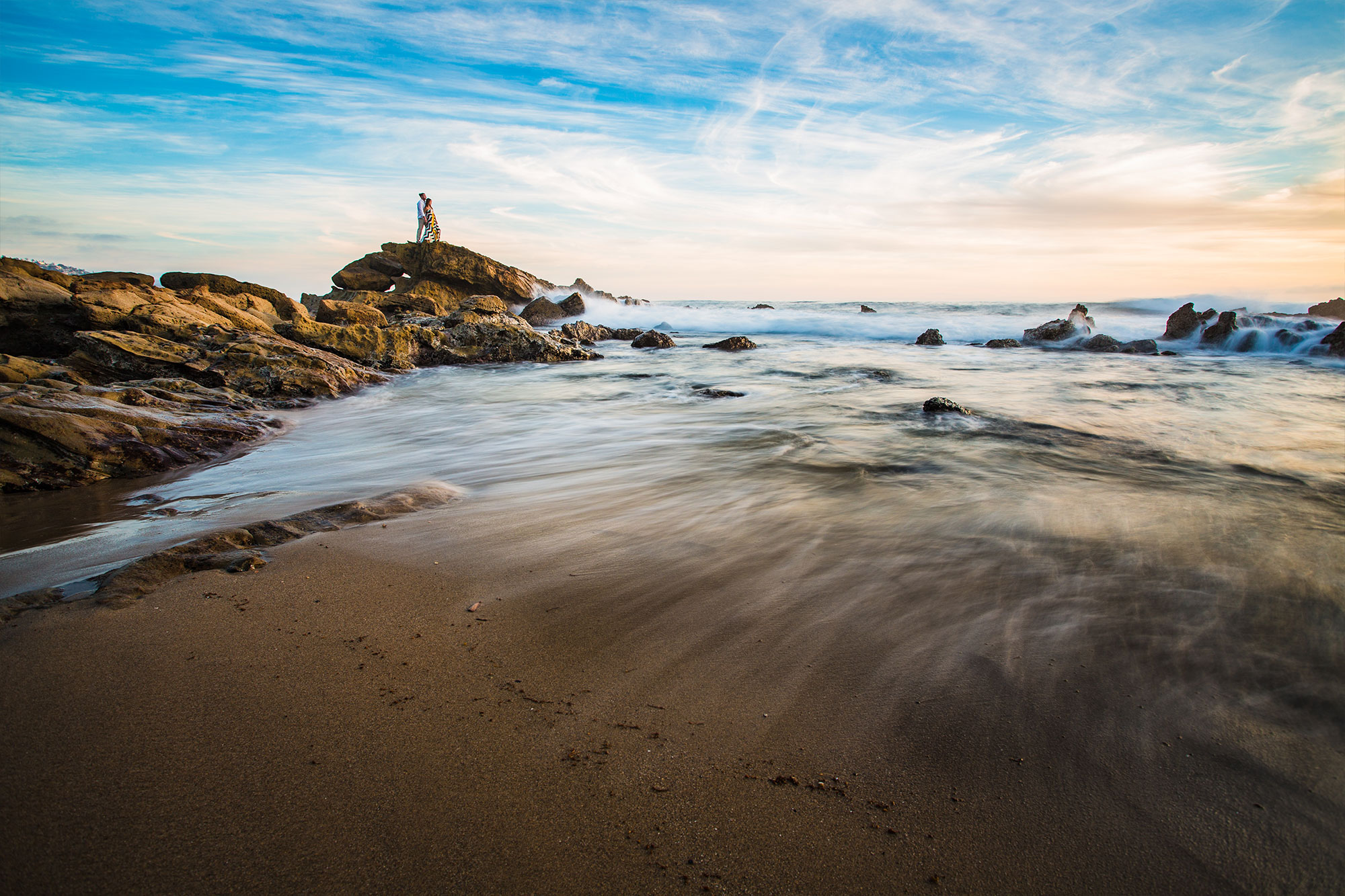
An ND filter acts as a dark veil for the lens, significantly reducing the amount of light that reaches the sensor. This reduction allows photographers to maintain wider apertures, such as f/1.4 or f/2.8, even in bright conditions, while simultaneously employing slower shutter speeds. For instance, a photographer aiming to capture the ethereal movement of water in the background of a portrait might typically struggle to achieve a shutter speed of one second without overexposing the image. By introducing a 5-stop ND filter, the camera can be set to a more manageable ISO of 50, with the aperture set to achieve the desired depth of field, and the shutter speed can be slowed to a full second. This allows for the dramatic blurring of water or other moving elements, creating a dreamlike quality that would otherwise be impossible. The extended exposure time also allows for greater ambient light to be captured, enhancing colors and bringing out subtle details in the shadows, which can be further refined in post-processing using tools like Adobe Lightroom Presets.
The implications of this technique extend beyond mere aesthetic appeal. The ability to control motion blur allows photographers to isolate their subjects against dynamic backgrounds, guiding the viewer’s eye and imbuing the portrait with a narrative. The contrast between a sharply rendered subject and a softly blurred environment can evoke a sense of movement, transience, or even tranquility, depending on the subject matter and the photographer’s intent. This opens up new avenues for conceptual portraiture, moving beyond static representations to dynamic storytelling.
Maximizing Dynamic Range: Capturing Nuance in Every Light
Another profound benefit of using ND filters in portrait photography lies in their capacity to maximize dynamic range, the measure of the difference between the brightest and darkest tones a camera can capture. The fundamental principle here is shooting at the camera’s lowest native ISO. This setting provides the cleanest image data, preserving the maximum amount of detail in both highlights and shadows. However, when shooting at base ISO in bright conditions, the ambient light itself often becomes the primary light source. If this ambient light is too intense to achieve the desired aperture for depth of field, an ND filter becomes indispensable.

Consider a scenario where a photographer wants to shoot a portrait with a shallow depth of field (e.g., f/16 for a specific stylistic effect, or to capture bokeh balls in the background) and maintain a low ISO to retain image quality. In bright sunlight, this would typically require an extremely fast shutter speed, potentially exceeding the camera’s sync speed for flash. By attaching an ND filter, the photographer can effectively "slow down" the ambient light, allowing them to use slower shutter speeds and wider apertures without overexposure.
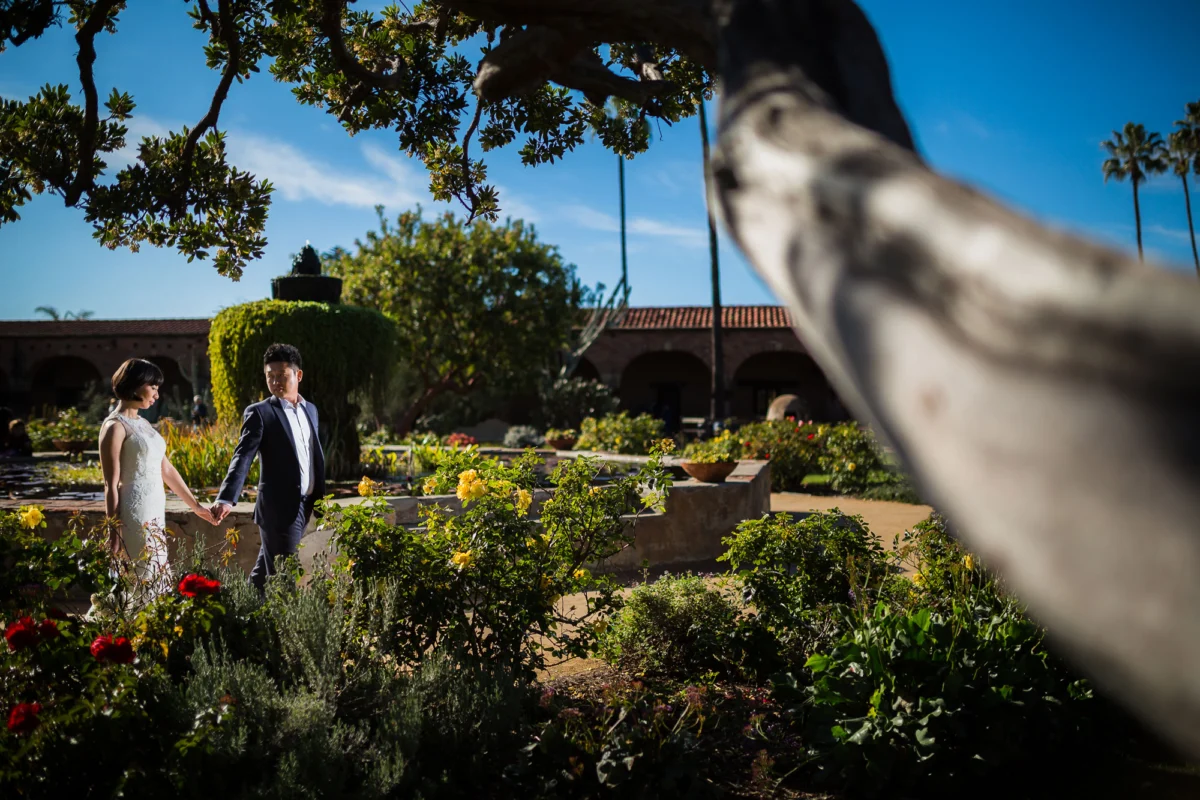
For example, a photographer might use a 4-stop ND filter to achieve a specific exposure that allows for movement in water while retaining the vibrant colors of a sky. This might involve setting the aperture to f/16 to achieve a greater range of focus or specific bokeh effects, and then using the ND filter to compensate for the reduced light. The ability to control this balance between ambient light and flash is crucial. In some instances, an intentionally underexposed ambient exposure can be used to create a more dramatic interplay with flash. By using an ND filter, a photographer can maintain a relatively wide aperture, like f/4, even in midday sun, and then use strobes to "chisel out" their subject. This avoids the need to stop down the lens to f/16 and then artificially boost the ISO, thereby maintaining superior image quality. The flashes, in such cases, can be composited in post-production, offering immense control over the final lighting.
The implications for portraiture are significant. Photographers can now capture subjects in environments that were previously too bright to manage effectively while maintaining creative control over depth of field and image quality. This allows for more natural-looking portraits that aren’t compromised by harsh lighting or the limitations of camera settings. The ability to precisely balance ambient and artificial light, facilitated by ND filters, leads to images with a greater sense of dimensionality and realism, even in the most challenging photographic conditions. This approach is particularly valuable for outdoor shoots where natural light is abundant but often unforgiving.

Mastering Flash Photography Without High-Speed Sync (HSS)
High-Speed Sync (HSS) is a valuable feature that allows flashes to synchronize with shutter speeds faster than the camera’s native sync speed, typically around 1/200th or 1/250th of a second. While convenient, HSS has its drawbacks, particularly concerning consistency and power output. Each shot fired in HSS mode can result in slight variations in light intensity, making it difficult to replicate precisely the same lighting effect across multiple frames. Furthermore, when attempting to overpower bright sunlight, HSS can lead to slow recycle times for the flash units, significantly impeding the shooting process.
This is where ND filters offer a superior alternative for photographers seeking to use flash in bright conditions while maintaining a shallow depth of field. By using an ND filter, photographers can reduce the ambient light to a level where their flash, operating at its normal sync speed (e.g., 1/200th of a second), can effectively overpower the sun. This approach ensures consistent flash output from shot to shot, as the flash is operating in its standard, more predictable mode.
A practical example of this technique involves shooting at a wide aperture like f/1.4, a popular choice for creating a pronounced bokeh effect and isolating the subject. Without an ND filter, achieving this in bright sun would necessitate either an impractically fast shutter speed (requiring HSS) or a severely reduced flash output, potentially struggling to balance with the ambient light. With a sufficiently strong ND filter (e.g., a 3-stop or 4-stop), the photographer can maintain the f/1.4 aperture and the 1/200th sync speed, while using their flashes to provide controlled illumination. This allows for a shallower depth of field and greater control over the lighting ratio between the flash and the ambient environment.
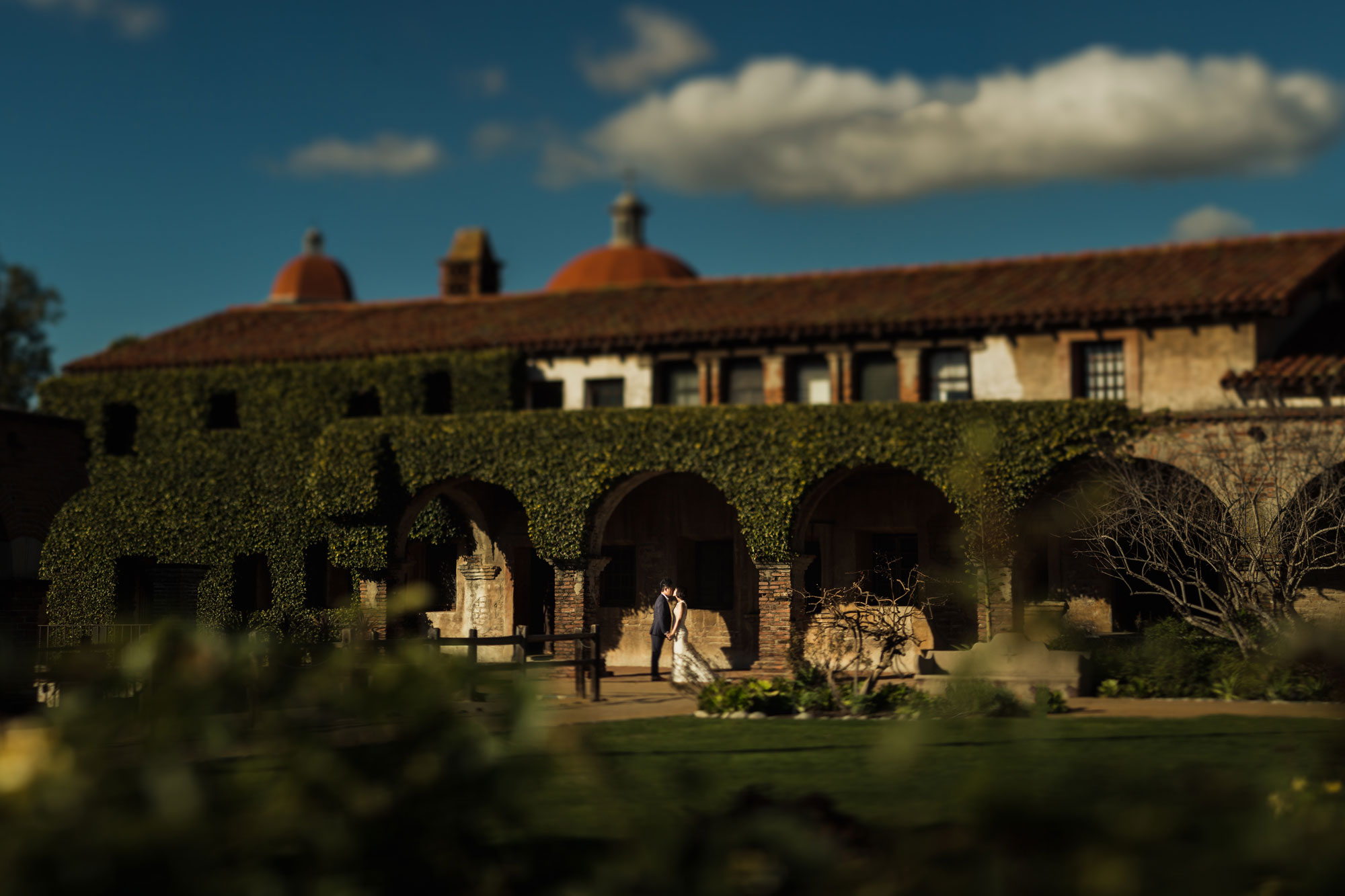
The benefits of this method are multifaceted. Firstly, it ensures consistency in flash output, which is critical for portrait sessions where multiple shots might be needed with identical lighting. Secondly, it allows for faster shooting as the flash units recycle more quickly. Thirdly, it enables the use of wider apertures, which are often desired for aesthetic reasons in portraiture, without the compromises associated with HSS. The ability to use powerful strobes at full power, or at least at predictable levels, ensures that the subject is well-lit and stands out from the background, even under the most challenging sunlight. This technique allows for creative control over the balance between ambient and flash exposure, enabling photographers to achieve a wide range of looks, from subtly lit to dramatically sculpted portraits.
Essential Gear for ND Filter Portraits: Quality Matters
The effectiveness of ND filters in portrait photography hinges on their quality. When a filter is placed in front of the lens, it becomes an integral part of the optical system. Cheaper filters often suffer from color casts or introduce undesirable aberrations that can degrade the overall image quality, negating the benefits of their use. Tint defects, in particular, can significantly impact color rendition, making post-processing more challenging. Therefore, investing in high-quality ND filters is paramount.
Reputable brands offer filters that are engineered to minimize color shifts and maintain optical clarity. Tiffen, for example, has a long-standing reputation for producing Oscar-award-winning ND filters that are renowned for their reliability and performance across various price points. These filters are designed to provide consistent results, even with demanding lighting scenarios. For photographers utilizing strobes, a reliable ND filter is not merely an accessory but a foundational element for achieving professional results.

The choice of ND filter strength will depend on the specific creative goals and the prevailing lighting conditions. Common strengths range from 2-stop (reducing light by a factor of 4) to 10-stop (reducing light by a factor of 1024) and beyond. For portraiture in bright sunlight, a 3-stop or 4-stop ND filter is often sufficient to allow for wider apertures or slower shutter speeds while maintaining manageable exposure. For more extreme long exposure effects, higher density filters may be necessary.
Beyond the filters themselves, photographers should also consider the filter mounting system. Screw-on filters are generally more affordable and easier to use, but a good quality filter ring is essential to prevent light leaks or accidental dislodging. For photographers using multiple lenses, a set of step-up or step-down rings can allow a single set of filters to be used across different lens diameters, offering a cost-effective solution.
Conclusion: Expanding the Portraitist’s Palette
The Neutral Density filter, though often relegated to the landscape photography domain, offers portrait photographers a powerful and often underutilized tool for creative expression. By enabling longer shutter speeds in daylight for motion blur, maximizing dynamic range for superior image quality, and facilitating the use of flash without HSS, ND filters empower photographers to overcome technical limitations and bring their artistic visions to life. The key lies in understanding their application and investing in quality equipment that will not compromise the integrity of the image. As photographers continue to push the boundaries of visual storytelling, the humble ND filter stands ready to unlock new realms of possibility in portraiture, transforming challenges into opportunities for unparalleled creativity.