
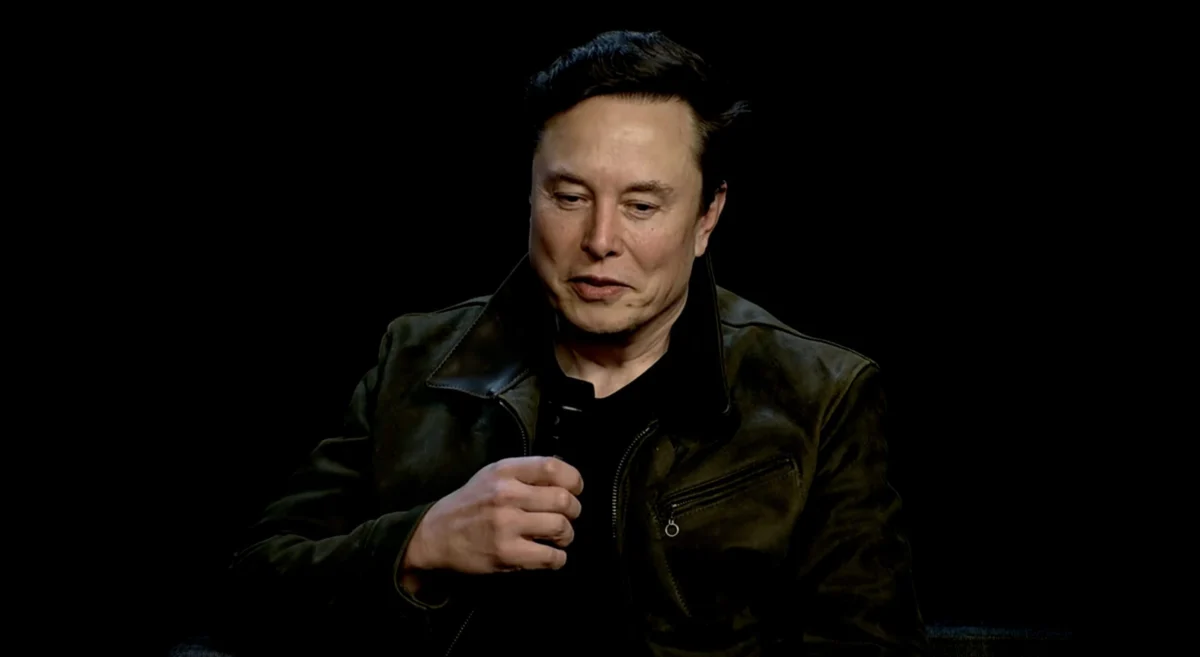
The escalating tension between Tesla CEO Elon Musk and French authorities over the approval of the company’s Full Self-Driving (FSD) Supervised system has reached a critical juncture, with Musk issuing a stark warning that delaying the technology’s rollout in France could lead to preventable deaths. The public exchange began after French Transport Minister Philippe Tabarot publicly rejected the current iteration of Tesla’s FSD, citing significant safety concerns.
Minister Tabarot’s Concerns and Tesla’s Data
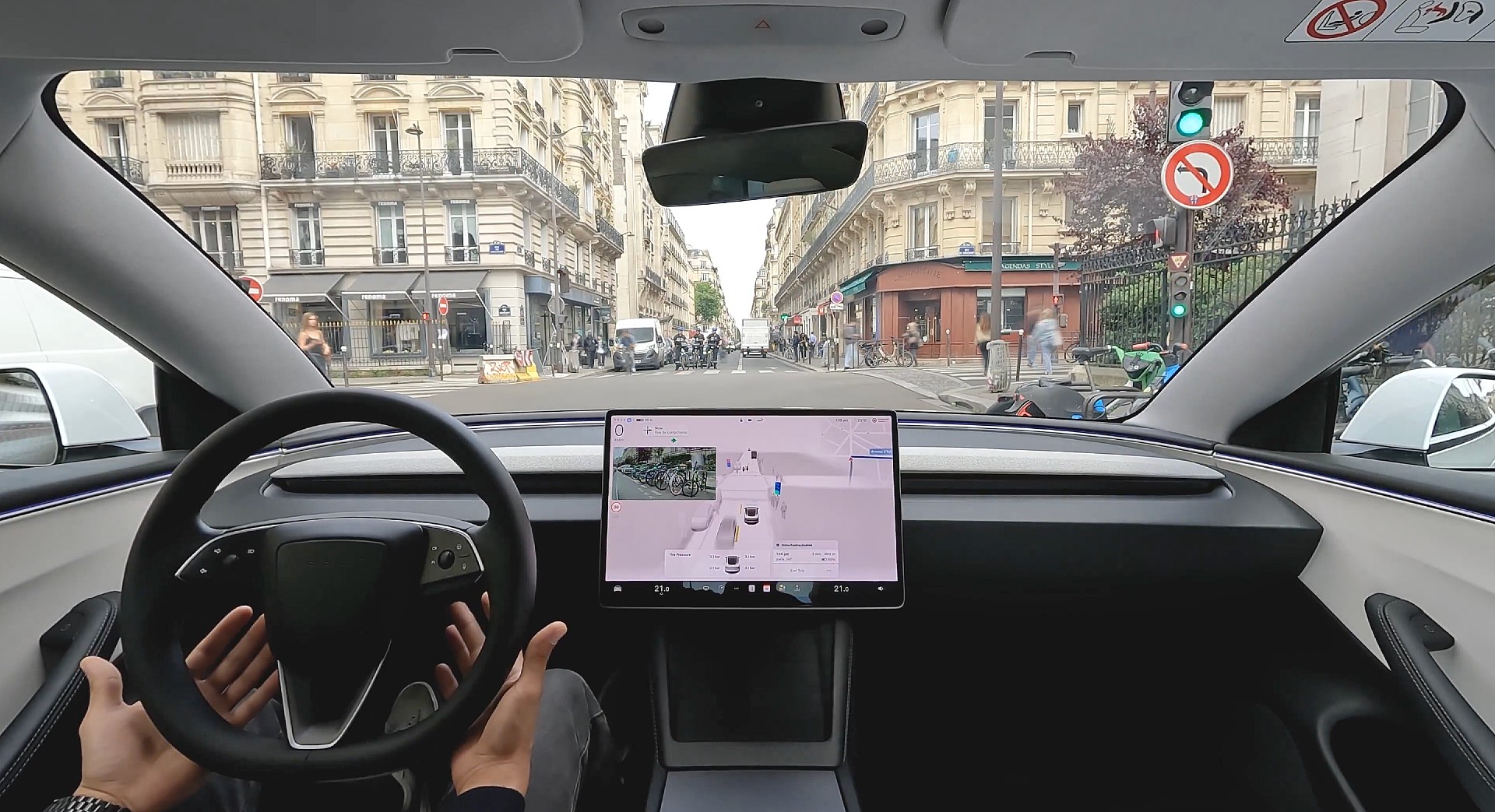
In a detailed video statement, Minister Tabarot articulated several specific reservations about FSD’s readiness for widespread deployment on French roads. "The safety trade-offs are not yet sufficient to authorize it as it currently stands," he declared. Tabarot emphasized that FSD, despite its advanced capabilities, is not a fully autonomous system and that ultimate responsibility remains with the human driver.
Key issues highlighted by the French minister included instances where FSD has been observed to permit speeding when surrounding traffic is exceeding speed limits. Furthermore, Tabarot expressed doubts about the system’s ability to guarantee sufficient driver attention during complex urban driving scenarios. These critical maneuvers include lane changes, navigating intersections, and the often-challenging task of traversing roundabouts. The minister’s stance reflects a broader European regulatory caution surrounding the rapid advancement of autonomous driving technologies, prioritizing a meticulous approach to public safety.
In stark contrast to the French minister’s assessment, Tesla’s internal safety data presents a compelling case for the accelerated adoption of FSD. The company’s latest safety reports indicate a significant reduction in major collisions for vehicles utilizing FSD (Supervised). Over the most recent 12-month period, these vehicles experienced approximately one major collision for every 5.1 million miles driven. This statistic is a dramatic improvement when compared to the U.S. national average, which stands at one crash per 698,000 miles.

Even Tesla vehicles driven manually, but equipped with active safety features, reportedly outperform the national average by a considerable margin. These figures are derived from billions of miles of real-world data collected through vehicle telemetry. The data consistently suggests that vehicles operating with FSD are involved in fewer incidents than both manually driven Teslas and the broader U.S. automotive fleet.
Musk’s Rebuttal and the "Human Cost" Argument
Elon Musk’s sharp retort to Minister Tabarot’s decision underscores a fundamental disagreement on the urgency and potential benefits of deploying advanced driver-assistance systems. In a post on X (formerly Twitter), Musk stated, "Delaying the approval of FSD in France will cost lives." This statement frames the regulatory debate not merely as a technical or legal issue, but as a matter of life and death, directly linking bureaucratic hurdles to preventable tragedies.

Musk’s argument hinges on the belief that demonstrably safer technology should not be subject to prolonged regulatory review, especially when road fatalities remain a significant global public health concern. He contends that the data unequivocally positions FSD as a potential life-saving tool, and that continued delays represent an unacceptable human cost.
While acknowledging the pace of technological advancement and France’s general support for autonomous innovation, Tabarot reiterated that the deployment of such systems must unequivocally prioritize road safety. He indicated that ongoing technical discussions with Tesla, as well as with partners in the Netherlands and other European nations, are continuing. Further ecosystem meetings are scheduled for the fall, suggesting a prolonged period of negotiation and evaluation before any potential approval.
Broader Context: European Regulatory Landscape and Global Trends

France’s measured approach is indicative of the broader European regulatory landscape, which has often been characterized by a more cautious stance on emerging technologies compared to some other global markets. This has been a recurring point of criticism from figures like Elon Musk, who advocate for faster adoption cycles.
However, the global push towards autonomous vehicles is accelerating. Companies like Waymo, a subsidiary of Alphabet Inc., have also been conducting extensive testing and deployment of their autonomous ride-hailing services in various cities. Independent studies and real-world operational data from these companies, alongside Tesla’s telemetry, are increasingly demonstrating the potential for superior safety metrics compared to human drivers. This growing body of evidence is creating mounting pressure for more harmonized and streamlined approval processes across different jurisdictions.
The debate over FSD approval in France is not an isolated incident. Similar discussions and regulatory evaluations are occurring across the globe as countries grapple with the implications of advanced autonomous driving technologies. The core challenge lies in balancing the promise of enhanced safety, efficiency, and convenience with the imperative to ensure that these systems are robust, reliable, and rigorously tested in a wide array of real-world conditions.
Timeline of Developments
- Recent Past: Tesla’s FSD system has undergone continuous development and iterative updates, with the company releasing monthly software versions that aim to improve its capabilities. Safety reports detailing accident rates per million miles have been published regularly.
- Early 2026: Tesla begins to see significant advancements in its FSD Beta program, with wider releases to customers in North America and eventually in select European markets, pending regulatory approval.
- Mid-2026: Reports emerge of Tesla seeking regulatory approval for FSD Supervised in several European countries, including France. Discussions and technical evaluations commence with national transport authorities.
- July 2026 (Specific Dates Unclear): French Transport Minister Philippe Tabarot publicly announces the rejection of FSD Supervised’s approval in its current form, citing safety concerns.
- July 22, 2026: Elon Musk responds on X, warning of the potential for increased fatalities due to the delay in FSD approval in France.
- Fall 2026: Further technical discussions and ecosystem meetings are planned between Tesla and European regulatory bodies.
Analysis of Implications
The clash between Musk and the French government highlights the significant hurdles that advanced autonomous driving technology faces in gaining widespread regulatory acceptance. While Tesla’s data points to substantial safety improvements, regulatory bodies like France’s are mandated to conduct thorough due diligence, often with a more conservative risk assessment.
Minister Tabarot’s emphasis on driver responsibility and specific concerns about FSD’s performance in complex urban environments reflect the intricate challenges of replicating human intuition and adaptability in artificial intelligence. The system’s ability to manage situations like unexpected pedestrian movements, complex intersection negotiations, and nuanced lane changes in dense traffic remains a critical area of scrutiny.
Musk’s assertion that delays "will cost lives" is a potent argument, particularly given the ongoing global efforts to reduce road fatalities. If Tesla’s safety data is indeed as robust as presented, then prolonged regulatory inertia could indeed have tangible human consequences. However, regulatory bodies must also weigh the potential risks associated with deploying unproven or insufficiently validated technology on public roads.
The outcome of these discussions in France and across Europe will have significant implications for the future of autonomous vehicle deployment globally. A favorable regulatory environment could accelerate innovation and adoption, while continued stringent regulations, while potentially ensuring higher safety standards, might slow down the widespread availability of these transformative technologies. The industry will be closely watching as Tesla and European authorities navigate this complex technological and regulatory frontier. The stakes are high, encompassing not only the future of automotive technology but, as Musk argues, the very safety of road users.


