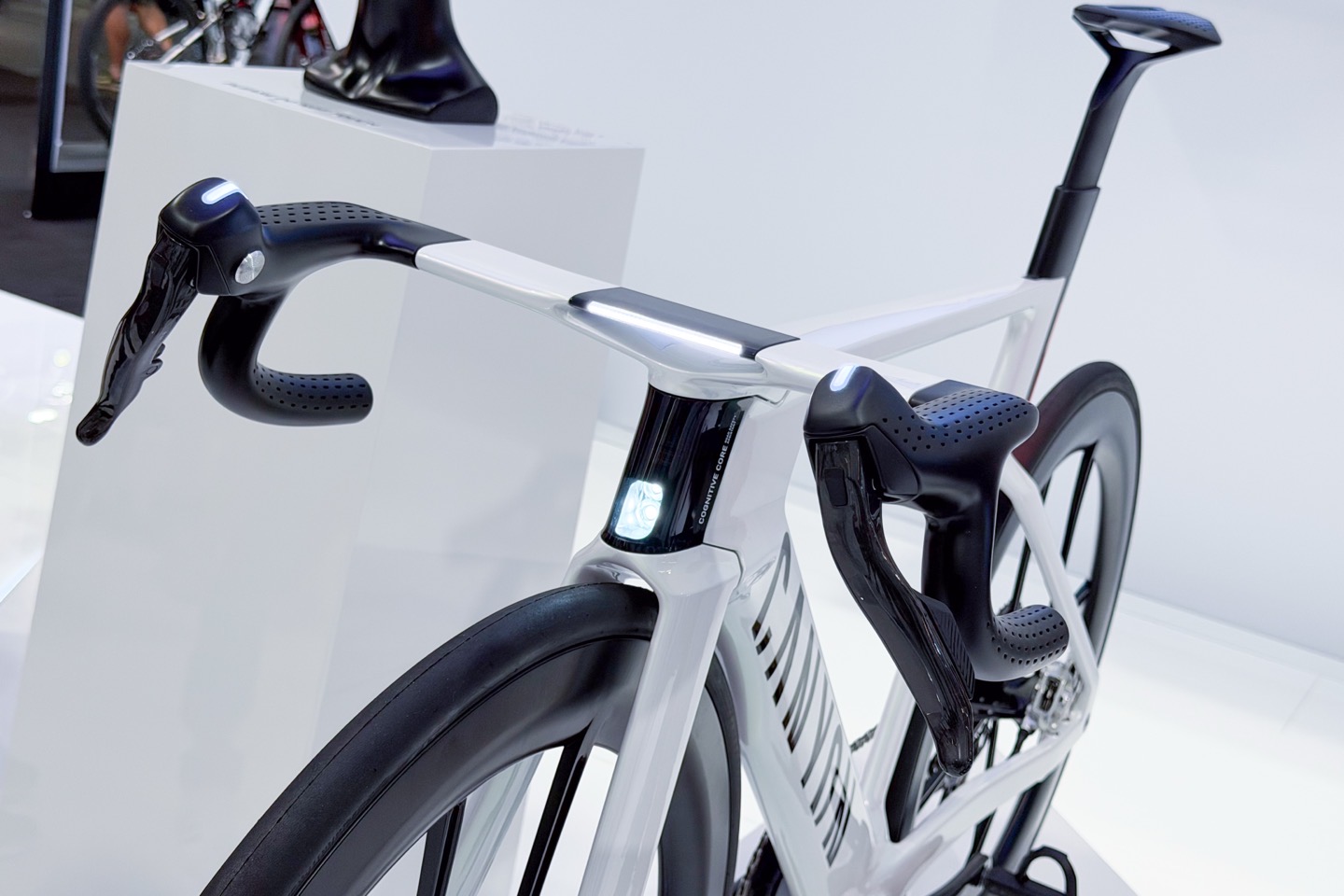
The cycling industry is witnessing a significant shift toward integrated digital safety, as evidenced by the unveiling of the Canyon Predict smart bike concept and the accompanying Stingr smart helmet at the Eurobike trade fair. This technological showcase represents a departure from traditional mechanical innovation, focusing instead on "active" safety measures powered by onboard artificial intelligence (AI) and a comprehensive suite of sensors. Unlike previous attempts at "smart" bicycles that prioritized basic connectivity or fitness tracking, the Canyon Predict aims to create a 360-degree safety envelope around the rider, processing environmental data in real-time to prevent collisions before they occur.

The Evolution of the Smart Bike: From Concept to Compute
The Canyon Predict is not the manufacturer’s first foray into high-tech integration. To understand the significance of this new concept, it is necessary to look back at the chronology of Canyon’s development cycles. In 2015, Canyon introduced the MRSC (Magneto-Rheological Suspension Control) smart bike concept, which promised an integrated bike computer and advanced suspension. Although that project never reached mass production, it established a precedent for the brand’s interest in digitizing the cycling experience.
Nearly a decade later, the Canyon Predict moves beyond simple telemetry. While the 2015 concept focused on comfort and performance, the Predict is built entirely around the concept of "predictive safety." This shift aligns with broader automotive trends, where Advanced Driver Assistance Systems (ADAS) have become standard. Canyon is essentially attempting to miniaturize and adapt this automotive-grade technology for the two-wheeled market.
Technical Specifications and the Sensor Suite
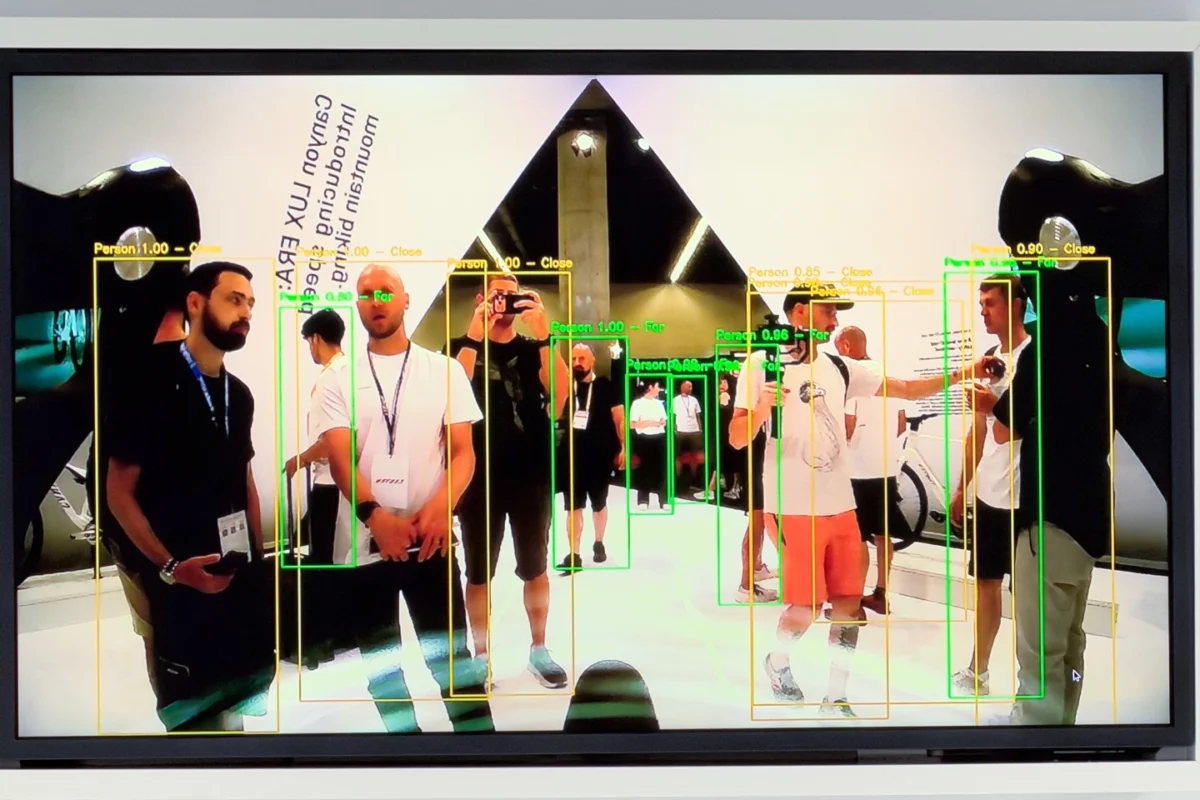
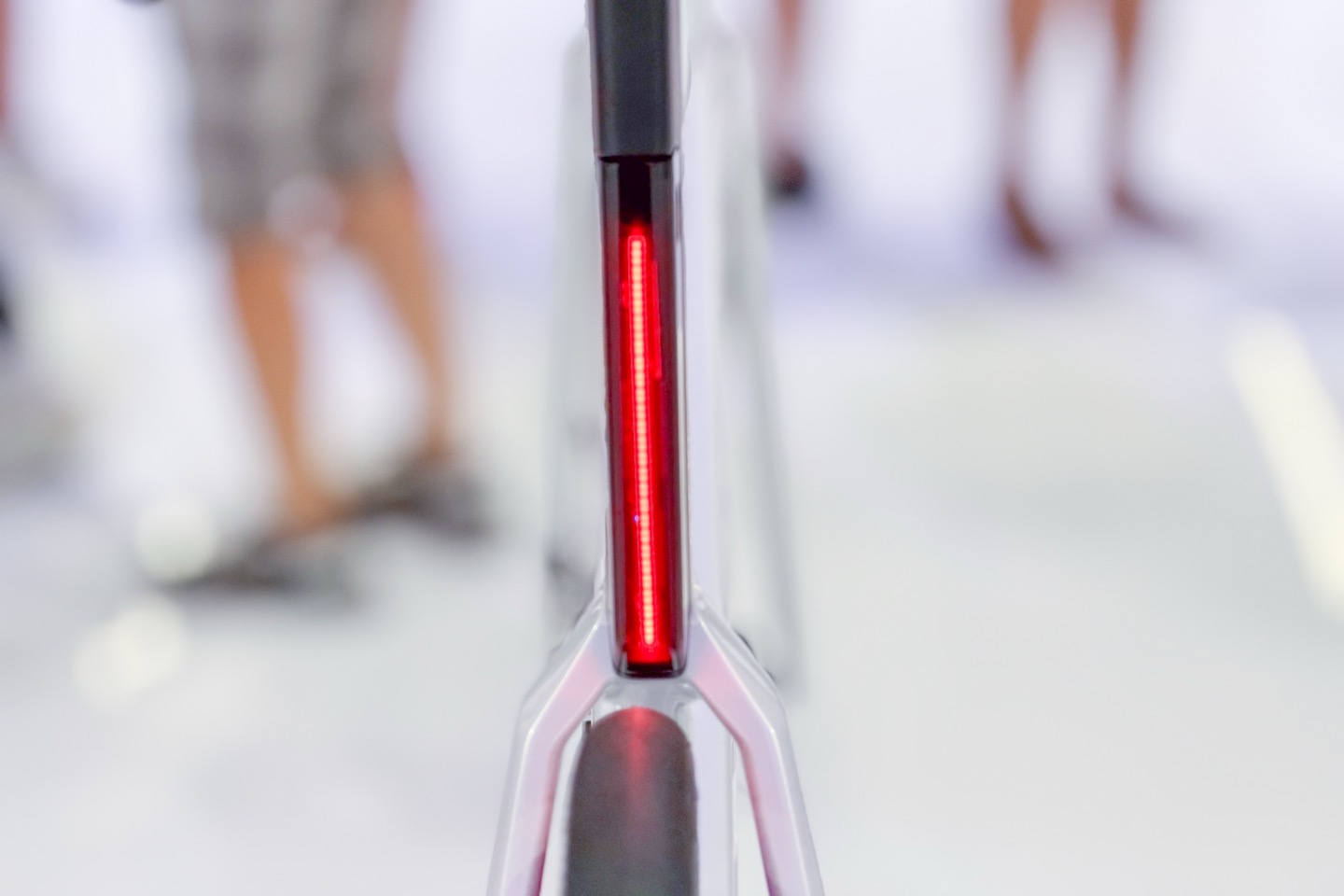
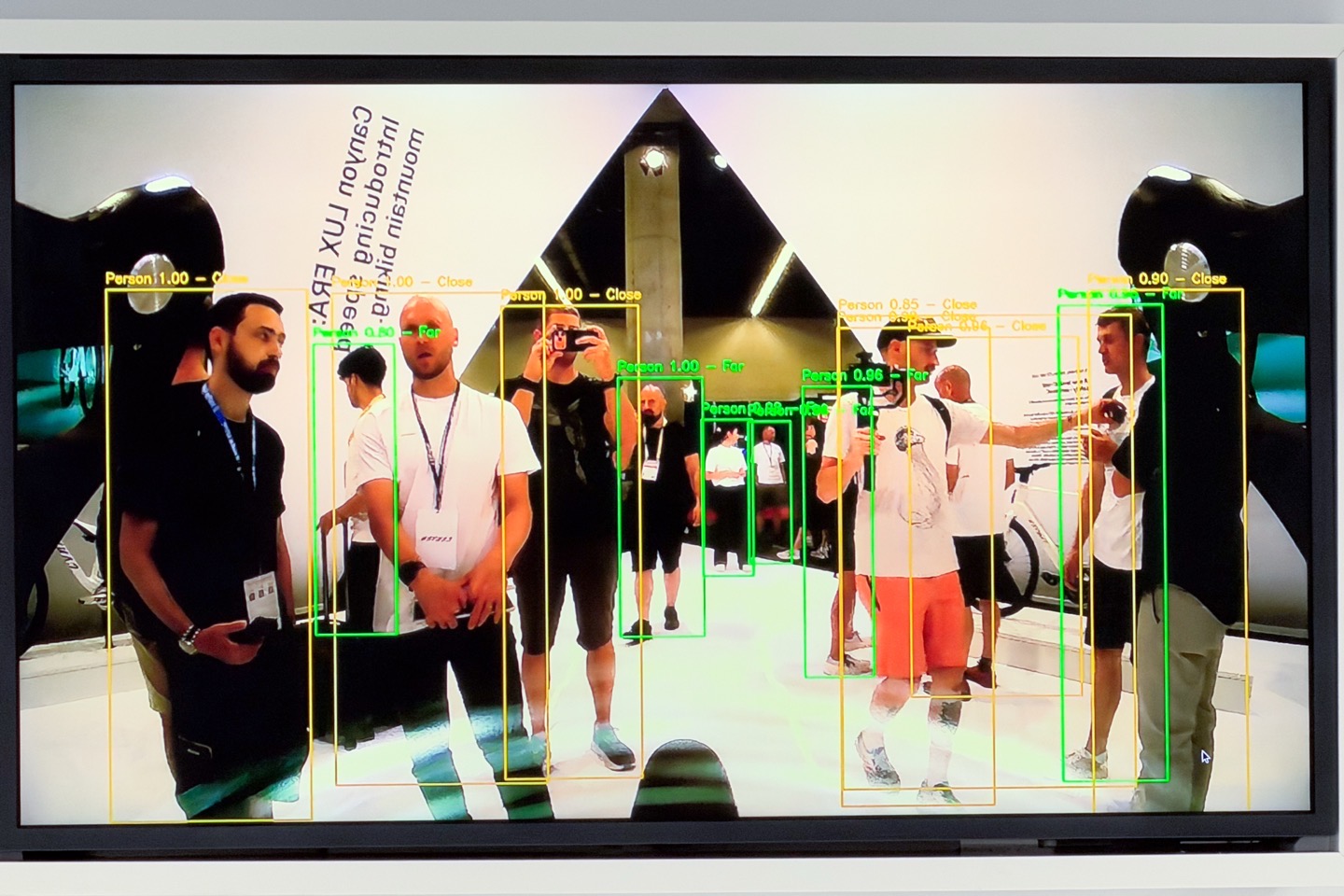
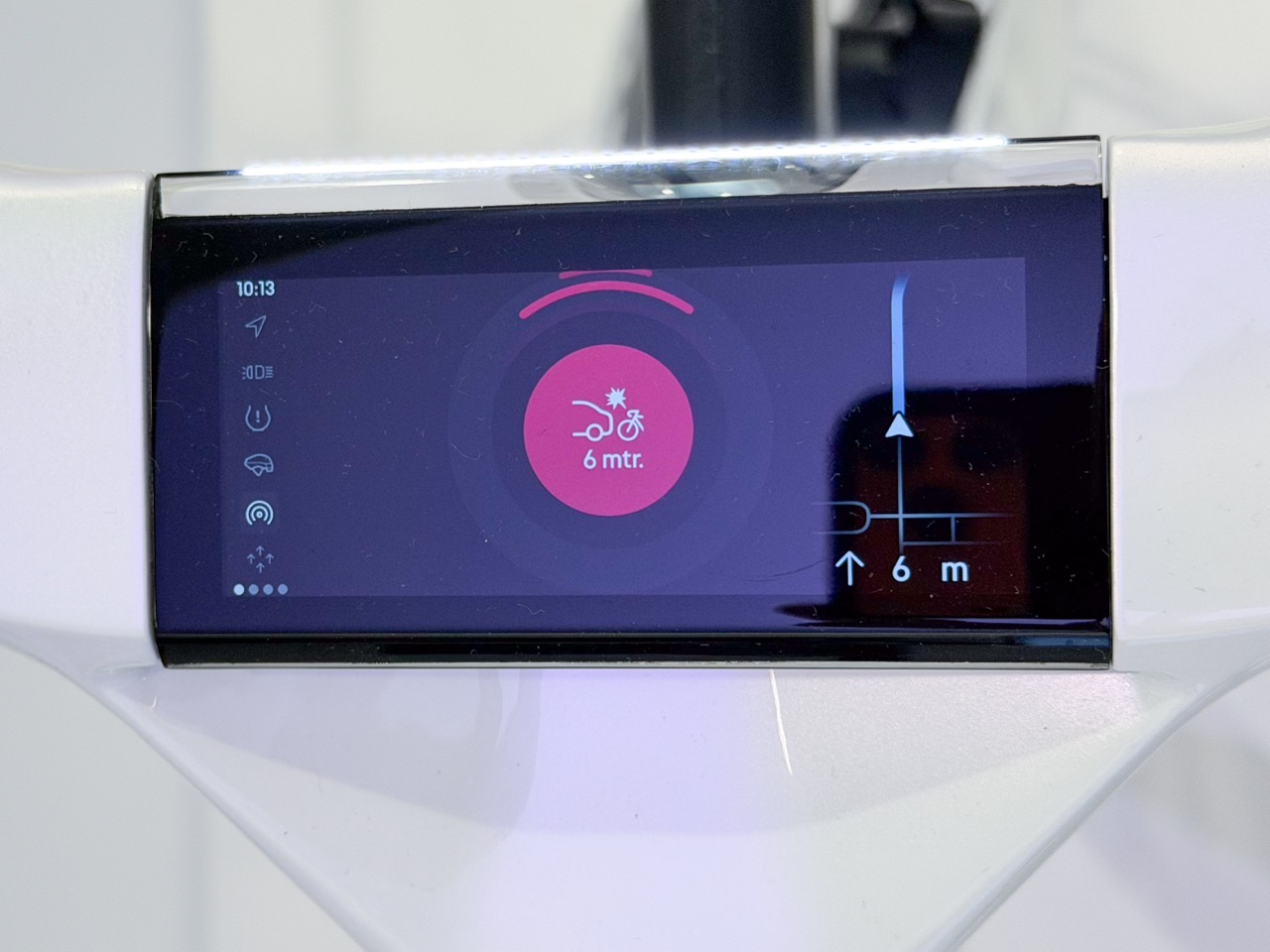
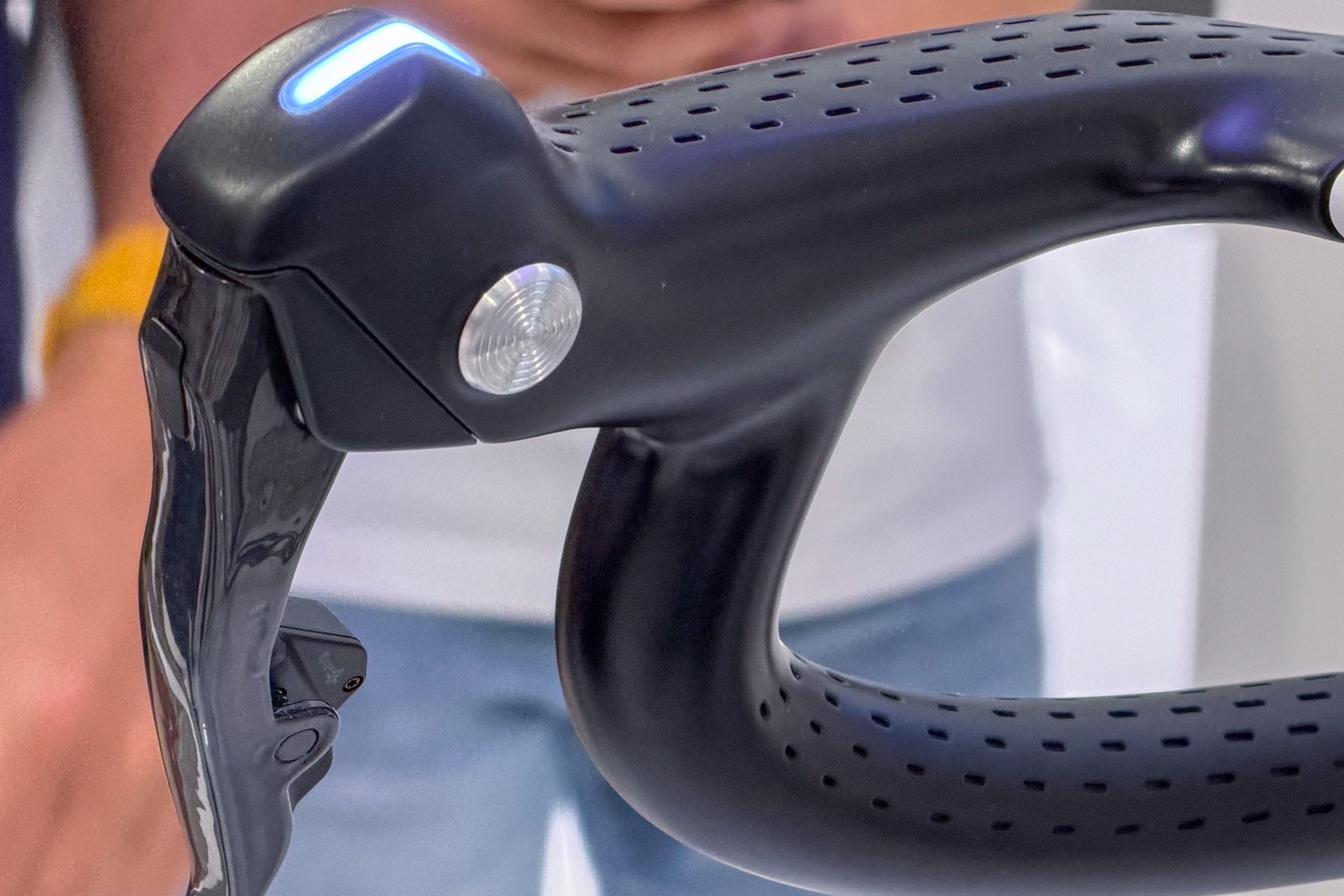
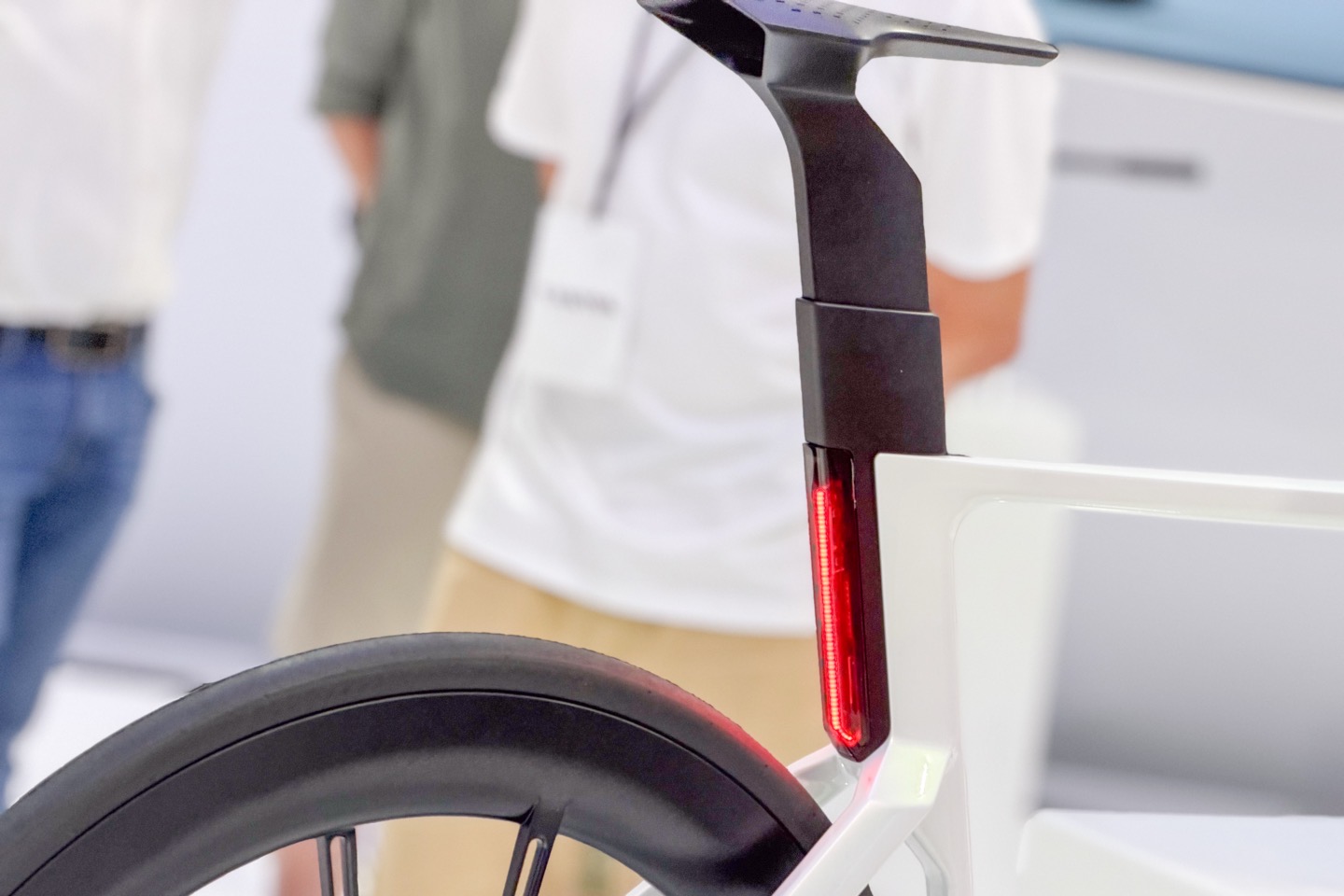
At the heart of the Canyon Predict is a sophisticated array of hardware designed to monitor the environment. The bike features a 360-degree camera system consisting of four individual units: three positioned at the front and one at the rear. This visual data is supplemented by four radar sensors. The front radar set is calibrated to detect stationary and moving objects in the rider’s path, such as opening car doors or potholes, while the rear radar mimics the functionality of existing devices like the Garmin Varia, alerting the rider to overtaking vehicles.
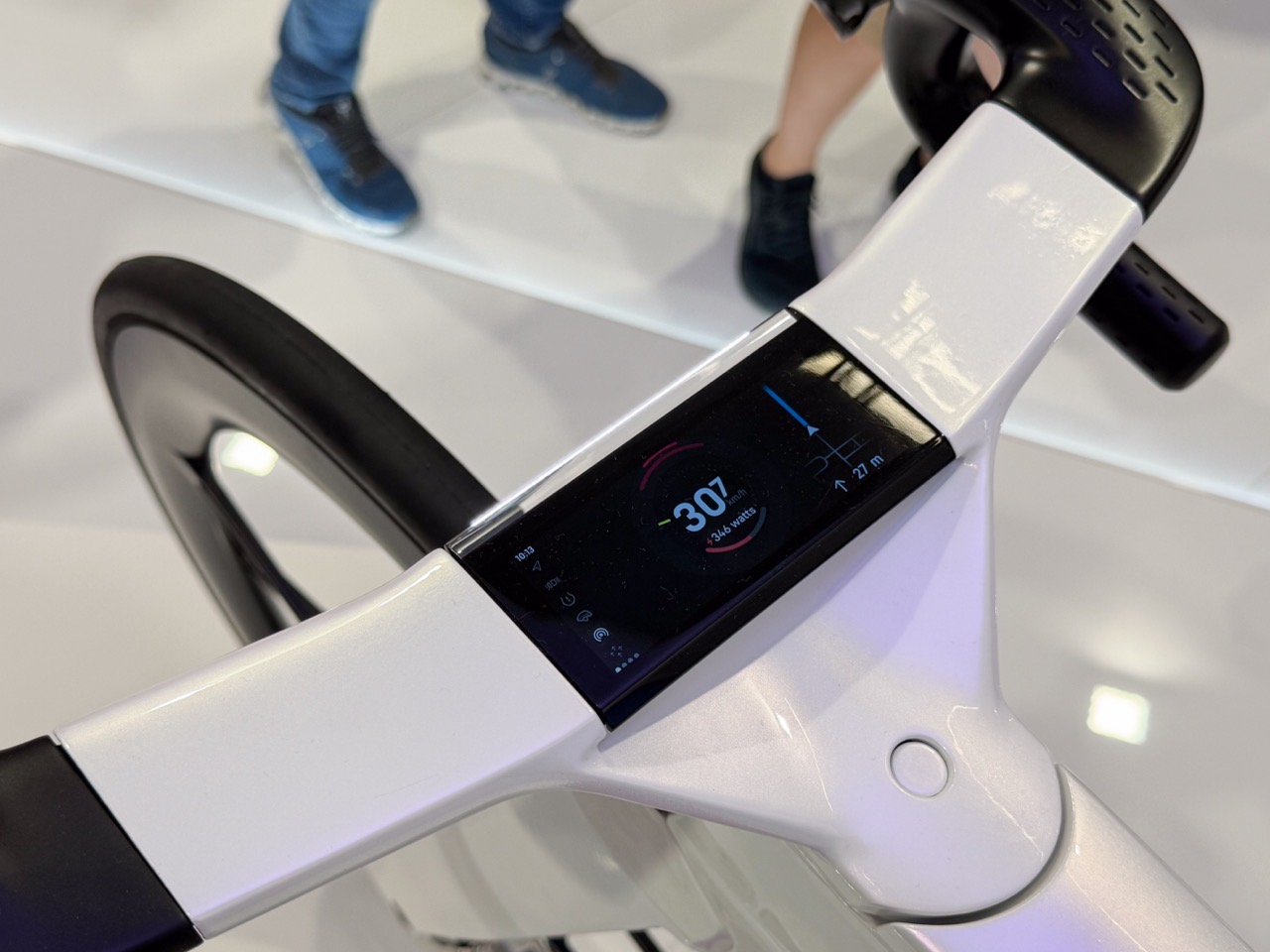
Crucially, the system utilizes "Edge AI" compute. This means all data processing occurs locally on the bike’s internal hardware rather than relying on a cloud connection. Engineers have prioritized local processing for two primary reasons:
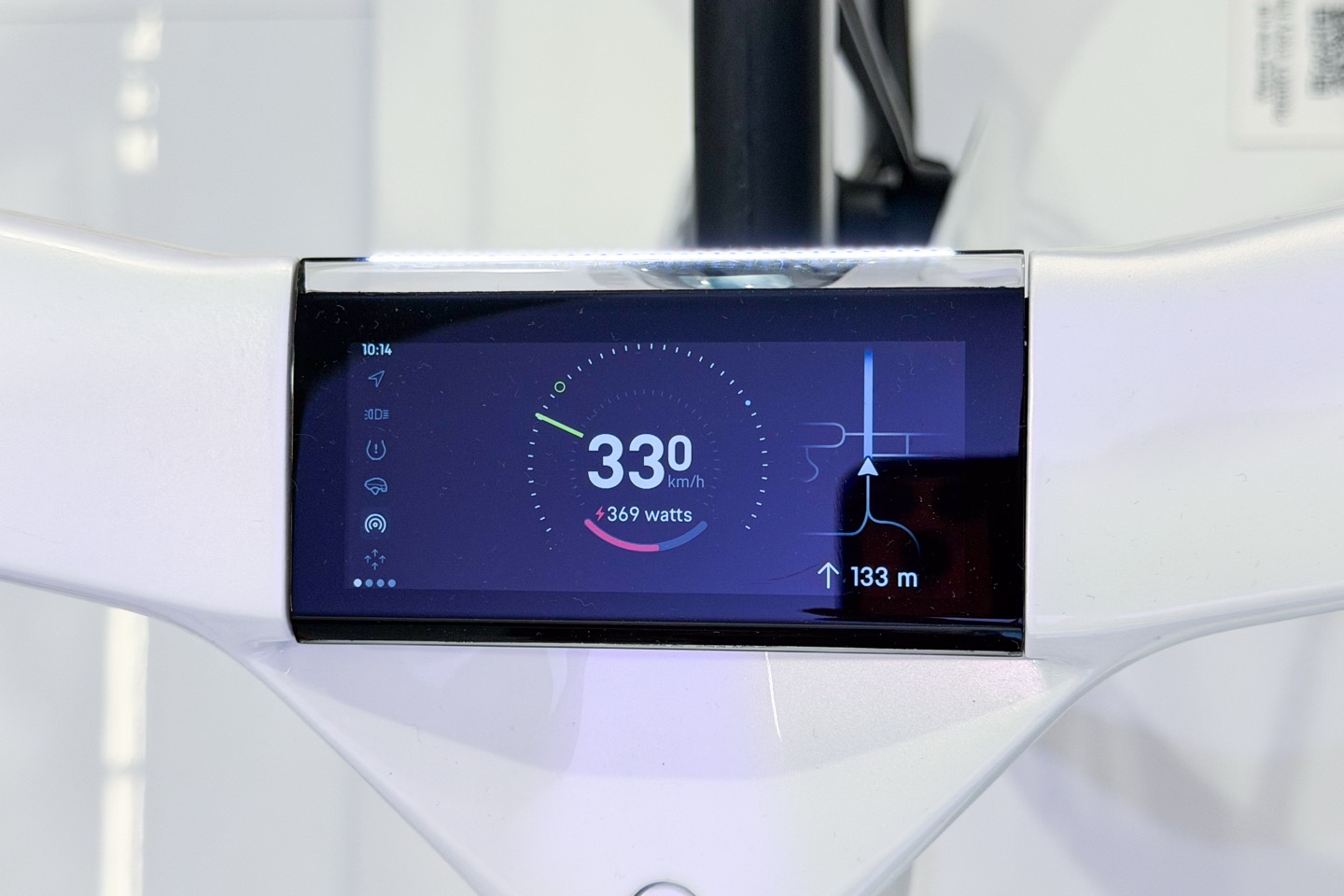
- Latency: The system operates with a response time of 50 milliseconds (1/20th of a second). Relying on cellular or Wi-Fi connectivity would introduce unacceptable delays in critical safety scenarios.
- Privacy: By processing imagery and sensor data locally, Canyon ensures that no visual records of the rider’s environment are transmitted to external servers, addressing growing consumer concerns regarding data sovereignty and surveillance.
Powering this intensive computational load is a substantial 1-kilogram (2.2 lbs) battery. It is important to note that the Canyon Predict is a traditional road bike, not an e-bike; the battery is dedicated solely to the lights, sensors, and AI processing unit. Current estimates suggest a battery life of approximately eight hours, though this is expected to improve as hardware efficiency increases during the development phase.
The Stingr Helmet: Augmenting the Rider’s Vision
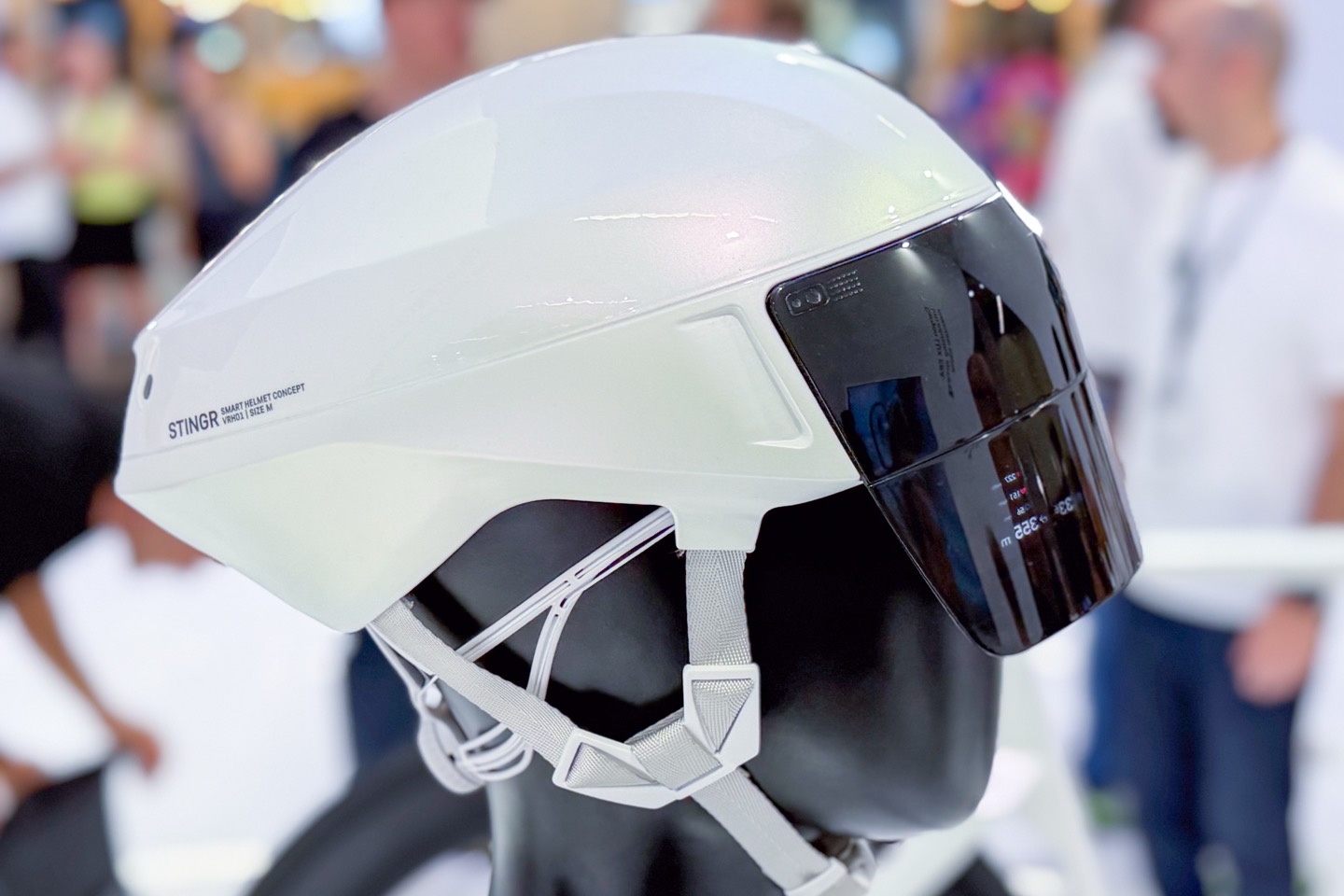
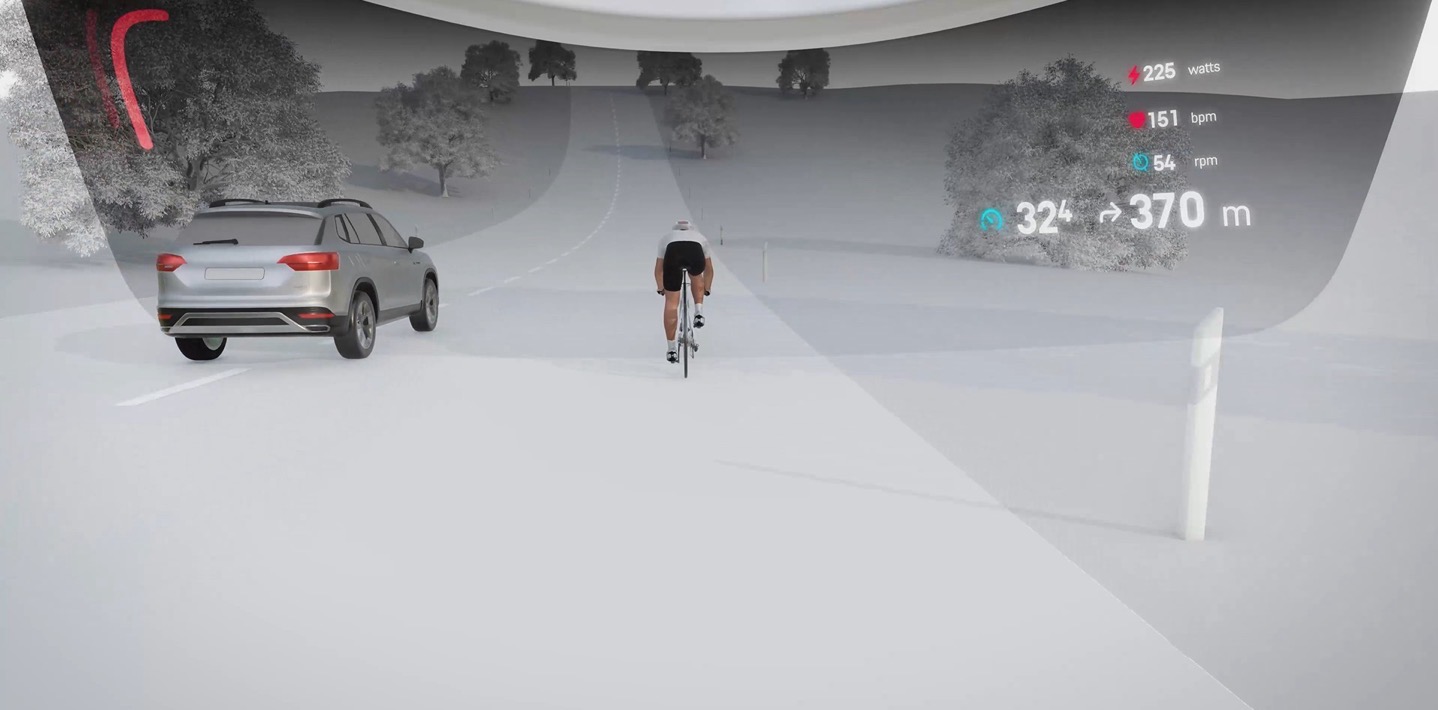
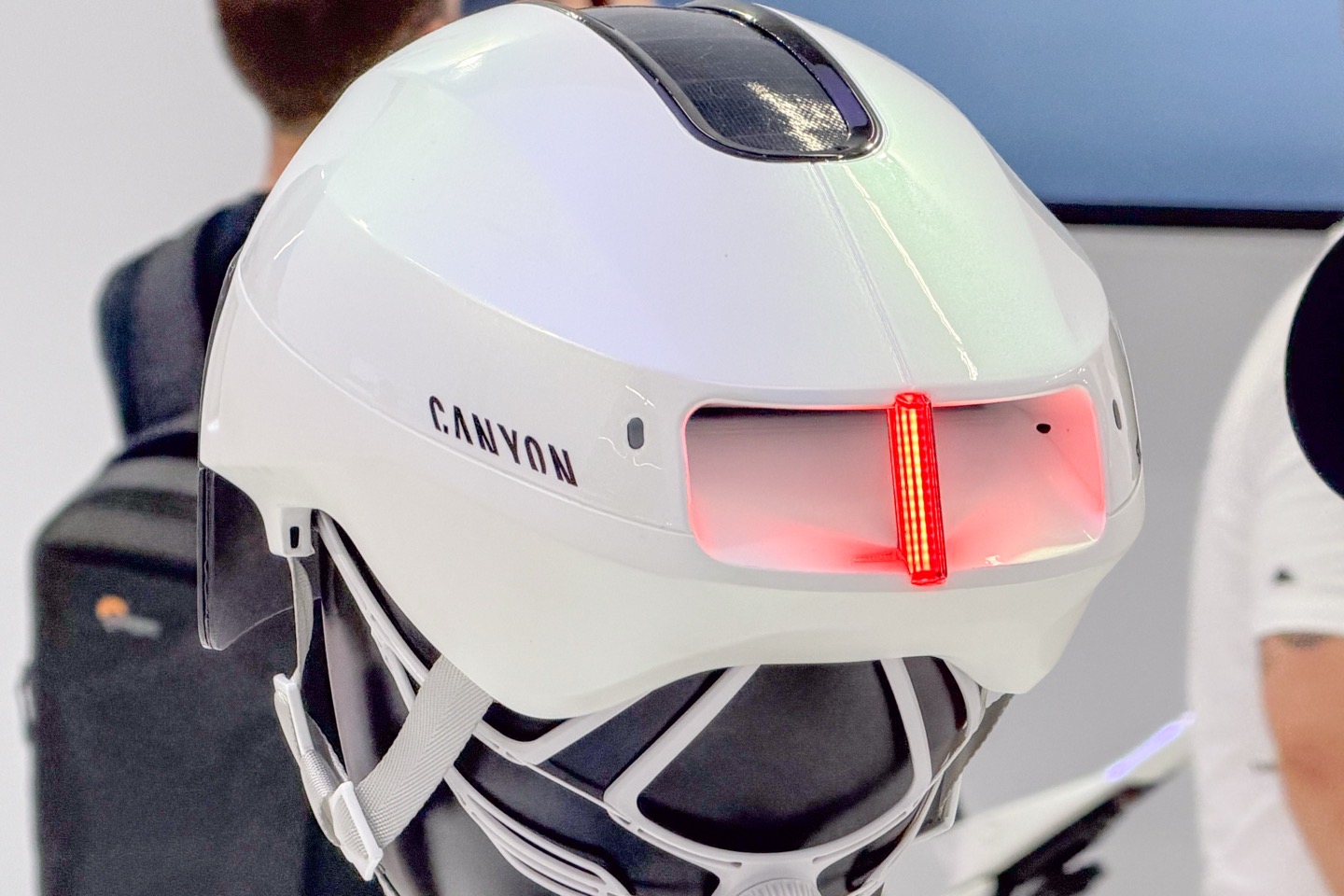
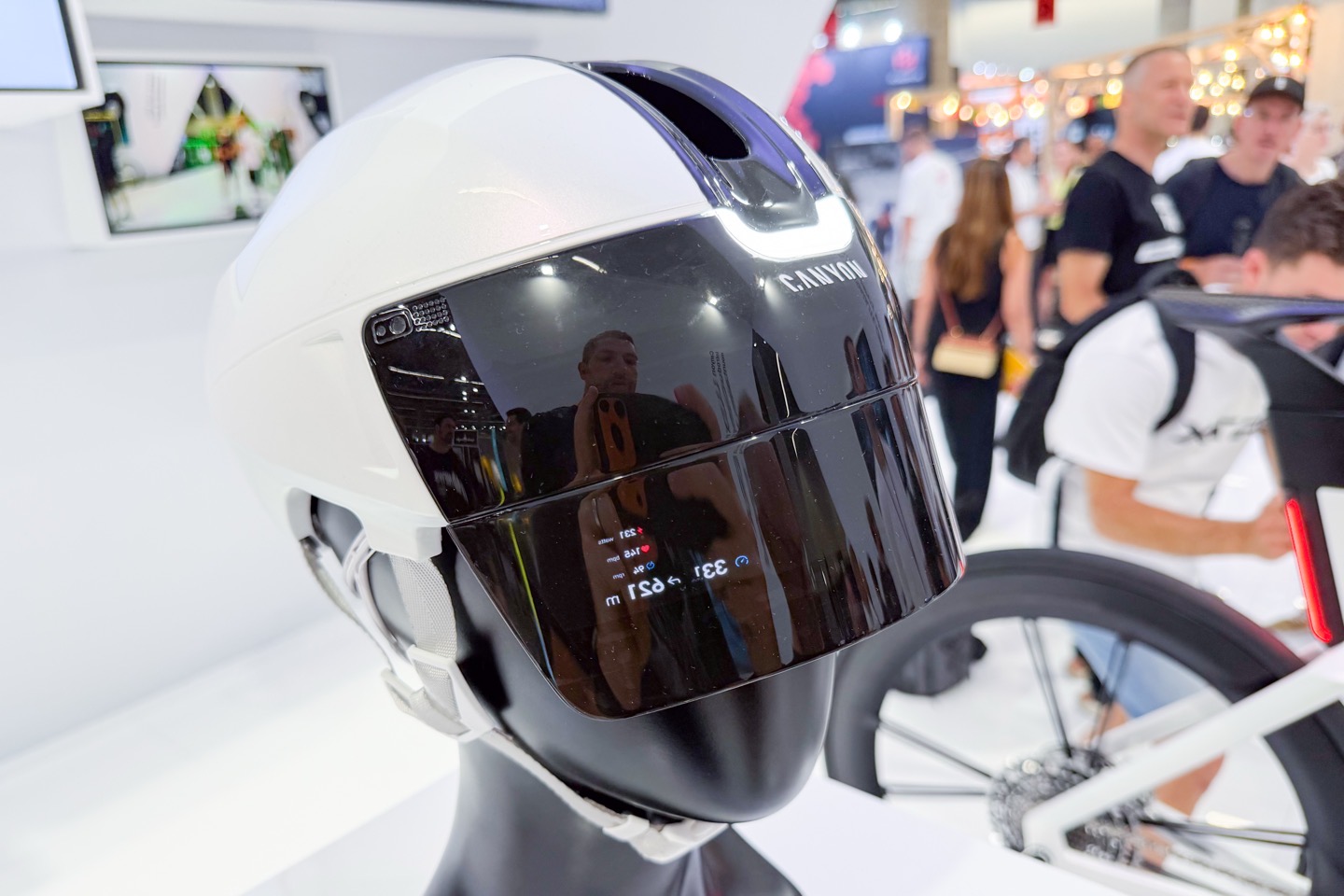
Parallel to the bicycle development, Canyon showcased the Stingr smart helmet, a concept designed to work either in tandem with the Predict bike or as a standalone safety device. The helmet’s primary feature is a heads-up display (HUD) projected onto the visor. This display provides real-time metrics such as speed, power, and heart rate, but its most vital function is the projection of safety alerts directly into the rider’s field of vision.
The helmet incorporates audio alerts and haptic (vibration) feedback to ensure that warnings are perceived even in noisy urban environments. To address the power requirements of a HUD and integrated sensors, the top of the helmet is fitted with a solar panel array, intended to extend battery life to a range of 8 to 15 hours.
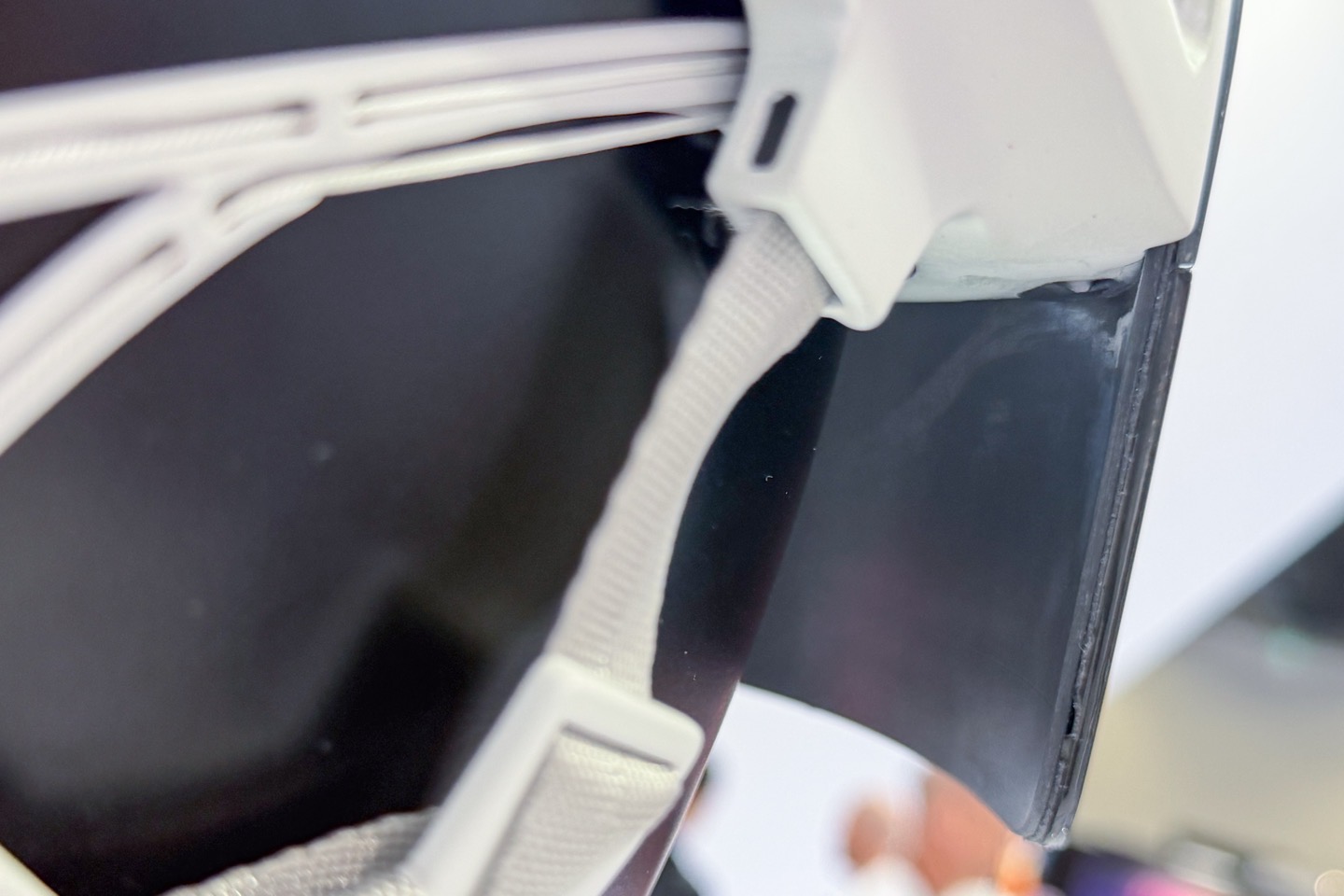
However, industry analysts note that the Stingr helmet faces significant hurdles. History is littered with failed smart helmet and smart glass projects, including Recon Jet and Google Glass, which struggled with weight, heat dissipation, and display clarity in varying light conditions. Canyon’s current prototype utilizes a foam backing for demonstration purposes, suggesting that the optical projection technology—the most difficult aspect of HUD design—remains in the early stages of refinement.
Supporting Data and Market Context
The push for integrated safety comes at a time when cycling fatalities remain a significant concern in many Western nations. According to data from the National Highway Traffic Safety Administration (NHTSA) in the United States and similar bodies in Europe, a high percentage of cycling accidents involve "dooring" or collisions with vehicles at intersections. Canyon’s focus on front-facing radar and cameras specifically targets these types of incidents, which are often missed by rear-facing safety tech.
Furthermore, the Predict concept differs from Canyon’s recently released Roadlite:ON V2X commuter bike. While the Roadlite:ON relies on Vehicle-to-Everything (V2X) communication—which requires cars to be equipped with compatible transmitters—the Predict is designed to be "infrastructure independent." By using its own sensors to "see" the world, it provides protection regardless of whether the surrounding vehicles are technologically advanced or decades old.
Official Stance and Development Timeline
Canyon representatives have been transparent about the "concept" status of these projects. The company estimates a production window of two to three years, contingent on the results of rigorous real-world testing. A primary concern for the development team is the "trust factor." For a safety system to be effective, it must have a near-zero false-positive rate; frequent erroneous alerts would lead riders to ignore the system or disable it entirely.
The engineering team is also exploring "power-saving modes" to optimize the 1kg battery. For example, the system could reduce its polling rate from 50ms to 200ms when the GPS indicates the rider is on an empty rural road, ramping back up to full sensitivity in dense urban traffic.
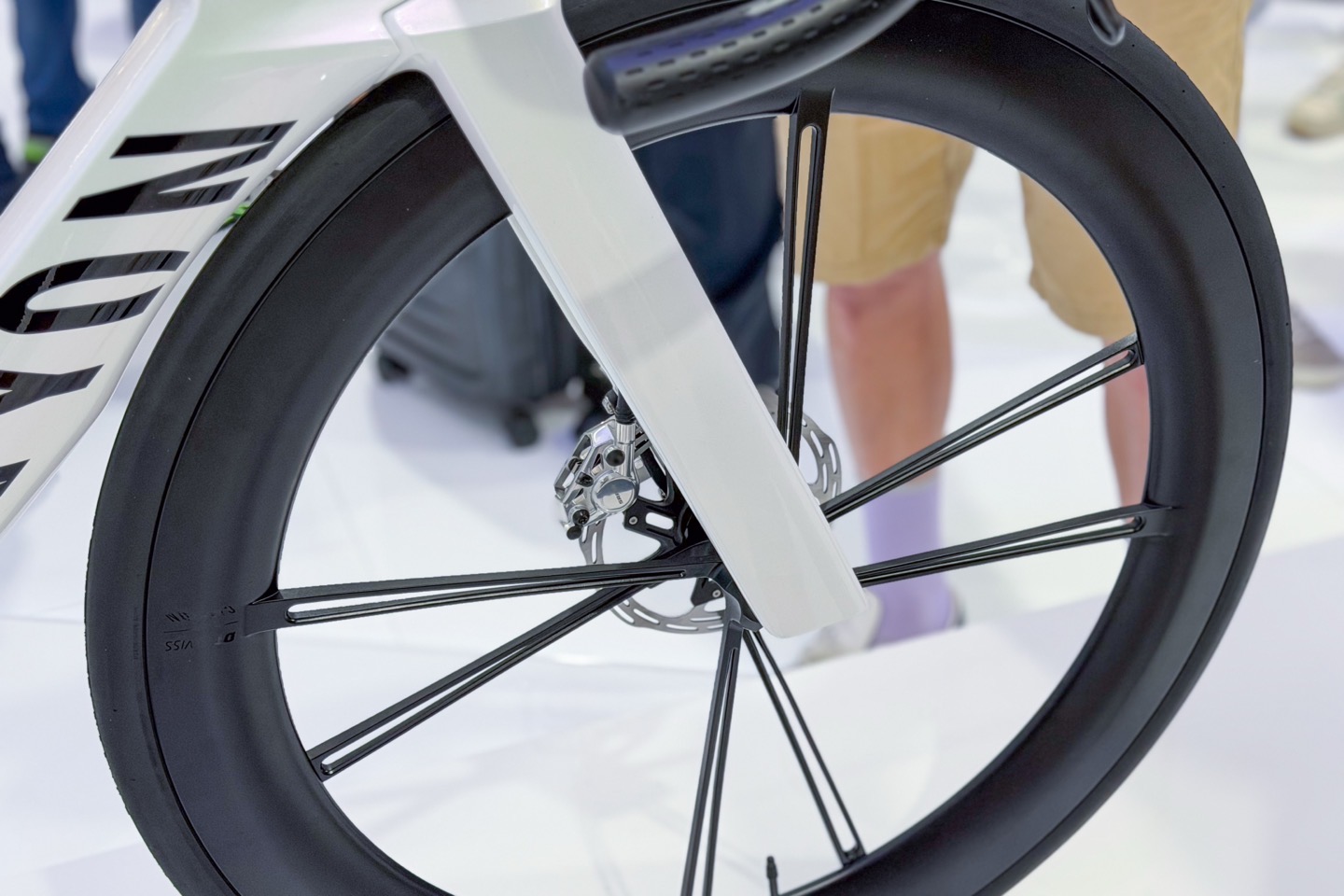
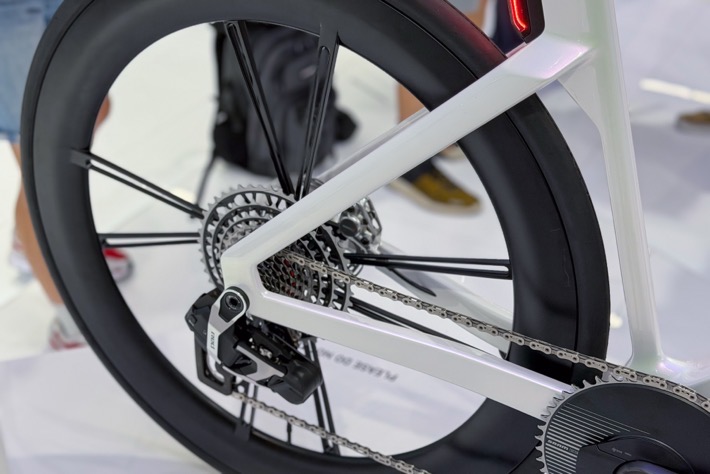
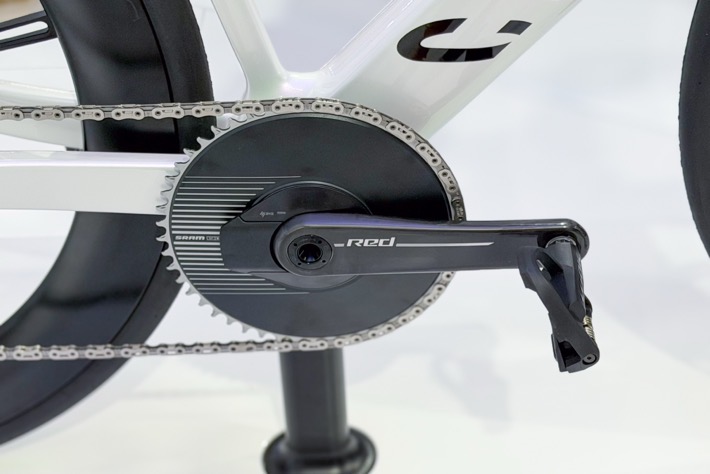
While the bike on display at Eurobike was equipped with a SRAM RED groupset and custom DT Swiss wheels featuring internal tire pressure sensors, Canyon maintains that the final production version would likely be groupset-agnostic. The core value proposition lies in the frame-integrated electronics rather than the mechanical components.
Broader Impact and Industry Implications
The introduction of the Canyon Predict signals a potential shift in how high-end bicycles are valued. Traditionally, the "prestige" of a road bike was measured by its weight and aerodynamic efficiency. By adding a 1kg battery and a suite of sensors, Canyon is betting that modern consumers will prioritize safety and "intelligence" over marginal weight gains.
This move also presents a challenge to established electronics manufacturers like Garmin, Wahoo, and Hammerhead. If a bicycle comes with a built-in HUD and a 360-degree radar system, the need for a separate, stem-mounted bike computer diminishes. However, as industry experts point out, these companies have spent decades perfecting features like offline mapping, structured workouts, and complex climbing metrics (e.g., ClimbPro). Canyon will either need to develop a competitive software ecosystem from scratch or, more likely, seek partnerships to integrate existing platforms into their smart cockpit.
The long-term viability of the Canyon Predict will also depend on its repairability. Integrated electronics often raise concerns about obsolescence. If a sensor fails five years after purchase, or if AI hardware becomes outdated, consumers will expect a pathway for upgrades or repairs that does not involve replacing the entire carbon fiber frame.
Conclusion
The Canyon Predict and Stingr helmet represent a bold vision for the future of cycling safety, leveraging AI to compensate for human error and environmental hazards. By focusing on local processing and 360-degree awareness, Canyon is attempting to bridge the gap between vulnerable road users and the increasingly automated world of automotive transport. While significant technical and market hurdles remain—particularly regarding battery life, weight, and software depth—the concept marks a definitive move toward a future where the "smart bike" is defined by its ability to save lives rather than just track miles. As the project moves into its two-year testing phase, the cycling world will be watching to see if Canyon can turn these ambitious prototypes into a reliable, trustworthy reality.